Photo: Unsplash
Silken tofu is a staple first protein in many Japanese and East Asian households — it's naturally soft, mild in flavor, and mashes easily into vegetables for a well-rounded, easy-to-eat meal.
It is also a genuinely convenient pantry staple to keep on hand, since shelf-stable silken tofu can sit in the cupboard until you need it, unlike meat or dairy that require more careful planning around use-by dates. That makes this recipe a good option for a night when you did not plan a specific baby meal in advance but still want something nutritious and balanced ready quickly, without a special grocery trip.
Ingredients
- 1/4 cup silken tofu
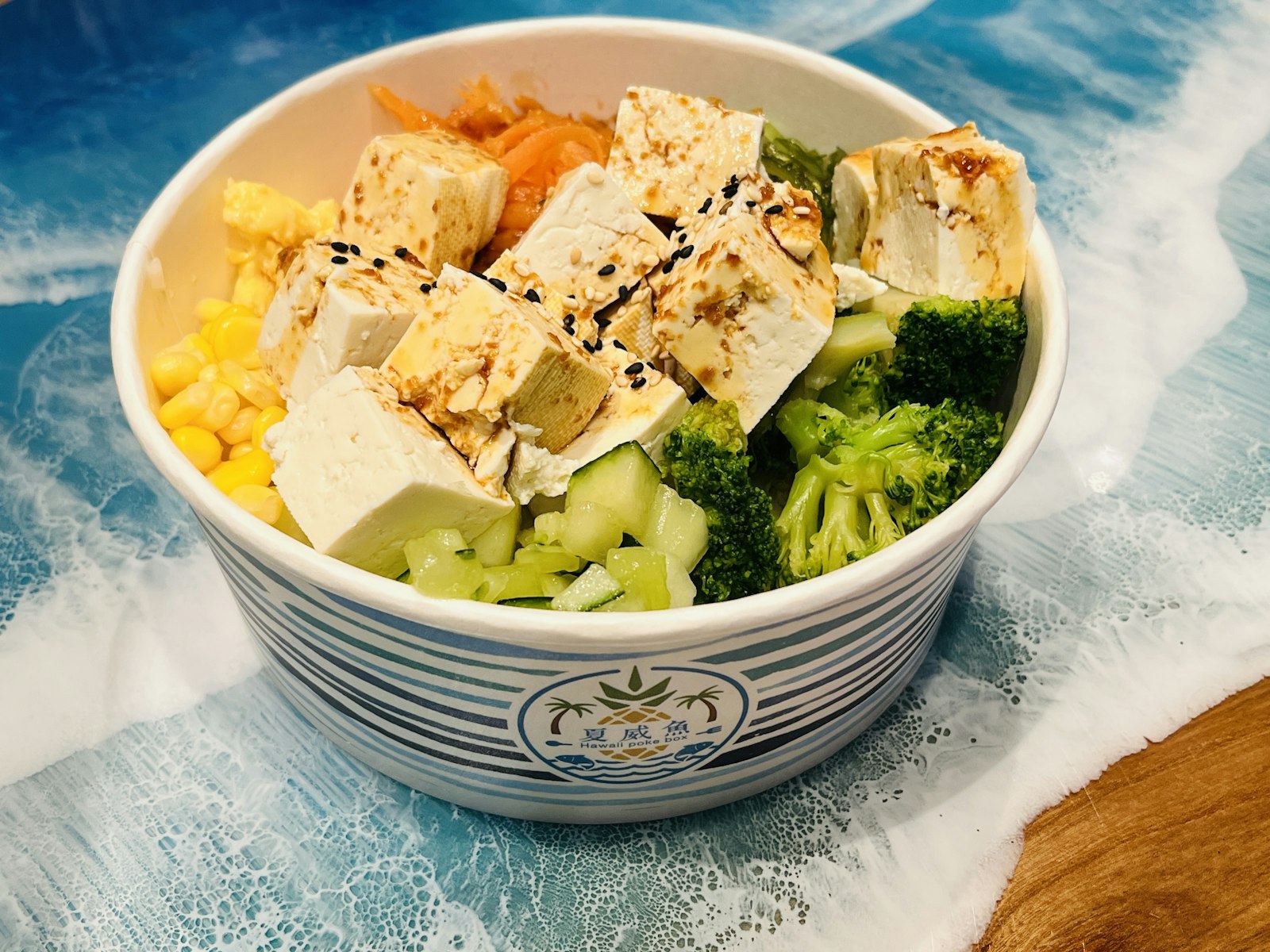
- 2 tablespoons each of soft-cooked broccoli, carrot, and corn (or vegetables of your choice)
- A splash of water or breast milk/formula, if needed
Instructions
- Steam the vegetables until very soft, about 8-10 minutes.
- Mash the silken tofu with a fork until smooth.
- Mash the cooked vegetables and combine with the tofu, adjusting texture with a splash of liquid if needed.
- Serve warm or at room temperature.
A note on tofu and texture
Silken tofu is the softest variety and mashes down almost like a custard, which makes it a good starting point. As your baby gets older, firmer tofu cut into small, soft cubes is a good next step for practicing self-feeding.
Rotating in different vegetables
This recipe is flexible — soft-cooked pumpkin, sweet potato, spinach, or peas all work well mashed in with the tofu, so it's an easy one to vary week to week.
Understanding the different types of tofu
Tofu comes in several firmness levels, and knowing the difference helps you pick the right one for your baby's stage. Silken tofu has the highest water content and the softest, most custard-like texture, making it ideal for the earliest stages of purees. Soft or medium tofu holds together a little more but still mashes easily. Firm and extra-firm tofu have a noticeably denser, chewier texture and hold their shape well when cut, which makes them a good option once your baby is ready for small, soft finger-food cubes rather than a mash. All varieties are made the same basic way, from coagulated soy milk, and the firmness comes from how much water is pressed out during processing.
Most grocery stores carry silken tofu in a shelf-stable box near other pantry staples, while firmer varieties are usually found refrigerated near produce or in a dedicated international foods aisle. If you cannot find silken tofu locally, soft or medium tofu blended briefly with a splash of water or breast milk gets you a reasonably close texture for early purees, without needing to track down a specific brand or store.
Tofu for baby-led weaning
Families following a baby-led weaning approach can serve firm tofu cut into finger-sized strips as an early finger food, since it is soft enough to gum and swallow safely even before a baby has teeth, but sturdy enough to hold its shape when picked up. Lightly pan-frying the strips in a small amount of oil until the outside firms up slightly can make them easier to grip, since raw tofu straight from the package can be quite slippery for small hands. Rolling the strips in a bit of ground flaxseed, nutritional yeast, or crushed infant cereal before cooking also gives them more texture to grip and a bit of extra nutrition, without changing the basic method described above for this recipe.
Why tofu makes a good early protein
Tofu offers a complete plant protein along with iron and calcium, both of which matter more once a baby moves past exclusive breast milk or formula feeding, since iron stores from birth naturally begin to decline around 6 months. Its neutral flavor also means it takes on whatever it's mixed with rather than adding a strong taste of its own, which makes it an easy way to boost the protein content of an otherwise vegetable-heavy meal without your baby noticing much difference in taste at all.
For vegetarian and vegan families in particular, tofu is one of the most useful early proteins available, since it covers protein, iron, and calcium in one ingredient without needing to rely on animal products. Pairing it with a vitamin C food, like the broccoli in this recipe or a bit of citrus elsewhere in the day, also helps the body absorb more of the iron tofu provides, since plant-based iron is naturally less bioavailable than the iron found in meat, poultry, or fish.
Introducing soy safely
Soy is one of the more common food allergens, alongside milk, egg, peanut, tree nuts, wheat, fish, and shellfish, so it's worth introducing tofu on its own in a small amount before mixing it into a combination meal like this one. Offer it early in the day so you can watch for any reaction, and wait a few days before introducing another new allergen. If your baby has eczema or a known food allergy in the immediate family, talk with your pediatrician about the best approach and timing for introducing soy and other allergens. For more background on introducing common allergens and recognizing a reaction, the HealthyChildren.org allergy and asthma section from the American Academy of Pediatrics is a useful reference to read alongside your pediatrician's guidance.
A mild reaction to watch for includes hives, a rash around the mouth, or mild vomiting; if any of these appear, stop offering the food and contact your pediatrician. Signs of a more serious reaction, difficulty breathing, swelling of the face or tongue, or sudden widespread hives, require emergency care right away rather than a wait-and-see approach.
Myths about soy and babies
- Myth: soy affects hormone levels in babies. Concerns about soy's plant compounds (phytoestrogens) affecting hormones have not been supported by research in infants and children eating normal amounts of soy foods as part of a varied diet; major pediatric health organizations do not advise against soy for this reason.
- Myth: soy is a lesser protein than animal protein. Soy is one of the few plant proteins considered "complete," meaning it contains all the essential amino acids the body needs, similar to meat, egg, or dairy.
- Myth: babies with a soy allergy will react to anything containing "soy" on the label. Highly refined soy oil and soy lecithin generally contain minimal allergenic protein and are tolerated by many people with soy allergy, though this is worth confirming with an allergist for a child with a diagnosed allergy rather than assuming.
Common mistakes to avoid
- Overcooking the vegetables to mush and then over-blending: once your baby is past the earliest purees, an overly smooth texture for too long can slow down progress toward chewing skills; introduce more texture as tolerated.
- Storing tofu and vegetables mashed together for days: the mixture gets watery as tofu releases liquid over time; store components separately and combine right before serving when meal-prepping ahead.
- Skipping the allergen introduction step: jumping straight to a mixed meal without testing soy on its own first makes it harder to identify the cause if a reaction occurs.
- Using flavored or seasoned tofu: pre-marinated or seasoned tofu products often contain added salt or sugar not appropriate for a baby; stick to plain silken or firm tofu.
A real-life scenario: a five-minute dinner
On a night when nothing else is planned, a block of shelf-stable silken tofu and a bag of frozen mixed vegetables can turn into a full baby meal faster than almost anything else in the kitchen. Microwave or steam the frozen vegetables for a few minutes until soft, mash the tofu with a fork, combine, and check the temperature before serving. There is no marinating, no advance prep, and no special equipment involved, which is exactly why many parents keep both ingredients stocked specifically for nights when the day has gotten away from them and dinner still needs to happen.
Adjusting texture as baby grows
For a baby just starting solids, mash the tofu and vegetables together until smooth and mostly lump-free. As your baby gets more comfortable with texture over the following weeks, leave the mash slightly coarser, with small soft pieces of vegetable still visible, to help build chewing and tongue-lateralization skills. By around 9-10 months, many babies can manage small soft cubes of firm tofu and diced steamed vegetables served separately rather than mashed together, which is good practice for self-feeding with fingers or a spoon.
By the toddler years, this dish can shift into something closer to a stir-fry or a simple tofu-and-vegetable side dish, seasoned lightly and served alongside rice or another grain. There is no need to keep making a mashed version indefinitely once your child is chewing well; the underlying combination of tofu and vegetables works at almost any age, it is really just the preparation and texture that need to evolve as your child's skills do.
Building a full meal around this recipe
On its own, this mash provides protein and vegetables but not much in the way of carbohydrates, so pairing it with a starch rounds it out into a more complete meal. A few spoonfuls of rice, mashed sweet potato, or a piece of soft bread alongside the tofu and vegetable mash gives a baby the energy-dense carbohydrate that a growing body needs in addition to protein and vegetables. This is a useful habit to build early, thinking about a plate or bowl in terms of a protein, a vegetable, and a starch, since it carries forward naturally into toddler and childhood meal planning long after the pureed stage is behind you.
Serving and storage tips
This mash is best served warm or at room temperature rather than hot, since tofu holds heat differently than vegetables and can end up warmer than expected in the center. If prepping ahead, keep the tofu and vegetable components in separate containers in the fridge for up to 2 days and combine just before serving — mixing and storing them together tends to make the texture watery as the tofu releases liquid over time.
Once opened, a block of tofu should be kept submerged in fresh water in the fridge if you are not using the whole block right away, and the water changed daily to keep it fresh for up to about 3 to 5 days. Unopened, shelf-stable silken tofu can be stored at room temperature until the package's use-by date, which is part of what makes it such a convenient pantry item for baby meals.
Frequently asked questions
Is tofu a common allergen?
Tofu is made from soy, which is one of the more common food allergens — introduce it on its own first, in a small amount, and watch for any reaction before combining it into a mixed meal like this one.
What type of tofu works best for babies just starting solids?
Silken tofu has the softest, smoothest texture and mashes most easily, making it a good starting point. Firmer tofu, cut into small soft cubes, is a good option once your baby is more comfortable with texture.
Can I make a bigger batch and freeze it?
The vegetable component freezes well, but tofu can become a bit grainy after freezing and thawing — it works best mashed in fresh, so consider freezing the vegetable mash separately and adding fresh tofu at serving time.
Does soy affect a baby's hormones?
Research has not supported concerns that soy foods affect hormone levels in babies and children eating normal amounts as part of a varied diet, and major pediatric health organizations do not advise against soy for this reason.
Can I serve tofu as a finger food for baby-led weaning?
Yes — firm tofu cut into finger-sized strips works well for baby-led weaning. Lightly pan-frying the strips can make them easier to grip, since raw tofu can be quite slippery for small hands.