Photo: Pexels
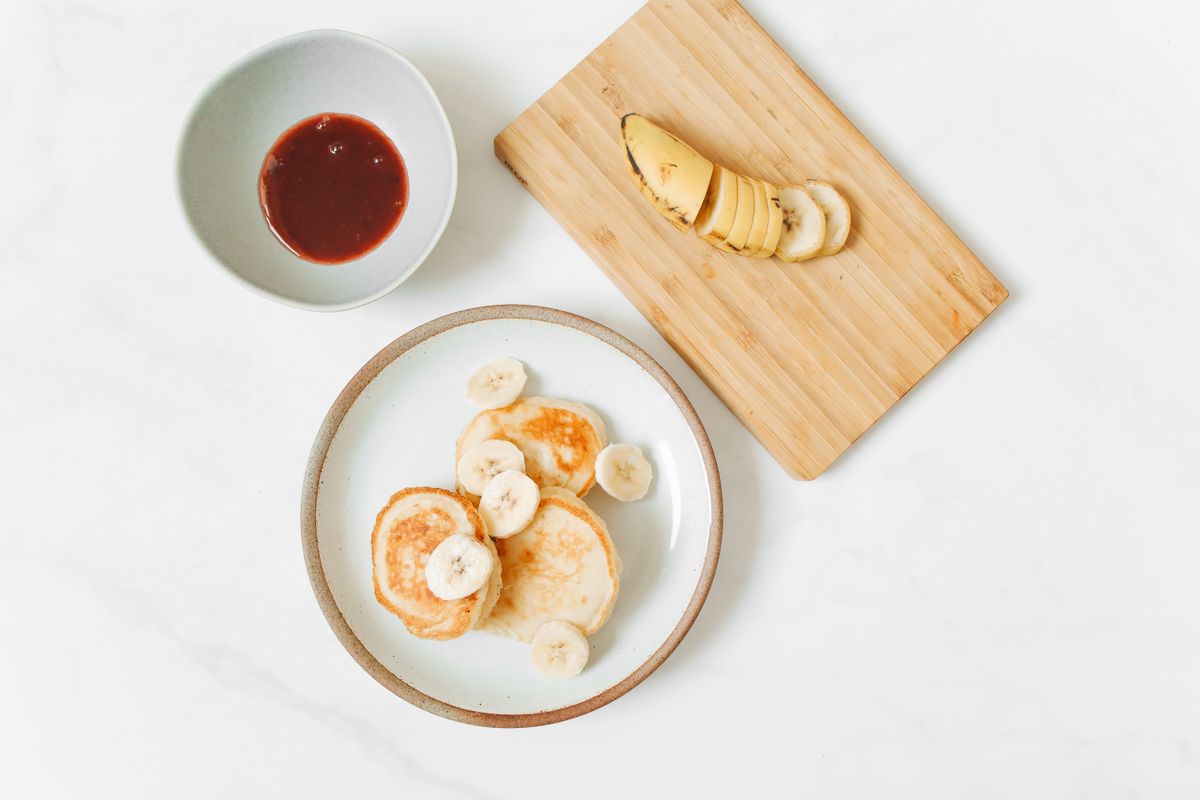
Baby-led weaning finger foods need to do something purees never have to: hold their shape in a small fist and survive a trip toward an open mouth without falling apart. These banana oat pancakes were built around exactly that requirement. They're soft enough to gum easily, sturdy enough to grip, sweet enough that no added sugar is needed, and simple enough that most of the work is done in a blender.
Why banana and oats work so well together for BLW
Ripe banana brings natural sweetness and a soft, slightly sticky texture that helps bind the pancake without needing much else. Oats add fiber and a mild, neutral flavor, and blend down into a fine flour that gives the pancake enough structure to hold together as a strip — unlike a purely fruit-based pancake, which tends to be too soft and fall apart in little hands. Together, they cook into a pancake that's soft in the middle, has just enough give to be easy on new gums, and firm enough at the edges to actually pick up.
A note on readiness and the egg in this recipe
Before offering any finger food, a baby should be able to sit upright with support, have lost the tongue-thrust reflex that pushes solids back out, and show real interest in food — reaching for it, watching you eat, opening their mouth as food approaches. Most babies reach this point somewhere around 6 months, though the readiness signs matter more than the exact date on a calendar.
This recipe includes egg, which is one of the common allergens. If your baby has never had egg before, introduce it on its own in a small amount first, ideally earlier in the day rather than at a meal right before bed, so you can watch for any reaction. Once egg has been tried safely a few times, it's fine to fold it into recipes like this one. If you'd rather wait or your baby has a known egg allergy, see the egg-free variation below.
Ingredients
- 1 ripe banana, well mashed (the riper and more speckled, the sweeter and easier to mash)
- 1/2 cup rolled oats, blended into a fine flour
- 1 egg (see note above, or use the egg-free swap below)
- 2-3 tablespoons milk (breast milk, formula, or whole milk), to thin the batter
- Optional: a pinch of cinnamon for flavor
No egg, or avoiding it for now? Replace the egg with an extra 1/4 of a mashed banana, or a "flax egg" (1 tablespoon ground flaxseed mixed with 3 tablespoons water, left to sit for 5 minutes until gel-like). Both work as a binder, though the pancakes will be slightly more delicate to flip.
Instructions
- Blend the rolled oats in a blender or food processor until they form a fine, flour-like texture.
- In a bowl, mash the banana thoroughly until mostly smooth, with just a few small lumps left.
- Whisk in the egg (or your chosen substitute) and the milk until combined.
- Stir in the oat flour and cinnamon, if using, until you have a thick, scoopable batter — add a splash more milk if it feels too stiff.
- Heat a non-stick pan over low-medium heat. No oil is needed on a good non-stick surface, which keeps things simple for baby-safe cooking; a very light brush of oil is fine if your pan needs it.
- Drop small spoonfuls of batter onto the pan, keeping them modest in size — smaller pancakes are easier to flip and easier for a baby to eventually pick up in pieces.
- Cook for 2-3 minutes until bubbles form on the surface and the edges look set, then flip and cook another 1-2 minutes on the other side.
- Let the pancakes cool completely on a rack or plate before serving — always test the temperature yourself before offering any to your baby.
Shaping it for your baby's stage
How you cut these matters as much as how you cook them. For younger babies around 6-9 months, who grasp with a full fist (a "palmar grasp") rather than fingers, cut the pancakes into finger-length strips that stick out past their fist on both ends — that lets them get food to their mouth even before they can pick up small pieces precisely. Once your baby develops a pincer grasp, usually somewhere between 9 and 12 months, you can start offering smaller, bite-sized pieces instead, which helps them practice that more refined motor skill.
Storage and reheating
These pancakes keep well, which makes them a genuinely useful batch-cook item rather than a one-time recipe. Store cooled pancakes in an airtight container in the fridge for up to 3 days, or freeze them in a single layer before transferring to a freezer bag for up to 2 months. To reheat, warm gently in a toaster, oven, or covered pan rather than a microwave when possible — microwaves can create uneven hot spots that are easy to miss, so if you do use one, stir or cut the pancake open and always test the temperature before serving.
Variations worth trying
- Veggie boost: blend a couple of spoonfuls of cooked sweet potato, pumpkin, or even spinach into the batter — the banana's flavor and color mostly cover it, making this an easy way to add a vegetable a baby might otherwise refuse on its own.
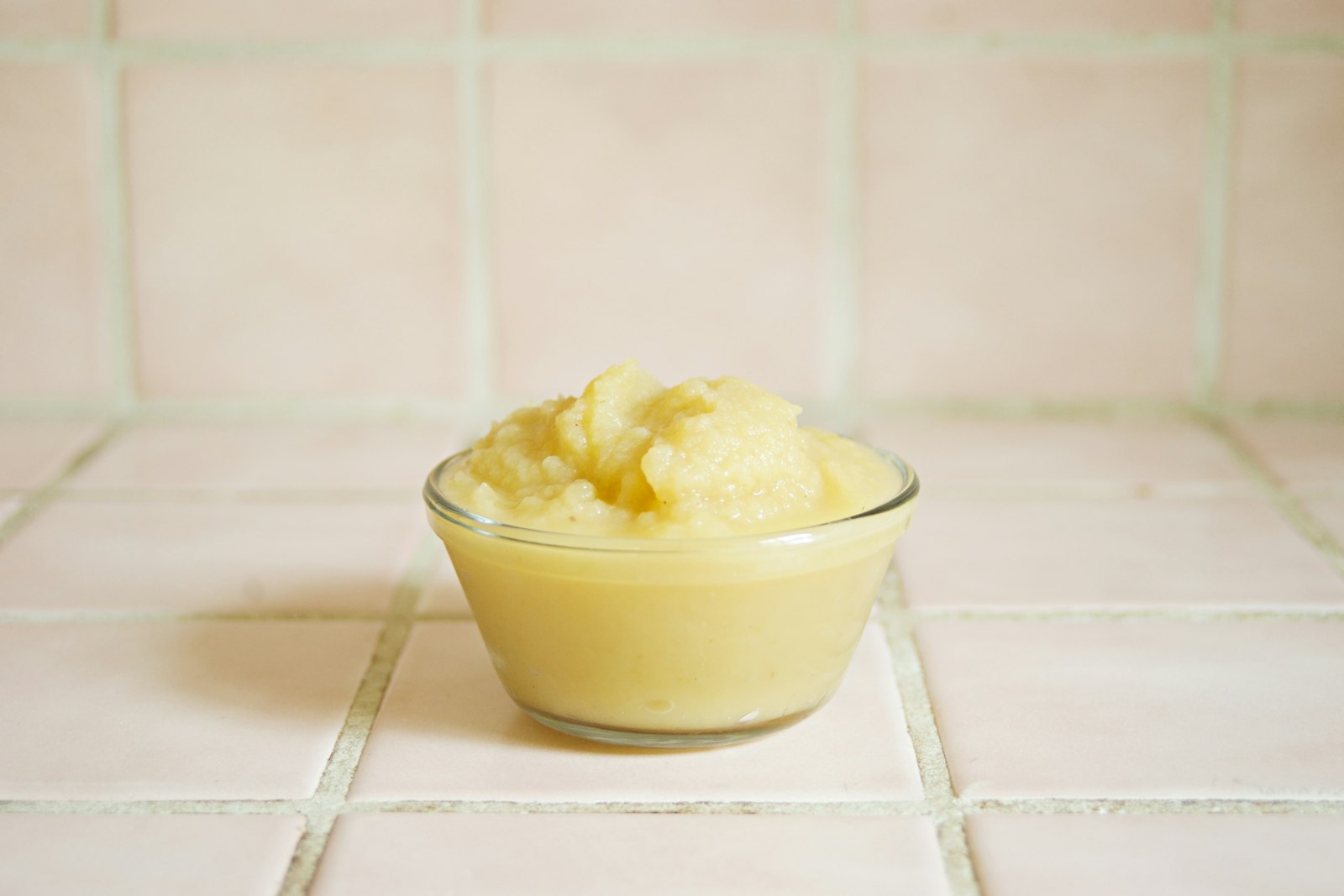
- Apple swap: replace the banana with the same amount of unsweetened applesauce for a different flavor and texture, useful in rotation so a baby isn't eating the exact same thing every day.
- Extra iron: a spoonful of iron-fortified baby oatmeal cereal stirred into the batter alongside the oat flour is a simple way to add a bit more iron, which becomes more important around 6 months as a baby's natural iron stores start to decline.
Why there's no added sugar or salt
Neither is nutritionally necessary here, and both are worth avoiding for reasons beyond taste. A baby's kidneys aren't yet equipped to process excess sodium well before their first birthday, so recipes built for this age are generally best left unsalted. Added sugar offers no nutritional benefit at this stage and isn't needed anyway — a ripe banana alone provides plenty of natural sweetness to make these genuinely enjoyable without it.
Choking safety with this recipe specifically
Pancakes are generally a lower-risk finger food when cut appropriately, but a few specific things matter here. Always let pancakes cool fully before serving, since the inside can stay hot longer than the surface suggests, and always test the temperature yourself first. Cut strips or pieces sized appropriately for your baby's current grasp and chewing ability rather than offering a whole uncut pancake, since a large piece can be harder to manage and more likely to be bitten off in a chunk too big to gum down safely. Always supervise your baby directly while eating, sitting upright, and avoid offering food in a moving car seat or stroller where you can't watch closely. If you have any concerns about choking risk for your baby's specific stage, a certified infant first aid or choking course is a worthwhile investment regardless of which finger foods you're offering.
Common problems and how to fix them
- Pancakes fall apart when flipping. This usually means the batter is too thin, the pan wasn't hot enough before the first pancake went in, or (if using the egg-free version) the substitute needs a few extra minutes to firm up before flipping. Adding a touch more oat flour and cooking on slightly lower heat for longer usually solves it.
- Pancakes are too dense or gummy in the middle. This is often a sign they were flipped too early, before the surface had set enough bubbles, or that the heat was too high, cooking the outside faster than the inside. Lower the heat slightly and give them a bit more time.
- Batter is too thick to scoop. Oat flour absorbs liquid differently depending on how finely it's blended; add milk a tablespoon at a time until the batter drops easily from a spoon.
- Your baby refuses the pancake entirely. This is common with any new food and often has nothing to do with the recipe itself. Offer it again on a different day, potentially cut into a different shape, before assuming it's a genuine dislike, since it can take many exposures before a food is accepted.
Nutrition in more detail
Oats provide fiber, plant protein, and a range of B vitamins, and their fine texture once blended makes them easy to digest even for a baby with limited chewing ability. Banana contributes potassium, vitamin B6, and natural sweetness without any added sugar. Egg, when included, adds high-quality protein, choline (important for brain development), and several vitamins and minerals in a small, easy-to-digest package, which is part of why it's often recommended as an early food to introduce rather than one to delay. Together, this combination makes a more nutritionally complete option than a plain fruit-based pancake, while still being simple enough to make in a few minutes with a blender and one pan.
Turning this into a toddler meal later
As your baby grows into toddlerhood, these same pancakes scale up easily into a family breakfast rather than a separate baby-only recipe. Doubling or tripling the batch, adding a bit of vanilla extract, and serving with a side of fruit turns this from a first-food recipe into a regular rotation meal the whole family can eat together, which also simplifies breakfast on busy mornings when cooking two separate meals isn't practical. A dollop of plain yogurt or a light drizzle of nut butter (once any related allergens have been safely introduced) on top adds extra protein and healthy fat as portion sizes grow with age.
Frequently asked questions
Can I make these ahead and freeze them?
Yes — these freeze well for up to 2 months. Freeze pancakes in a single layer on a tray first so they don’t stick together, then transfer to a freezer bag once solid, making it easy to pull out just a few at a time.
My baby hasn’t tried egg yet — what should I use instead?
Use an extra 1/4 mashed banana or a flax egg (1 tablespoon ground flaxseed mixed with 3 tablespoons water, rested 5 minutes) in place of the egg. Both work as a binder, though the pancakes will be a little more delicate to flip without egg.
How do I know if my baby is ready for finger foods like this instead of purees?
Look for sitting upright with support, loss of the tongue-thrust reflex, and clear interest in food — reaching for it or opening their mouth as it approaches. If your baby is showing these signs and has already tried a few single-ingredient purees or foods without issues, finger foods like these pancakes are a reasonable next step. See our full starting solids guide for more on readiness and pacing.
Why did my pancakes fall apart when I flipped them?
This usually means the batter was too thin or the pan wasn't quite hot enough before the first pancake went in. Adding a bit more oat flour and cooking a little longer on slightly lower heat before flipping usually fixes it.
Can I turn this into a bigger family breakfast later?
Yes, the recipe scales up easily. Doubling the batch and adding a splash of vanilla extract turns it into a regular breakfast the whole family can share once your baby is past the initial finger-food stage.