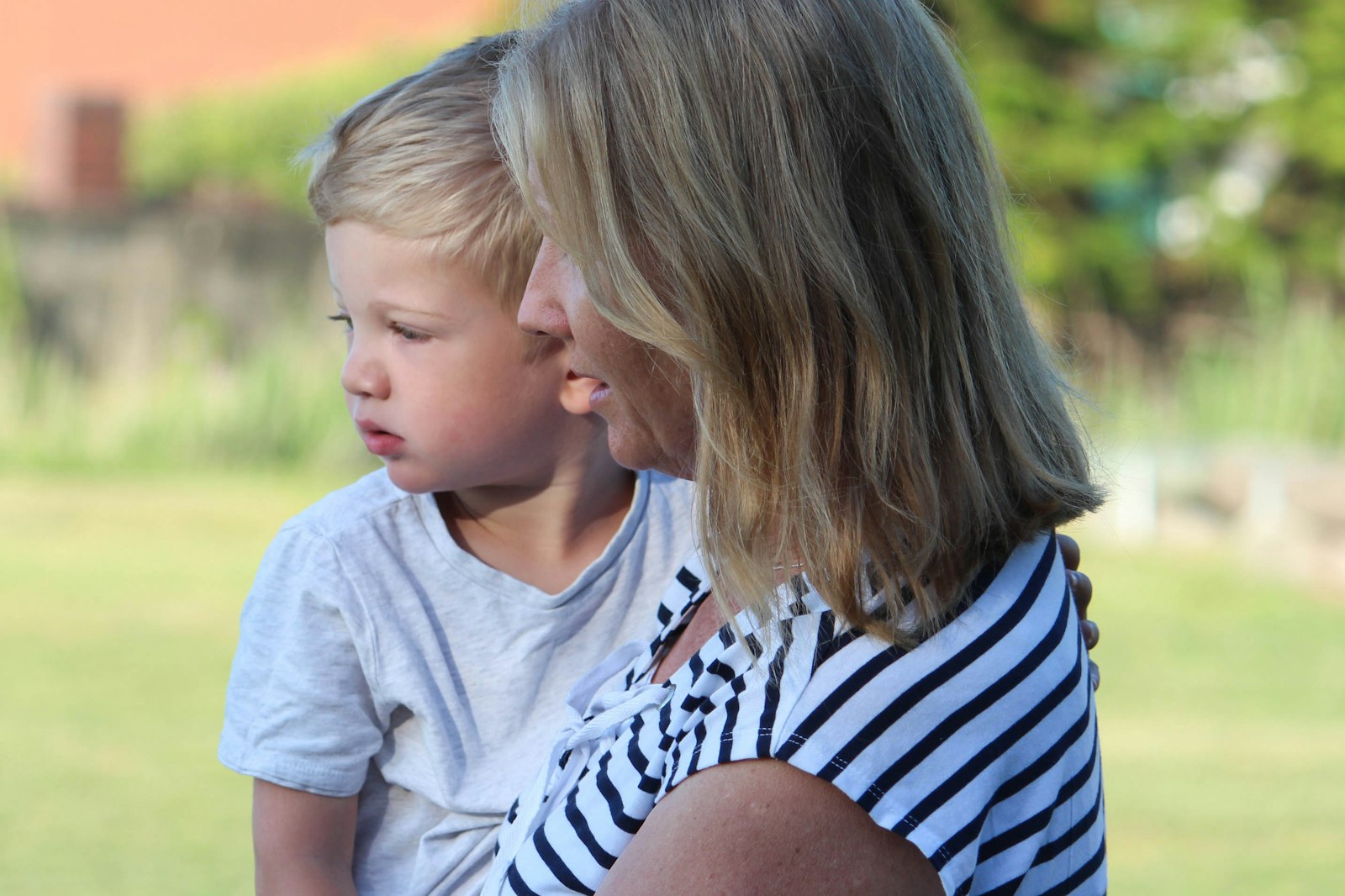
Photo: Pexels
You ask how their day was. They shrug and say "I'm fine." But their voice is flat, they've barely touched dinner, and they've disappeared into their room instead of doing the thing they usually can't wait to tell you about. Something is clearly not fine — and "I'm fine" is exactly the answer that shuts the conversation down before it starts, leaving you standing in the doorway wondering what just happened.
This is one of the most common and most quietly frustrating moments in parenting, showing up at almost every age in some form. The good news is that "I'm fine" usually isn't a wall meant to keep you out permanently — it's a reflex, and there are real, practical ways to get past it without forcing a confession or turning dinner into an interrogation.
Why kids say "I'm fine" when they're not
Before trying to fix it, it helps to understand what's actually happening underneath the single flat word. A few reasons show up constantly:
- They don't have the words yet. Naming a complicated feeling — embarrassment, disappointment, confusion, guilt — is a skill that develops slowly. "Fine" is often the easiest available word, not a deliberate dodge.
- They're protecting you. Many kids, even young ones, pick up on parental stress and instinctively downplay their own problems so they don't add to it.
- Past experience taught them it doesn't help. If previous attempts to share a feeling were met with "you're overreacting" or an immediate lecture, a child learns that "fine" is simply safer.
- They genuinely need time first. Some kids process internally before they can talk about something — being asked immediately can feel like being put on the spot before they're ready.
- They're testing the moment. "Fine" is sometimes a first response to see whether you'll actually make space to keep listening, or move on to the next thing.
The signs that "fine" isn't actually fine
Trust the pattern, not just the word itself. Common signals worth paying attention to:
- Withdrawing to their room more than usual, or going quiet in a way that's out of character
- Irritability or snapping over small things that wouldn't normally bother them
- Changes in sleep or appetite — eating much less, or wanting to sleep far more than usual
- Losing interest in an activity or friend group they normally care about
- Increased clinginess, or the opposite — pulling away from physical affection they'd usually welcome
- Physical complaints with no clear cause, like recurring stomachaches or headaches, especially tied to a specific time or place (school mornings, before a particular activity)
What tends to make it worse
A few very natural parental instincts often backfire here despite good intentions:
- Direct interrogation. "What's wrong? Tell me right now" puts a child on the defensive instantly, even when the intent behind it is pure concern.
- Contradicting them outright. "You are clearly not fine" can feel like being told their own answer is wrong, which tends to make kids dig in rather than open up.
- The formal sit-down. A serious face-to-face conversation, especially with prolonged eye contact, raises the emotional stakes of the moment — for many kids, especially tweens and teens, that pressure alone is enough to make them clam up.
- Rapid-fire questions. Stacking several questions in a row ("Did something happen at school? Was it a friend? Are you in trouble?") can feel like an interrogation rather than an invitation.
- Visible parental panic. If a child senses that their answer is going to trigger a big emotional reaction from you, they often protect you (and themselves) by shutting down further.
What actually works
Choose a genuinely low-pressure setting
Side-by-side situations consistently work better than face-to-face ones for hard conversations with kids: car rides, walking the dog, cooking together, doing the dishes, or lying next to them in the dark at bedtime. Without direct eye contact and with a shared activity to focus on, the conversation feels lower-stakes, and kids often say more than they would sitting across from you at the kitchen table.
Name what you observe, without demanding an explanation
Instead of "what's wrong," try describing what you've noticed, without a question mark forcing an immediate answer: "You seemed pretty quiet at dinner tonight." "I noticed you didn't want to go to practice today — that's not like you." This opens a door without pushing them through it.
Offer, don't demand
Let them know you're available without requiring them to talk right now: "Whenever you want to talk about it, I'm here. No pressure tonight." Many kids come back to this exact opening ten minutes, or two days, later — once the invitation has been made without a deadline attached.
Model your own vulnerability
Sharing a small, appropriately-sized example of your own hard day or mixed feelings shows a child that talking about difficult emotions is normal and safe, not something that gets a big reaction. "I had a rough moment at work today too — it happens to everyone" does more to open a conversation than any direct question.
Pay close attention to timing
Right after school pickup is often the worst time to ask — many kids need a decompression window first. Bedtime, car rides, and other low-demand moments tend to be when kids naturally open up, seemingly out of nowhere. Keep the door open during those windows rather than forcing a conversation the moment you're reunited.
Expect more than just one attempt
Getting to the real answer is rarely a single breakthrough conversation — it's often several small, gentle check-ins over days. Treating an unsuccessful first attempt as a failure (or pushing harder the second time) tends to close things down further rather than opening them up.
Validate whatever finally does come out
Once something surfaces, even if it sounds small to you, resist the urge to minimize it ("that's really not a big deal"). A response like "that sounds really frustrating" or "I can see why that upset you" tells a child their feelings are taken seriously — which makes them far more likely to come to you again next time.
When "I'm fine" might be masking something bigger
Most of the time, gentle persistence and the right setting are enough. But a few patterns are worth taking more seriously and involving extra support:
- Withdrawal, low mood, or irritability that persists for several weeks rather than passing within a few days
- Signs consistent with anxiety or depression — constant worry, loss of interest in nearly everything, big changes in sleep or eating that don't resolve
- A known major life change in the background — divorce, a house move, a new sibling, bullying, or a friendship falling apart
- Any language or behavior suggesting self-harm or hopelessness — this always warrants immediate professional support, not a wait-and-see approach
- A sudden, dramatic shift in personality that doesn't match any obvious cause you can identify
In any of these situations, a school counselor, pediatrician, or child therapist can help — both to support your child directly and to give you specific tools for your particular kid, since what works for one child's "fine" doesn't always work for another's. The American Academy of Pediatrics has additional, free guidance on childhood mental health warning signs at HealthyChildren.org if you want a starting point before or alongside a professional visit.
Age-by-age differences worth knowing
A young child's "I'm fine" often really does mean they don't have the vocabulary for what's happening, and gentle, playful approaches (drawing about the day, acting it out with stuffed animals, or simply narrating your own guess: "It looked like something at the park upset you") can work better than any direct conversation. School-age kids are more capable of naming feelings but often still need the pressure taken off first; a side activity and an indirect opening usually outperform sitting them down. Tweens and teens frequently have a genuine, developmentally appropriate need for more privacy and independence, which "fine" often partly reflects, on top of anything actually being wrong; respecting that need for space while still keeping the door open tends to work better than treating every "fine" from a teenager as a red flag requiring immediate resolution.
When the "I'm fine" is happening over text or from another room
A lot of communication with older kids and teens now happens over text, especially once they're not in the same room or the same house as often (school, a co-parent's house, a sleepover). The same principles apply but the format shifts: a low-pressure text ("thinking of you, no need to respond") can serve the same function as a side-by-side car ride, giving a child an easy, low-stakes way to respond on their own timeline rather than in a live, real-time conversation that might feel more exposing. Avoid stacking follow-up texts if the first one doesn't get an immediate response; the same patience that applies in person applies here too.
When it's really about a friend, sibling, or social situation
Sometimes what's behind "I'm fine" isn't something happening to the child directly but a friend's problem they're carrying, a sibling conflict they don't want to tattle about, or a group social dynamic that feels too complicated to explain. Asking more open-ended questions about their social world generally ("how are things with your friend group lately?") rather than assuming the issue is about them specifically can sometimes surface what's actually going on faster than direct questions aimed at their own feelings. Kids often find it easier to talk about a friend's situation than their own, even when the friend's situation is really a stand-in for something closer to home.
Frequently asked questions
My teenager just says "fine" and shuts their door — is that normal?
Yes, especially in the tween and teen years, where a growing need for privacy and independence is completely normal. The same low-pressure, side-by-side approach still applies — a car ride or a shared task often works better than a direct conversation at this age, not less.
Should I ever push harder if my child keeps saying they are fine?
Gentle persistence over several low-key attempts is different from pushing harder in one conversation. If repeated gentle invitations over a week or two get nowhere and you are seeing other warning signs, that is the point to loop in a school counselor or pediatrician rather than escalating the direct questioning yourself.
What if my child gets angry when I say I notice something is off?
That reaction is common and does not mean you did something wrong — it can simply mean they are not ready yet. Calmly stepping back with something like "okay, I am here whenever you want to talk" and genuinely dropping it for now usually works better than continuing to press in the moment.
Is it okay to ask a sibling or friend what's going on instead of asking my child directly?
It can be a useful extra source of information, but it's worth being careful about how it's used. Confronting your child with what a sibling told you can damage trust on both sides; using the information quietly to inform your own approach, without revealing the source, is usually a safer way to go.
How long should I wait before involving a professional if "fine" keeps coming up?
There's no fixed number, but a rough guideline many pediatricians and counselors use is two to three weeks of persistent low mood, withdrawal, or behavior change without improvement. Any mention of self-harm or hopelessness warrants immediate professional support rather than waiting any set amount of time.