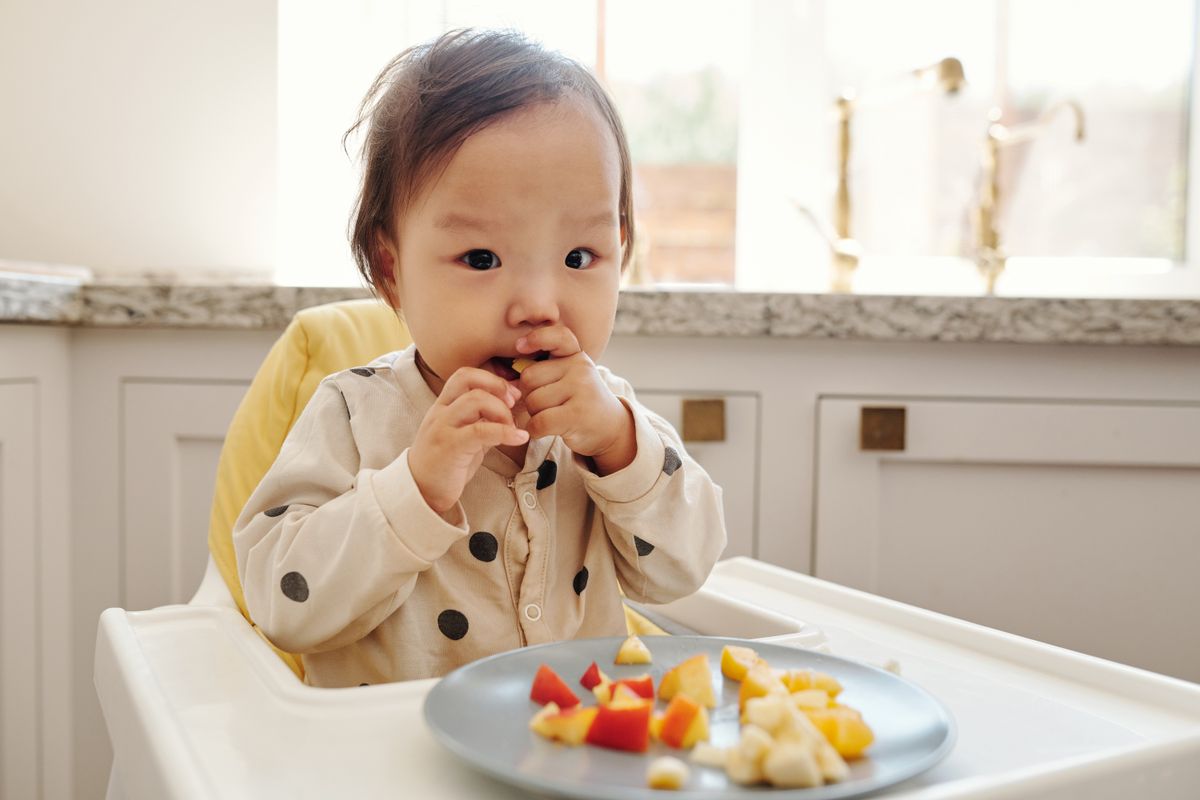
Photo: Pexels
Toddlers have small stomachs and big energy needs, which is exactly why snacks matter so much at this age — they're not just filler between meals, but a genuine part of covering a toddler's daily nutrition.
Why snacks matter more for toddlers than adults
A toddler's stomach can only hold so much at one sitting, so three meals alone often aren't enough to meet their calorie and nutrient needs for the day. Well-planned snacks — roughly two a day, spaced between meals — help fill those nutritional gaps rather than just being extra food on top of what they already need.
Protein-forward snacks
- Cheese cubes or string cheese
- Plain Greek yogurt with a drizzle of honey (after 12 months)
- Hard-boiled egg, quartered
- Hummus with soft-cooked vegetable sticks
- A few slices of deli turkey or leftover chicken, cut small
Fruit and vegetable snacks
- Soft, ripe fruit — banana, avocado, or well-ripened pear cut into manageable pieces
- Steamed carrot or sweet potato sticks
- Berries, halved or quartered to reduce choking risk
- Cucumber slices with a mild dip
- Applesauce, unsweetened
Grain-based snacks
- Whole-grain crackers
- Plain oat cereal or lightly sweetened oat rounds
- Toast strips with a thin layer of nut butter (after allergens are safely introduced)
- Mini rice cakes
- Homemade muffin bites made with mashed fruit or vegetables
Snack timing and portions
Spacing snacks at least an hour or two away from the next meal helps preserve appetite for that meal, rather than a snack right beforehand blunting hunger. A reasonable toddler snack portion is smaller than most parents expect — often just a few tablespoons to a half-cup of food, since a toddler's stomach is roughly the size of their own fist. Offering the portion and letting a toddler decide when they're done, rather than encouraging them to finish everything on the plate, also helps them stay tuned in to their own fullness cues.
Snacks to offer with more caution
Whole grapes, whole nuts, popcorn, hard raw vegetables, and large chunks of meat or cheese are common choking hazards for toddlers and are safer cut small, softened, or avoided until a child is a bit older and chewing more reliably. Highly processed snack foods aren't dangerous occasionally, but relying on them as the default rather than the exception tends to crowd out more nutritionally useful options over time.
Handling snack refusal
It's common for toddlers to refuse a snack they happily ate the week before, and this is rarely about the food itself — appetite genuinely fluctuates day to day at this age based on growth spurts, activity level, and mood. Offering the same reasonable snack without pressure or a backup "safe" food swapped in immediately tends to work better long-term than negotiating or offering alternatives on the spot, which can teach a toddler that refusing gets them something different.
Make-ahead snack strategies
Prepping a few days' worth of cut fruit, cheese cubes, or hard-boiled eggs at once and storing them in small containers in the fridge turns snack time into a grab-and-go moment rather than a fresh production every time. A simple rotating list of 8-10 go-to snacks, rather than trying to come up with something new daily, also takes a surprising amount of pressure off busy weekdays while still giving a toddler enough variety across the week.
Snacks for specific situations
Car rides and outings call for snacks that don't crumble, melt, or need refrigeration — cheese sticks, whole-grain crackers, and dried fruit (cut small) travel well without much mess. Post-nap snacks work best kept light and easy to eat one-handed, since a toddler is often still a little groggy and not ready for a full sitting-down snack right away. A snack offered right before a car seat or stroller outing is also worth keeping simple and low-choking-risk, since a caregiver's attention is naturally more divided while driving or walking than at a kitchen table.
Building a toddler-friendly snack station
Keeping a low shelf or drawer in the fridge and pantry stocked with pre-approved, toddler-safe options lets an older toddler start choosing and even grabbing their own snack under supervision, which builds independence without opening the door to less nutritious choices. Rotating what's in that station week to week, rather than always stocking the exact same items, is an easy way to naturally introduce variety without turning snack time into a negotiation every day.
Labeling containers with simple pictures rather than words also lets toddlers who aren't reading yet participate fully in choosing their own snack, which tends to reduce mealtime power struggles simply by giving them a real say in a low-stakes decision — the same principle that works well for offering choices at other points in a toddler's day.
A week of simple snack combinations
Having a rotating template rather than inventing something new every day removes a lot of the daily decision fatigue around snacks. Each of these pairs a protein or fat source with a fruit or vegetable, which tends to be more filling and satisfying than a single-food snack alone.
- Monday: String cheese and apple slices.
- Tuesday: Hummus with soft-cooked carrot sticks.
- Wednesday: Hard-boiled egg quarters and cucumber slices.
- Thursday: Plain yogurt with mashed berries stirred in.
- Friday: Whole-grain crackers with a thin spread of nut butter (once allergens are safely introduced) and banana slices.
- Weekend: Leftover cooked vegetables from dinner, offered cold or reheated, alongside a small piece of cheese.
Snacks by age within the toddler years
- 12 to 18 months. Textures should still be soft, well-cut, or easily dissolvable, since chewing skills and molars are both still developing. Steamed vegetables, ripe soft fruit, and finely shredded cheese work well.
- 18 months to 2 years. Most toddlers can manage slightly firmer textures and smaller independent bites, making foods like whole-grain crackers, cubed cheese, and thinly sliced soft fruit reasonable additions.
- 2 to 3 years. Chewing ability and coordination continue to improve, and most toddlers in this range can handle a wider variety of textures, though classic choking hazards like whole grapes, whole nuts, and popcorn are still best modified or avoided.
- 3 years and up. Molars are typically further along, and most snacks appropriate for older kids become reasonable, though it's still worth staying attentive during meals and snacks at any age.
Common snacking mistakes worth avoiding
- Treating snack time as a battleground for finishing a portion. Pressuring a toddler to finish a snack undermines their own ability to recognize fullness, which is a skill worth protecting rather than overriding.
- Offering only sweet snacks by default. A steady diet of sweet snacks, even relatively healthy ones like fruit, without much savory variety, can shape preferences in a direction that makes vegetables and other savory foods harder to introduce later.
- Using snacks purely as a distraction tool. Handing over a snack automatically at the first sign of boredom or a minor upset, rather than in response to genuine hunger, can blur a toddler's ability to distinguish true hunger from other feelings.
- Skipping supervision during snack time. Choking risk doesn't disappear just because a food is labeled a "snack" rather than a meal; the same seated, supervised approach that applies at mealtimes matters here too.
Myths about toddler snacking
"A picky eater needs more snacks to make up for what they're missing at meals" often backfires. Toddlers who snack heavily between meals, especially close to mealtime, frequently have less appetite at the actual meal, which can deepen rather than solve a picky eating pattern over time.
"Store-bought snacks are automatically worse than homemade ones" isn't necessarily true either. Many packaged toddler snacks, particularly plain crackers, cheese, and unsweetened applesauce pouches, are nutritionally reasonable choices; the bigger factor is overall variety and how often ultra-processed, high-sugar options make up the bulk of the rotation, not whether a snack came from a package.
"Toddlers need constant access to food to avoid a meltdown" tends to create more grazing than genuine hunger requires. A predictable snack and meal schedule, rather than food available at all times, generally supports better appetite regulation and fewer mid-afternoon meltdowns tied to a blood sugar crash from earlier grazing on very sugary snacks.
Nutrition context for the toddler years
Toddlers need a proportionally higher amount of healthy fat relative to body weight than adults, since fat supports the rapid brain development happening during these years, which is part of why whole-milk dairy and healthy fats from foods like avocado are commonly recommended rather than restricted at this age. Iron and calcium are two nutrients worth paying particular attention to in snack choices, since typical toddler diets can fall short on both; snacks like fortified cereal, cheese, yogurt, and iron-rich foods like hummus or a small amount of meat help cover those gaps between meals. The American Academy of Pediatrics has more detailed nutrition guidance for toddlers at HealthyChildren.org.
Snacks that double as a light meal
On days when a toddler eats poorly at breakfast, lunch, or dinner, a slightly more substantial snack can help fill the gap without needing to force a full meal replacement. Combining a grain, a protein, and a fruit or vegetable, such as whole-grain toast with cream cheese and cucumber slices, or a small bowl of oatmeal with berries and a spoonful of nut butter, gives more staying power than a single-food snack and can take some pressure off a rough mealtime earlier in the day. This isn't a strategy to use as a workaround for every meal a toddler skips, but it's a reasonable, low-stress option on an occasional off day.
A note on juice and sweetened drinks
Juice and other sweetened drinks aren't a necessary part of a toddler's snack routine and are easy to overdo, since they add calories and sugar without the fiber or fullness that whole fruit provides. When juice is offered, keeping portions small and diluted, and favoring water or milk the rest of the time, helps prevent it from displacing more nutritionally useful foods and drinks throughout the day. The American Academy of Pediatrics generally recommends limiting juice significantly for toddlers, favoring whole fruit instead whenever possible, since it delivers more fiber and tends to last longer as a genuinely satisfying snack than a cup of juice does.
Frequently asked questions
How many snacks should a toddler have per day?
Most toddlers do well with about two planned snacks a day, spaced between the three main meals, though this can flex based on appetite, activity level, and how much they ate at the last meal.
Is it okay if my toddler only wants the same snack every day?
Yes, within reason — a strong preference for one or two "safe" snacks is common and not a nutritional problem on its own, as long as meals still offer some variety across the week.
Should I let my toddler graze on snacks all day instead of set snack times?
Structured snack times generally work better than all-day grazing, since constant small amounts of food can blunt appetite for meals and make it harder to tell genuine hunger from boredom-driven snacking.
Are store-bought snacks worse than homemade ones for toddlers?
Not necessarily. Many packaged options, like plain crackers, cheese, and unsweetened applesauce, are nutritionally reasonable. Overall variety and how often very sugary, ultra-processed snacks appear matter more than whether a snack is homemade or store-bought.
Should I give my toddler a snack every time they're bored or upset?
It's better to reserve snacks for genuine hunger rather than using food as a default response to boredom or minor upsets, since that pattern can make it harder for a toddler to learn to distinguish hunger from other feelings.