Photo: Pexels
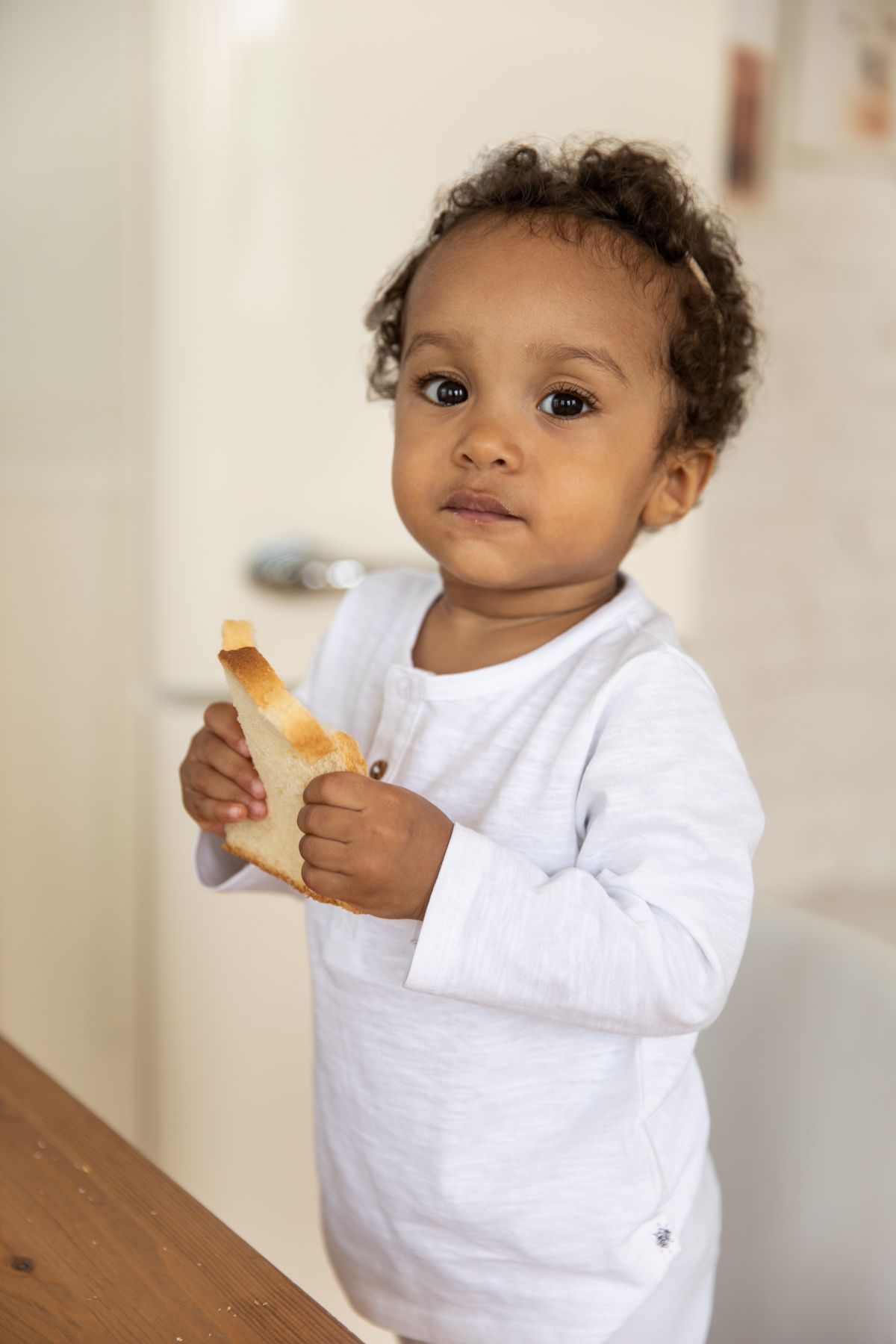
A toddler who wants plain buttered bread at every single meal for two straight weeks, then suddenly refuses to touch it again, is going through what's known as a food jag — and it's one of the most common, most normal, and most misunderstood phases of toddler eating.
What a food jag actually is
A food jag is a stretch where a toddler wants the same specific food repeatedly, sometimes at every meal, for days or even weeks, before dropping it just as suddenly as it started — often never to return to it, or returning to it much later as if nothing happened. It's different from being generally picky, which describes an ongoing pattern of limited food acceptance rather than a temporary fixation on one specific item.
Why food jags happen
- Predictability feels good. Toddlers have very little real control over their day, and a food they know and like completely is one of the few genuinely predictable, low-risk choices available to them.
- Sensory comfort. A familiar taste and texture is easier to process than something new, especially during a stretch when a toddler is already navigating a lot of new experiences elsewhere.
- It's a normal developmental phase, not a red flag on its own. Most toddlers go through several food jags over the toddler years, and it doesn't predict long-term picky eating or a feeding disorder by itself.
- Autonomy. Similar to naptime resistance, choosing what to eat (and just as importantly, what to refuse) is one of the clearest ways a toddler can exercise control.
Food jag vs. picky eating: what's the difference?
A food jag is narrow and temporary — one specific food, for a limited stretch of time, that eventually fades on its own. General picky eating is broader and more persistent — a consistently small list of "safe" foods across weeks or months, with strong resistance to almost anything unfamiliar, regardless of which specific food is on the plate that day. A child in the middle of a food jag is often willing to eat other things too, just less enthusiastically than the current favorite; a truly picky eater tends to refuse nearly everything outside a fixed, narrow list. See our picky eating guide if that broader pattern sounds more familiar.
How to handle a food jag
- Keep offering variety alongside the jag food, without pressure to eat it. Continuing to put a range of foods on the plate, even ones that get ignored for now, keeps exposure going without turning mealtime into a negotiation.
- Don't make a big deal of it either way. Excessive praise for eating the jag food, or visible frustration about the narrow eating, both tend to add pressure that can make eating feel tense rather than routine.
- Think in terms of the week, not each individual meal. Nutritional balance evens out across several days far more than most parents realize — a few days of mostly one food rarely causes any real nutritional gap if the overall week includes reasonable variety.
- Avoid becoming a short-order cook making a completely separate meal every time. Serving the jag food as part of a normal family meal, alongside other options, keeps things manageable without extra effort every night.
- Expect it to pass on its own. Most food jags run their course within a couple of weeks without any specific intervention — the toddler simply moves on to a new preference, or back to a more varied pattern, on their own timeline.
When it's worth a closer look
- The pattern lasts well beyond a few weeks with no sign of easing, rather than fading naturally.
- The total number of foods your toddler will accept across an extended period is very limited — not just one current favorite, but a persistently short list overall.
- There's noticeable weight loss, poor weight gain, or growth concerns flagged at a routine check-up.
- Eating comes with extreme distress, gagging, or sensory reactions well beyond typical toddler food resistance.
Any of these are reasonable reasons to check in with a pediatrician or a feeding specialist — most food jags don't need this level of concern, but it's worth ruling out when the pattern looks more extreme or more persistent than a typical phase.
Why food jags tend to center on the same handful of foods
Bread, plain pasta, crackers, cheese, and other mild, starchy, "beige" foods show up disproportionately often as food jag favorites, and that's not a coincidence. These foods tend to share a soft or predictable texture, a mild flavor with no surprising notes, and a shape that's easy to hold and chew — all qualities that make a food feel safe to a developing sensory system that's still learning to process a huge range of new tastes and textures. It's also worth noting that this preference for bland, predictable foods is part of typical sensory development, not a sign of a restrictive personality or a preview of adult eating habits — most kids' food preferences broaden considerably as their sensory processing and food experience both mature over the following years.
Food jags at different ages
A food jag can show up anywhere from around 12 months, once a toddler has enough foods in their regular rotation to have a favorite, right through the preschool years. What it looks like tends to shift a bit with age.
12 to 18 months
At this age a food jag is often about texture and ease more than taste. A toddler who is still working on chewing and swallowing more complex textures may gravitate toward something soft and familiar, like yogurt or plain pasta, simply because it's the easiest thing to eat right now. This kind of jag tends to be short and is closely tied to whatever new skill (molars coming in, better jaw control) is developing at the time.
18 months to 2 years
This is peak food jag territory for a lot of families. Independence is exploding, language is limited, and food is one of the few areas where a toddler has real, visible control. Jags at this age can feel more stubborn and can come with bigger reactions if the favorite food isn't available.
2 to 4 years
Older toddlers and preschoolers still have food jags, but they're often shorter and less intense, and a child this age can usually tell you why they want the food ("I like the crunchy ones") even if the reason doesn't fully make sense to an adult. By this age, kids are also more able to be involved in simple food decisions, which can sometimes shorten a jag on its own.
A step-by-step approach for the next two weeks
- Day 1 to 3: Keep serving the jag food without comment, alongside one or two other familiar foods on the same plate. Don't add pressure in either direction.
- Day 4 to 7: Add one small, low-stakes new or less-favorite food to the plate at each meal, in a tiny portion, with zero expectation it gets eaten. The goal is exposure, not consumption.
- Day 8 to 10: Notice whether interest in the jag food is fading on its own. If it is, let it fade; don't try to "wean" your toddler off it deliberately.
- Day 11 to 14: If the jag is still going strong, that's still within normal range. Keep the routine steady and resist the urge to escalate with bribes, bargaining, or removing the food entirely.
- Ongoing: Look back at the whole week, not single meals, when you're judging how balanced things actually were.
Common mistakes parents make with food jags
- Treating it like a discipline problem. A food jag isn't defiance, so time-outs, lectures, or "you have to eat something else" rules tend to backfire and add stress to mealtimes without changing the underlying preference.
- Suddenly cutting off the favorite food. Removing the jag food out of frustration or a worry about "too much of one thing" often just makes mealtimes tenser without actually broadening what your toddler eats.
- Turning every meal into a negotiation. Offering a running list of alternatives at the table, one after another, until something is accepted trains a toddler to hold out for options rather than eat what's in front of them.
- Assuming it means a lifelong pattern is starting. One intense jag at 20 months doesn't mean your child will be a picky eater as a teenager; most food preferences at this age are highly changeable.
- Comparing to siblings or other kids. Every toddler's eating rhythm is different, and a jag that lasted two days for one child might last three weeks for another without either being unusual.
Myths vs. facts about food jags
- Myth: a food jag means your toddler will always be picky. Fact: most food jags are isolated phases, and taste preferences at this age shift constantly as a child's palate and experience develop.
- Myth: you should hide vegetables in the jag food to sneak in nutrition. Fact: hiding foods can work occasionally, but relying on it regularly can backfire if a toddler notices and becomes more suspicious of foods in general; it also doesn't teach acceptance of the food on its own.
- Myth: a jag means something is nutritionally wrong. Fact: as long as growth is on track and the overall week includes some variety, a short jag is rarely a nutritional concern on its own.
- Myth: you have to break the cycle immediately. Fact: for the vast majority of toddlers, doing nothing dramatic and simply waiting it out is the most effective response.
A realistic scenario
Consider a toddler who, around 22 months, decides that plain cheese quesadillas are the only acceptable lunch. For nine days straight, that's what shows up on the plate, alongside a small side of fruit and whatever vegetable is part of the family meal. Some days the fruit gets eaten, some days it doesn't. Around day ten, the quesadilla starts getting left half-finished, and by day twelve the toddler is back to eating a rotation of two or three lunches like before. Nothing about the approach changed during those two weeks: the same foods were offered, quietly, without commentary. The jag simply ran its course, which is how the vast majority of these phases end.
When to call the doctor
Most food jags are not a medical issue, but it's reasonable to bring it up at a well-check, or sooner, if any of the following are true: your toddler's weight gain has slowed or stalled, the list of foods they'll accept across a typical month is extremely short (not just narrowed to a current favorite), mealtimes involve gagging, choking, or intense distress that goes beyond ordinary refusal, or the pattern has lasted well beyond a month with no sign of loosening. A pediatrician can check growth trends against a standard growth chart and refer you to a feeding specialist or pediatric dietitian if a closer look is warranted. The American Academy of Pediatrics' parent-facing site has more on typical toddler feeding patterns and when picky eating crosses into a concern worth addressing; see HealthyChildren.org's guide to picky eaters for more detail.
Frequently asked questions
Is it bad for my toddler to eat the same food every day for two weeks?
For most toddlers, no — a short-term food jag rarely causes any real nutritional issue, since balance tends to even out across the week rather than needing to happen at every single meal. Keep offering variety without pressure and it typically resolves on its own.
Should I stop offering a food once my toddler seems sick of it?
Not necessarily — many toddlers come back to a food they dropped weeks or months later. There’s no need to permanently retire a food just because interest faded temporarily; just stop pushing it while it’s not wanted.
How is a food jag different from a real feeding problem?
A food jag is narrow (one food) and temporary (days to a few weeks), and your toddler is often still open to other foods, just less interested for now. A more concerning pattern involves a persistently short list of accepted foods over months, strong distress around eating, or growth concerns — that’s worth a conversation with a pediatrician or feeding specialist rather than waiting it out.