Photo: Unsplash
Somewhere between two and three, most toddlers go through one of the biggest changes since infancy: they stop being "a baby who walks" and start being a genuinely opinionated little person. Vocabulary explodes from dozens of words to hundreds. Running turns into climbing, jumping, and pedaling. And pretend play — feeding a stuffed animal, "cooking" dinner, driving a car to the store — becomes a real, sustained activity instead of a two-second imitation.
The toys that work best at this age tend to have one thing in common: they give a strongly independent toddler a way to feel in control. A toy that requires constant adult help usually gets abandoned quickly; a toy a two-and-a-half-year-old can operate on their own, even imperfectly, tends to get used for months. This is also the age where "I do it myself" starts showing up constantly, and toys that support that instinct, rather than fighting it, tend to hold up best over time.
24–30 months: sorting, categorizing, and early independence
This is when "sorting" stops being about matching one shape to one hole and starts becoming genuine categorization — big versus small, red versus blue, animals versus vehicles.
- Multi-shape sorters with 8 or more distinct shapes, since the simplified 4-shape versions from 12–18 months are usually mastered by now.
- Simple wooden trains or vehicle sets that snap or connect together, building an early sense of sequence and cause-and-effect.
- Chunky first puzzles with knobs, which build the same pincer grip that will later matter for writing.
30–36 months: pretend play, gross motor confidence, and building
Pretend play at this age stops being a single imitated action and turns into a short "story" — feeding a doll, then putting it to bed, then covering it with a blanket, all in sequence without being prompted.
- Pretend kitchen or food sets with enough pieces to support a real sequence of play, not just one action.
- Ride-on toys with pedals for toddlers who have the coordination (this varies widely — some three-year-olds pedal confidently, others are still a few months out).
- Building block sets with enough pieces (20+) to build something recognizable, which supports both fine motor control and early spatial reasoning.
Why pretend play matters more than it looks like
When a two-and-a-half-year-old feeds a stuffed rabbit, puts it "to bed," and then covers it with a blanket, it can look like simple imitation, but real cognitive work is happening underneath. Sequencing a made-up story requires holding several steps in mind at once, which is an early form of the working memory used later for following multi-step instructions and, eventually, for reading comprehension. Pretend play is also where toddlers first practice perspective-taking — deciding what the stuffed rabbit "wants" or "feels" is a first rehearsal of empathy. None of this requires an elaborate toy; a doll, some fabric, and a few kitchen props are usually enough to support it.
Open-ended toys vs. single-purpose toys at this stage
Two- and three-year-olds are just old enough to start directing their own play rather than only reacting to what a toy does. This is exactly when open-ended toys — building blocks, a basket of fabric scraps, plain wooden vehicles — start to pull ahead of single-purpose electronic toys in long-term play value, because a strongly opinionated toddler wants to decide what happens next, not just press a button and watch a fixed response happen. If a toy has been getting less interest than expected, it's worth checking whether it actually leaves room for your toddler to make decisions, or whether it's doing all the "deciding" itself.
Safety standards worth checking before buying
In the US, toys for this age fall under federal small-parts rules enforced by the Consumer Product Safety Commission (CPSC), which set minimum sizing meant to prevent choking on detachable pieces. Many toys also carry an ASTM F963 mark, an industry standard covering sharp edges, structural durability, and chemical limits in plastics and paint. These marks are a reasonable starting point, though they're not a substitute for checking a toy yourself, especially with third-party online sellers where labeling isn't always verified as carefully as it should be. For anything with wheels, pedals, or a seat, also check the manufacturer's weight limit against your toddler's actual weight, not just their age, since two-and-three-year-olds vary a lot in size. It's also worth a quick habit check every so often: looking up a specific product against the CPSC's recall list before a big purchase, since recalls for issues like detaching wheels or loose small parts sometimes surface well after a toy first goes on sale.
Common mistakes at this age
- Buying toys rated for older kids because a toddler "seems advanced." Age grading reflects safety testing as much as ability, and skipping ahead can mean genuine choking or entrapment risks.
- Assuming independence with a toy means no supervision is needed. A toddler who can operate a ride-on toy alone can still tip it, collide with something, or wander further than expected.
- Overloading pretend play sets with too many pieces at once, which can overwhelm rather than extend play. Introducing a set gradually often works better than dumping the whole box out on day one.
- Replacing a toy the moment interest dips instead of rotating it out and back in later. A lot of "boredom" at this age is really just a signal to swap what's available, not a signal the toy failed.
- Ignoring the difference between a toy marketed as "educational" and one that's actually open-ended. Flashy electronic toys with fixed responses often teach less than a plain set of blocks, regardless of the packaging claims.
Balancing toys with screen time
Two- and three-year-olds are at an age where screens can start competing seriously with toy-based play for attention, and it's worth being intentional about the balance rather than letting it happen by default. Current pediatric guidance, including from the American Academy of Pediatrics, generally recommends limiting screen use for this age group and prioritizing hands-on, interactive play, which is exactly what most of the toys in this guide are built around. This doesn't mean screens are forbidden, but a toddler whose day is mostly toys, movement, and conversation, with screens as an occasional addition rather than a default activity, tends to get more out of both.
Toy rotation and keeping play spaces manageable
A toddler this age can genuinely be overwhelmed by too many choices spread across the floor — attention scatters instead of settling into one activity. Rotating a portion of the toy collection every couple of weeks, keeping the rest stored out of sight, tends to produce longer, more focused stretches of independent play than leaving everything accessible at once. It also makes cleanup dramatically more manageable, since a toddler asked to tidy three baskets is far more likely to actually finish than one asked to clear an entire room.
Budget vs. splurge for 2–3 year olds
Most core toys for this age — blocks, simple puzzles, pretend-play props — perform just as well from a budget brand as a premium one, since the play value comes from open-ended use rather than manufacturing precision. It's worth spending more on ride-on toys and anything with moving parts a toddler will put their full body weight on, where sturdier construction reduces tip-over risk and toys with pedals in particular are worth testing for smooth, non-binding motion before buying, since a stiff pedal mechanism is one of the most common reasons an otherwise good ride-on toy gets abandoned within weeks.
Handling sibling and playdate conflicts over toys
Because a sense of ownership is still developing at this age, conflicts over sharing are common and rarely a sign of a character problem. A few things help in the moment: having duplicate copies of a few especially popular items when there's a sibling close in age, setting a visible timer for turns rather than relying on a toddler's own sense of "enough," and narrating what's happening ("You're using it now, then it's Sam's turn") rather than just enforcing the swap silently. Over time, and with a lot of repetition, most toddlers do start grasping the idea that a shared toy comes back to them, but expecting a fully formed sense of fairness before age three usually leads to frustration for everyone involved.
Our picks
Every product below was checked against real AliExpress order and rating data before being added here — not just picked from the first page of search results. Each has a genuine rating of 98% or higher backed by dozens to thousands of real orders.

Wooden Activity Cube for Toddlers 5in1 Animal Shape Sorter Bead Maze Montes…
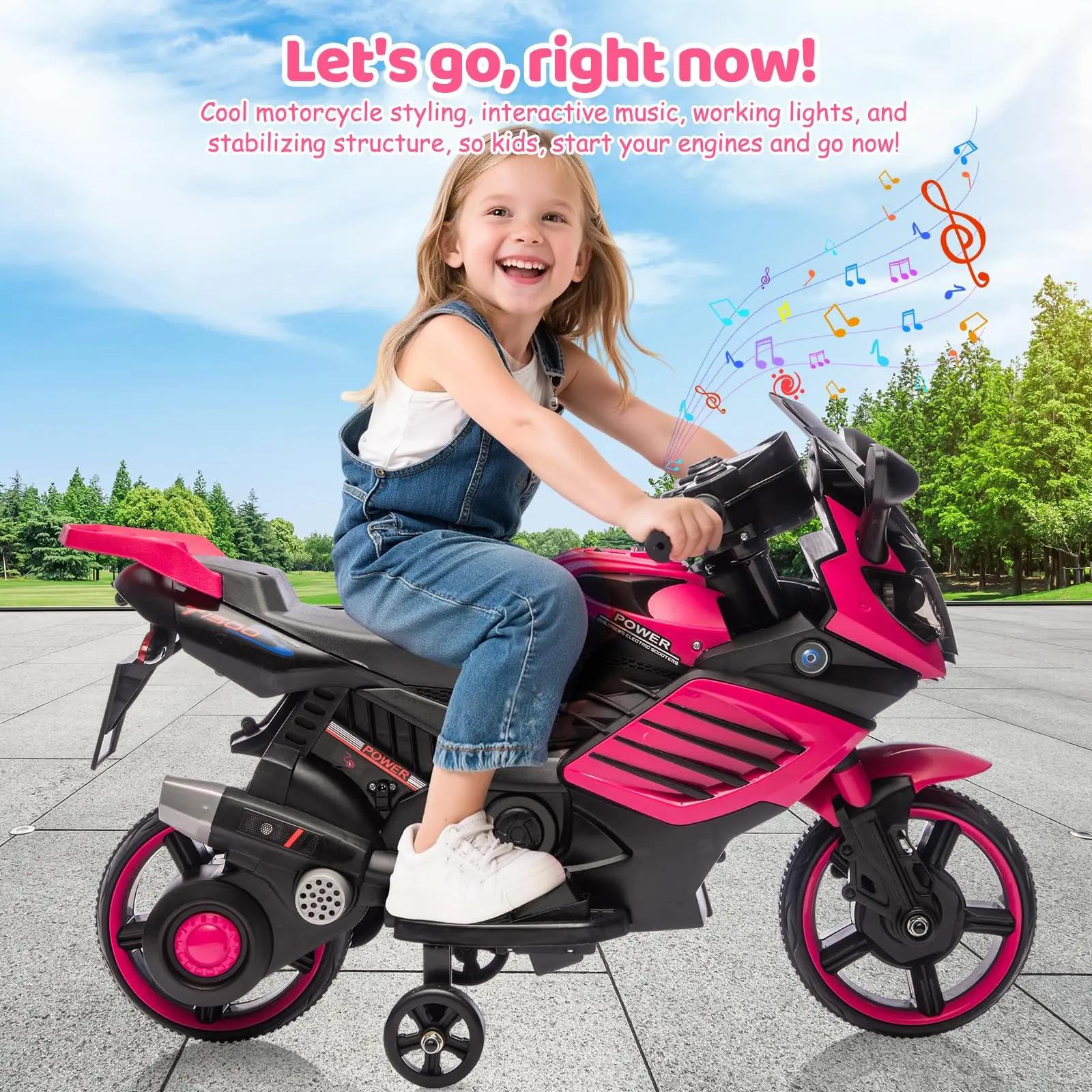
6V Kids Ride On Motorcycle Electric Toddler Motorbike With Training Wheels,…
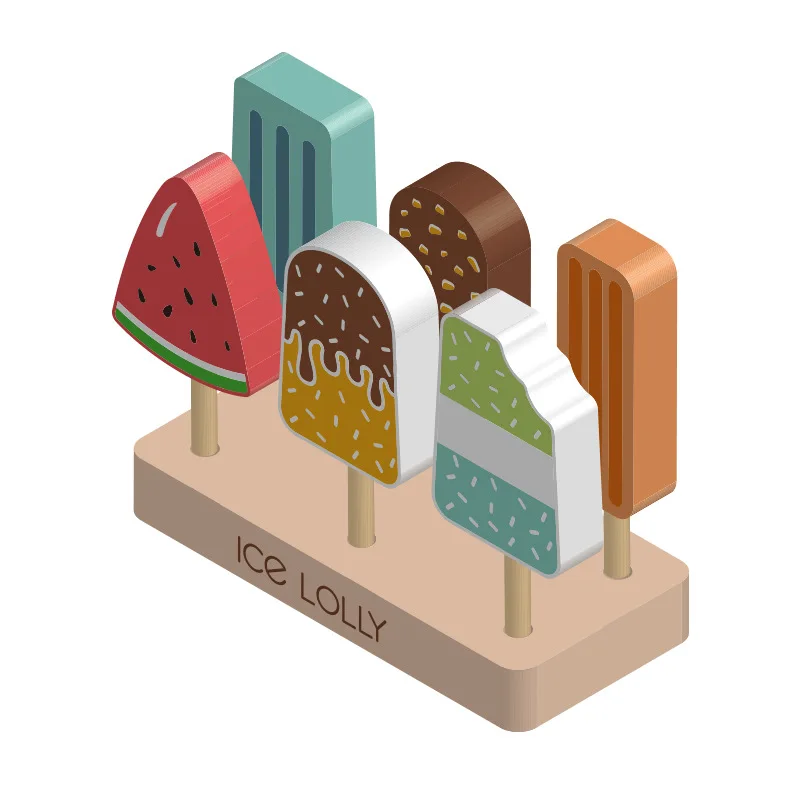
Wooden Montessori Ice Cream Toys Toddlers Pretend Play Simulation Food Game…
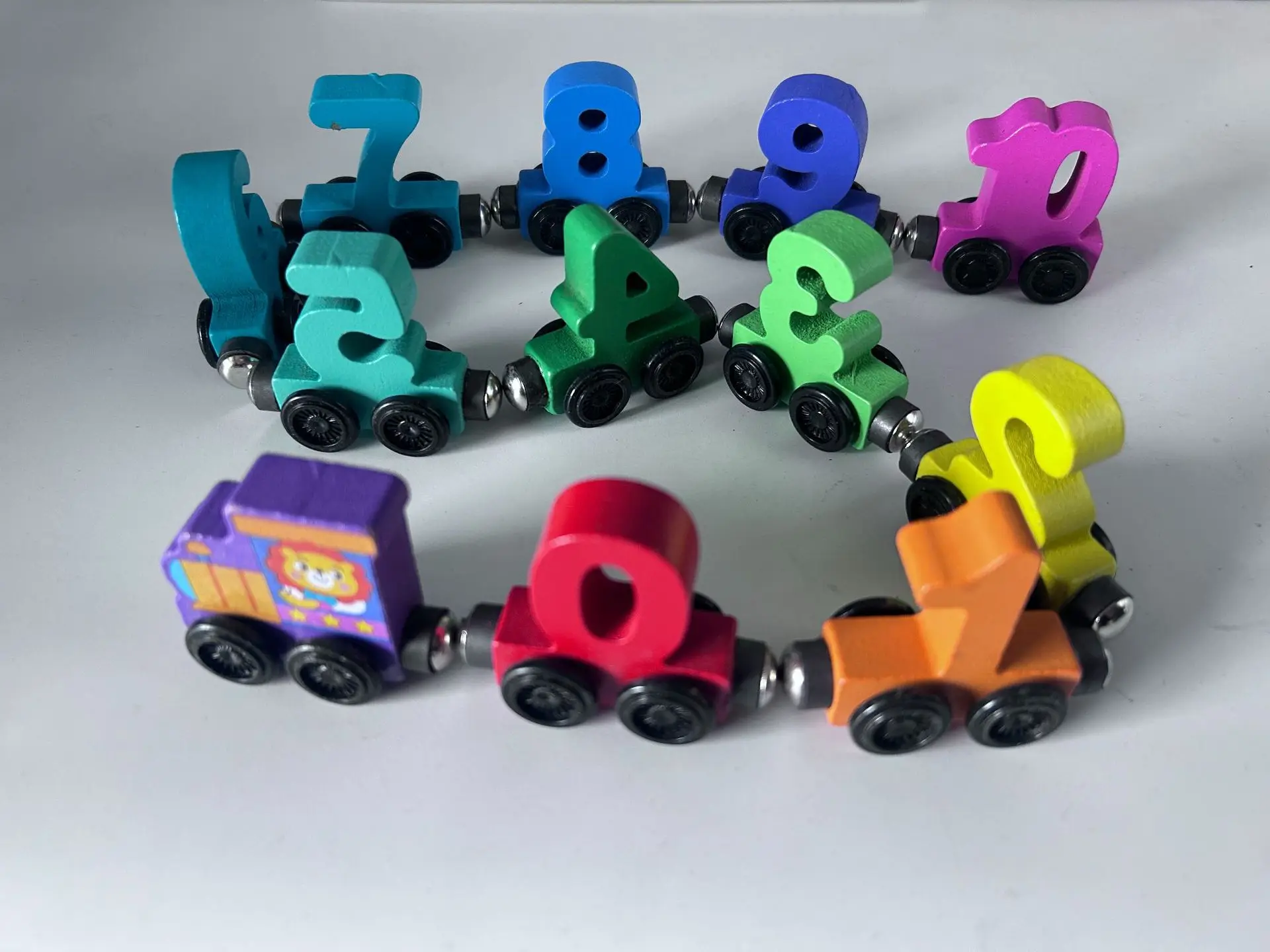
Wooden Magnetic Number Train Set | Educational Building Blocks | Logical Br…
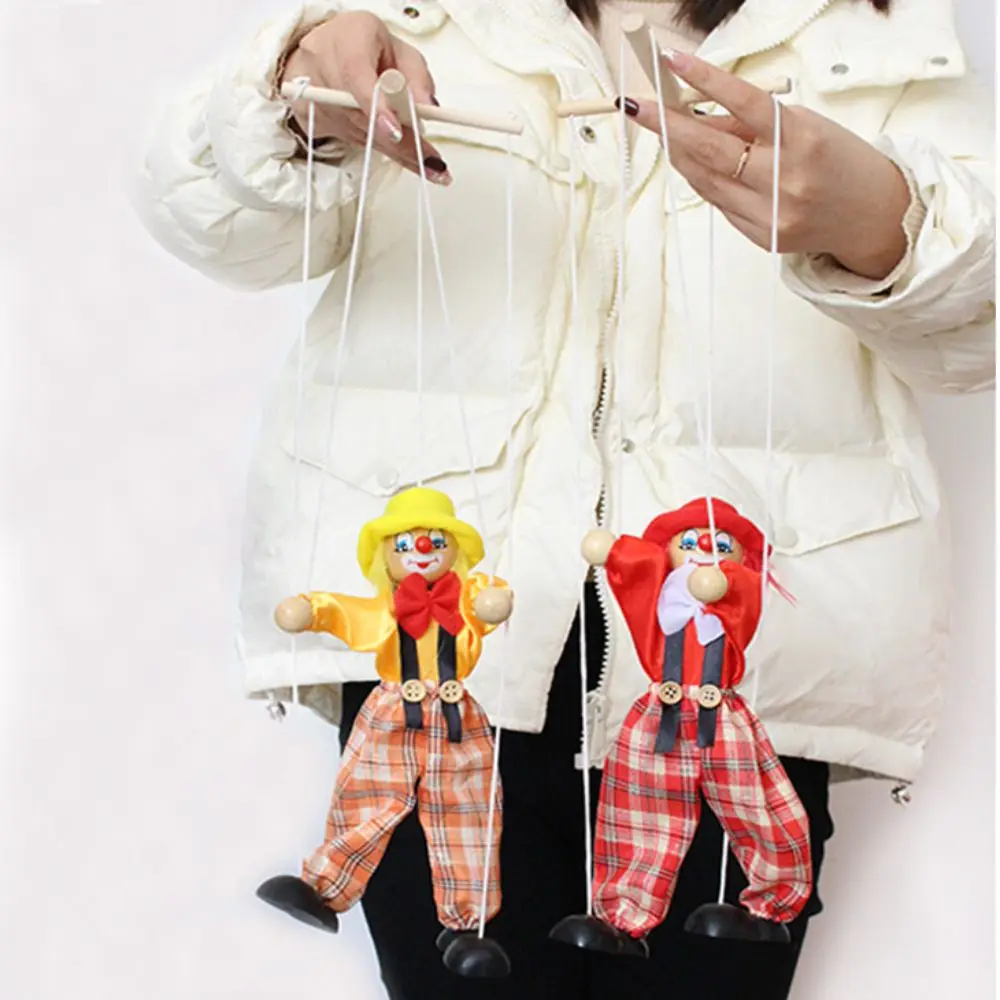
High Quality Wooden Toddlers Puppet Toy Portable Durable Pull Rope Doll Bir…
Affiliate links — we may earn a commission at no extra cost to you. Learn more.
Safety notes specific to this stage
- Ride-on toys should be used on flat ground with supervision — this age group is confident but still has limited stopping control.
- Pretend-kitchen accessories (tiny plates, plastic food) should be checked against a small-parts choke test; some toddlers this age still mouth objects occasionally.
- Building sets with 20+ pieces mean more pieces on the floor — a quick sweep after play matters more at this stage, not less.
- Look for a manufacturer age grading of 2+ or 3+ specifically, since some "toddler" toys are actually rated for 18 months and lack the durability for more active two-year-old play.
Full details in our toy safety checklist.
Frequently asked questions
Is it too early for pedal ride-on toys at age two?
It depends entirely on the individual child’s coordination. Some toddlers pedal confidently by 28 months, while others are closer to three. A ride-on toy that also works as a push toy (feet-on-the-ground) until pedaling clicks is usually the safer bet.
How many puzzle pieces should a 2-year-old’s puzzle have?
Most 2-year-olds do well with 4 to 9 large, chunky pieces, often with knobs for easier gripping. By closer to age 3, many children are ready for 12- to 20-piece puzzles without knobs.
My toddler ignores expensive toys but loves boxes and pots. Is that normal?
Very normal, and not a sign the toy was a bad choice. Open-ended objects like boxes let a toddler assign their own meaning, which is exactly the kind of imaginative play this age is built for. Keep both kinds of toys available.
What safety marks should I look for on toy packaging?
In the US, look for compliance with CPSC small-parts rules and, often, an ASTM F963 reference on the packaging or manufacturer listing. Neither guarantees safety on its own, so it's still worth checking size, edges, and construction yourself, especially for toys from unfamiliar online sellers.
How do I handle two toddlers fighting over the same toy?
Expect it at this age rather than treating it as unusual. Duplicate copies of popular toys, a visible turn-taking timer, and calmly narrating what's happening tend to help more than expecting toddlers to sort it out fairly on their own, since that sense of fairness is still developing.