Photo: Unsplash
Baby registries can balloon past 200 items fast, and a lot of what's on the "recommended" list from any given store is there because it sells, not because most families end up using it. Here's a category-based checklist split into what's genuinely essential, what's worth considering, and what tends to get returned or gather dust. The goal isn't to talk you out of anything you genuinely want, it's to help you spend your energy and your guests' generosity on the categories that actually get used every day, rather than items that look appealing in a store aisle but end up unopened in a closet six months later.
The real essentials
- A safe sleep space — crib, bassinet, or approved co-sleeper that meets current safety standards, plus a firm, fitted mattress sheet.
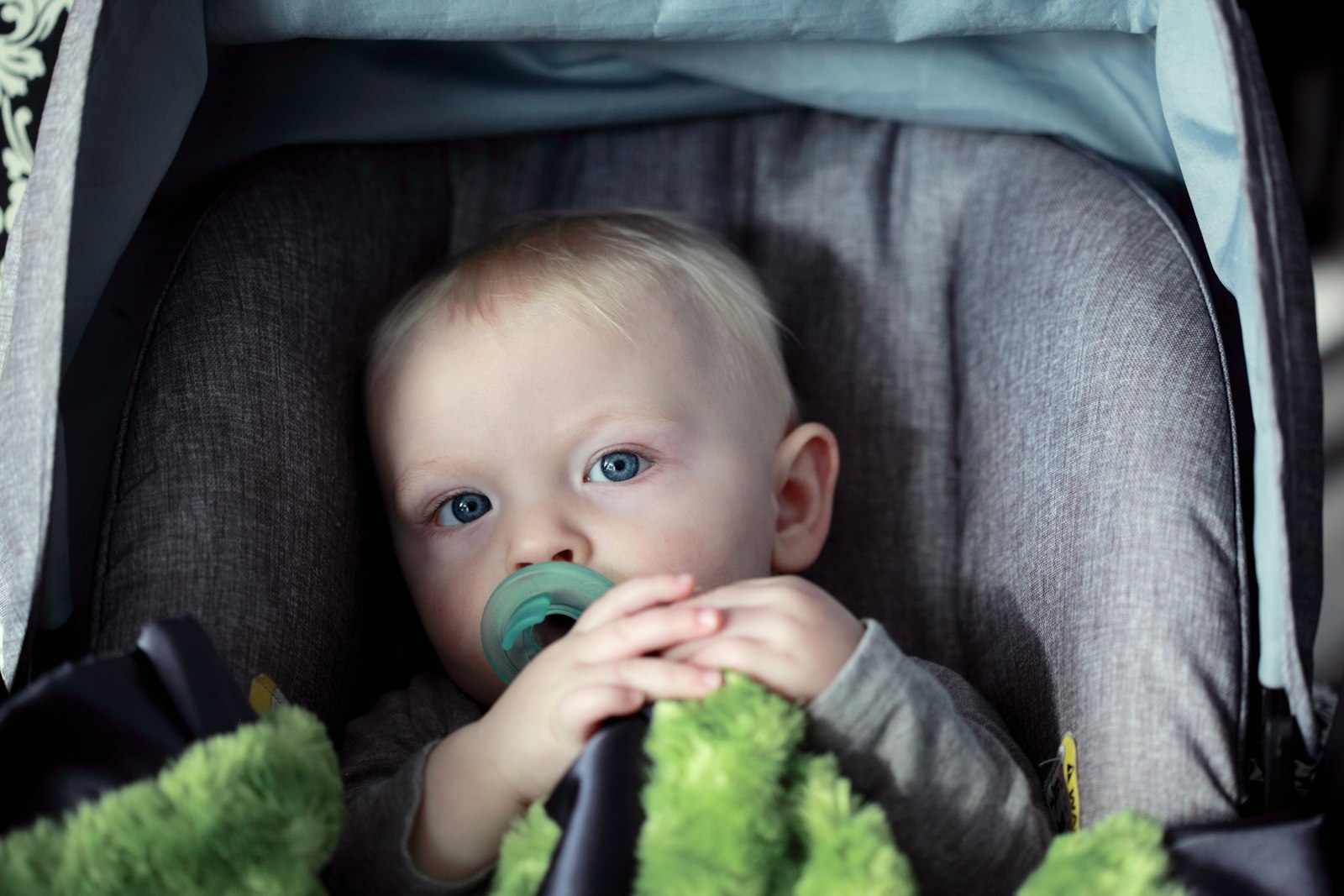
- A rear-facing infant car seat — non-negotiable before you can leave the hospital by car; check your specific vehicle's compatibility before buying. See our convertible car seat guide for when to size up.
- Feeding basics — bottles and a manual or electric pump if bottle- or combo-feeding, or simply nursing supplies if exclusively breastfeeding.
- Diapering supplies — diapers in newborn and size 1, wipes, and a changing pad; you don't need a dedicated changing table.
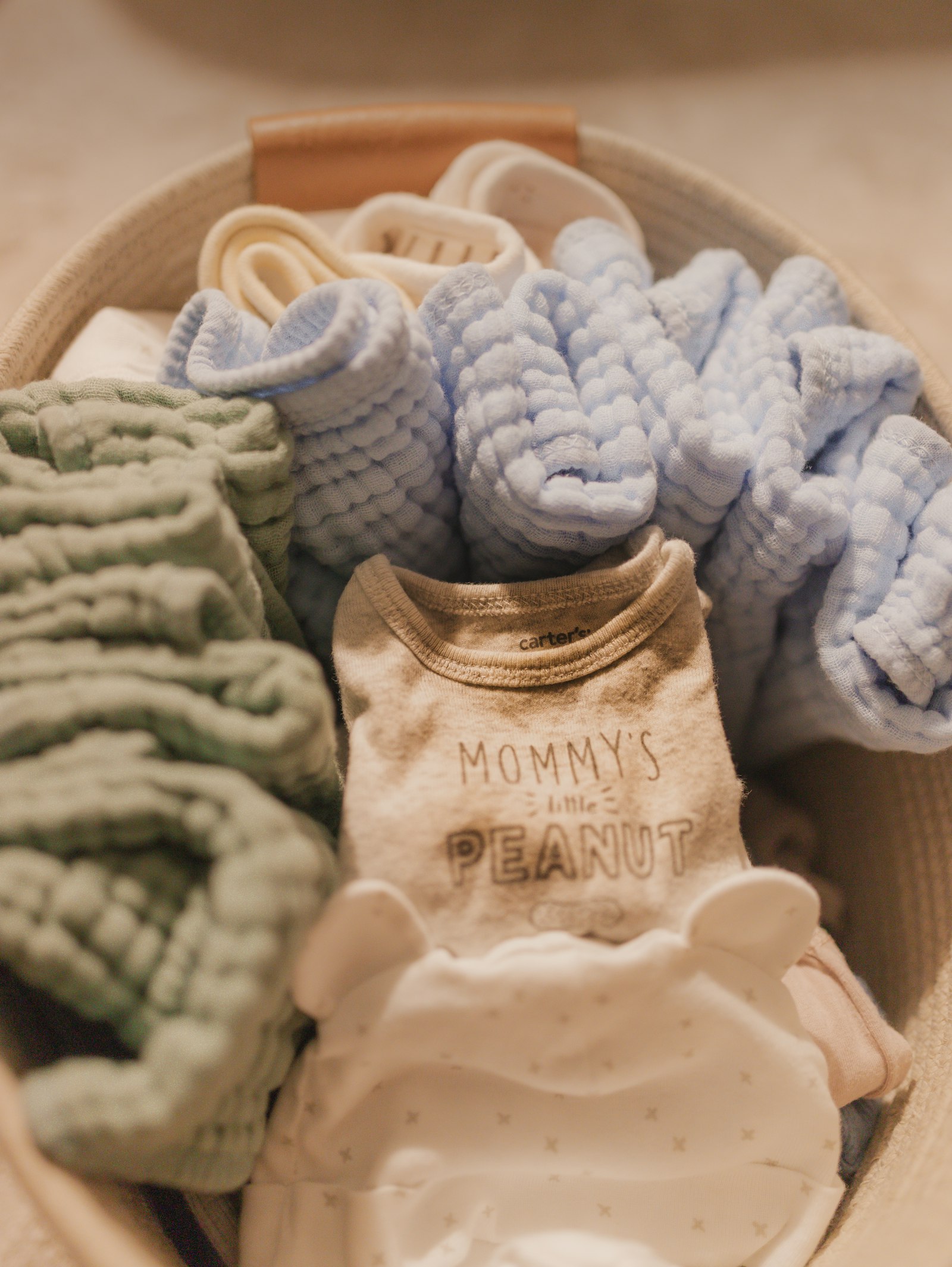
- A handful of weather-appropriate outfits in newborn and 0–3 month sizes — babies outgrow sizes fast, so resist buying too much at once.
- A baby carrier or wrap — genuinely useful from week one for most families, not just a "nice to have."
Worth considering
These aren't strictly required, but many families find real value in them:
- A stroller that fits your actual lifestyle (city walking vs. jogging vs. frequent car trips all favor different designs).
- A baby monitor, especially in a larger home or multi-story layout.
- A high chair for when solids start, and a baby gate once your baby starts crawling toward stairs.
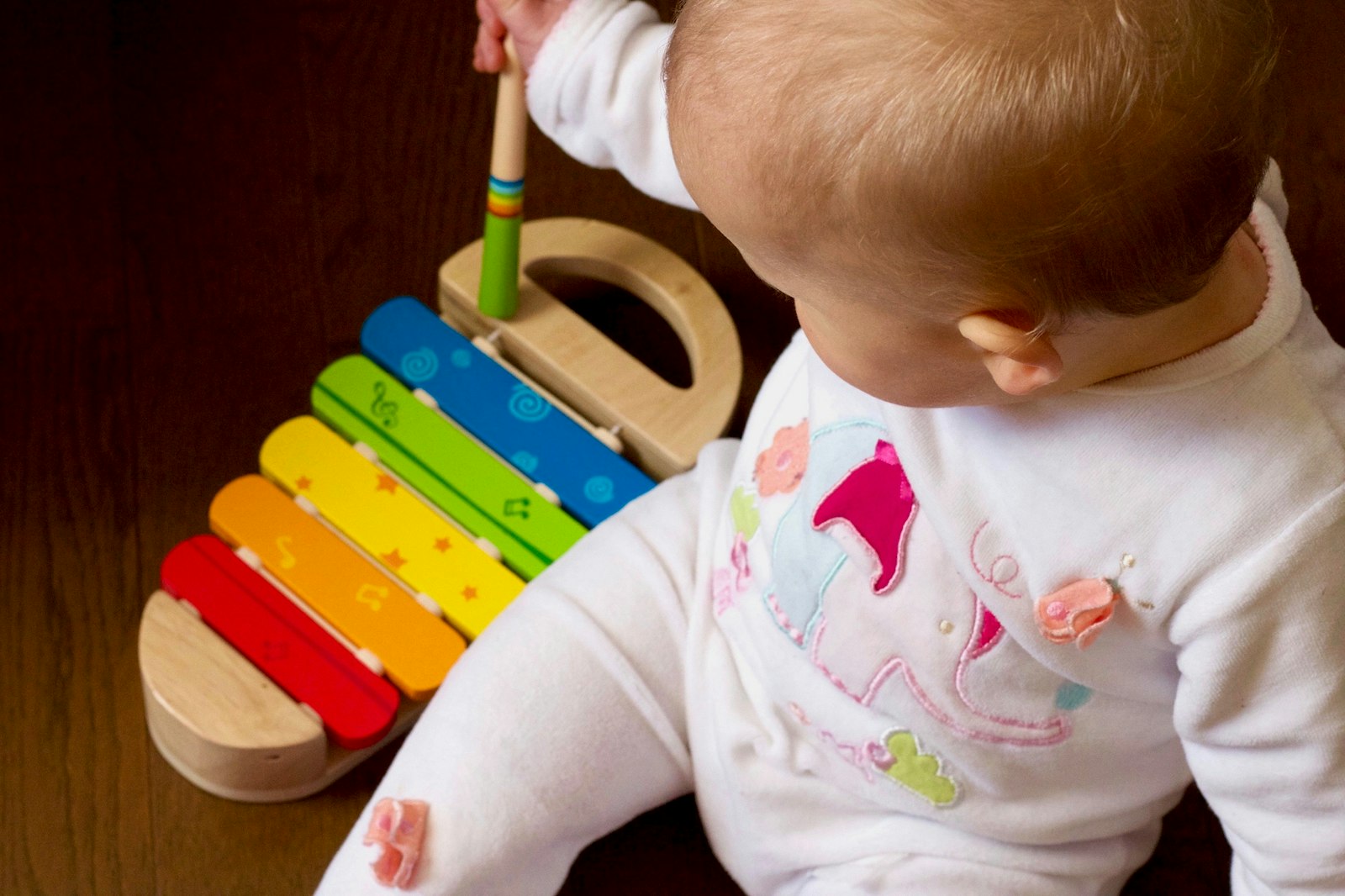
- A few age-appropriate toys — see our 0–6 month toy guide for what actually matches this stage.
- A diaper bag, though a regular backpack works just as well for many parents.
Items registries oversell
Not everything marketed as essential earns a permanent spot in most homes:
- Wipe warmers — a comfort item, not a necessity; many parents skip it entirely without issue.
- Full nursery furniture sets — often cheaper and just as functional bought piece by piece.
- Newborn-specific shoes — babies who aren't walking don't need them; socks or footed sleepers do the job.
- Bottle sterilizers — boiling water or a dishwasher's sanitize cycle accomplishes the same thing for most households.
Timing your registry around baby showers and due dates
When you start a registry matters almost as much as what's on it. Setting one up early in the second trimester, even before you've settled every detail, gives family and friends planning a baby shower plenty of lead time and gives you room to add items as you learn more about what you actually need. It's worth revisiting the registry a few weeks before a shower to remove anything you've since decided against or already received as a hand-me-down, since an outdated registry leads to duplicate gifts. After the shower, keep the registry open rather than closing it immediately — many stores let guests who couldn't attend, or who want to send a later gift, purchase directly from an open registry for weeks or months afterward, and some retailers offer a completion discount on remaining items closer to the due date.
Registering for the right sizes and quantities
A common registry mistake is over-ordering newborn-size clothing, which many babies outgrow within a matter of weeks — sometimes before it's even been worn. It's generally smarter to register for a range of sizes weighted toward 0-3 and 3-6 months rather than stocking up heavily on newborn sizing, and to lean on gift receipts or store credit for anything that doesn't fit in time. The same logic applies to diapers: registering for a case or two of newborn-size diapers is reasonable, but adding larger future sizes to the registry (or asking for a diaper subscription gift card instead) avoids ending up with cases of a size your baby has already grown out of by the time they arrive as gifts. For anything you're unsure about — a specific bottle brand, a particular baby food system — it's often better to add just one or two to test before asking for a full case as a gift.
Building your registry in priority tiers
Rather than adding items randomly as they come to mind, it helps to work through your registry in tiers, starting with what you need on day one and working outward. Tier one covers sleep, car seat, and feeding basics: the things that matter before your baby even leaves the hospital. Tier two covers the first few weeks at home, including diapering supplies, a carrier, and enough clothing to get through the newborn stretch. Tier three covers the first few months, such as a high chair, monitor, and toys matched to early development. Building the list this way also makes it easier to explain priorities to family members who ask what you actually need, since you can point them toward whichever tier still has gaps rather than a single undifferentiated wall of items.
Splitting a registry across more than one store
Many parents register at more than one retailer to take advantage of different return policies, price ranges, or completion discounts, and most registry platforms make this easy with browser extensions that let you add items from almost any website to a single master list. The tradeoff is that guests sometimes find a split registry confusing, so it helps to clearly note on your shower invitation or registry page which store to check first, and to keep the split simple, generally two stores rather than four or five. Some families use one big-box registry for larger items like a car seat or stroller and a second, smaller registry at a baby specialty store for items like carriers or feeding gear where selection and expertise matter more.
Common registry mistakes
- Registering for too many "cute" items and not enough function. Decorative nursery items are nice but rarely used daily; feeding and sleep gear are used constantly.
- Ignoring your specific living situation. A stroller great for suburban driveways may be a poor fit for apartment stairs and public transit, and vice versa.
- Not asking for gift cards or cash funds. Some of the most useful purchases, like diaper subscriptions or postpartum help, don't fit neatly into a traditional product registry.
- Assuming you'll need everything at once. Items for six months from now can often wait, freeing up early gift-giving for what's needed immediately.
Registering for a second or third baby
Parents expecting a second or later child sometimes feel awkward creating a full registry again, but it's a reasonable thing to do, especially if the new baby is a different sex than an older sibling, arrives after several years, or if key safety items have simply aged out. Car seats and cribs have expiration dates printed on them for a reason, materials degrade and safety standards get updated, so a car seat from years earlier may no longer meet current guidance even if it looks fine. A smaller, more targeted registry focused on what's genuinely needed again, rather than a full repeat of the first one, tends to feel more comfortable for both the parents and the guests attending a smaller "sprinkle" shower for a subsequent baby. It's also worth walking through gently used items from an older sibling piece by piece rather than assuming everything is still safe or usable, since fabric wears, foam compresses, and buckles can weaken with years of use even when nothing looks obviously broken to the eye at first glance, so a quick, honest inspection is worth the ten minutes it takes.
Buying secondhand safely
- Never buy a used car seat unless you know its full crash and recall history.
- Check any crib, bassinet, or play yard against current safety standards — older models are sometimes recalled after the fact.
- Wash all secondhand fabric items before use.
- Skip secondhand breast pump parts that touch milk directly, even if the motor itself is fine to reuse.
Safety standards worth knowing before you buy
A few baby products are governed by specific safety standards that changed meaningfully in recent years, so it's worth confirming current compliance rather than assuming any product on a store shelf automatically meets today's rules. In the United States, crib slat spacing, drop-side rails (now banned), and bassinet weight limits are all regulated by the Consumer Product Safety Commission, and the CDC publishes general safe sleep guidance that's worth reviewing alongside any specific product's manual. Car seats sold in the US must meet Federal Motor Vehicle Safety Standard 213, and every seat has an expiration date, typically six to ten years from manufacture, stamped or printed on the shell. Registering for items that meet current standards, rather than assuming a hand-me-down or older model is automatically fine, is one of the simplest ways to reduce risk during the newborn stage.
What to add for the postpartum parent, not just the baby
Registries understandably focus heavily on gear for the baby, but a growing number of parents also add items for their own recovery, and most major registry platforms now support this directly. Postpartum recovery supplies (padsicles, peri bottles, comfortable underwear), a good nursing pillow or supportive chair, prepared or freezer-friendly meals, and even a cleaning service gift card are all reasonable additions. Guests, especially those without young children themselves, are sometimes unsure what a new parent actually needs beyond baby items, and seeing these included on a registry gives them a concrete, appreciated way to help with the parent's own recovery rather than only the baby's needs.
Frequently asked questions
How early should I start a baby registry?
Many people start around the end of the first trimester, once they're comfortable sharing the news, which leaves plenty of time for showers and sales. There's no wrong time, though — some finish theirs in a single weekend closer to the due date.
Is it safe to buy a used car seat?
Generally not recommended unless you know its full history. Car seats have expiration dates, can be recalled, and may have hidden crash damage that isn't visible. If cost is a concern, many communities have car seat loan or low-cost programs worth checking first.
Do I need a separate bassinet and crib?
Not necessarily. Many families use a bassinet or approved co-sleeper near their bed for the first months, then transition to a crib, but a crib alone from day one is also completely fine as long as it meets current safety standards.
What if I get duplicate gifts from my registry?
Most stores make returns and exchanges from a registry straightforward, often without a receipt since the purchase is tied to your registry account. It's worth checking the specific return window and policy for each store you register at, since some offer extended windows for registry items compared to standard purchases, which is especially helpful for gifts received well before your due date.
Should I register for name-brand items or is generic fine?
For most categories, generic or store-brand versions perform just as well as name brands, and the price difference can be significant across dozens of items. The exceptions worth spending more on tend to be items with real safety implications, such as car seats and cribs, where sticking to well-reviewed, safety-certified options matters more than brand name recognition alone.