Photo: Pexels
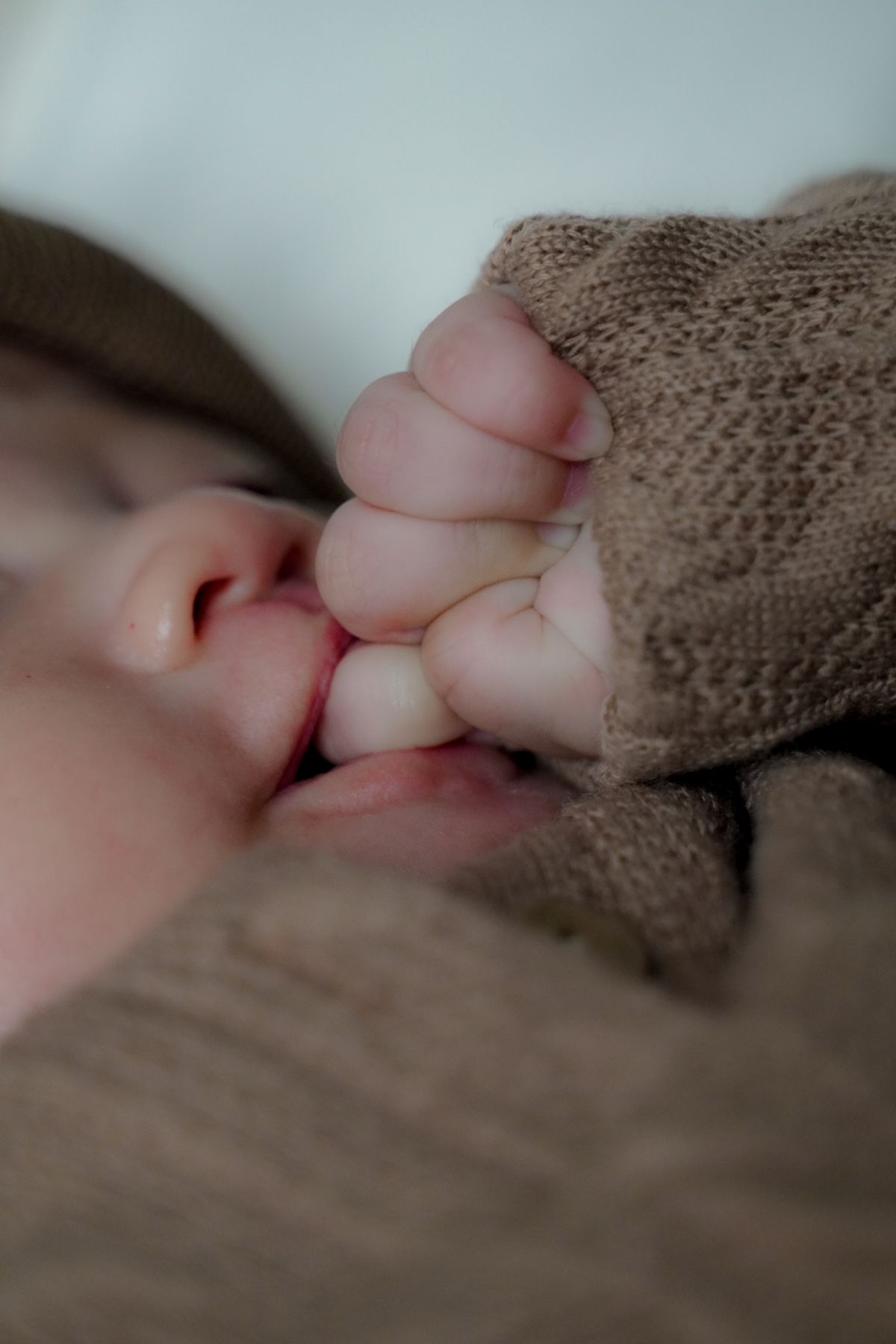
Thumb sucking and pacifier use both come from the same place: a baby's natural sucking reflex, present from birth, that provides genuine comfort and self-soothing well beyond just feeding. Neither is a bad habit in the early years — the real question isn't whether to allow it, but when and how to help a child eventually let it go.
Parents often feel pulled in two directions on this one: worried about stopping too soon and taking away a genuinely comforting tool, and worried about waiting too long and letting a habit become harder to break. Both concerns are reasonable, and the good news is that the timeline is more forgiving than it feels in the moment, with plenty of room to adjust the approach as your child grows and their own needs change.
Why it's actually fine — even helpful — early on
Sucking is one of the most effective, reliable ways a young baby can self-soothe, and pacifier use in particular has real evidence behind it: the American Academy of Pediatrics notes that pacifier use during sleep is associated with a reduced risk of SIDS, likely because it affects breathing and arousal patterns during sleep in a protective way. There's no reason to discourage either habit in infancy — it's a normal, healthy part of self-regulation at this age, and one worth letting your baby lean on freely during the newborn and early infant months.
When it starts to become worth addressing
Most pediatric dentists point to somewhere between ages 2 and 4 as the window where continued intense sucking can start to affect the alignment of teeth and the shape of the roof of the mouth, especially with a habit that's frequent and vigorous rather than occasional and light. There's no single universal cutoff — a dentist can assess your specific child's mouth and give a more precise read than a general age range. Before that window, there's little reason to actively intervene.
Why pacifiers are usually easier to wean than thumbs
A pacifier is a physical object you control — you can limit when it's available, gradually reduce access, or simply not replace it when it's lost. A thumb is always available, which makes it a harder habit to interrupt through simple access control and often means it takes more active behavioral strategy to address, especially once a child has relied on it for years.
- Limit before eliminating. Restrict the pacifier or thumb-sucking to specific times and places first — home only, then bedtime only — before removing it completely, rather than stopping everywhere at once.
- Use positive reinforcement. A simple sticker chart or small reward for pacifier-free stretches works well for many kids, especially once they're old enough (usually 3+) to understand and want to participate in the goal.
- Make it a "big kid" milestone. Framing it as something the child is choosing and ready for — sometimes with a small ritual like giving pacifiers to a younger baby, a "pacifier fairy," or trading them in for a special toy — often works better than simply confiscating them.
- Address thumb-sucking with awareness-building, not punishment. Since a thumb can't be physically removed, gentle reminders, a bandage or glove at night as a physical cue (only with a dentist's guidance), and praising thumb-free stretches tend to work better than scolding, which can add stress that sometimes increases the self-soothing behavior instead of reducing it.
What if nothing seems to work?
For a small number of kids with a particularly stubborn habit past the point a dentist is concerned about, a dental appliance designed to make sucking less satisfying can be used as a last resort — but this is a specific clinical recommendation, not a first-line home strategy, and should come from a pediatric dentist evaluating your child directly rather than something to try preemptively on your own.
Signs your child might actually be ready
Weaning tends to go more smoothly when it lines up with a child's own readiness rather than a parent-picked date on a calendar. A few signs worth watching for: your child talks about being a "big kid" unprompted, shows interest in a sibling or friend who doesn't use one, goes noticeably longer stretches without asking for it on their own, or responds well to the idea when you first bring it up rather than immediate distress. None of these are required before starting, but weaning attempted during a genuine readiness window tends to need far less resistance and backsliding than one forced through on a fixed timeline regardless of how the child is responding.
A realistic timeline once you start
Most successful weaning happens gradually over several weeks rather than in a single dramatic day, and building in a bit of extra patience and comfort during that stretch tends to make the whole process feel less like a battle for everyone involved. A common pattern: a week or two limiting use to naptime and bedtime only, then a week of only bedtime, then a final push to eliminate it entirely — often timed around a low-stress stretch rather than during travel, a new sibling, or another big transition. Expect some regression during illness or major change even after a habit seems fully broken; a temporary return to the pacifier during a rough patch doesn't undo the progress made, it's just a normal part of how these transitions actually go for most kids.
What the dental effects actually look like
The main concern with prolonged, intense sucking is what dentists call an "open bite," where the front upper and lower teeth don't meet properly when the mouth is closed, along with changes to how the roof of the mouth (the palate) forms during growth. These changes happen gradually with repeated pressure over months and years, not from occasional or gentle sucking, which is why intensity and frequency matter more than whether a child does it at all. The reassuring part is that many of these early changes correct themselves once the habit stops, especially if weaning happens before permanent teeth come in, generally around age 6. Changes that persist after permanent teeth have erupted are more likely to need orthodontic attention later.
Choosing and using a pacifier safely
A one-piece pacifier design, without small parts that could detach, is the safer choice, and checking regularly for cracks, tears, or stickiness in the material is worth building into a routine, replacing it well before it looks worn out. Sizing matters too: pacifiers are typically sold in age-based sizes, and an oversized or undersized one can affect both comfort and, over time, dental positioning. Never tie a pacifier around a baby's neck or attach it to a cord long enough to wrap around anything, since this is a strangulation risk; short pacifier clips designed specifically for this purpose, attached to clothing rather than worn around the neck, are the safer alternative for keeping track of a pacifier on the go.
Handling peer comments and social pressure
Once a child is a bit older, comments from other kids, or a general awareness that "big kids don't use pacifiers," can become part of what motivates weaning, for better or worse. It's worth being sensitive to whether this awareness is coming from genuine readiness or from feeling singled out or embarrassed, since shame-based motivation tends to create more anxiety around the process than it needs to. Framing the conversation around what your child is choosing and gaining, rather than what they're being told to give up because of what others think, tends to produce a steadier, less emotionally fraught transition.
Common mistakes during weaning
- Removing it cold turkey during a hard week: starting a big transition alongside illness, a move, or a new sibling stacks too much change at once and often backfires.
- Shaming or punishing the behavior: this tends to increase anxiety, which paradoxically increases the urge to self-soothe through the very habit you're trying to reduce.
- Inconsistency between caregivers: if one parent allows it and another doesn't, or grandparents quietly hand over a pacifier that was supposed to be gone, the mixed signal slows things down considerably.
- Cutting off a thumb-sucking habit without an alternative comfort strategy: since a thumb can't be taken away like an object, offering a replacement soothing tool (a soft toy, a specific bedtime routine) helps fill the gap the habit was serving.
Myths about thumb sucking and pacifiers
"A pacifier will ruin a baby's teeth no matter what" overstates the risk for infants and young toddlers, since dental concerns arise mainly with prolonged, intense use well past the toddler years, not from typical use in the first year or two. "Thumb sucking means a child is anxious or insecure" isn't accurate either; it's a normal self-soothing reflex present from before birth in many babies, not a sign of an underlying emotional problem. And "you have to use a bitter-tasting product to break the habit" isn't the first-line recommendation from pediatric dentists, who generally favor positive reinforcement and gradual limiting before reaching for aversive products, which can also just make the whole process feel more stressful for a young child.
When to talk to a dentist or pediatrician
Bring it up at your child's first dental visit, generally recommended around their first birthday or when the first tooth appears, so a professional can start tracking any early changes as part of routine care rather than waiting for an obvious problem to appear. It's specifically worth raising sooner if you notice a visible gap forming between the upper and lower front teeth, difficulty pronouncing certain sounds, mouth breathing, or if the habit is unusually vigorous and frequent for your child's age. The American Academy of Pediatric Dentistry and the American Academy of Pediatrics, whose general guidance is summarized at HealthyChildren.org, both offer additional reading if you want more detail before or after that first visit.
Frequently asked questions
Is it too late to start weaning at age 4 or 5?
No — while earlier is generally easier, it’s never too late to work on it. A pediatric dentist can advise on urgency based on how the teeth and palate actually look, but weaning strategies work at any age, just sometimes with more patience needed for a longer-established habit that's had more time to become a deeply ingrained comfort routine.
Does thumb sucking or pacifier use cause the same dental effects?
Both can affect tooth and palate alignment with prolonged, intense use, though a pacifier is generally considered somewhat easier to manage since it can be physically limited or removed, unlike a thumb, which is always available to a child.
My toddler only uses the pacifier at naptime — is that still a problem?
Use limited to sleep times is generally lower-concern than all-day use, since total time and intensity matter more than any single instance. It’s still worth mentioning at a dental check-up around age 2-3 so a professional can weigh in on your specific child.
Should I let my baby use a pacifier if we're also breastfeeding?
Most pediatricians suggest waiting until breastfeeding is well established, generally around three to four weeks, before introducing a pacifier, to avoid any interference with latch and milk supply during the early adjustment period. After that, there's no evidence pacifier use undermines an established breastfeeding relationship.
Will using a bitter nail polish or bandage on the thumb work?
These can help for some children as a physical reminder, especially at night, but they work best alongside positive reinforcement rather than as a standalone fix, and are generally recommended with a dentist's input rather than as a first thing to try alone.