Photo: Unsplash
Toy trend reports for 2026 are pointing at a handful of clear, repeated themes rather than one single breakout product — which is actually useful, because it means the underlying appeal (creativity, calm, nostalgia) is more durable than any specific item. Here's what's genuinely trending, and which of it is worth spending real money on.
The trend, in one line
Toy industry coverage of 2026 keeps circling back to four themes: "Forever Young" (nostalgia), "Cozy Culture" (calm, comfort-oriented play), "Inspiring Inventors" (open-ended creative building), and "Express Yourself" (personalization and collectibles). Underneath the marketing labels, the pattern is straightforward — parents are gravitating toward toys that reward imagination over toys that do the entertaining for the child.
What's actually driving demand this year
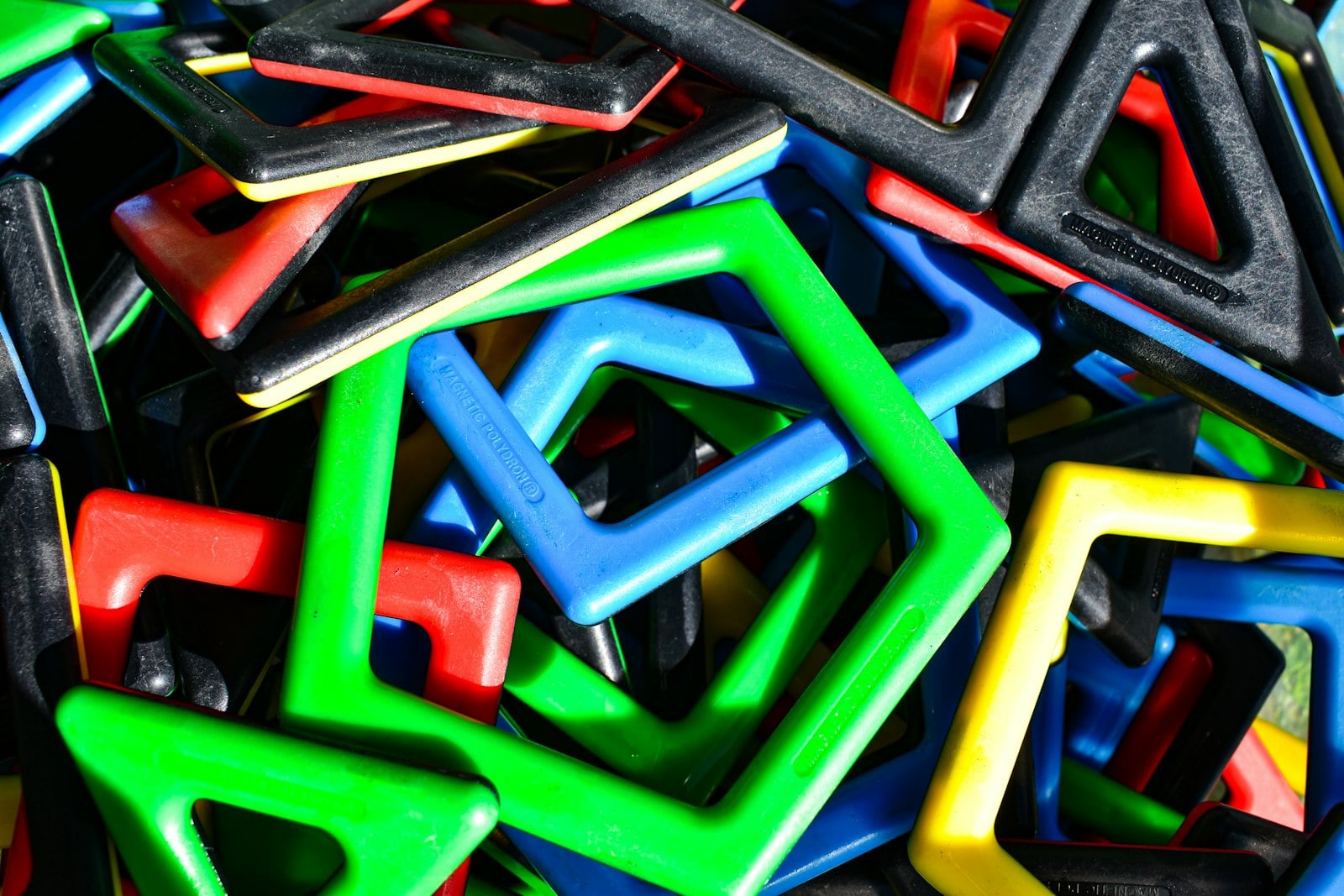
- Magnetic building tiles — genuinely one of the most consistently recommended toy categories for 2026, spanning toddlers through elementary-age kids depending on set complexity.
- A 2000s nostalgia surge — a well-documented spike in search interest for early-2000s-era toys, driven partly by millennial parents buying for their own kids and partly by teens embracing the aesthetic independently.
- Collectible and fandom-tied toys — character-driven lines tend to spike around major film and show releases, which makes them more predictable than most trend cycles but also more likely to fade once the associated release cycle ends.
- Comfort-oriented play — plush and "cozy" toys aimed at calm-down time and emotional regulation, not just cuddling, reflecting the broader 2026 mental-health-forward parenting trend.
The "smart toy" trend deserves extra scrutiny
Alongside the four broader themes, app-connected and AI-adjacent "smart" toys keep showing up in trend coverage, and they're worth evaluating more critically than a simple building set. Before buying one, it's worth checking what data the companion app collects, whether the toy still functions if the company's servers or app support are discontinued down the line, and whether the "smart" features add genuine play value or just a screen dependency dressed up as a toy. A number of these products have a much shorter useful life than a well-made physical toy, since they rely on ongoing software support that isn't guaranteed.
Stretching a gift budget without chasing every trend
Buying into every trending category adds up fast, especially heading into a gift-heavy season. A more sustainable approach is picking one or two categories that genuinely match your specific child's interests and going a bit higher quality there, rather than buying a little of everything. Coordinating with grandparents and other gift-givers ahead of time — sharing a short wish list organized by category — also helps avoid duplicate gifts and toys that don't match what your child is actually into this year.
Secondhand and resale are increasingly realistic options
For toy categories with strong resale communities — magnetic building tiles and classic building-block systems especially — secondhand marketplaces and local buy-nothing groups are a genuinely practical way to try a trending category at lower cost, and to resell it later if interest fades. This works less well for character-driven collectibles, which tend to lose resale value quickly once the associated show or film cycle ends.
Making trending toys last past the trend cycle
Simple toy rotation — keeping part of a large set put away and swapping it in every few weeks — tends to extend genuine interest in open-ended toys far longer than leaving everything out at once, since novelty rather than total toy count is often what drives renewed engagement. This is particularly effective for large building-tile or block sets, where a small held-back "new" addition can refresh play without any additional purchase.
What's actually worth buying
Not every trending category is a good purchase just because it's popular. Here's a rough filter:
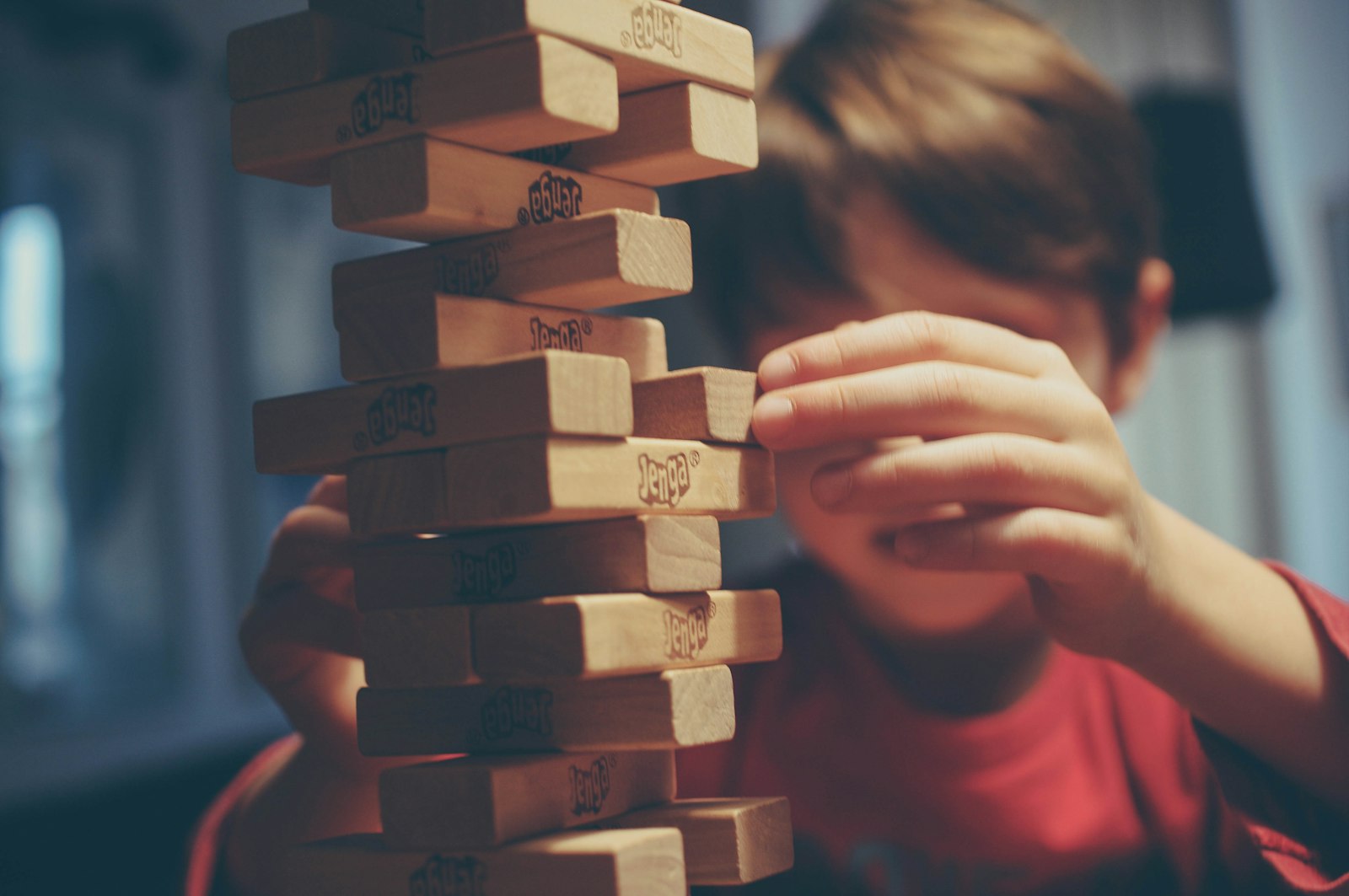
- Worth it: open-ended building toys (magnetic tiles, classic block sets) — these have genuine developmental value and hold a child's interest well past the trend cycle, since the play pattern doesn't depend on a specific character or storyline.
- Worth it if your child already loves the property: collectible and fandom toys — fine as a birthday or holiday gift for a genuine fan, less worth chasing purely because it's trending.
- Skip unless it's a specific request: pure nostalgia reissues bought for the parent's own memory rather than the child's actual interest — a common trap this particular year given how strong the 2000s-nostalgia marketing push is.
How to actually read a toy's age recommendation
Age labels on toy packaging are a safety standard, not a difficulty rating, and mixing those two up is one of the most common toy-buying mistakes. A "3+" label usually means the toy has been tested against choking-hazard rules for children under three, not that a three-year-old will find it engaging or that a two-year-old definitely shouldn't touch it under supervision. When a toy has small magnets, button batteries, or parts under about 1.25 inches, the age label is doing real safety work and is worth following strictly, especially in a household with both older and younger kids sharing space. When the label is more about attention span or fine motor skill than physical hazard, there's more room for judgment based on your own child.
A toy safety checklist before you buy anything trending
- Check for a small-parts warning and take it seriously if there's a younger sibling in the house, even if the toy is meant for the older child.
- For anything with magnets: confirm the pieces are large enough to not be a swallowing risk, and know that swallowing multiple small magnets is a medical emergency that can require surgery, not just a choking scare.
- For anything battery-powered: check that the battery compartment requires a screwdriver or tool to open, not just a firm push.
- Check for a recall before buying secondhand — the Consumer Product Safety Commission's database is searchable by product name in under a minute.
- Read a handful of real buyer reviews specifically for durability, since trending toys sometimes ship in a rush and quality can vary between production runs.
Common toy-buying mistakes worth avoiding
A few patterns come up every gift season regardless of what's trending. Buying the biggest version of a set instead of starting smaller is one: a child who hasn't played with magnetic tiles before doesn't need the 200-piece mega set on the first try, and a smaller starter set is both cheaper and a better way to gauge real interest before committing more money. Another common mistake is buying for the trend instead of the child specifically — a toy that's everywhere in gift guides this year isn't automatically right for your child's temperament, attention span, or current interests. A third is skipping the manual or setup video for anything electronic, which often means the toy gets used at a fraction of its actual capability and loses interest faster than it should.
Screen-connected toys versus screen-free toys: making the call
Not every "smart" toy is worth skepticism, and not every screen-free toy is automatically better. A reasonable way to sort them is by what the screen or app actually adds. If the companion app is required for the toy to function at all, that's a bigger commitment than a toy where an app is optional and adds a small bonus feature. If the toy still works fully as a physical toy with the app turned off or uninstalled, it's a much safer long-term purchase, since app support for smaller toy companies isn't guaranteed to last. For younger children especially, a toy that doesn't need a screen at all still tends to hold up best for open-ended, imaginative play, which is part of why building toys and simple pretend-play sets remain reliable year over year regardless of what's trending.
Age-by-age: what actually works right now
- Toddlers (1–3): large magnetic tiles, stacking and nesting toys, and simple push-pull toys hold attention best; skip small collectibles and anything with loose small parts.
- Preschoolers (3–5): mid-size building sets, pretend-play kits (kitchen, doctor, tool sets), and simple board games introduce turn-taking and following rules.
- Early elementary (5–8): more complex building sets, beginner craft kits, and character-driven toys tied to a show or book your child already loves tend to get the most actual play time.
- Older elementary (8–12): collectible and trading-card-style toys, more advanced building sets, and hobby-starter kits (art, coding-adjacent building, simple electronics) match this age's growing attention span and interest in mastery.
A real-life scenario: one gift budget, two kids, different interests
A common situation heading into a gift season is one budget split between kids with very different interests, where one wants the trending collectible line and the other wants building toys. Rather than trying to match spending exactly item for item, a more sustainable approach is matching value and attention rather than category: a well-chosen building set that will get daily use for a year is a fair trade against a smaller collectible purchase that satisfies the immediate want, even if the sticker prices don't line up perfectly. Kids notice unequal treatment more than unequal dollar amounts, so a short, honest explanation ("we picked what we thought you'd each use the most") tends to land better than trying to make every gift cost exactly the same. If siblings are close in age, adding one small shared item both kids pick together can also soften any perceived gap without much added cost.
Toy rotation and storage that actually gets used
A rotation system only works if it's easy enough that a tired parent will actually keep doing it past the first week. A simple version: two or three labeled bins, with one bin's worth of toys out at a time and the rest stored out of sight, swapped every few weeks or whenever interest visibly drops. This works especially well for large building-tile and block sets, where holding back a portion of the pieces and reintroducing them later can feel like a "new" toy without any additional purchase. For collectible or fandom toys, a simple display shelf tends to work better than rotation, since part of their appeal is being seen and organized rather than played with hands-on the way a building set is.
Frequently asked questions
Are magnetic building tiles safe for toddlers?
Larger magnetic tile sets are generally fine for toddlers under supervision, but always check the manufacturer’s age grading — smaller magnetic pieces are a genuine swallowing hazard, and swallowed magnets in multiples are a medical emergency, not just a choking risk.
Is the 2000s toy nostalgia trend worth following?
Only if it matches your own child’s actual interest rather than your own nostalgia — a common trap this year is buying a reissued toy because it’s meaningful to the parent, not because the child asked for it or would genuinely play with it.
What’s the single best toy category to actually spend money on in 2026?
Open-ended building toys consistently hold up best — they don’t depend on a specific character license, so interest doesn’t fade once a trend cycle ends, and the play pattern scales in complexity as a child gets older.
How do I know if a "smart" or app-connected toy is worth buying?
Check whether the toy still works as a regular toy with the app uninstalled or turned off. If the core play depends entirely on ongoing app or server support, treat it as a shorter-term purchase than a simple physical toy, since that support isn't guaranteed to last for a smaller company's product line.
Is it worth buying the largest version of a trending toy set?
Usually not on the first purchase. Starting with a smaller set lets you see how much genuine interest your child has before committing more money, and most large building-toy lines let you add on later if the smaller set gets consistent use.