Photo: Pexels
The stub of umbilical cord left after birth looks a little alarming to a lot of new parents — dark, shriveled, and clipped with a small plastic clamp — but caring for it is genuinely simple, and it takes care of itself faster than most people expect.
The basic rule: keep it clean and dry
Modern guidance has moved away from applying rubbing alcohol or other products to the stump — most pediatricians now recommend simply keeping the area clean and exposed to air as much as possible. Sponge baths (rather than full immersion baths) are generally recommended until the stump falls off, since keeping the area dry helps it heal and detach on schedule.
Diaper folding: the one habit that matters most
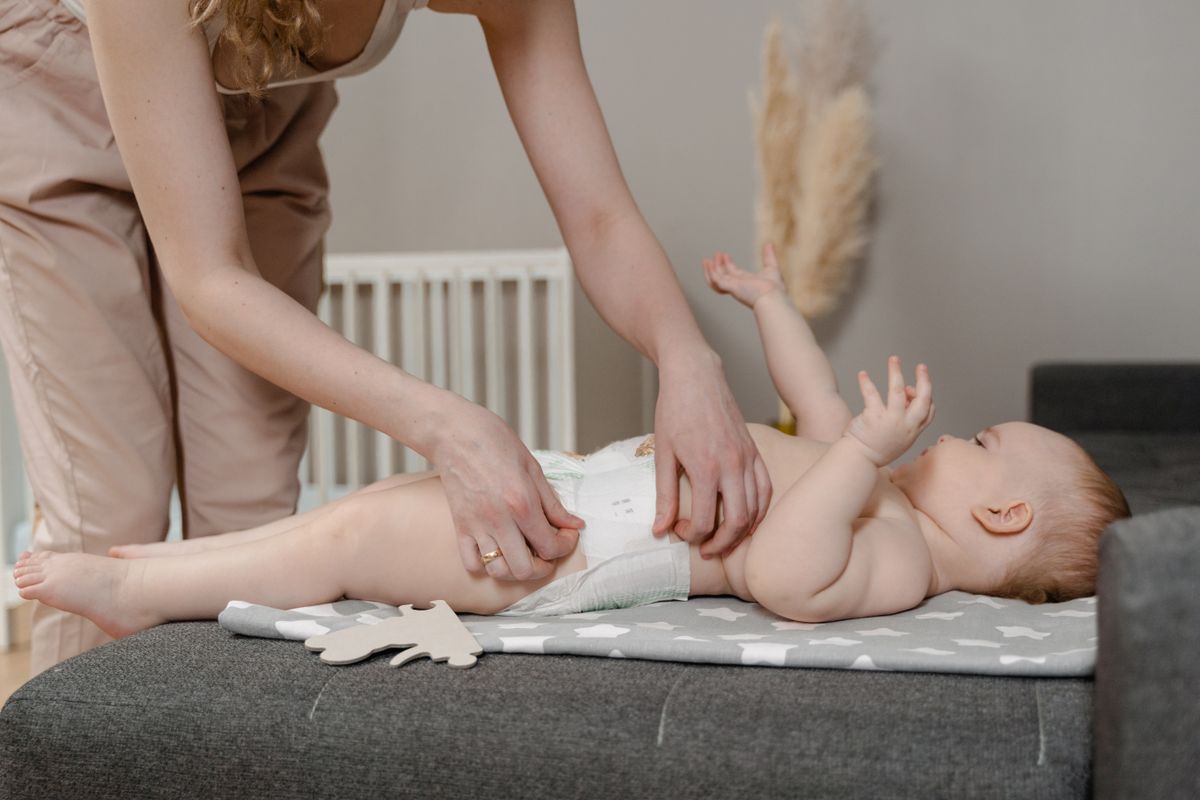
Folding the front of the diaper down below the stump, or using newborn diapers with a cutout notch for the cord, keeps urine and stool away from the area and lets air circulate — probably the single most useful thing you can do day to day. A stump that stays damp or covered tends to take longer to heal and is more prone to irritation.
What's normal as it heals
- The stump gradually dries out, darkens, and shrinks over one to two weeks.
- A little clear or slightly bloody discharge right before it falls off is common and not a cause for alarm.
- A small amount of stickiness or a scab-like appearance at the base as it separates.
- Falling off anywhere from about one to three weeks after birth — there's a real range, and a stump that's still attached at two weeks isn't automatically a problem.
Signs that need a call to the pediatrician
- Redness or swelling spreading onto the surrounding skin, rather than staying at the stump itself.
- Pus, a foul smell, or discharge that's thick and yellow rather than the normal clear or slightly bloody kind.
- The baby seems to cry or flinch when the area is touched.
- Fever, unusual lethargy, or poor feeding alongside any of the above.
- A stump that hasn't fallen off well past three to four weeks.
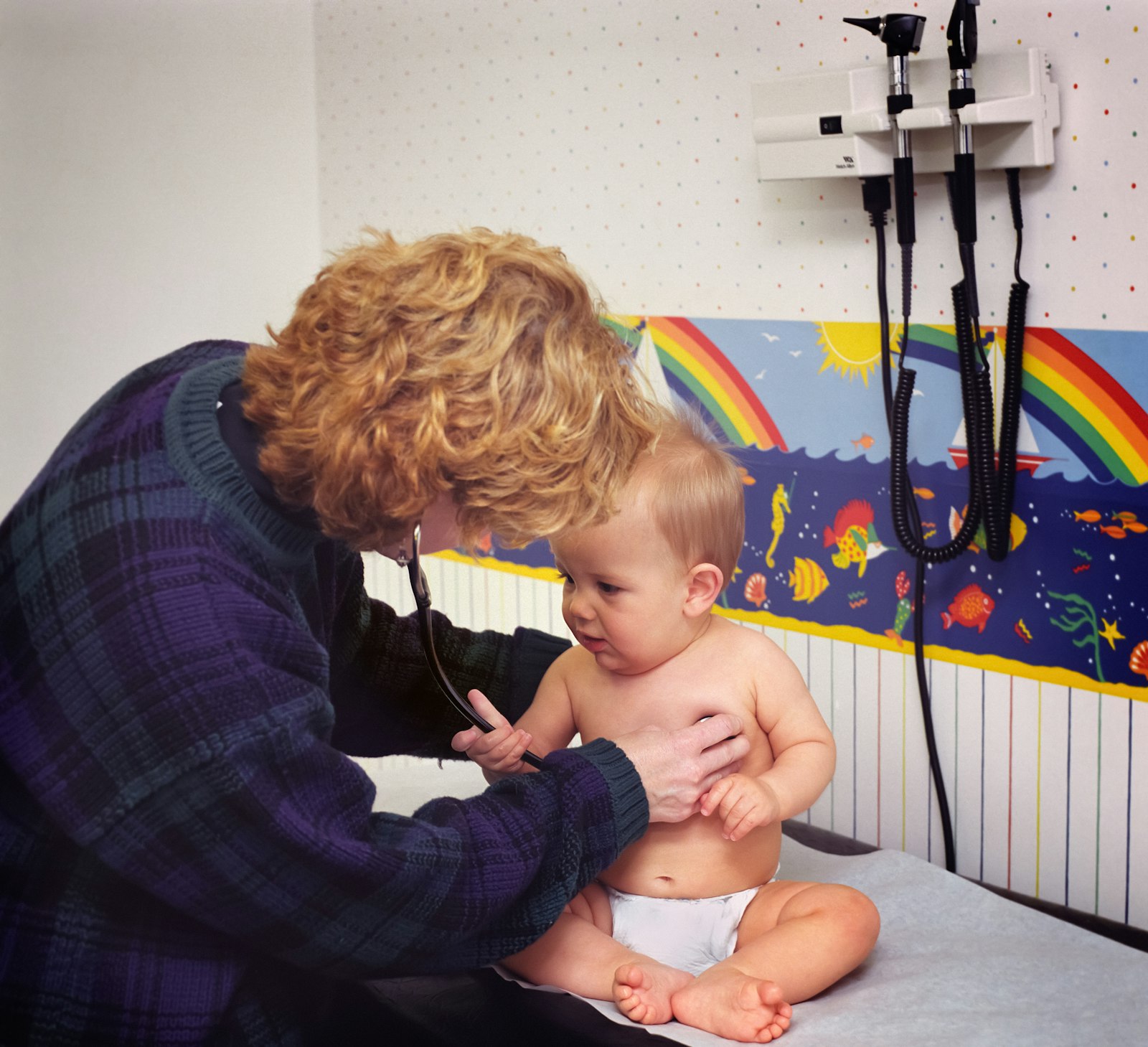
True umbilical infection (omphalitis) is uncommon but treated as a genuine medical concern when it happens, since the area is close to deeper tissue — a same-day call rather than a wait-and-see approach is the right move if you're seeing these signs.
A little bleeding is usually fine, a lot is not
A few small spots of blood on the diaper or clothing around the time the stump separates is common and doesn't need treatment beyond keeping the area clean. Bleeding that's more than a spot or two, or that doesn't stop with light pressure from a clean cloth, is worth a call — it's uncommon, but not something to just watch and wait on.
Should other family members help with cord care?
Basic cord care doesn't require any special training, so grandparents, partners, and other caregivers can absolutely help with diaper changes and keeping the area clean once they've seen it done once or twice. It's worth agreeing as a household on the same approach (fold the diaper down, no products on the stump, pat dry rather than rub if it gets damp) so the routine stays consistent no matter who's changing the baby — inconsistent handling isn't dangerous, but it can slow healing if the area ends up covered or damp more often than not.
Cord blood and cord tissue banking, if that's part of your plan
If you arranged for cord blood or cord tissue banking at delivery, that collection happens immediately after birth from the cord itself, before the stump you're caring for at home is even clamped in its final form — it has no bearing on the day-to-day care described here. If you're unsure whether banking was done or have questions about a kit you received prenatally, that's a conversation for your delivering provider or hospital, separate from ongoing stump care.
What about the "outie" belly button worry
Many parents worry the way the cord is cared for will determine whether their baby ends up with an "innie" or "outie" belly button — it doesn't. Belly button shape is determined by how the skin and tissue heal underneath, not by anything you do with the stump itself. An umbilical hernia (a soft bulge that's more noticeable when a baby cries) is a separate, usually harmless condition that a pediatrician can evaluate at a well-child visit if you're concerned.
After it falls off
Once the stump separates, it's normal to see a small amount of moisture or a bit of pinkish tissue at the belly button for a few more days as the area finishes healing — continue keeping it clean and dry rather than treating it as fully done the moment the stump is gone. A full bath is generally fine once the area looks healed, though check with your pediatrician if you're unsure at your specific stage.
Frequently asked questions
Should I use rubbing alcohol on the umbilical cord stump?
Most current pediatric guidance recommends against it — simply keeping the area clean and dry is now the standard advice, rather than applying alcohol or other products.
Can I give my baby a full bath before the cord falls off?
Sponge baths are generally recommended until the stump separates, since keeping the area dry supports healing. A full bath is usually fine once it's fallen off and the area looks healed.
How do I know if the umbilical area is infected?
Watch for redness spreading beyond the stump itself, pus or foul-smelling discharge, swelling, or the baby seeming to be in pain when the area is touched. Any of these, especially with fever, warrant a same-day call to your pediatrician.