Photo: Unsplash
Most toy-safety problems aren't about buying an obviously dangerous product — they're about a toy that was fine for the age it was designed for, but wrong for the child actually playing with it, or a product with a defect that only gets caught after enough units are sold. This checklist covers both angles: what to check on the shelf, and what habits catch problems after purchase.
Before you buy
- Age grading on the box reflects choking-hazard testing, not just difficulty level — a "3+" label often means the toy contains small parts, even if your advanced two-year-old could technically use it.
- The small-parts test: in the US, a part that fits entirely inside a specific test cylinder (roughly the size of a toilet-paper tube, about 1.25 inches / 3.17 cm in diameter) is considered a choking hazard for children under 3. Many parents use an empty toilet-paper tube as a rough at-home check.
- Button/coin batteries are a serious swallowing hazard — check that any battery compartment requires a screwdriver or two simultaneous actions to open, not just a thumbnail.
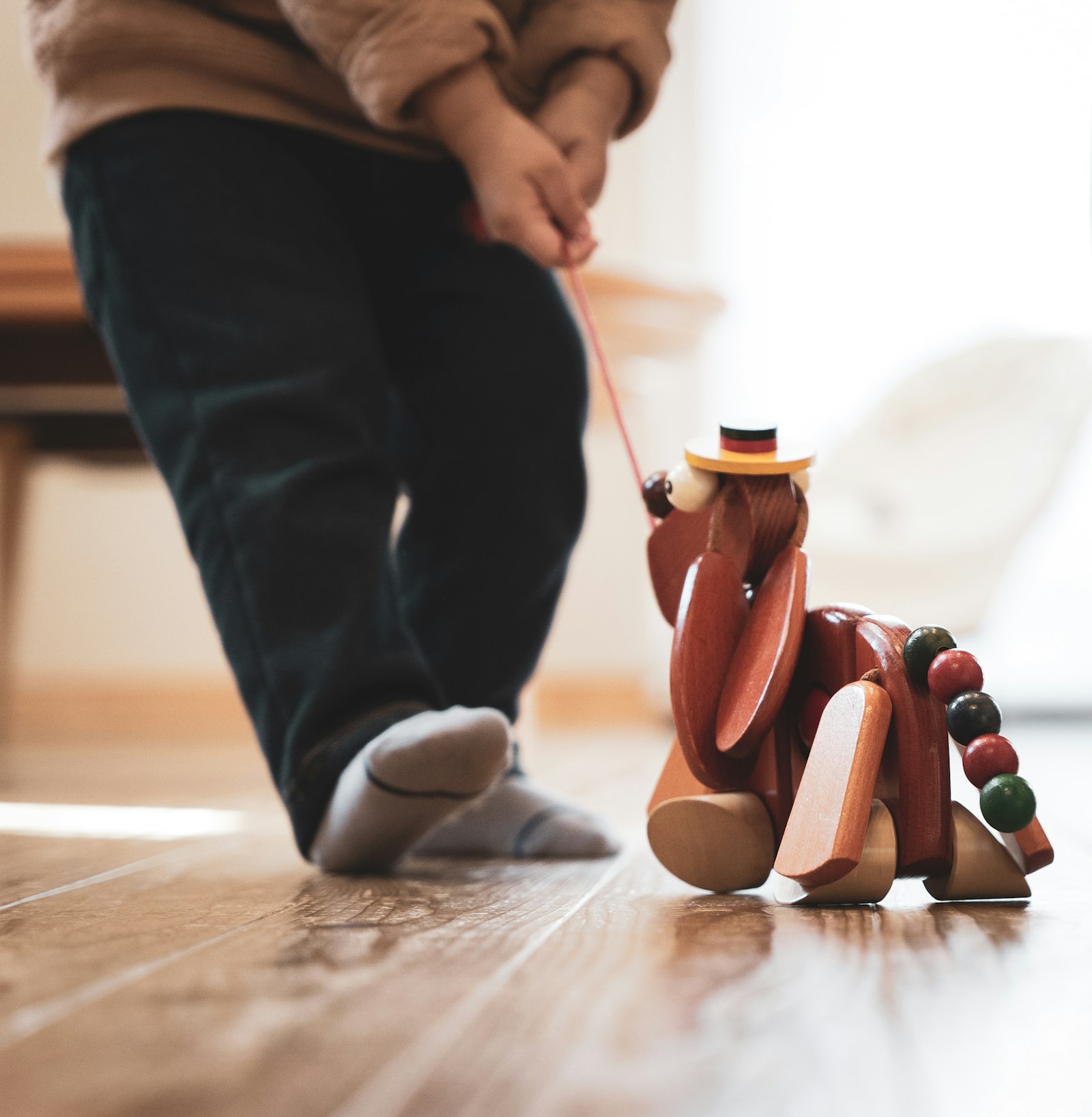
- Cords and strings longer than about 12 inches (30 cm) are a strangulation risk near cribs, playpens, and strollers.
- Magnets: small, high-powered magnets are extremely dangerous if swallowed (two or more can pinch together through intestinal walls). Avoid any toy with loose small magnets for children who still mouth objects.
- Labeling standards: in the US, look for compliance with ASTM F963 (the toy safety standard referenced by federal law); in the EU/UK, look for the CE or UKCA mark. These indicate the manufacturer has tested against recognized safety requirements — they don't guarantee zero risk, but they're a meaningful baseline.
After you buy
- Check for recalls periodically, not just once at purchase — recalls are often issued months or years after a toy has been sold and is already in homes.
- Inspect regularly for wear — cracked plastic, fraying fabric seams, or loosening small parts (eyes, buttons, wheels) on plush and older toys.
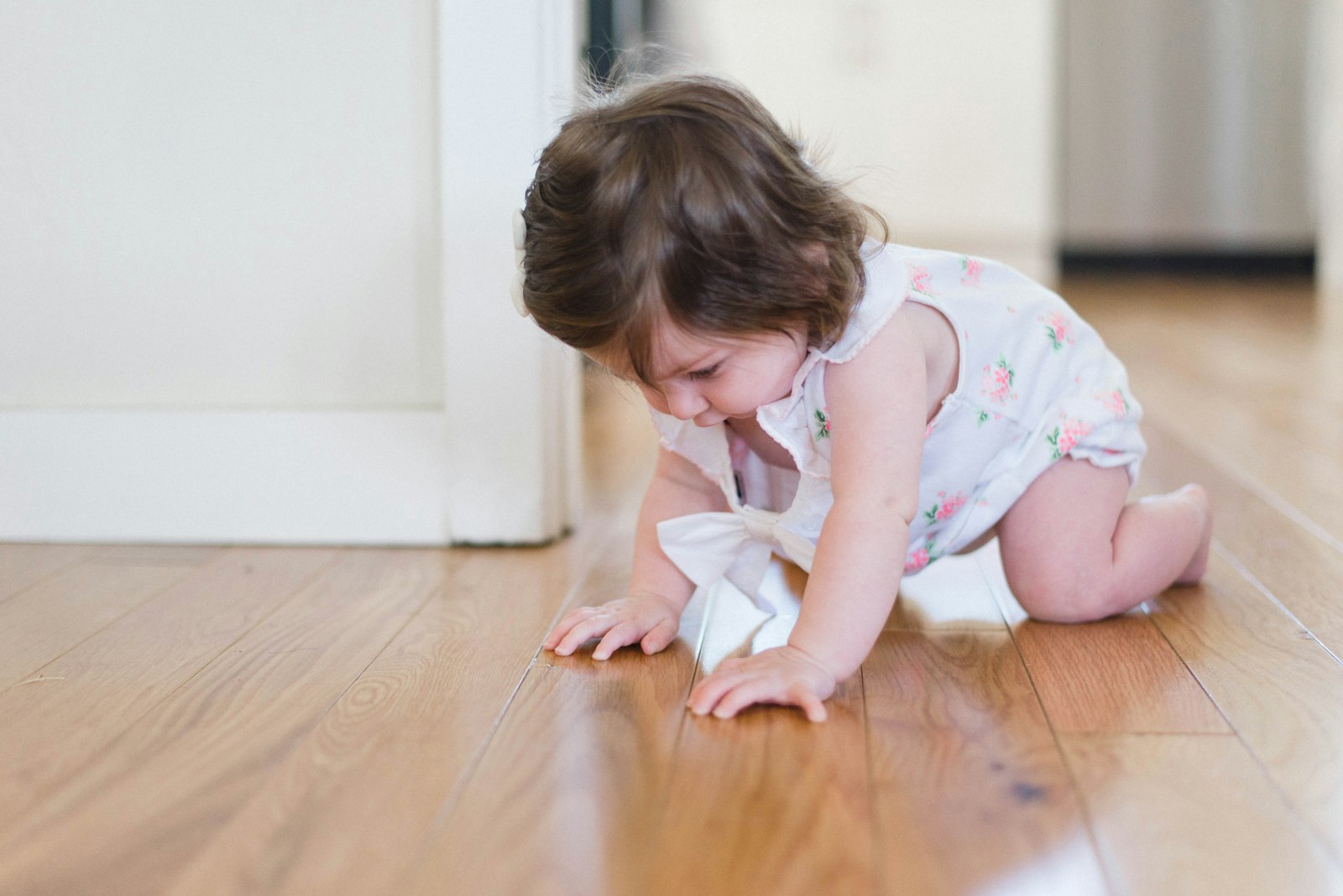
- Re-evaluate age-appropriateness when a younger sibling arrives — a toy that was safe for your five-year-old may not be safe left within reach of a crawling baby.
- Register product warranty cards or sign up for manufacturer recall alerts where available, so you're notified directly instead of relying on remembering to check.
Beyond the toy box: balloons, coins, and everyday household items
A surprising number of choking incidents involve items that were never marketed as toys at all. Uninflated or popped balloons are one of the leading causes of toy-related choking deaths in young children, because a piece of latex molds to the shape of the airway and is nearly impossible to dislodge with back blows. Coins, pen caps, hair elastics, and dog toys (which are rarely built to the same small-parts standard as children's toys) all deserve the same scrutiny as anything actually labeled as a toy. If you have a dog and a crawling baby in the same house, keep dog toys and treats stored somewhere the baby genuinely cannot reach, not just somewhere they usually don't go.
Art supplies and craft materials
Crayons, markers, paints, and modeling compounds fall under a different set of standards than mechanical toys, but they deserve the same label-reading habit. In the US, look for "AP" (Approved Product) or "CL" (Cautionary Labeling) seals from the Art and Creative Materials Institute, or a note that a product conforms to ASTM D-4236, which covers chronic-hazard labeling for art materials. For children under 3, avoid anything with small caps, magnetic pieces (some slime and craft kits include tiny magnetic beads), or ingredients meant to be non-toxic "if used as directed" rather than genuinely safe to mouth — toddlers rarely use anything as directed.
Outdoor and water toy considerations
Riding toys, water tables, and inflatable pools bring their own hazards that don't show up on a standard small-parts checklist. Check that ride-on toys are rated for your child's weight, not just their age, since an underweight rating can make a toy tip more easily. Inflatable pool toys and floats are not personal flotation devices and shouldn't be treated as supervision substitutes, no matter what the packaging illustration implies. For sandbox and outdoor toys, look for UV-stabilized plastic (it resists becoming brittle and cracking after a season outside) and rinse sand and water toys periodically, since damp plastic crevices are a good place for mold to grow.
How to rotate toys without losing track of safety
Toy rotation — packing away a portion of a child's toys and swapping them back in every few weeks — is a good way to keep play fresh without buying constantly, but it also means toys spend time out of sight where a safety recall notice is easy to miss. When you rotate a toy back into circulation, take thirty seconds to glance it over: check battery compartments still close securely, look for cracked plastic or loosened parts, and if you can't remember the brand and model, snap a photo before storing so you can search it against a recall database later. Storage bins with secure, non-locking lids are safer than toy chests with heavy hinged lids, which have caused documented injuries when lids fall unexpectedly on small fingers or heads.
Matching toys across siblings of different ages
Households with children more than two or three years apart in age face an ongoing version of the age-grading problem: the toy is correctly labeled for the older child, but it's the younger one who's most likely to find it on the floor. Rather than trying to permanently separate every toy by age, many families designate specific times or spaces — a high shelf, a closed-door playroom, an after-younger-sibling's-bedtime stretch — where the older child's small-parts toys come out safely. Involving an older sibling in this system (framing it as "your special toys" rather than a punishment) tends to work better than repeated verbal reminders alone, and it teaches the older child an early, useful habit of looking out for a younger one.
Common mistakes parents make when buying toys
The single most common mistake, echoed across pediatric safety guidance, is trusting a toy's marketed age range without checking what's actually inside the box. Age labels are set partly by developmental fit and partly by legal testing requirements, and the two don't always line up with how a family actually uses a toy. A "gift set" bundling items for different ages in one box is a common source of this problem: the box says 3+, but a rattle meant for an infant sibling is tucked inside alongside a small-parts building toy for the older child.
A second common mistake is assuming a toy that passed inspection once stays safe forever. Plastic becomes brittle with UV exposure and age, stitching on plush toys loosens with repeated washing, and battery compartments can crack after being dropped. A toy that was safe on the day it was unwrapped isn't guaranteed to still be safe a year later, which is why periodic re-inspection matters as much as the initial check.
A third mistake is skipping the packaging entirely once a toy is unwrapped, including any warning labels or age statements printed only on the box rather than the toy itself. Photographing the box (or keeping it folded flat in a drawer) before recycling it means you still have the model number and safety statement on hand if a recall notice or a question about the toy comes up later.
Myths about toy safety worth clearing up
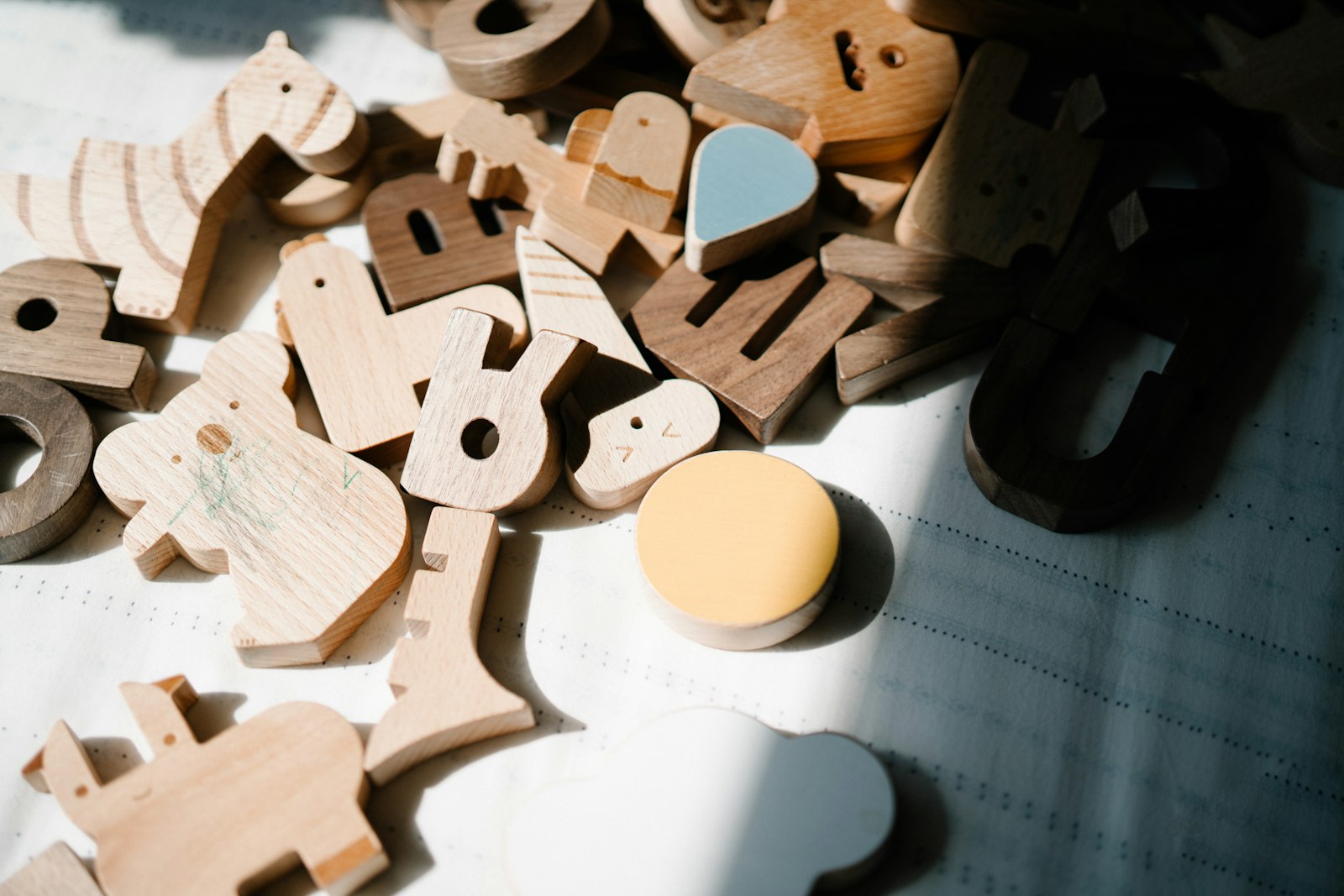
"If it's sold in a major store, it's automatically safe" is one of the more persistent myths. Retailers are not required to pre-test every product beyond what regulation demands, and recalls regularly involve toys that were sold at large, reputable retailers for months before a defect was caught. A related myth is that wooden or "natural material" toys are inherently safer than plastic ones; wood can still splinter, break into small pieces, or be finished with a paint or varnish that doesn't meet the same standards as toy-grade coatings, so material alone isn't a safety shortcut.
Another myth is that a toy is safe as long as a child "knows not to put things in their mouth." Mouthing behavior in babies and young toddlers is a developmental stage, not a behavior a young child can reliably control or be reminded out of, and even school-age children occasionally mouth small objects out of habit or distraction. Toy safety planning should assume mouthing is possible for any child under about three, and remain cautious with small parts around any younger sibling in the home regardless of the primary user's age.
When to call poison control or seek emergency care
If a child swallows a button battery or more than one small magnet, this is a medical emergency: call the Poison Control hotline (in the US, 1-800-222-1222) or go to an emergency room immediately, even if the child seems fine, since internal damage from a battery or paired magnets can occur before symptoms appear. For a choking incident where a child is coughing forcefully, let them keep coughing; if they can't cough, cry, or breathe, follow age-appropriate first aid (back blows and chest thrusts for infants, abdominal thrusts for older children) and call emergency services. The American Academy of Pediatrics publishes current first-aid guidance for choking that's worth reviewing before an emergency, not during one.
A simple system for checking a new toy in under two minutes
A quick, repeatable routine catches most issues faster than trying to remember every guideline on this page each time. Start with the box: check the age grading, look for an ASTM F963 or CE/UKCA statement, and note the model name in case you need to search for it later. Next, check the battery compartment if there is one, by trying to open it with just your fingers; if it opens without a screwdriver or a two-step action, treat it as a fail regardless of what the box claims. Then run the toilet-paper-tube test on any small or detachable piece. Finally, check for cords longer than 12 inches and for loose magnets by trying to gently pull any magnetic piece free. A toy that passes all four checks in under two minutes covers the large majority of common hazard categories, and doing this consistently, even for gifts from relatives, builds a habit that's easy to keep up.
Frequently asked questions
Does a safety-standard label mean a toy is completely safe?
No. Labels like ASTM F963 (US) or CE/UKCA (EU/UK) mean a product met a defined testing standard at the time it was certified, not that no risk exists under any circumstance. Supervision and matching toys to your specific child's stage still matter.
What should I do if a toy I already own gets recalled?
Stop the child from using it immediately, and follow the recall notice's specific instructions, which usually involve either returning the item for a refund, requesting a free repair kit, or disposing of it in a specific way. Don't pass a recalled toy along to another family or donate it, even with good intentions, since the hazard travels with the item.
Are secondhand toys and hand-me-downs safe?
They can be, but they don't come with the same safety-testing paper trail as a fresh retail purchase, and older toys predate more recent standards (older button-battery or small-magnet rules, for example). It's worth checking older toys against this same list and searching their brand/model for recalls before reuse.
What's the single most common toy-safety mistake?
Letting an older sibling's age-appropriate small toys stay within reach of a younger, mouthing baby or toddler. Most incidents involve a toy that was safe for the child it was bought for, not a defective product.