Photo: Pexels
A flat spot on the back or side of a baby's head is one of the more common things pediatricians see in the first few months of life — common enough that it has its own well-studied name, plagiocephaly, and a well-established set of things that help.
Why it happens so easily
A newborn's skull is deliberately soft and made up of separate plates that haven't fused yet, which allows for both a safer passage through birth and rapid brain growth in the first year. That same softness means consistent pressure on one spot — from time spent lying on the back, a preferred head-turning direction, or extended time in a car seat, swing, or bouncer — can gradually flatten that area. It's a mechanical effect of pressure over time, not a sign of a bone or developmental problem.
Why "back to sleep" makes this more common today
Placing babies on their backs to sleep is one of the most important safe-sleep recommendations for reducing the risk of SIDS, and pediatricians are unanimous that it shouldn't change because of flat-head concerns. The tradeoff is that widespread back-sleeping since the 1990s has made mild plagiocephaly noticeably more common than it was before — a known and accepted side effect of a much more important safety practice, and one that's managed with daytime positioning changes rather than by altering sleep position.
What helps prevent and improve it
- Supervised tummy time while awake, starting from the newborn period and increasing as baby tolerates it — this is the single most recommended preventive measure.
- Alternating head position during sleep, positioning baby so their head naturally turns a different direction each time they're put down, rather than always facing the same way.
- Limiting time in car seats, swings, and bouncers outside of actual travel, since these all put sustained pressure on the same part of the head.
- Alternating which side you hold baby on during feeding and carrying, and which end of the crib baby's head is positioned at.
- Repositioning toys and mobiles to encourage baby to turn their head toward both sides rather than favoring one.
Mild cases usually round out on their own
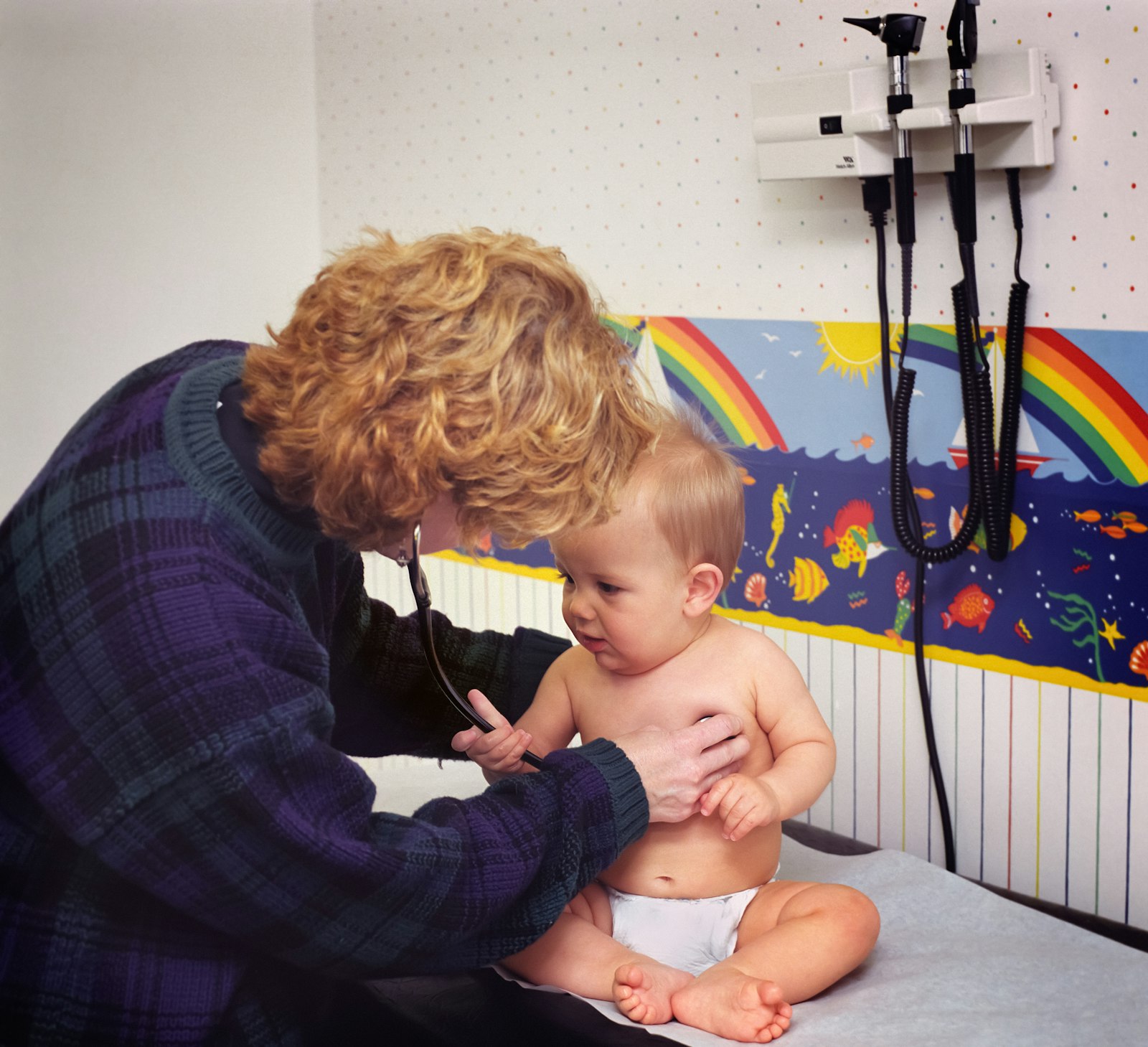
Most mild to moderate flattening improves substantially with these simple positioning changes over weeks to a few months, especially when caught and addressed early — the skull is most moldable in the first 4 to 6 months, when growth is fastest. Pediatricians typically check head shape at routine well-child visits and can reassure you about mild asymmetry that's expected to resolve on its own with continued repositioning.
When a helmet might be recommended
For more pronounced or persistent asymmetry that hasn't improved with several weeks of consistent repositioning, especially once a baby is more mobile and spending less time in one fixed position anyway, a pediatrician may refer to a specialist to evaluate for a cranial remolding helmet or band. These work by applying gentle, even pressure that guides the still-flexible skull's growth into a more symmetrical shape over a period of months, and they tend to be more effective the earlier they're started, generally before a baby's skull growth naturally slows after the first year. Not every case that gets referred ends up needing a helmet — many are still monitored and improve with continued positioning strategies first.
What flat head syndrome does not affect
It's worth saying directly: standard positional plagiocephaly does not affect brain development, growth, or function. The brain grows normally underneath a flattened area of skull, and there's no cognitive or developmental impact from the head shape itself. The reasons pediatricians address it are almost entirely about physical appearance evening out over time and, in more significant cases, ruling out related but distinct concerns like craniosynostosis (a rarer condition where skull plates fuse too early, which needs a different evaluation and treatment path).
How pediatricians actually measure and track it
At well-child visits, a pediatrician typically assesses head shape visually and by feel, sometimes using a simple measuring tool or a more formal assessment (like a cranial index or a specialized scanner in a specialist's office) if there's a specific concern worth tracking more precisely over time. Photos from directly above the head, taken every few weeks at home, can also be a genuinely useful way to see gradual improvement that's hard to notice day to day just by looking at your baby normally.
Talking to family members who are worried
Grandparents and other relatives who didn't have back-sleeping as the standard recommendation sometimes react with more alarm to a flat spot than the situation actually calls for. It can help to have a simple, calm explanation ready — that it's common, expected given safe sleep guidance, and something your pediatrician is already tracking — rather than getting pulled into unnecessary worry or unsolicited home remedies at every family gathering.
Frequently asked questions
Will a flat spot go away completely on its own?
Many mild cases improve substantially with repositioning alone, especially when started early, though some very mild asymmetry can persist subtly. Your pediatrician can track progress at routine visits and let you know if further evaluation is needed.
Does flat head syndrome affect a baby's brain development?
No — the brain develops normally regardless of skull shape. Flat head syndrome is a cosmetic and structural concern about the skull itself, not a developmental or cognitive one.
At what age is it too late to fix with repositioning?
Repositioning is most effective in the first 4 to 6 months, while the skull is still very moldable and before a baby becomes more mobile. After that window, a helmet is more often recommended for cases that need active correction, since natural repositioning becomes less effective as skull growth slows.