Photo: Unsplash
A good carrier is one of the few pieces of baby gear that genuinely gets used every day from the newborn stage through toddlerhood, which makes fit and comfort worth prioritizing over looks alone. It's also one of the few items where trying before buying makes a real difference, since fit against your particular body shape and torso length matters as much as the carrier's design on paper.
Carrier types compared
Before comparing specific models, it helps to understand the four broad categories most carriers fall into, since each is built around a different tradeoff between ease of use, adjustability, and how long it stays useful as a baby grows.
| Type | Best for | Learning curve |
|---|---|---|
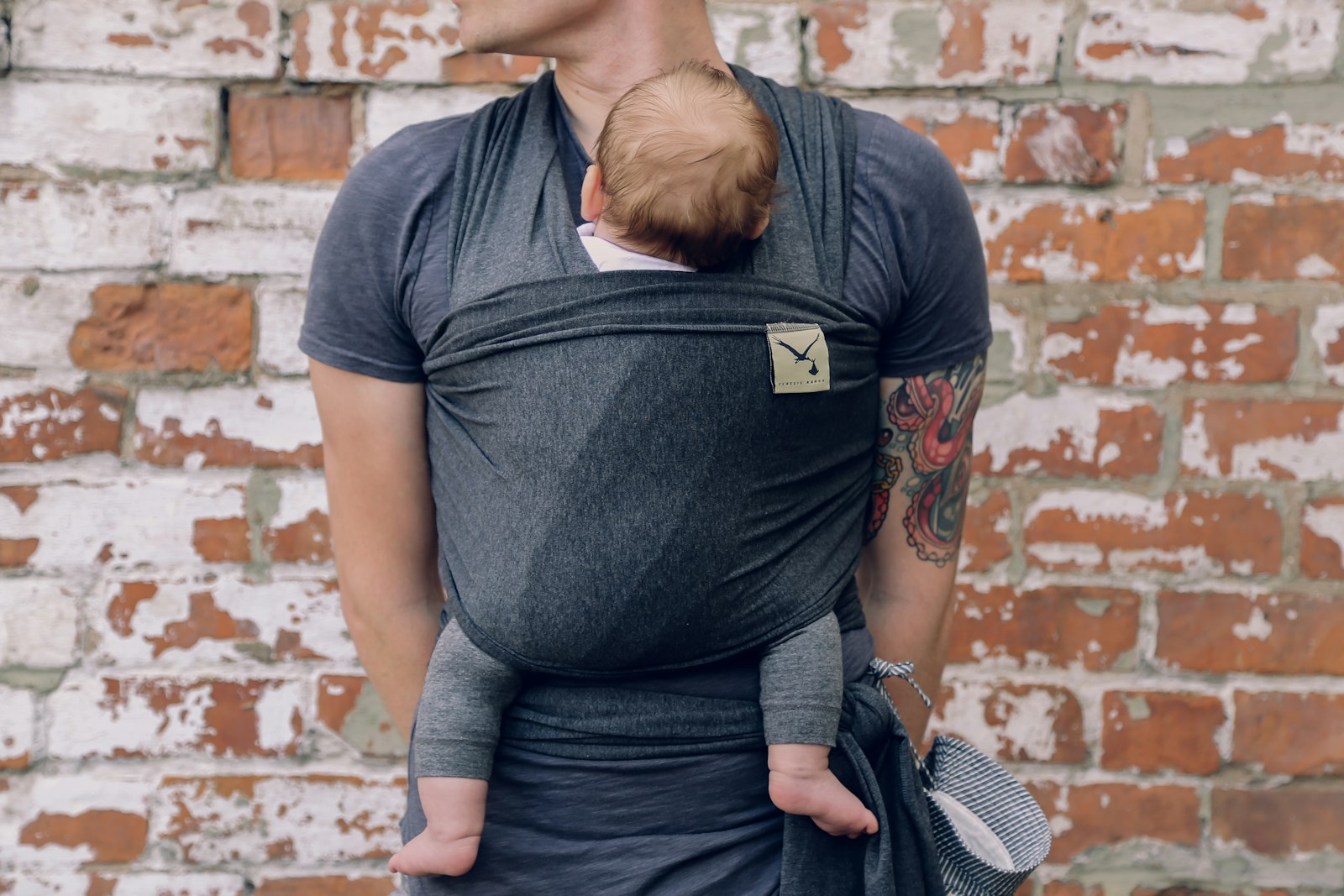
| Woven wrap / stretchy wrap | Newborns, close-contact carrying, adjustable fit for multiple caregivers | Higher — takes practice to tie confidently |
| Ring sling | Quick in-and-out carrying, breastfeeding coverage, one-shoulder support | Moderate |
| Structured/ergonomic carrier (buckles) | Longer wear, even weight distribution, easiest for most new caregivers | Low |
| Backpack-style carrier | Older babies and toddlers, hiking, longer outings | Low |
Hip-healthy positioning
The International Hip Dysplasia Institute recommends a carrier that supports the "M" position — knees at or above hip level, thighs spread around the carrier, forming a rough "M" shape when viewed from the front. Carriers that let legs dangle straight down without thigh support don't provide this, which matters most for very young infants whose hip joints are still developing.
The TICKS rule for safe babywearing
- Tight — loose fabric lets a baby slump into a position that can restrict breathing.
- In view at all times — you should be able to glance down and see your baby's face.
- Close enough to kiss — the top of the head should be near your chin.
- Keep chin off chest — a chin pressed to the chest can narrow the airway; there should be a finger's width of space.
- Supported back — a baby's back should be gently curved, not slumped, with their tummy and chest against you.
Materials and breathability
Fabric choice affects comfort far more than most first-time buyers expect. Woven cotton wraps and slings tend to be breathable and durable but can feel bulky when folded for storage in a diaper bag. Blended fabrics with a bit of stretch or mesh panels help in warmer climates, and a mesh-paneled structured carrier is worth prioritizing for families in hot regions or planning summer babies, since overheating is a real consideration when two bodies are pressed together for an extended stretch. Padding thickness on the shoulder straps and waist belt also affects long-term comfort more than color or pattern, and it's worth actually pressing on the padding in a store or product photo review to judge firmness rather than assuming thicker automatically means more comfortable, since overly stiff padding can dig in just as much as too little.
Getting the fit right for the wearer, not just the baby
Carrier reviews tend to focus heavily on the baby's positioning, but a poor fit for the adult wearing it is one of the most common reasons a carrier ends up unused in a closet after a few weeks. Waist belts that sit too low put strain on the lower back, while a carrier worn too high can dig into the shoulders during longer stretches. If two caregivers of different heights or builds will both use the same carrier, look specifically for a wide range of adjustability in the waist belt and shoulder straps, and try it on both people before committing — what feels comfortable on one parent may feel completely different on the other, sometimes surprisingly so even between partners of similar height. Padded, wider shoulder straps distribute weight more evenly than thin ones, which matters more as a baby grows past the newborn stage and the carrier sees regular use for thirty minutes or more at a time.
Carrying as babies grow into toddlers
A carrier that works beautifully for a six-pound newborn often needs adjustment, or outright replacement, by the time that same baby has grown into a twenty-five-pound toddler with an entirely different center of gravity. Structured carriers with a wide weight range and an extendable panel tend to have the longest useful life, since the seat can grow with the child rather than needing a whole new carrier at each stage. Toddlers also start wanting to face outward or ride on a hip rather than facing in, which not every carrier supports, so it's worth checking before assuming a single carrier will comfortably cover the entire range from newborn all the way to preschooler. For families who hike or travel with an older baby or toddler regularly, a backpack-style carrier with a supportive frame becomes far more practical than a soft structured carrier, which starts to feel taxing on the wearer's back and shoulders once a child passes toddler weight.
Newborn babywearing: what's different in the early weeks
Very young infants have less head and neck control, softer, still-developing hip joints, and a smaller frame relative to most carriers built for a wider age range, so a few extra precautions matter in the first couple of months. An infant insert (built into some carriers or sold separately for others) narrows the seat and adds head support for babies below the carrier's stated minimum weight. Preemies or babies under about 8 pounds often need a specific low-weight carrier or wrap rather than a general structured carrier, since the standard hip-width seat can be too wide for a very small baby's legs. Checking the airway constantly in these early weeks matters more than at any other stage, since a newborn's ability to reposition themselves if their airway becomes restricted is essentially nonexistent.
Common babywearing mistakes
- Wearing the carrier too loose. A loose carrier lets a baby sink lower than intended, which can compromise both the hip position and the airway.
- Facing a young baby outward too early. Forward-facing-out carrying puts more strain on a baby's spine and hips than facing inward, and most guidance suggests waiting until a baby has strong head and neck control, and can sit unassisted, generally around 4 to 6 months.
- Skipping the fit check after adjustments. Every time a different caregiver puts the carrier on, the straps need rechecking, since a carrier adjusted for one adult's body won't automatically fit another correctly.
- Assuming discomfort is normal. Persistent back or shoulder pain usually signals a fit problem, not something to simply push through, and often improves significantly once the waist belt and straps are readjusted correctly.
Babywearing in hot or cold weather
Temperature adds a layer of complexity that's easy to overlook when first choosing a carrier. In hot weather, the combined body heat between a wearer and a baby pressed close together can raise a baby's temperature faster than expected, so lightweight, breathable fabric and frequent water breaks for the wearer both matter more than they might seem to at first. In cold weather, rather than dressing a baby in a heavy coat that bunches awkwardly inside the carrier and can interfere with proper hip positioning, many parents dress the baby in a normal indoor layer and then wear a babywearing-specific coat, or a regular coat unzipped over both wearer and baby, so the layers work together instead of fighting the carrier's fit.
Choosing between buying new and buying secondhand
Carriers are one of the more reasonable baby items to buy secondhand, since unlike a car seat, a used carrier doesn't carry the same crash-safety concerns. It's still worth inspecting stitching, buckles, and straps carefully for wear, since a compromised buckle or a fraying strap is a real safety issue regardless of price. Fabric slings and wraps should be washed before first use given how closely they sit against a baby's skin. Borrowing a carrier from a friend or relative to test the fit before committing to buying your own is also a smart, low-cost way to figure out which type actually works for your body and your baby before spending money on a permanent choice.
Babywearing for twins or multiples
Wearing more than one baby at once is possible with specific tandem carriers, or by wearing two separate single carriers at the same time, one on the front and one on the back, once both babies have adequate head control for a back-carrying position. This tends to work best once babies are a bit older and stronger rather than in the earliest newborn weeks, when a caregiver typically manages twin newborns with two separate simpler wraps or slings used one at a time, or with help from a second caregiver. Parents of multiples often find that owning two lightweight, simple carriers works better day to day than one specialized twin-carrying system, since simpler carriers are easier to put on quickly when both babies need attention at once.
Our picks
Each pick below was checked against real order and rating data — not pulled from the top of a search page — so every one genuinely holds a 98%+ rating from a meaningful number of real buyers.
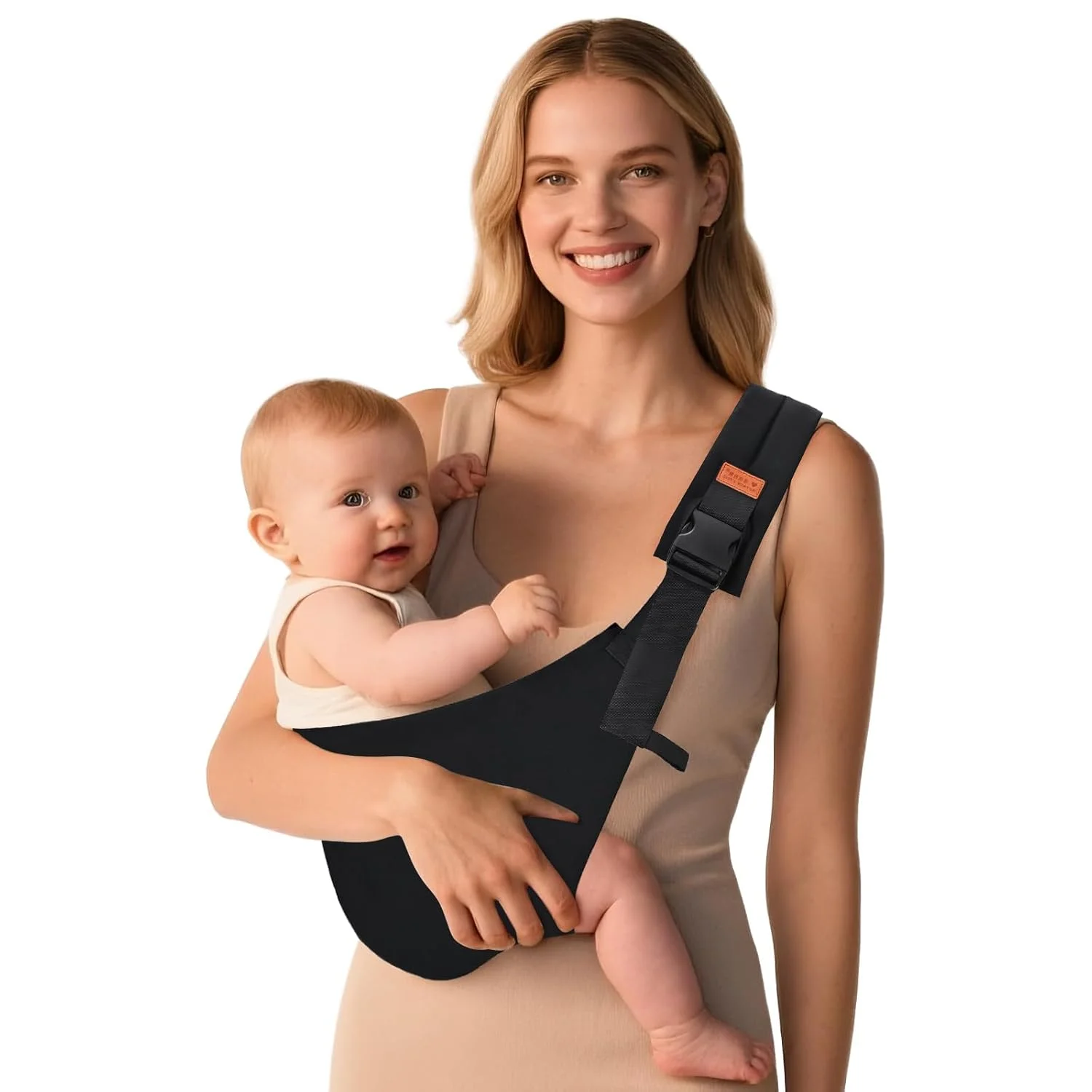
Baby Child Outdoor Carrier Wrap Soft Anti-Slip Carrying Ring Sling Multifun…

Baby Carrier Ergonomic Infant Multifunctional Waist Stool Newborn To Toddle…

Baby Sling Carrier, 4-in-1 Ergonomic Baby Backpack Carrier, Easily Adjustab…

Adjustable Baby Carrier Crossbody Wrap Toddler Hip-seat Portable Sling Bag …
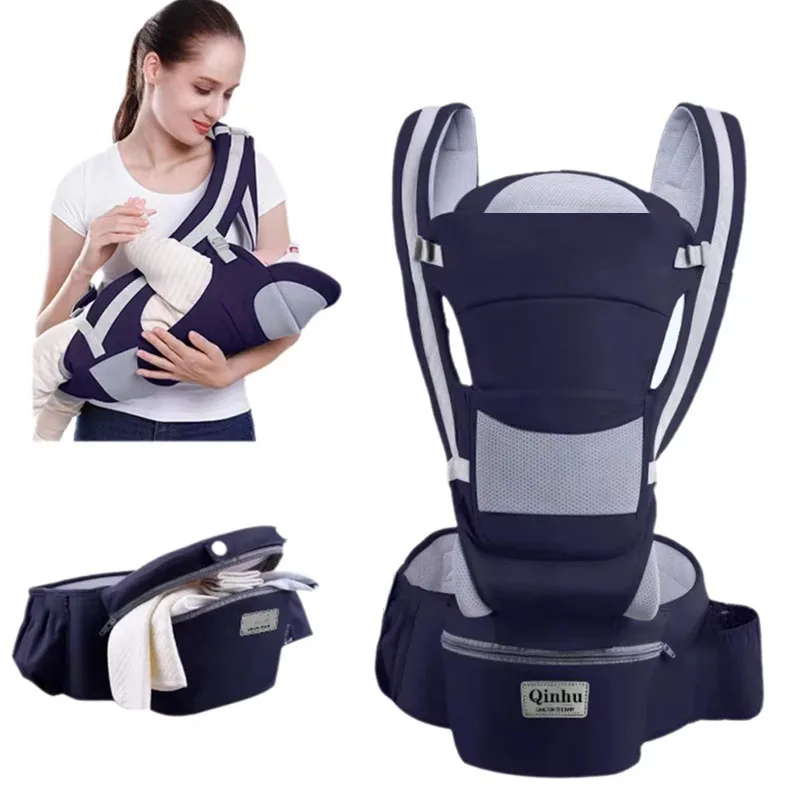
Newborn Ergonomic Baby Carrier Backpack Infant Baby Hipseat Carrier Front F…
Affiliate links — we may earn a commission at no extra cost to you. Learn more.
Frequently asked questions
What age can a baby start using a carrier?
Most carriers designed for newborns can be used from birth, provided they support the hip-healthy "M" position and keep the baby high and close. Some structured carriers require an infant insert or a minimum weight (often around 7-8 lbs) before use — check the specific product’s guidance.
Is babywearing safe for naps?
Yes, with attention to the TICKS rule, especially keeping the chin off the chest and the airway clear. A sleeping baby in a carrier should still be checked periodically, the same as you would check a baby sleeping anywhere else.
Do structured carriers or wraps last longer as a baby grows?
Structured ergonomic carriers with an adjustable panel typically have a longer usable range (often newborn through 3-4 years) than most stretchy wraps, which work best for smaller, younger babies before the fabric struggles to support more weight.
Can babywearing cause hip problems?
Used correctly, babywearing is actually recommended by hip health organizations, including support for babies with certain hip conditions. The concern arises specifically with carriers or positions that force legs straight down without thigh support, which is why checking for the "M" position matters more than the carrier's brand or price.
How do I clean a baby carrier?
Check the manufacturer's label first, since fabric and padding vary. Many structured carriers are machine washable on a gentle cycle with the buckles fastened to prevent snagging, then air-dried to protect elastic and stitching. Wraps and slings are usually washed the same way fabric of that type normally would be, and it's worth spot-cleaning between full washes since frequent washing can wear down fabric faster than needed.
What's a reasonable amount to spend on a first carrier?
Perfectly functional, safe carriers exist across a wide price range, and a higher price doesn't automatically mean a better fit for your body or your baby. Many parents start with one versatile, mid-range structured carrier and only invest in a second, more specialized one (a wrap for tiny newborns, a hiking-style carrier for outdoor use) once they know their specific needs.