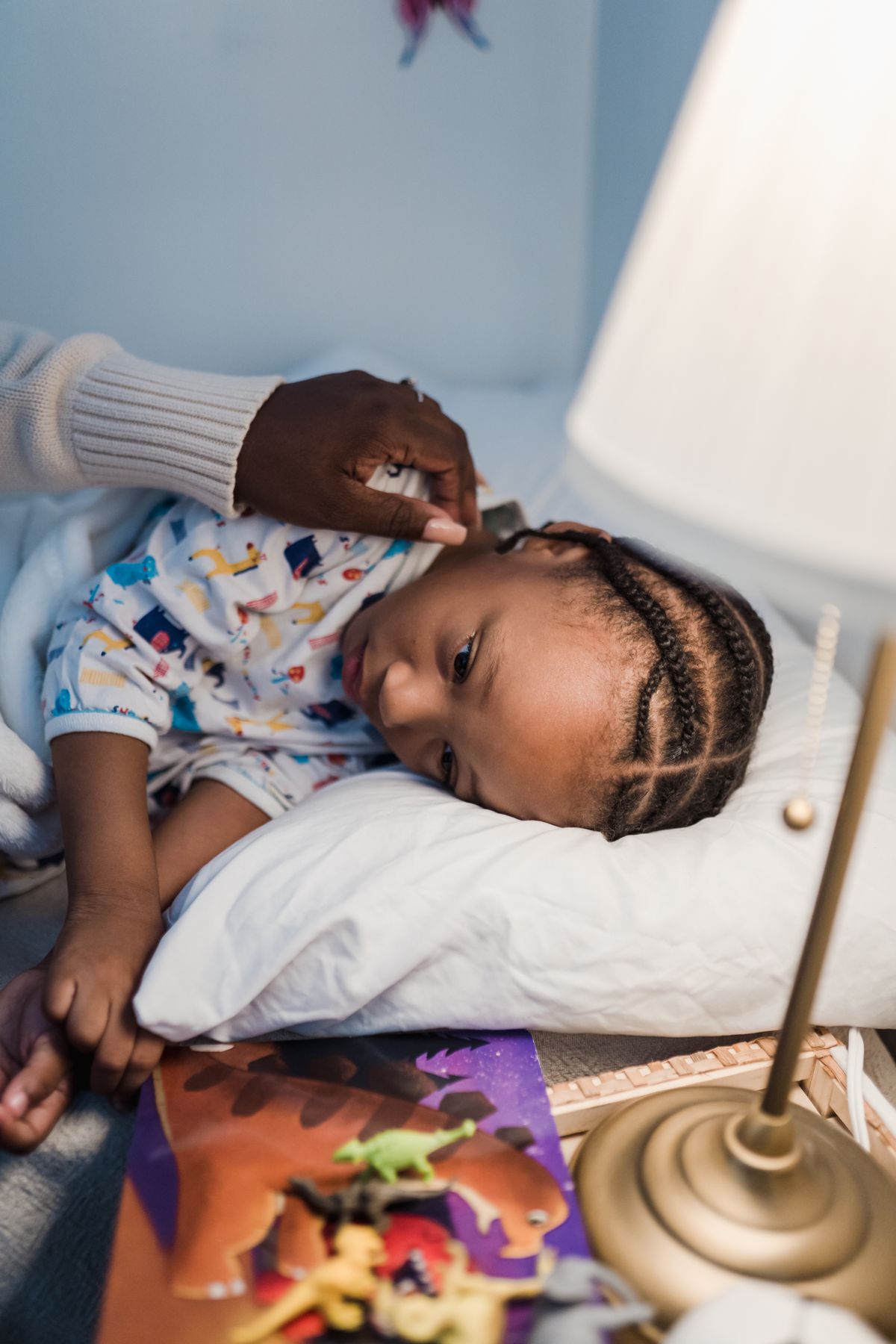
Photo: Pexels
A child screaming, thrashing, or sitting bolt upright in the middle of the night can look terrifying either way — but night terrors and nightmares are actually very different events, and knowing which one you're dealing with changes how you should respond.
The key difference
A nightmare is a bad dream that wakes a child up scared, and afterward they're generally alert, aware of what happened, and often want comfort or to talk about it. A night terror happens during deep non-REM sleep rather than during a dream, which is why a child in the middle of one is not actually awake, won't respond normally if you talk to them, and typically has no memory of it the next morning at all.
What a night terror looks like
- Happens earlier in the night — usually within the first few hours of sleep, during the deepest non-REM stage.
- Intense physical signs — screaming, thrashing, a racing heart, sweating, wide-open eyes that don't seem to focus on anything.
- Child seems awake but isn't — they may sit up, talk, or even walk around, but they're not responsive in a normal waking way.
- Hard to console — trying to wake or comfort a child mid-episode often doesn't work and can sometimes prolong it.
- No memory afterward — unlike a nightmare, a child typically has zero recollection of a night terror the next day.
What a nightmare looks like
- Happens later in the night — nightmares occur during REM sleep, which is more concentrated in the second half of the night.
- Child wakes up fully — often crying and clearly frightened, but aware of their surroundings.
- Can usually describe what happened — older children especially can often recount the dream in some detail.
- Responds to comfort — a hug, reassurance, or a parent's presence generally helps a child settle back down.
How to respond to each
For a night terror, the most important thing is simply to stay nearby and keep the child physically safe — moving anything they could bump into, gently guiding them back to bed if they're up and moving — without trying to wake them fully or hold them down. Most episodes resolve on their own within a few minutes as the child settles back into deeper sleep. For a nightmare, comfort works well: a calm voice, a hug, staying until they feel safe again, and letting them talk about it if they want to.
What tends to trigger night terrors
Overtiredness is one of the biggest known triggers, since it pushes a child into deeper non-REM sleep faster and more intensely than usual. A disrupted sleep schedule, a fever, sleeping in an unfamiliar place, or general overstimulation before bed can also increase how often they happen. Many parents notice a pattern: an especially exhausting day, a skipped nap, or a later-than-usual bedtime often precedes an episode that night.
When to check in with a doctor
Occasional night terrors, however dramatic they look, are considered normal childhood sleep behavior and usually fade on their own by the early school-age years. It's worth mentioning to a pediatrician if they're happening very frequently (multiple times a week), continuing well past age 8-10, involve the child getting hurt during an episode, or are accompanied by daytime sleepiness, snoring, or other signs of a sleep disorder that might need a closer look.
Reducing how often they happen
Since overtiredness is such a common trigger, a more consistent bedtime and making sure a child is getting enough total sleep for their age often reduces frequency on its own. Some families use "scheduled awakenings" — gently waking a child briefly about 15-30 minutes before their usual night terror time, then letting them fall back asleep — which has some evidence behind it for kids with a very predictable pattern, though it's worth discussing with a pediatrician before trying it as a routine strategy.
What this looks like for the parent, not just the child
Watching a child scream and thrash without being able to comfort them in the usual way is genuinely unsettling, and it's worth acknowledging that the hardest part of a night terror is often what it does to the parent watching, not the child experiencing it — since the child has no memory of it afterward at all. Reminding yourself in the moment that this is a physical, non-REM sleep event rather than a nightmare or distress the child is actually feeling can make it easier to stay calm and simply wait it out rather than trying harder interventions that don't tend to help.
How night terrors relate to sleepwalking
Night terrors and sleepwalking belong to the same family of sleep behaviors, both happening during deep non-REM sleep and both involving a child who appears partially awake without being genuinely conscious. It's common for a child to experience both at different points, or even during the same episode, starting with the classic screaming and thrashing of a night terror and then getting up and wandering as it winds down. Both tend to run in families, both are triggered by similar things like overtiredness and disrupted sleep, and both are generally outgrown over time as a child's sleep cycles mature. The same basic response applies to either: keep the child safe, don't try to fully wake them, and let the episode pass.
Age patterns and what to expect over time
Night terrors most often begin between ages 2 and 4, peak somewhere between ages 3 and 7, and typically fade out by early adolescence for the large majority of children who experience them. Nightmares, on the other hand, can start earlier and continue lifelong, though they tend to become less frequent and less intense as children develop better coping skills and a clearer sense that a scary dream isn't real. A preschooler having an occasional nightmare after watching something a bit too intense, or a school-age child having one during a stressful stretch like starting a new class, is a normal part of development rather than a pattern to worry about.
It's also common for the two to overlap in the same child at different ages, with night terrors more typical of the toddler and preschool years and nightmares becoming more prominent once a child's imagination and understanding of story and danger develop further, usually somewhere around age four or five and onward.
Helping a child cope with recurring nightmares
For a child who has nightmares often enough that it's affecting sleep or bedtime anxiety, a few strategies tend to help beyond simple comfort in the moment. Talking through the dream during the day, in a calm and curious way rather than right before bed, can help a child process it without the fear reattaching to bedtime itself. Some families find that a consistent, calming bedtime routine, dimmer lights in the hour before sleep, and avoiding scary content (movies, books, even overheard news) in the evening measurably reduces how often nightmares occur. A comfort object, a nightlight, or a simple "dream job" like imagining a friendly character standing guard can also give a child a concrete tool to use if they wake up scared, rather than relying entirely on a parent coming in every time.
A run of nightmares clustered around a specific life change, a new sibling, starting school, a move, or a scary event witnessed or overheard, is common and usually settles down within a few weeks as the child adjusts. If nightmares are frequent, intense, and clearly tied to a specific fear or memory over a longer stretch, that's a reasonable thing to mention to a pediatrician, who can help determine whether extra support would help.
When something might be more than a typical episode
Occasionally, what looks like a night terror is actually a nocturnal seizure, and telling the two apart matters for getting the right care. A few features can raise that possibility: episodes that look nearly identical to each other every single time down to specific movements, episodes that happen multiple times in a single night, unusual jerking or stiffening rather than the more variable thrashing typical of a night terror, or any episode during the day as well as at night. This is uncommon, and the vast majority of dramatic-looking nighttime episodes are ordinary night terrors, but a pediatrician can help sort out the difference if a pattern seems unusual, sometimes recommending a sleep study for a clearer picture.
A typical week: what parents often notice
A common pattern looks like this: a toddler has a rough week with a skipped nap on Tuesday and a later bedtime on Thursday due to a family event, and by Thursday night there's a screaming episode about ninety minutes after falling asleep that lasts around ten minutes before the child settles back into sleep on their own. The next morning, the child has no memory of it and seems completely normal, while the parent who witnessed it feels shaken for the rest of the day. This mismatch, a genuinely alarming event for the parent that leaves absolutely no trace for the child, is one of the most disorienting parts of night terrors and is worth remembering the next time one happens: the child is fine, even though it didn't look that way in the moment.
Some parents find it helps to keep a simple written log after an episode, noting the time it started, roughly how long it lasted, and what preceded it that day. Over a few occurrences, this often reveals a pattern, like a consistent link to nap changes or a specific bedtime shift, that makes the trigger easier to spot and address going forward.
Sleep habits that help both night terrors and nightmares
- Keep bedtime and wake time consistent, including on weekends, since irregular sleep schedules are a known trigger for both.
- Make sure total sleep matches age-appropriate needs, since overtiredness is one of the most reliable triggers for night terrors specifically.
- Wind down with calm, low-stimulation activities in the hour before bed, avoiding screens and anything scary or overly exciting.
- Keep the sleep environment familiar and comfortable, since travel and unfamiliar settings can increase both types of episodes temporarily.
Frequently asked questions
Should I wake my child during a night terror?
Generally no — waking a child mid-episode is difficult and can sometimes make it worse or last longer. It's usually better to keep them safe and let the episode run its course, then help them settle back to sleep.
Are night terrors a sign of anxiety or trauma?
In most children, no — night terrors are a normal sleep-cycle phenomenon related to how deep non-REM sleep is structured at this age, not typically a sign of underlying emotional distress.
Why doesn't my child remember the night terror the next day?
Because it happens during deep non-REM sleep rather than during a dream, the brain isn't forming the same kind of memory it would during a nightmare, which occurs in REM sleep. This is one of the most reliable ways to tell the two apart after the fact.
Are night terrors and sleepwalking related?
Yes, they belong to the same family of non-REM sleep behaviors and often occur in the same children, sometimes even during the same episode. Both tend to run in families, share similar triggers like overtiredness, and are typically outgrown over time.
How can I tell a night terror apart from a seizure?
Night terrors vary somewhat from episode to episode and usually involve thrashing or screaming rather than rhythmic jerking. Episodes that look identical every time, happen more than once a night, or include stiffening or daytime episodes as well are worth mentioning to a pediatrician to rule out a seizure disorder.