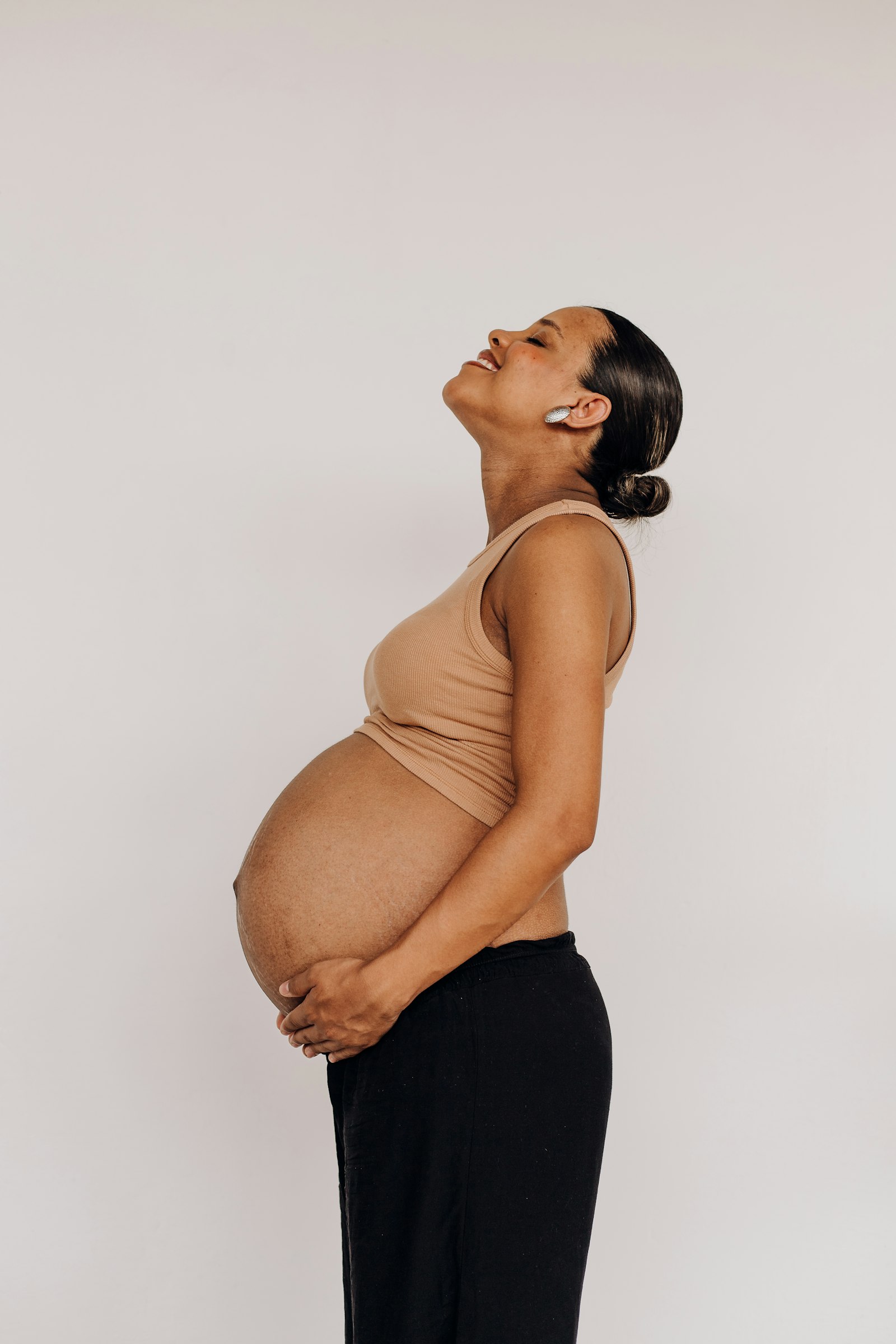
Photo: Unsplash
For most healthy pregnancies, staying active is encouraged, not discouraged — regular moderate exercise is linked to easier labor, better sleep, and less back pain. The key is adjusting intensity and type as pregnancy progresses, not stopping altogether.
First trimester: build a sustainable routine
If you were already active before pregnancy, most people can continue their usual routine in the first trimester, adjusting for fatigue and nausea. If you're starting from a lower activity level, this is a good time to ease into walking, swimming, or prenatal yoga rather than jumping into something intense.
Second trimester: adjust for a changing center of gravity
As the belly grows, balance shifts, which makes activities with a fall risk (like cycling on uneven terrain or downhill skiing) worth reconsidering. Many people find this trimester the most comfortable for exercise overall, since first-trimester fatigue often eases and the belly isn't yet large enough to limit movement much.
Third trimester: lower intensity, stay moving
Exercises that involve lying flat on your back for long periods are generally discouraged later in pregnancy, since the weight of the uterus can compress a major vein. Walking, swimming, and prenatal yoga tend to remain comfortable options well into the third trimester for most people.
How much exercise is generally recommended
Most guidelines point to around 150 minutes of moderate-intensity activity per week for a healthy pregnancy, spread across most days rather than crammed into one or two sessions. A practical way to gauge intensity without tracking heart rate zones is the "talk test": you should be able to hold a conversation while exercising, but not comfortably sing — if you're too breathless to talk, it's a sign to ease off.
Real benefits beyond "staying fit"
Regular moderate exercise during pregnancy is associated with a lower risk of developing gestational diabetes and excessive weight gain, may shorten active labor somewhat, and is linked to a lower likelihood of needing a C-section for some people. It also tends to improve sleep quality and mood — meaningful benefits on their own, separate from any effect on delivery.
Pelvic floor exercises worth adding
Alongside general cardio and strength work, many providers recommend incorporating pelvic floor exercises (often called Kegels) throughout pregnancy to support the muscles bearing increasing weight from the growing uterus — though it's worth learning the correct technique, since doing them incorrectly provides little benefit. A pelvic floor physical therapist can confirm you're engaging the right muscles if you're unsure.
When exercise isn't recommended at all
Certain conditions — including some types of heart or lung disease, an incompetent cervix, persistent bleeding, placenta previa after 26 weeks, preeclampsia, and a few others — are considered contraindications to exercise during pregnancy, meaning your provider may recommend avoiding it altogether rather than just modifying it. This is exactly why the initial clearance conversation with your provider matters, especially if you have any pre-existing conditions or pregnancy complications.
Starting from a sedentary baseline
If you weren't exercising regularly before pregnancy, it's still a reasonable and encouraged time to start — just at a lower intensity and shorter duration than someone already active, gradually building up as your body adjusts. Walking 10–15 minutes a day and slowly increasing is a realistic starting point that most healthy pregnancies can tolerate well.
Choosing the right activity for your body and history
The "best" prenatal exercise is largely whatever you'll actually keep doing, adjusted for any specific concerns your provider flags. Someone who already loves swimming tends to stick with it more consistently than someone forcing themselves into a prenatal yoga class purely because it's marketed as pregnancy-friendly. If you had a joint injury before pregnancy, low-impact options like swimming or a stationary bike reduce strain on that joint compared to walking or running on pavement. If you're managing symptoms like pelvic girdle pain, a physical therapist who specializes in pregnancy can help modify almost any activity rather than requiring you to give it up altogether. And if motivation is the bigger obstacle than any physical limitation, a class format with a set schedule and other pregnant people in the room often works better than a solo routine that's easy to skip on a tired day.
Generally safe activities
| Usually fine | Worth discussing with your doctor |
|---|---|
| Walking | Contact sports |
| Swimming | Activities with a high fall risk |
| Prenatal yoga | Scuba diving |
| Stationary cycling | High-altitude activities |
| Light strength training | Exercises flat on your back (later pregnancy) |
Why moderate exercise is considered safe for most pregnancies
It can feel counterintuitive to exercise while growing another human being, but the body adapts well to moderate activity throughout a healthy pregnancy. Blood volume and cardiac output already increase substantially to support the pregnancy, and moderate exercise works with those changes rather than against them. Ligaments do loosen under the influence of a hormone called relaxin, which is part of why balance-related caution matters, but the cardiovascular system itself tolerates moderate exercise well. Major health organizations, including the American College of Obstetricians and Gynecologists, recommend that people with uncomplicated pregnancies engage in regular aerobic and strength-conditioning exercise, framing it as beneficial rather than merely tolerable.
A sample weekly structure
A realistic week doesn't need to be complicated. Many providers point toward something like the pattern below as a starting template, to be adjusted based on how you feel day to day and what your provider says at your visits.
- Three to five days: 20 to 30 minutes of moderate cardio, such as brisk walking, swimming, or stationary cycling.
- Two days: light to moderate strength training using bodyweight, resistance bands, or light dumbbells, focused on major muscle groups.
- Most days: a few minutes of pelvic floor exercises, plus gentle stretching for the hips and lower back.
- One or two full rest days, or lighter active-recovery days like a slow walk, especially during weeks of higher fatigue.
This is a template, not a prescription. Some weeks, especially early on with nausea or late in the third trimester with poor sleep, will look like a lot less than this, and that's a normal, expected part of pregnancy rather than a failure to keep up a routine.
Common mistakes to avoid
A few patterns tend to cause more trouble than the exercise itself. Pushing through pain or unusual shortness of breath because a workout "isn't that intense" ignores the body's own signal to slow down. Holding your breath during strength moves, a habit sometimes left over from pre-pregnancy lifting, can spike abdominal pressure in a way that's worth avoiding, so breathing steadily through each rep matters more during pregnancy than usual. Skipping warm-ups and cool-downs becomes riskier as joints loosen, since a cold, unprepared joint is more vulnerable to a misstep. And trying to maintain an identical pre-pregnancy training intensity purely for appearance's sake, rather than adjusting for how the body actually feels that day, is one of the more common ways people end up sidelined rather than steadily active through all three trimesters.
Hydration and fueling around workouts
Exercising while pregnant raises fluid and calorie needs a bit further on top of pregnancy's already increased baseline, so a short walk barely changes anything, but a longer swim or a strength session benefits from a small snack beforehand and water within reach throughout. Overheating is a specific concern in pregnancy, since core temperature regulation works a little differently, so exercising in extreme heat or humidity, or in a hot yoga studio, is generally discouraged. Choosing a cooler time of day, staying well hydrated, and wearing breathable clothing all reduce that risk without requiring you to stop being active in warmer months.
Exercise and mental health during pregnancy
Beyond the physical benefits already covered, regular movement is one of the more consistently supported tools for managing pregnancy-related anxiety and low mood. It doesn't replace treatment for a diagnosed mood disorder, and anyone experiencing persistent sadness, anxiety, or intrusive worry during pregnancy should still talk to their provider about it directly. But for many people, a short walk outside or a prenatal yoga class does double duty: some physical conditioning, plus a reliable mood boost that's harder to get from rest alone, particularly during a season of life with so much waiting and uncertainty built in.
Three real-life scenarios
A runner in her first pregnancy, used to five days a week of moderate mileage, is often able to keep running well into the second trimester at a slightly reduced pace and distance, switching to walking or swimming later if running starts to feel uncomfortable on already-loosened joints. Someone who wasn't exercising at all before pregnancy might start with 10 minutes of walking after dinner three times a week, building toward 20 to 30 minutes as energy allows, without ever needing to "catch up" to someone else's routine. And a person managing a high-risk pregnancy, such as one complicated by placenta previa, may be told by their provider to avoid structured exercise entirely for a period of time, which is just as valid an outcome as either of the other two: the right amount of exercise is whatever your own provider signs off on for your specific pregnancy, not a number pulled from an article.
A quick look ahead to postpartum movement
Many of the muscles and joints affected by pregnancy exercise, especially the pelvic floor and core, need a deliberate, gradual return to activity after delivery rather than picking back up exactly where you left off. Most providers recommend a check-in at the postpartum visit before resuming anything beyond gentle walking, and a longer runway before returning to higher-impact activity, particularly after a C-section. It's worth knowing this in advance so the postpartum period doesn't feel like an abrupt stop after months of staying active.
Warning signs to stop and call your doctor
- Vaginal bleeding or fluid leaking.
- Dizziness, chest pain, or unusual shortness of breath.
- Calf pain or swelling on one side.
- Contractions or a noticeable decrease in fetal movement.
- Headache that doesn't improve with rest and fluids.
None of these are meant to cause alarm — they're simply the standard signals to pause and check in with your provider rather than push through.
Where this guidance comes from
The trimester-by-trimester framework in this guide reflects widely shared recommendations from major obstetric and public health organizations rather than any single study or opinion. The American College of Obstetricians and Gynecologists publishes detailed guidance on exercise during pregnancy that's worth reading directly if you want the fuller clinical picture behind the general advice here, especially if you have a specific health condition that isn't covered by a general article like this one. Bringing a printed copy or a link to your next prenatal visit is a reasonable way to turn general guidance into a plan specific to you.
Frequently asked questions
Can I start a new exercise routine if I was not active before pregnancy?
Yes, in most healthy pregnancies — starting gently with something like walking or prenatal yoga is generally fine. It is best to check with your doctor first, especially if you are starting something entirely new.
Is it safe to exercise in all three trimesters?
For most healthy pregnancies, yes, with adjustments — intensity and choice of activity typically shift as pregnancy progresses, particularly avoiding fall risks and prolonged time flat on your back later on.
How do I know if I am overdoing it?
A common guideline is being able to hold a conversation while exercising — if you are too breathless to talk, that is a sign to ease off. Stop and rest if you feel dizzy, overly fatigued, or notice any warning signs.
Do I need to stop exercising once I hit the third trimester?
Not usually. Most people can keep moving well into the third trimester with adjustments for a bigger belly and a shifted center of gravity, favoring lower-impact, lower-fall-risk activities like walking and swimming over anything that requires quick changes in direction or balance.