Photo: Unsplash
In June 2026, Nara Organics recalled every lot of its Whole Milk Organic Powdered Infant Formula after federal health officials linked the product to a cluster of infant botulism cases. Here's what's actually known, in plain terms.
What was recalled
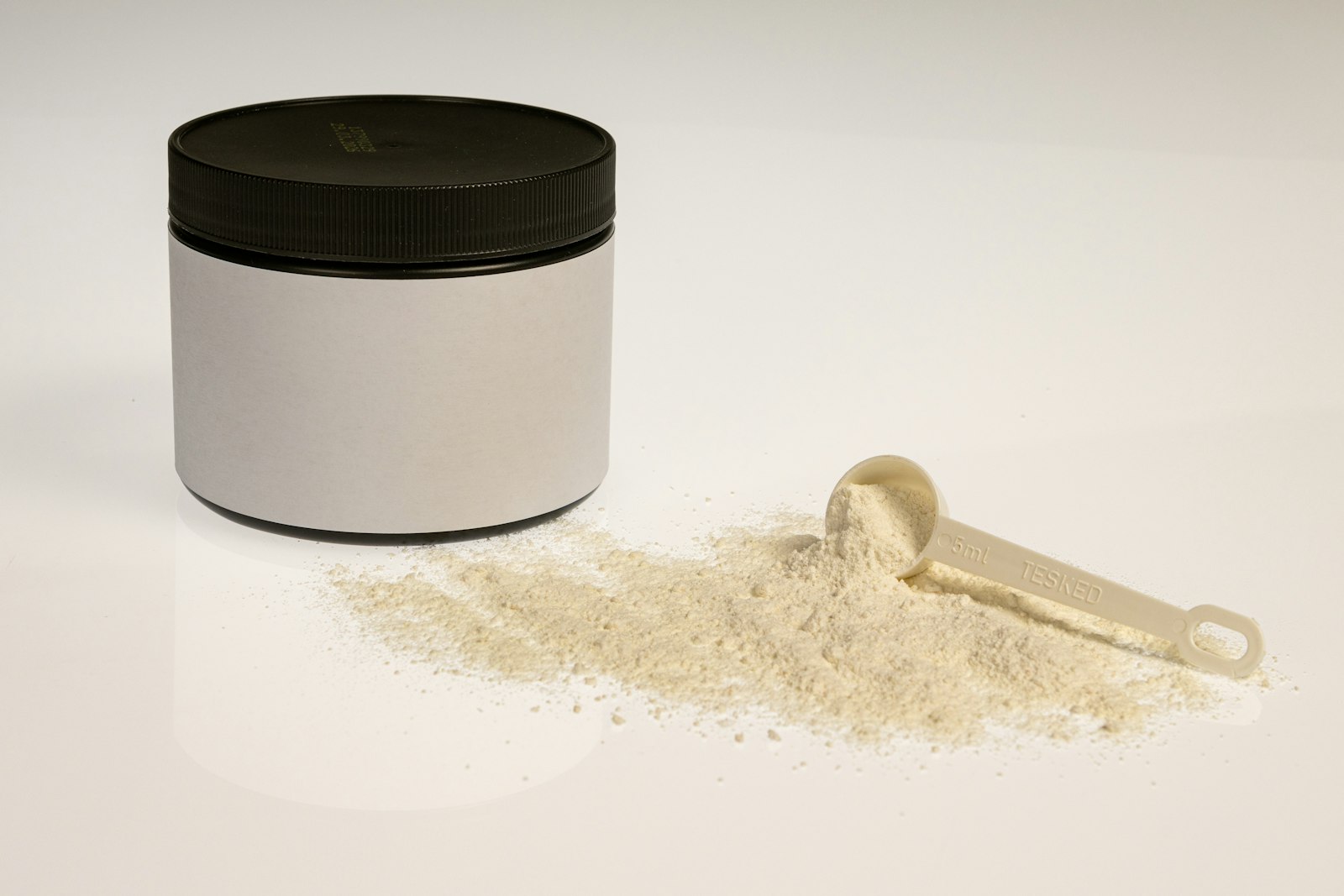
The recalled product is Nara Organics Whole Milk Organic Powdered Infant Formula, sold at Target stores, Target.com, and Nara.com between July 2025 and June 2026. The recall covers all lots — not a specific batch or date range — meaning any container of this exact product currently in a home should be treated as recalled.
How the recall came about
Federal officials identified infant botulism cases and traced them back to this formula. The company announced the recall on a Saturday in mid-June 2026, shortly after being notified of the findings. As of the most recent public update, four infants with confirmed infant botulism had been reported across three states — California (2 cases), Pennsylvania (1 case), and Washington (1 case). All four infants were hospitalized and treated; no deaths have been reported.
What is infant botulism, and why formula specifically?
Infant botulism is a rare but serious illness caused by a toxin from the bacterium Clostridium botulinum. Unlike foodborne botulism in older children and adults (usually from improperly canned food), infant botulism in babies under 12 months typically happens when bacterial spores — which can be present in honey, soil, or certain foods — are ingested and then colonize an infant's still-developing gut, where they produce the toxin internally. Investigators are working to determine exactly how contamination may have entered the formula's production or packaging process; as of this writing, the company and federal agencies have not published a final root-cause finding. Root-cause investigations for a food-safety event like this one can take months, since tracing contamination back through a manufacturing and supply chain involves reviewing records, testing equipment, and sometimes re-inspecting the facility itself.
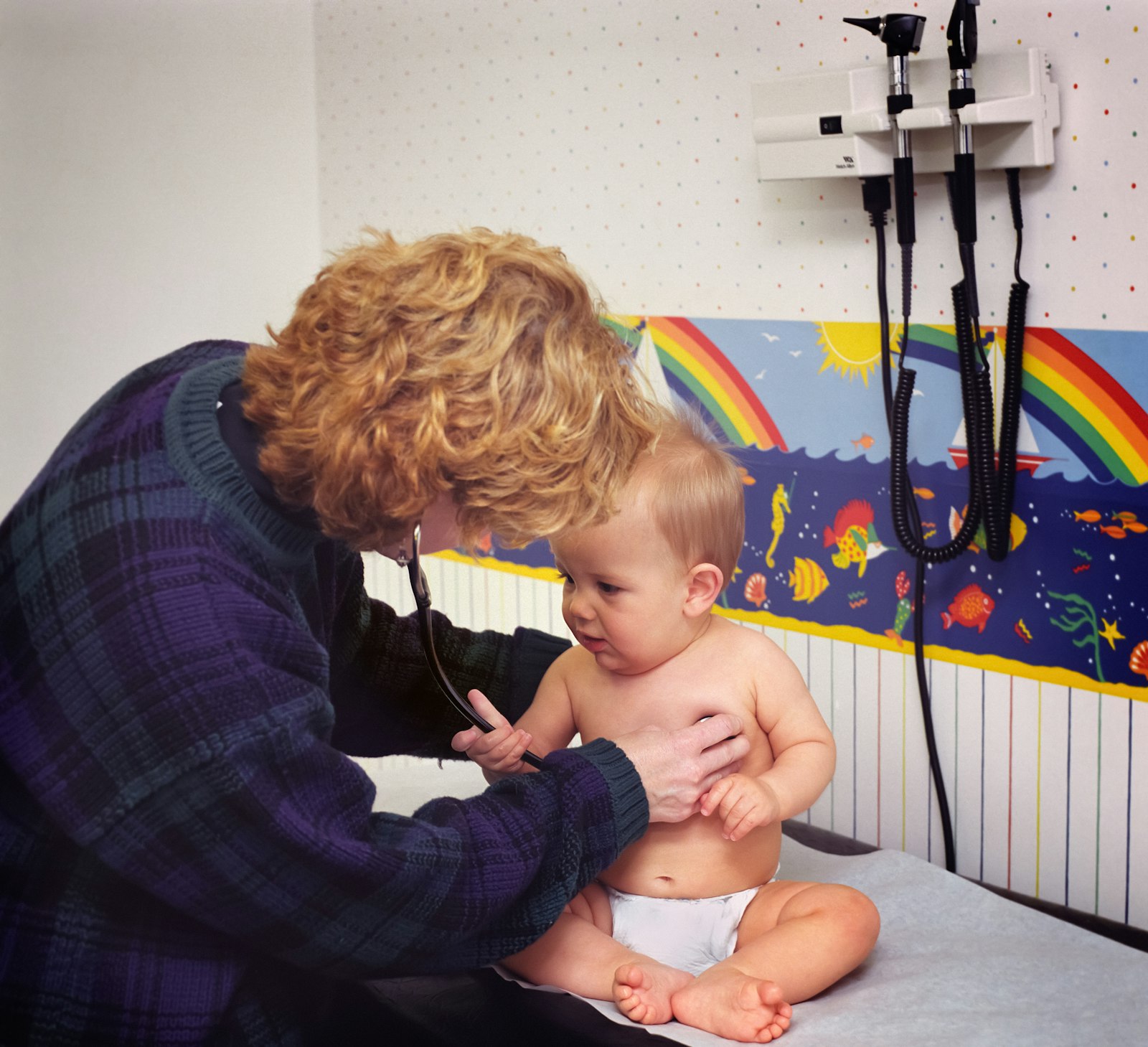
Signs and symptoms of infant botulism
- Constipation (often one of the earliest signs)
- Weak, altered, or "flat" cry
- Poor feeding or noticeably reduced sucking strength
- Decreased muscle tone — a baby who seems unusually floppy or has trouble holding their head up
- Drooping eyelids
- Difficulty swallowing, with increased drooling
- Lethargy or a marked change in alertness
These symptoms can progress over hours to days. Infant botulism is treatable, especially when caught early — if your baby has consumed this formula and shows any of the signs above, contact your pediatrician right away or go to an emergency room.
What infant botulism actually is
Infant botulism is caused by Clostridium botulinum spores that, once ingested, can colonize a baby's immature digestive tract and produce a toxin that affects the nervous system — this is different from the foodborne botulism adults sometimes get from improperly canned food, where the toxin itself is already present before eating. It's the same reasoning behind the well-known advice not to give honey to babies under 12 months, since honey can carry these spores and an infant's gut hasn't yet developed the mature bacterial environment that keeps the spores from taking hold. In a formula recall like this one, contamination is believed to occur during manufacturing rather than from anything a parent did.
Why powdered formula carries this specific risk
Powdered infant formula is not sterile the way ready-to-feed liquid formula is, since it isn't commercially sterilized after packaging — it's manufactured under strict controls, but a contamination event during production, however rare, can end up in a powdered product in a way that's less likely with liquid formula that undergoes a sterilization step. This is part of why the FDA and manufacturers maintain rigorous testing protocols specifically for powdered formula production lines, and why a rare event like this one triggers a full recall rather than a narrower response.
Choosing a replacement formula without second-guessing every brand
If you need to switch away from a recalled product, your pediatrician can recommend a comparable formula matching your baby's specific nutritional needs (standard, organic, sensitive, or specialized formulas all have direct equivalents from other manufacturers). Switching formula brands generally doesn't require a gradual transition the way introducing a new food might — most babies adjust to a different formula within a few days, though mentioning any digestive changes to your pediatrician is reasonable if you're concerned.
Should you be worried about a formula shortage?
No. Nara Organics Whole Milk Organic Infant Formula makes up less than 1% of all infant formula sold in the United States. Federal officials and the company have both stated this recall does not create supply concerns for parents using other formula brands.
What to do right now
- Stop feeding your baby this specific product immediately if you have it.
- Check the container against the official recall notice for exact product naming, since counterfeit or relabeled products can sometimes cause confusion during a recall.
- Don't panic if your baby has consumed it and shows no symptoms — most babies who consumed formula from a recalled lot do not necessarily develop illness, but staying alert to the signs above for the following days is a reasonable precaution.
- Contact your pediatrician with questions specific to your baby, especially if you're unsure whether a symptom is worth an urgent visit.
- Follow the manufacturer's and FDA's instructions for retaining, returning, or disposing of the product, since recall processes sometimes ask you to keep the container and lot number for reference.
The bigger picture on formula safety
Recalls like this one are alarming, but they're also part of a food-safety system that's actively working: the pattern of illness was identified, traced to a specific product, and acted on quickly, at a small number of cases rather than a larger outbreak. If you're feeling anxious about formula safety generally, it's worth remembering that the vast majority of infant formula sold in the U.S. is manufactured and tested under strict FDA oversight, and recalls — while unsettling — represent that oversight functioning as intended.
How infant formula recalls generally happen
Most formula recalls start one of two ways: routine internal or FDA testing turns up a contaminant before any baby gets sick, or, as in this case, health officials notice a small cluster of illnesses in infants and trace it back to a shared product through lab testing and interviews about what each affected baby had been fed. The FDA and manufacturers both monitor for this kind of pattern, and formula production lines are subject to more frequent testing requirements than most other food categories specifically because of how vulnerable infants are to contamination that a healthy older child or adult might tolerate without symptoms. Once a link is confirmed, the company typically issues a voluntary recall in cooperation with the FDA, which is faster than waiting for a mandatory recall order and is the more common path for infant formula specifically.
How to check if a product you have at home is part of any recall
- Check the FDA's recall and safety alerts page, which lists current food and formula recalls with product names, lot numbers, and images of affected packaging.
- Compare your container against the official notice carefully — recalls are often specific to certain lot numbers or manufacturing dates, though some, like this one, cover all lots of a product.
- If you're unsure whether your exact product matches, most manufacturers list a customer service number on the container specifically for recall questions.
- Sign up for recall alerts from the FDA or the retailer you buy formula from, so you're notified directly rather than relying on news coverage.
General formula storage and preparation safety
Separate from any specific recall, a few general practices reduce the risk of contamination in formula feeding overall. Powdered formula should be mixed with water at the temperature and ratio specified on the label, since incorrect dilution affects both nutrition and, in some cases, safety. Prepared formula that isn't used within about two hours at room temperature, or 24 hours refrigerated, should be discarded rather than reused, since bacteria can multiply in prepared formula even when it looks and smells normal. Scoops, bottles, and mixing containers should be washed thoroughly between uses, and for babies under three months, premature infants, or babies with weakened immune systems, some pediatricians recommend using previously boiled and cooled water for mixing as an extra precaution, particularly for well water or water of uncertain quality.
A brief history of formula recalls
Infant formula recalls are uncommon but not unprecedented, and past recalls have involved a range of causes: bacterial contamination (including other cases of suspected botulism-related organisms), foreign material found during manufacturing, and mislabeling of allergen or nutritional information. Each past incident has generally led to tightened testing and manufacturing protocols industry-wide, not just at the specific company involved, since the FDA often uses a single company's recall investigation to review broader industry practices. This pattern, while it doesn't make any single recall less unsettling for an affected family, is part of why formula safety has generally improved over time rather than staying static or getting worse.
Switching formulas without extra stress
If a recall forces an unplanned formula switch, most babies tolerate a change in brand within a few days without a gradual transition, unlike introducing a new solid food. Watch for looser or firmer stools, increased gas, or fussiness during feeds in the first few days, all of which are common and usually settle on their own. If symptoms persist beyond a week, or if your baby seems to be in pain, isn't gaining weight as expected, or develops a rash, contact your pediatrician, since these can sometimes indicate an intolerance to a specific formula's protein source rather than a normal adjustment period.
Where to find support during a recall
Beyond your pediatrician, the recalling company's customer service line typically has the most current, product-specific information, including guidance on refunds or replacement product. Local WIC offices, if you receive formula assistance through that program, can also help navigate switching to an approved alternative during a recall without a gap in benefits or supply. It's reasonable to reach out to more than one of these resources if you're not getting a clear answer from the first one you try, and keeping a short written note of who you spoke with, when, and what they told you can help if you need to follow up again later.
Frequently asked questions
What exact product was recalled?
Nara Organics Whole Milk Organic Powdered Infant Formula, sold at Target stores, Target.com, and Nara.com between July 2025 and June 2026. All lots are included in the recall, not a specific date range.
How many babies were affected?
As of the most recent public update, four infants with confirmed infant botulism were reported across three states — California, Pennsylvania, and Washington. All were hospitalized and treated, and no deaths have been reported.
Will there be a formula shortage because of this recall?
No — this specific product makes up less than 1% of all infant formula sold in the U.S., and officials have stated the recall does not create shortage concerns for other formula brands.
How can I tell if my container is part of this recall or a future one?
Compare the product name and packaging on your container against the official recall notice on the FDA's website. For this specific recall, all lots of Nara Organics Whole Milk Organic Powdered Infant Formula are included, so an exact product-name match is enough, without needing to check a specific lot number.
Is it safe to switch formulas quickly during a recall?
Generally yes. Most babies adjust to a different formula brand within a few days without needing a gradual transition. Watch for changes in stool consistency, gas, or fussiness during the switch, and check in with your pediatrician if anything seems off beyond the first week.