Photo: Pexels
Baby bottles seem simple until you're standing in a store aisle facing dozens of brands, shapes, and claims about colic reduction and anti-gas venting systems. Most babies actually do fine with a wide range of bottles, so the goal isn't finding a mythical "best" bottle — it's understanding what genuinely matters so you don't overspend or over-research a decision that's often more flexible than it looks. Plenty of parents buy a small set, discover their baby has an opinion about it, and end up switching once or twice before landing on what works, which is completely normal and not a sign anything was chosen wrong the first time.
The main bottle types
- Standard bottles — simple, widely compatible with most nipples and breast pump systems, and usually the most affordable option.
- Wide-neck bottles — designed to feel more similar to a breast for babies who go back and forth between breast and bottle, and generally easier to clean.
- Anti-colic bottles — built with internal venting systems meant to reduce the air a baby swallows during feeding, which may help some babies with gas or fussiness, though results vary by baby.
- Glass bottles — free of any concern about plastic chemicals leaching over time, heavier and more breakable, but easy to sanitize thoroughly.
What actually matters
- Nipple flow rate matters more than the bottle brand — a flow that's too fast can cause choking or overfeeding, while too slow can frustrate a hungry baby. Flow rates are typically labeled by stage or age range.
- Ease of cleaning — fewer parts generally means less to wash and less to lose, which matters a lot once you're doing this multiple times a day.
- Compatibility with your pump, if you're pumping, since some bottle brands connect directly to specific pump systems and save a step.
- BPA-free construction — required by law in the US since 2012 for baby bottles, so this is now a baseline rather than a premium feature to look for.
How many bottles you actually need
For exclusively formula-fed babies, 6-8 bottles is a reasonable starting point to avoid having to wash a full set between every single feed of the day. For babies who are mostly breastfed with only occasional bottles, 2-4 is usually plenty. It's worth holding off on buying a large supply of any single bottle type until you've confirmed your baby actually takes to it, since some babies are surprisingly particular about nipple shape or flow.
A practical way to choose without overbuying
Rather than committing to a full set of one brand upfront, buying two or three bottles each from two different types (say, a standard and a wide-neck anti-colic option) lets you see what your baby actually prefers before spending more. Many hospitals also send new parents home with a couple of sample bottles, which is often enough to gauge initial preference before making a bigger purchase.
When to switch bottle sizes or nipple flow
Most nipples are labeled by stage (often newborn, slow-flow, medium-flow, fast-flow) rather than a specific age, since babies vary in how quickly they're ready to move up. Signs it might be time to size up include a baby who seems to work very hard and gets frustrated during a feed, takes an unusually long time to finish a bottle, or falls asleep from the effort before finishing. Signs the flow might be too fast include frequent gulping, coughing, milk dribbling from the corners of the mouth, or a baby who seems to finish very quickly and then still seems unsettled or gassy afterward.
Number of parts and how that affects your routine
Bottles range from simple two-piece designs (nipple and body) to more elaborate anti-colic systems with five or more separate parts, including internal vents, straws, and collars. Extra parts can genuinely help reduce swallowed air for some babies, but they also mean more pieces to track, wash, and reassemble correctly every single time, which adds up across a day of six or more feeds. Before committing to a heavily engineered system for a whole newborn stage, it's worth weighing whether the potential benefit is worth the extra time at the sink, especially in the early weeks when sleep and time are already scarce. Some families start simple and only move to a more complex anti-colic design if gas or fussiness turns out to be a persistent issue worth addressing directly.
Caring for bottles long-term
Inspecting nipples regularly for tears, discoloration, or a sticky texture matters more than most parents realize, since a damaged nipple can change flow rate unpredictably or pose a small choking risk if a piece tears off. Most manufacturers recommend replacing nipples every 1 to 2 months with regular use, even if they look fine, since wear isn't always visible. Running bottle parts through a dishwasher's top rack or a dedicated bottle sanitizer periodically, in addition to regular hand washing, helps cut down on buildup in the small crevices that hand washing alone can miss.
Paced bottle feeding, and why it matters
Paced bottle feeding is a technique that mimics the natural start-and-stop rhythm of breastfeeding, and it's worth learning regardless of which bottle you choose. Instead of holding the bottle straight down and letting gravity do the work, the baby is held more upright, the bottle is tilted just enough for milk to fill the nipple tip without flooding it, and short breaks are built in every so often so the baby can pause and signal fullness. This approach tends to reduce overfeeding, gas, and spit-up, and it's especially useful for breastfed babies who take occasional bottles, since it keeps the feeding experience closer to what they're used to at the breast. Many pediatric and lactation resources, including the American Academy of Pediatrics, describe this technique in more detail for parents who want to see it demonstrated step by step.
Warming and preparing bottles safely
Warming a bottle isn't strictly necessary since many babies are fine with room-temperature or even cold milk, but for those who prefer it warm, a bottle warmer, a bowl of warm water, or running the bottle under warm tap water all work well. Microwaving is not recommended because it heats unevenly and can create hidden hot spots that don't feel warm on the outside of the bottle but can burn a baby's mouth. After warming, always test the temperature on the inside of your wrist before feeding, and swirl (rather than shake) formula or breast milk gently to mix evenly without introducing excess air bubbles that can contribute to gas.
Troubleshooting common bottle problems
- Baby refuses the bottle entirely. Try a different caregiver offering it, a different room or position, or a nipple shape closer to what they're used to; persistence over several attempts often works better than switching brands repeatedly.
- Milk leaks from the nipple when not in use. Usually means the flow rate is too fast for how the bottle is held, or the nipple and collar aren't screwed together tightly enough.
- Baby seems gassy after every feed. Check that the bottle is tilted enough to keep the nipple full of milk rather than air, and consider trying a slower flow or a vented anti-colic design.
- Excessive spit-up during or after feeds. Can relate to overfeeding, flow rate, or positioning; a pediatrician can help rule out reflux if it's frequent or seems to bother the baby.
Traveling and bottle-feeding on the go
Feeding away from home adds a few extra considerations worth planning for. Pre-measuring powdered formula into individual travel containers or using ready-to-feed formula for short outings avoids fumbling with a full canister in public. An insulated bottle bag keeps prepared bottles at a safe temperature for a few hours, though the CDC and most pediatric guidance recommend not letting a prepared bottle sit at room temperature for more than about two hours, or one hour in warm weather. For longer trips, a portable bottle warmer that runs off a car charger or portable battery can be a genuinely useful purchase, though a bowl of hot water from a coffee shop or restaurant accomplishes the same thing in a pinch.
Transitioning away from bottles later on
While not the main focus when first choosing a bottle, it's worth knowing that pediatric guidance generally recommends moving away from bottles by around 12 to 18 months in favor of an open or straw cup, partly for dental health reasons. Bottles with a wide base and simple design tend to make this eventual transition smoother, since a child who is already comfortable holding and drinking from a familiar shape adapts faster to a similarly shaped cup than one used to a very specialized bottle design.
Introducing a cup alongside the bottle well before the transition is expected to happen, rather than switching abruptly at 12 months, gives a child time to get comfortable with the new skill without also losing a familiar comfort item all at once.
Our picks
Each pick below was checked against real order and rating data — not pulled from the top of a search page — so every one genuinely holds a 98%+ rating from a meaningful number of real buyers.
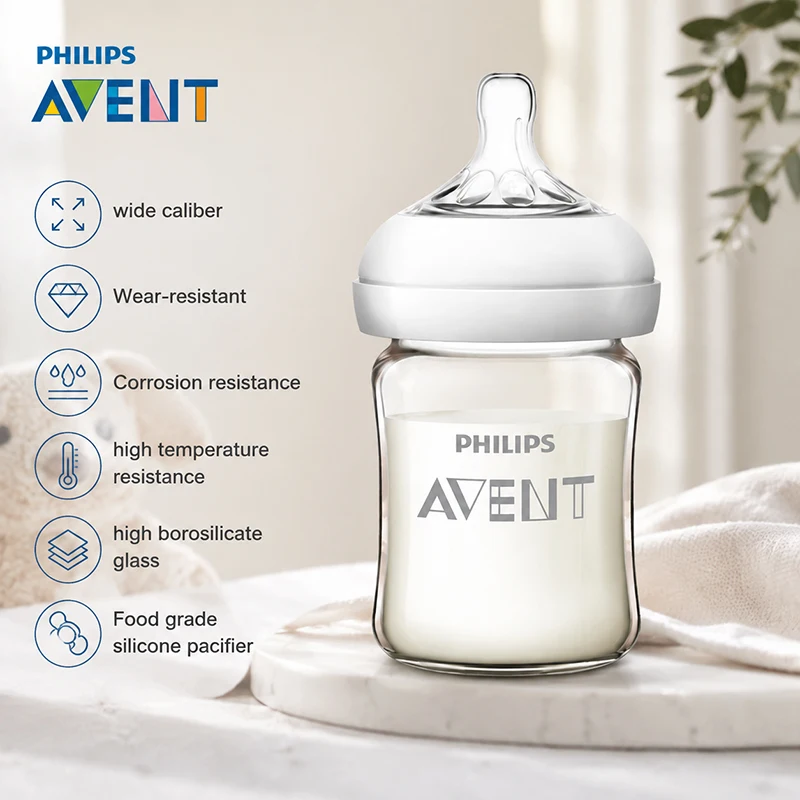
Avent Newborn Baby Bottle SCF678 125ml/160ml Baby Glass Bottles Newborn Feedin…
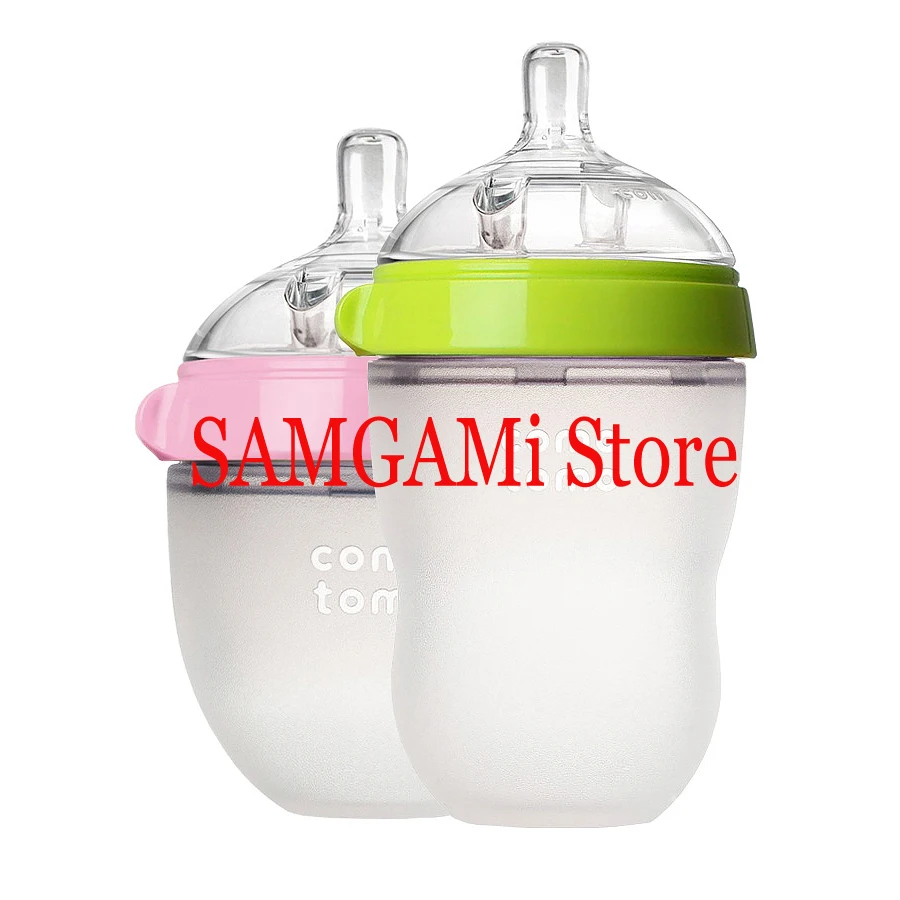
Silicone Baby Bottle Green/Pink 5 oz and 8 oz Baby Bottles 2 Pack BPA free Fee…
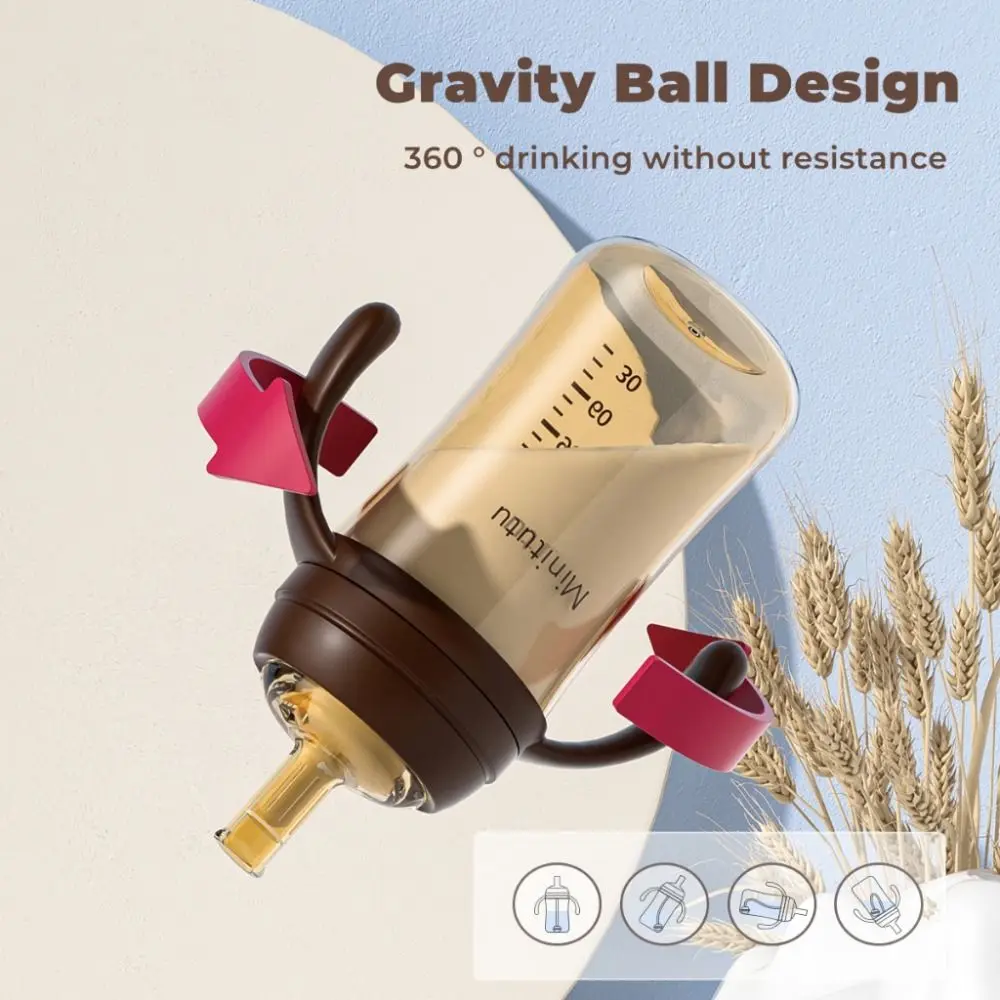
High capacity 240ml/300ml Straw Cup PP Material 5CM Wide Neck Milk Bottle Anti…
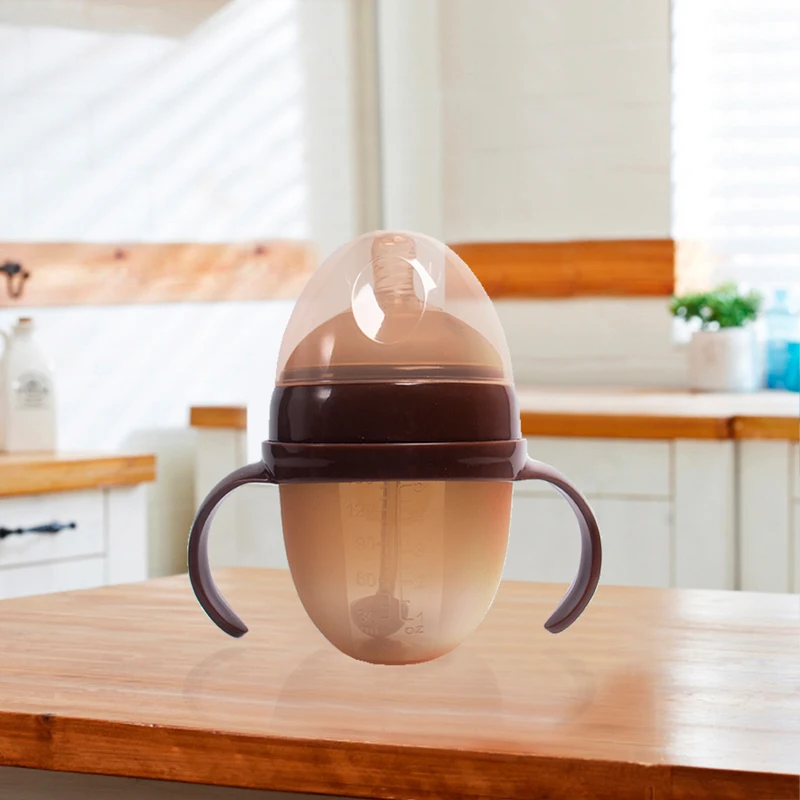
1Pc Silicone Baby Bottle 150ml/240ml Soft Durable against drops Big Mouth Paci…
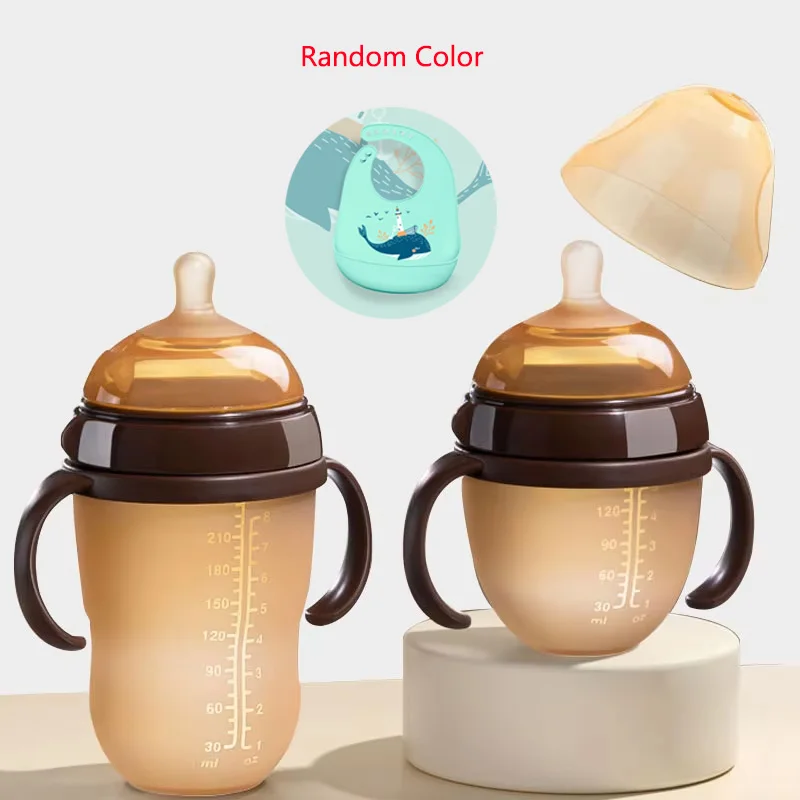
Silicone Nano Feeding Bottles Baby Bottle with Handle for Baby Weaning Anti-Ch…
Affiliate links — we may earn a commission at no extra cost to you. Learn more.
Frequently asked questions
Do anti-colic bottles really make a difference?
For some babies, yes — reducing swallowed air can ease gas and fussiness, but results vary a lot by baby, and bottle choice is just one factor among several that affect colic-like symptoms.
Is glass or plastic better for baby bottles?
Both are considered safe when BPA-free; glass avoids any chemical-leaching concern entirely and is easier to sanitize thoroughly, while plastic is lighter and more break-resistant, which matters more once a baby starts holding their own bottle.
Do I need to buy the same brand of bottle my hospital used?
No — babies can typically switch between bottle brands without issue, though some babies do show a preference for a specific nipple shape or flow, which is worth testing before buying a large supply of any one brand.
Can I mix breast milk and formula in the same bottle?
Yes, many parents do this during a combo-feeding period. It's generally recommended to prepare formula according to package instructions first, then add breast milk, rather than using breast milk in place of the water in a formula recipe, since that changes the concentration of the mixture.
How long can a made-up bottle sit out before it needs to be discarded?
General guidance suggests using a prepared bottle within about two hours at room temperature, or within one hour once a baby has started drinking from it, since bacteria from saliva can multiply in the leftover milk. Refrigerated, unused prepared formula is typically fine for about 24 hours; check your formula's packaging and your pediatrician's specific guidance for details.