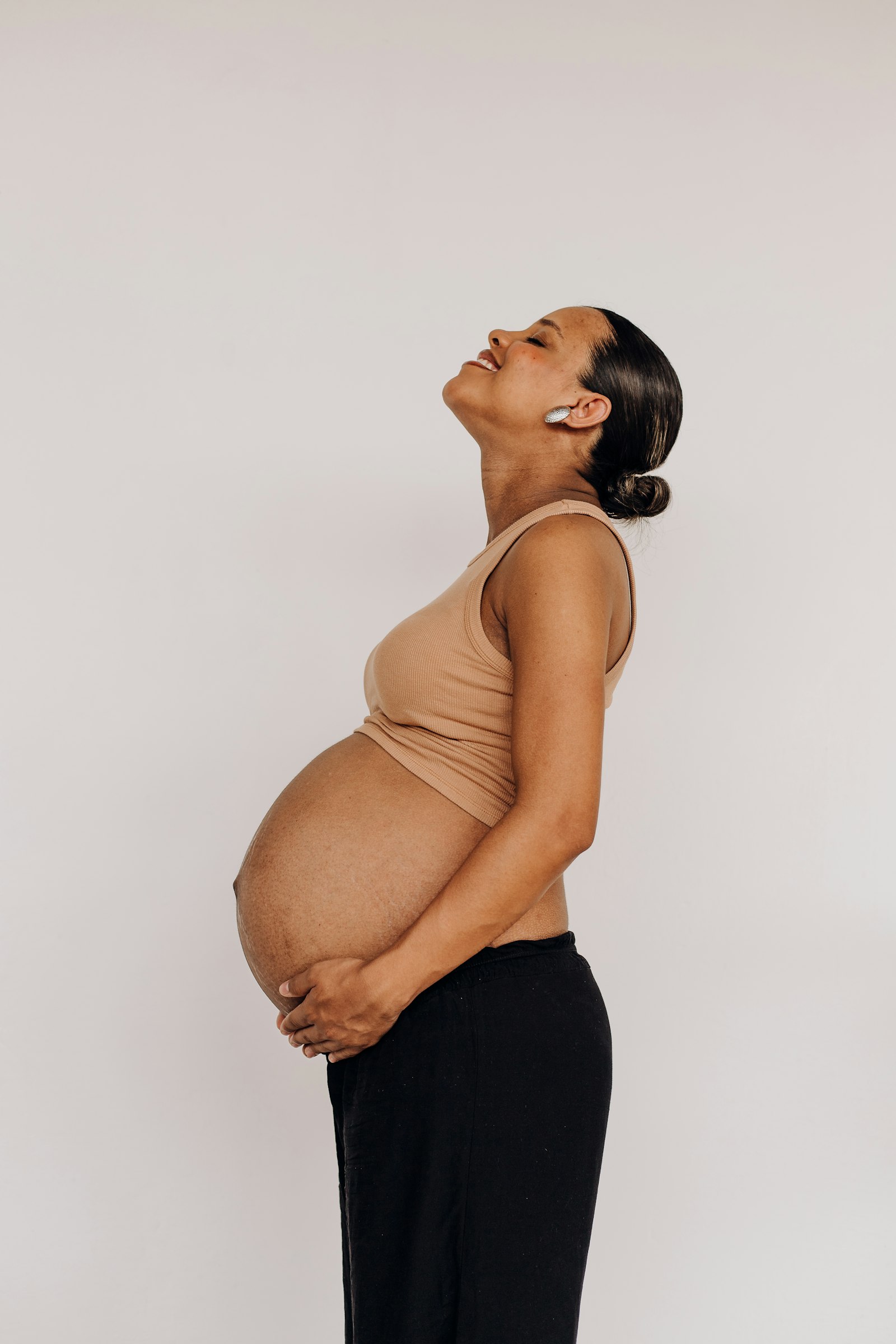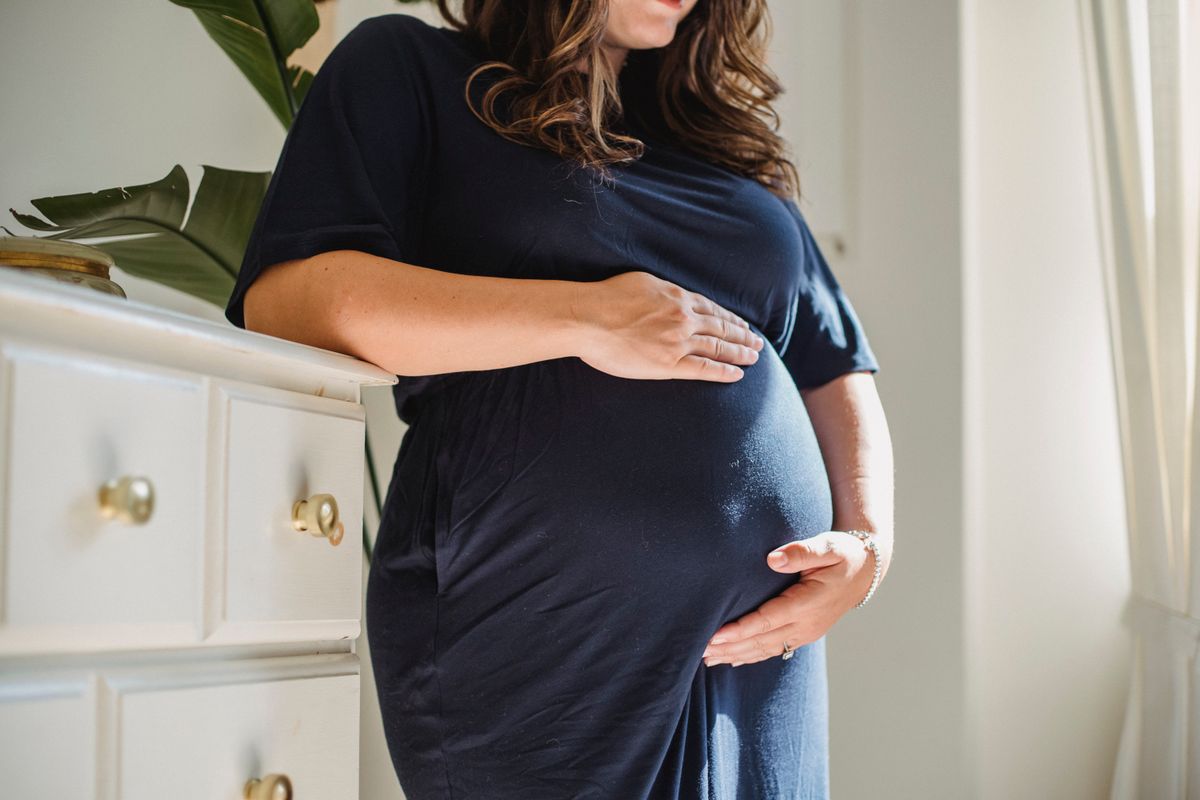
Photo: Pexels
Back pain during pregnancy is common, affecting most pregnant people at some point, usually from the second trimester onward. It happens because the hormone relaxin loosens joints and ligaments, your center of gravity shifts forward, and your posture changes to carry the extra weight. Gentle stretching, better posture, supportive sleep positions, and short walks relieve most of it, and acetaminophen is generally the medication option to discuss with your provider if you need more.
Why pregnancy causes back pain
A few things happen at once during pregnancy, and each one puts extra load on your back. Understanding the mechanics makes the relief strategies below make a lot more sense, since most of them are aimed directly at one of these causes.
Your body releases more of the hormone relaxin starting in the first trimester. Relaxin's job is to loosen the ligaments around the pelvis so it can widen enough for delivery, but it doesn't only act on the pelvis. It loosens ligaments throughout the body, including the ones that normally hold your spine's joints snug and stable. Looser ligaments mean less support and more strain on the muscles that have to pick up the slack.
At the same time, your growing uterus shifts your center of gravity forward and down. Most people unconsciously compensate by leaning back slightly and arching the lower spine more than usual, a posture change that tightens the muscles along the lower back while stretching and weakening the abdominal muscles that would normally help support the spine from the front. Add the straightforward fact of carrying more weight, often 25 to 35 pounds by the third trimester, concentrated at the front of the body, and the lower back ends up doing a lot more work than it did before pregnancy.
Weight gain also changes how weight moves through your hips and legs while walking, which is part of why some people develop hip or pelvic pain alongside classic lower back pain. And for people who were already dealing with some back stiffness or an old injury before pregnancy, these combined changes tend to make an existing issue more noticeable rather than create something entirely new.
The different types of pregnancy back pain
Not all pregnancy back pain feels the same, and the type you have affects what actually helps. Providers generally group it into a few patterns.
- Lower back pain: the most common type, felt across the lower back and sometimes radiating into the buttocks. It usually gets worse by the end of the day, after standing or sitting for a long stretch, and with lifting.
- Pelvic girdle pain (PGP), also called symphysis pubis dysfunction (SPD): felt at the front of the pelvis over the pubic bone, or at the joints toward the back of the pelvis near the dimples above the buttocks. It tends to flare with walking, climbing stairs, standing on one leg (getting dressed, getting out of a car), and turning over in bed. It's caused by the same relaxin-driven loosening described above, concentrated at the pelvic joints themselves.
- Sciatica-like pain: a sharp, shooting, or burning pain that runs from the lower back or buttock down the back of one leg, sometimes with tingling or numbness. During pregnancy, this is usually caused by pressure or irritation from pelvic changes and posture rather than a true disc problem, though it can feel just as intense either way.
These types can overlap. It's common to have general lower back aching most days with occasional sharper pelvic pain when getting out of bed or the car.
What to expect, trimester by trimester
First trimester: back pain is less common early on, though some people notice mild aching tied to hormonal shifts and early ligament loosening rather than any visible weight change yet.
Second trimester: this is when back pain typically starts or ramps up for most people. The belly is now noticeably heavier and the postural shift becomes more pronounced. Pelvic girdle pain often first shows up in this window too.
Third trimester: back and pelvic pain are usually at their most intense, since the baby is at its heaviest and ligament laxity is highest ahead of labor. Sleep becomes harder to manage comfortably, which is part of why sleep position matters so much in this stretch (our guide to pregnancy insomnia causes and relief covers the sleep side of the third trimester in more depth). Many people also notice more frequent Braxton Hicks-type tightening around the same time, which is worth telling apart from the rhythmic cramping described in the red flags section below.
Step-by-step relief that actually helps
- Fix standing and sitting posture first. Stand with weight even across both feet, shoulders back and relaxed rather than rounded forward, and avoid locking the knees. When sitting, use a small pillow or rolled towel behind the lower back, and keep feet flat on the floor or a low step stool rather than crossed or tucked under you.
- Sleep on your side with a pillow between your knees. Side-lying, generally the left side, with a pillow between the knees and another under the belly for support, keeps the pelvis in better alignment overnight and takes pressure off the lower back compared with lying flat or on the back.
- Use heat, but not directly on the belly. A warm (not hot) heating pad or warm compress on the lower back or shoulders for 15 to 20 minutes at a time can ease tight muscles. Keep a cloth between the pad and skin, and avoid placing prolonged direct heat over the belly itself.
- Add a few safe daily stretches. Cat-cow (on hands and knees, alternating between arching and rounding the back slowly with your breath) and pelvic tilts (standing against a wall or lying down, gently flattening the lower back by tilting the pelvis) both target the exact muscles that tighten from the postural shift described earlier.
- Consider prenatal massage. A massage therapist trained in prenatal work knows which positions and pressure points to use and avoid, and many people find it meaningfully reduces muscle tension, especially in the second and third trimesters.
- Try a maternity support belt. A well-fitted support belt sits under the belly and takes some of the weight off the lower back and pelvic ligaments. It works best as a support during activity, not as something worn all day, since the underlying muscles still need to do some of their own work.
- Wear supportive, flat or low-heeled shoes. Pregnancy already shifts your center of gravity forward, and heels make that worse while flattening arch support removes a layer of shock absorption your lower back relies on.
- Lift correctly, every time. Bend at the knees, not the waist, keep whatever you're lifting close to your body, and avoid twisting while holding something heavy. This matters even for light everyday items, since the loosened ligaments make awkward lifting more likely to strain something.
- Stand and sit with even weight and a supported lower back
- Sleep on your side with a pillow between the knees
- Use warm (not hot) heat on the back, never directly on the belly
- Do cat-cow and pelvic tilts most days
- Wear flat, supportive shoes and lift with your knees
Exercise that helps
Staying appropriately active during pregnancy, rather than resting completely, is one of the more effective long-term strategies for back pain, since stronger core and back muscles handle the added load better. Walking at a comfortable pace is the simplest option and needs no equipment. Swimming and water aerobics are especially good choices for back pain specifically, since the water supports the belly's weight and takes pressure off the spine and pelvic joints while still building strength. Prenatal yoga, taught by an instructor familiar with pregnancy modifications, combines gentle strengthening with the same kind of stretching described above. Our full guide to safe exercise during pregnancy walks through what's generally fine and what to modify at each stage, trimester by trimester.
Medication for pregnancy back pain
Acetaminophen (Tylenol) is generally the pain reliever discussed with a provider for pregnancy aches and pains, used at the lowest dose that helps and for the shortest time needed. NSAIDs, including ibuprofen and naproxen, are typically avoided during pregnancy unless a provider specifically says otherwise, and are generally not recommended from around 20 weeks on. Always check with your own provider before starting, continuing, or combining any medication, including anything sold over the counter, since individual circumstances can change what's appropriate.
When physical therapy is worth it
If pain is persistent, interfering with sleep or daily movement, or isn't responding to the basics above after a couple of weeks, ask your provider for a referral to a physical therapist experienced in prenatal or pelvic health care. A physical therapist can assess your specific posture, muscle imbalances, and pelvic alignment, then build a targeted plan rather than relying on generic advice. This is especially worth pursuing for pelvic girdle pain, which often responds well to targeted manual therapy and specific stabilizing exercises that are hard to figure out on your own.
A realistic scenario
Picture someone at 28 weeks who spends most of the workday at a desk. By mid-afternoon, a dull ache settles across her lower back, and getting up from her chair after sitting for a while now takes an extra second of bracing. At night, lying on her back to fall asleep makes it worse, and she wakes up sore. Over two weeks, she switches to side-sleeping with a pillow between her knees, sets a reminder to stand and walk for a few minutes every hour instead of sitting through the afternoon, and adds cat-cow stretches before bed. The ache doesn't disappear completely, but it drops from something she thinks about constantly to something mild she barely notices most days. That kind of partial, steady improvement, rather than a single fix, is the realistic outcome for most pregnancy back pain.
Common mistakes
- Waiting too long to change anything. Many people tolerate worsening pain for weeks before adjusting sleep position or posture, when small changes made early tend to prevent the pain from compounding.
- Resting completely instead of staying gently active. Too much rest can let supporting muscles weaken further, which often makes back pain worse over time rather than better.
- Doing ab-focused exercises that aren't pregnancy-safe. Traditional sit-ups and certain twisting core exercises can strain an already-stretched abdominal wall and offer little benefit compared with pregnancy-safe alternatives like pelvic tilts.
- Ignoring shoes. It's easy to overlook footwear, but worn-out or unsupportive shoes undercut almost every other change on this list.
- Ibuprofen out of habit. Reaching for a pre-pregnancy go-to pain reliever without checking with a provider first is a common and avoidable mistake.
Myths vs. facts
Myth: Back pain means something is wrong with the baby. Fact: Ordinary pregnancy back pain, from posture and ligament changes, has no direct connection to the baby's health. It's a musculoskeletal issue, not a sign of fetal distress.
Myth: You just have to suffer through it until delivery. Fact: Most people get meaningful relief from posture changes, sleep positioning, stretching, and appropriate exercise. Pain that doesn't improve at all with these steps is worth bringing to a provider rather than accepting as unavoidable.
Myth: Exercise will make pregnancy back pain worse. Fact: The right kind of movement, walking, swimming, prenatal yoga, and targeted stretching, generally reduces pain by strengthening the muscles that support the spine and pelvis. It's high-impact or ab-strain exercise that tends to aggravate it, not gentle activity in general.
Myth: A support belt fixes the underlying problem. Fact: A support belt can reduce discomfort during activity, but it's a supplement to posture and exercise changes, not a replacement for them.
When to call your provider
Ordinary pregnancy back pain is dull, achy, and changes with position, rest, or activity. Certain patterns are different and warrant a call rather than waiting it out.
- Back pain that comes in a rhythmic, wave-like pattern, which can be a sign of preterm labor
- Pain accompanied by a fever
- Pain with vaginal bleeding
- Burning or pain with urination alongside back pain, which can point to a urinary tract or kidney infection
- Numbness, tingling, or weakness in one or both legs
- Sudden, severe pain that's clearly different from your usual aching
None of these are common causes of routine pregnancy back pain, which is exactly why they stand out and deserve a prompt call rather than a wait-and-see approach. According to the American College of Obstetricians and Gynecologists and the NHS, ordinary pregnancy back pain is common and manageable, but new or unusual symptoms like these should always be checked by a provider.
Frequently asked questions
Is back pain during pregnancy normal?
Yes. Most pregnant people get some back or pelvic pain at some point, most often from the second trimester on, as the growing belly shifts posture and pregnancy hormones loosen the ligaments that normally stabilize the spine and pelvis. Normal back pain is usually dull, achy, and changes with position or activity. Pain that comes with rhythmic cramping, fever, bleeding, or leg weakness is not typical and needs a call to your provider.
What is the difference between regular back pain and pelvic girdle pain?
Regular pregnancy back pain tends to sit higher, around the lower back or mid-back, and often feels like ordinary muscle strain. Pelvic girdle pain (sometimes called SPD) is felt lower, around the pubic bone, hips, or the joints at the back of the pelvis, and often gets worse with walking, climbing stairs, turning over in bed, or standing on one leg to get dressed.
Can I take anything for pregnancy back pain?
Acetaminophen is generally the pain reliever discussed with a provider for pregnancy aches, used at the lowest effective dose for the shortest time needed. NSAIDs like ibuprofen and naproxen are typically avoided in pregnancy unless a provider specifically advises otherwise, particularly from 20 weeks on. Always check with your own provider before starting or continuing any medication during pregnancy.
Is it safe to use a heating pad for pregnancy back pain?
A heating pad on the lower back or shoulders is generally considered fine during pregnancy. The usual caution is to avoid direct, prolonged heat on the belly itself, and to keep the heat warm rather than hot, with a cloth barrier between the pad and skin.
When should I worry about back pain in pregnancy?
Contact your provider promptly for back pain that comes in a rhythmic, wave-like pattern (which can signal preterm labor), pain with fever, vaginal bleeding, burning with urination, numbness or weakness in the legs, or pain that is sudden, severe, and unlike anything you've felt before.
Does pregnancy back pain go away after birth?
For most people, back and pelvic pain improves within weeks of delivery as hormone levels drop and posture gradually returns to baseline. Pelvic girdle pain can take longer to resolve for some, and physical therapy can speed recovery if pain lingers well past the early postpartum weeks.