Photo: Unsplash
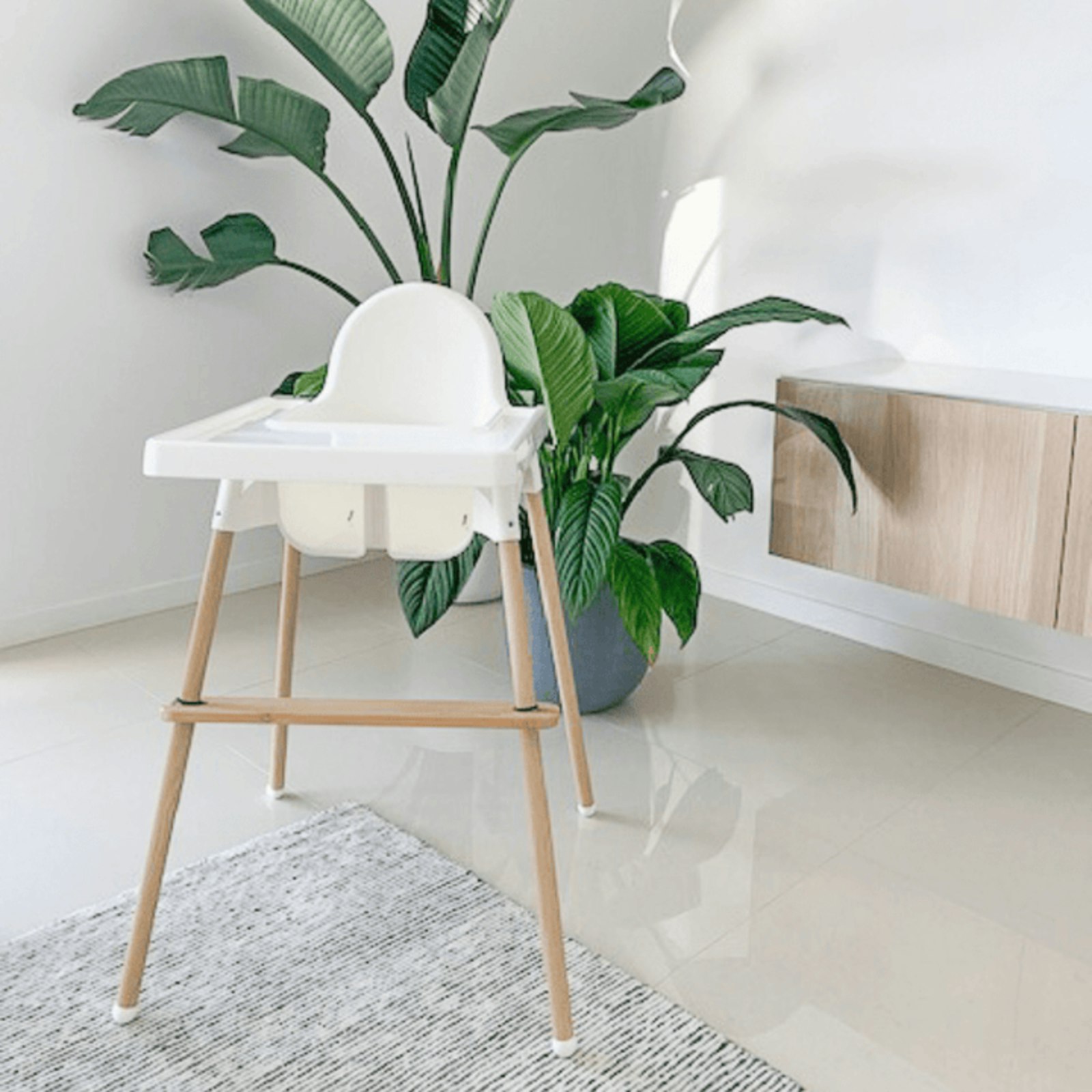
A high chair earns its keep for years — most families use one from the start of solids around 6 months through the toddler years, so ease of cleaning and adjustability matter as much as the initial price.
High chair types compared
| Type | Best for | Typical price range |
|---|---|---|
| Full-size, adjustable | Long-term use, growing with your child, families with a dedicated dining spot | $80–$300 |
| Compact/modern (smaller footprint) | Small kitchens, apartments, or families who want the chair to blend in visually | $60–$200 |
| Travel/booster (straps to a regular chair) | Grandparents' houses, restaurants, travel, tight spaces | $10–$40 |
| Hook-on table chair | Restaurants and travel specifically, not for regular home use | $20–$50 |
What to look for
- A 5-point harness, not just a 3-point or tray-only restraint — this matters more than almost any other feature.
- Height and recline adjustability, so the chair works from early solids through toddlerhood.
- A removable, dishwasher-safe tray — this alone determines how much you'll dread cleanup.
- A wide, stable base, especially if the chair will see an active toddler leaning or rocking.
- Fabric vs. wipeable plastic/vinyl seat padding — fabric looks nicer but stains and holds odors faster.
Safety certification to check for
In the US, look for JPMA (Juvenile Products Manufacturers Association) certification or compliance with the ASTM F404 standard, which covers harness strength, stability, and tray-locking mechanisms. A certified chair has been independently tested against tip-over and structural failure, which is worth confirming before buying any high chair — including from a marketplace listing.
What to check in the store before buying
- Push down firmly on the tray and armrests to check for wobble or flex in the frame, especially on chairs with thinner metal legs.
- Test the height adjustment lever with one hand while imagining holding a baby with the other; some mechanisms need two hands or significant force, which is impractical in real use.
- Check the harness buckle for how easily it releases; too easy and a toddler may learn to unbuckle it themselves within months, too stiff and it becomes a hassle at every single meal.
- Look underneath the seat and around the tray hinge for tight crevices that would be hard to reach with a sponge or cloth.
- If the chair folds for storage, actually fold and unfold it in the store; some folding mechanisms are far less intuitive than the display model makes them look.
How high chairs fit into an evolving mealtime routine
A high chair isn't just a place to contain a baby during meals, it's also where early habits around independent eating and family mealtime get established. A tray with enough surface area to spread out finger foods without everything sliding into a pile makes early self-feeding attempts less frustrating for both a baby and the adult cleaning up afterward. As a toddler starts eating more at the family table, a chair that can be pulled close to the table, or a booster that puts them at true table height, helps them feel included in the meal rather than off to the side in their own separate setup.
Cleaning and maintenance over the long haul
A high chair sees more daily mess than almost any other piece of baby gear, so how easy it is to actually clean matters more than it seems at purchase time. Look closely at the seams and crevices around the tray edge and seat — chairs with fewer tight gaps and crevices around the harness buckle are noticeably easier to wipe down after every meal, while ones with lots of small grooves tend to trap food debris that needs a toothbrush to reach. A tray that pops off with one hand, rather than requiring two hands or a button press on each side, makes the difference between wiping it at the sink after every meal or letting it sit dirty. Fabric seat pads, even ones marketed as machine washable, tend to look worn and stained within months of regular use — a wipeable vinyl or plastic seat pad, or a fabric cover with a fully removable design, holds up better for the two-plus years most families keep a high chair in daily rotation.
Matching the chair to your space and routine
Beyond safety and cleaning, the right high chair depends heavily on the shape of your actual kitchen and daily routine. In a small kitchen or apartment, a compact or foldable model that can be tucked against a wall or into a closet between meals prevents the chair from dominating a tight space. Families who eat at a shared table rather than a separate high chair tray sometimes prefer a booster seat that straps directly to a dining chair, which keeps the child at table height with everyone else — useful for a household that values eating together from early on. If grandparents or a regular sitter also feed the baby, a lightweight, easy-to-clean option that doesn't require assembly expertise makes handoffs between caregivers smoother. Think about your actual space and habits rather than the most feature-packed model in a review roundup — the "best" high chair is the one that fits how your family actually eats.
Step by step: setting up a new high chair safely
- Read the full assembly manual before starting, even for chairs that look simple to snap together. Missing a locking clip on a leg or tray hinge is a common assembly mistake that isn't obvious until the chair is already loaded with weight.
- Check every lock point once assembled. Test the tray lock, height adjustment lever, and recline mechanism by pressing firmly on each; none should give way or shift under moderate pressure.
- Fasten the harness on an empty chair first to confirm all straps are threaded correctly and the buckle clicks securely before your baby is ever in the seat.
- Position the chair away from counters, tables, or walls a toddler could push off from to tip the chair, and check that it sits level on your actual floor, not just a showroom floor.
- Register the product with the manufacturer, even if it feels like an unnecessary extra step, since registration is how you'll be notified directly if the model is ever recalled.
Common mistakes parents make with high chairs
- Skipping the harness once a baby "seems fine" sitting up. A calm baby one moment can lunge for a dropped spoon the next; the harness matters at every stage, not just for younger infants.
- Buying secondhand without checking the model's recall history. A chair that looks structurally fine can still have a recalled tray-locking mechanism or harness buckle that isn't obvious just from looking at it.
- Placing the chair too close to a table edge or counter. A toddler pushing off a nearby surface with their feet can tip a chair that would otherwise be perfectly stable.
- Not cleaning underneath the tray and seat regularly. Food debris that builds up in hinges and joints over months can interfere with locking mechanisms working as designed.
- Assuming all "adjustable" chairs adjust the same way. Recline range, tray positions, and height settings vary a lot between models, so check the actual range against your kitchen table height before buying, not just the word "adjustable" in the listing.
Myths vs. facts about high chairs
Myth: A more expensive high chair is automatically safer. Fact: safety comes from certification (JPMA/ASTM F404) and correct harness use, not price. Some budget chairs are certified and perfectly safe; some expensive ones have still been recalled.
Myth: Once a toddler can climb into a regular chair, the high chair is done. Fact: many toddlers still benefit from a booster or high chair with a harness well into the toddler years, especially at restaurants or unfamiliar homes, simply because their balance and impulse control are still developing.
Myth: A hook-on table chair is just as safe as a full high chair at home. Fact: hook-on chairs are designed and certified for travel and restaurant use specifically, on tables that can support the clamp mechanism, not as a full-time replacement for a proper high chair at home.
Buying secondhand or accepting a hand-me-down
A hand-me-down high chair can be a perfectly reasonable choice, but a few checks matter more for a used chair than a new one. Confirm the model hasn't been recalled by checking it against the manufacturer's site or the Consumer Product Safety Commission's recall database, since recalls on high chairs specifically tend to involve tray-locking failures or harness buckle defects that aren't visible just from looking at the chair. Check that all original hardware is present, since a missing screw or locking pin from a previous move or storage stint can compromise stability in ways that aren't obvious until weight is applied. If the chair is missing its instruction manual, most manufacturers post PDF versions online, which is worth tracking down so you know how the harness and recline mechanism are actually meant to work.
A realistic scenario
Consider a family who buys the cheapest hook-on travel chair they can find for a weekend at a relative's house, assuming any hook-on chair works the same way. It turns out the clamp mechanism doesn't fit securely on the relative's thinner table edge, and after a wobble mid-meal, they switch the baby to a lap for the rest of the visit. Afterward, they research chairs made specifically for a range of table thicknesses and buy one with an adjustable clamp width before their next trip. The lesson many parents learn the same way: "travel chair" isn't one standardized product, and checking compatibility with the specific tables you'll actually use matters as much as the chair's brand or price.
Our picks
Each of these was checked against real order and rating data before being added here — not picked from the top of a search page — so every pick genuinely holds a 98%+ rating (or in one case, a small but perfect early rating) from real buyers.
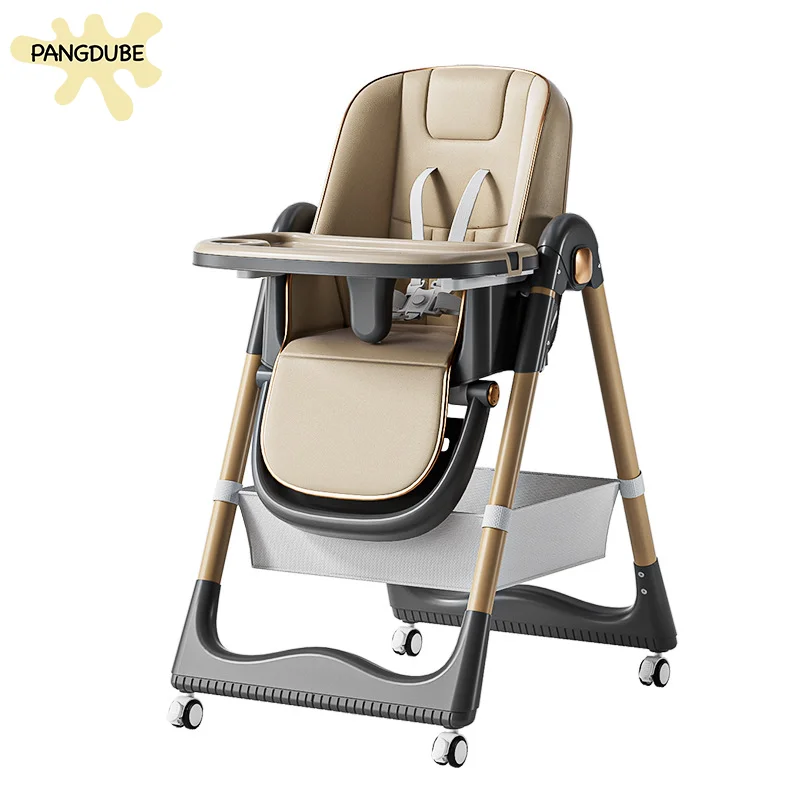
PANGDUBE Adjustable Baby High Chair 0-3 Years Foldable Toddler Dining Seat …
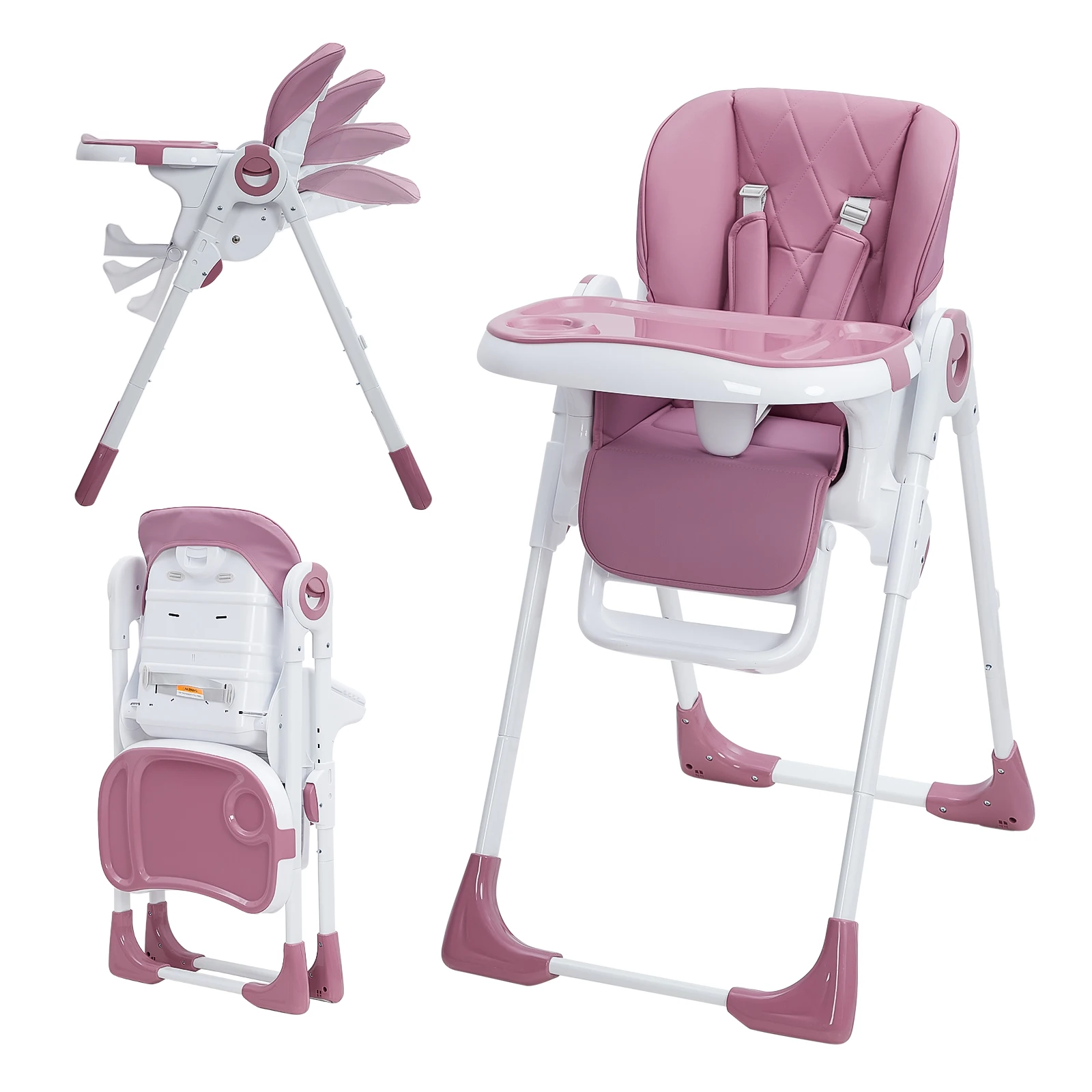
Baby High Chair, Multifunctional Infant High Chairs with Adjustable Height …

Travel Child Seat Portable Kids Chair Increase Cushion Insular Baby Dining …

Baby High Chair, Portable Baby Dining Chairs Eat & Play Convertible High Ch…
Affiliate links — we may earn a commission at no extra cost to you. Learn more.
Frequently asked questions
What age can a baby start using a high chair?
Most babies are ready once they can sit up unsupported with good head and neck control, typically around 5 to 6 months and usually right around the start of solid foods. Always use the harness even once a baby seems steady.
Is a 3-point harness enough, or do I need a 5-point?
A 5-point harness (over both shoulders, at the hips, and between the legs) is meaningfully safer than a 3-point harness, since it prevents a toddler from standing or sliding out — a real risk once a baby becomes an active, wiggly toddler.
How do I know if a high chair is actually certified?
Look for a JPMA certification sticker or explicit mention of ASTM F404 compliance in the product listing or manual. If a marketplace listing doesn’t mention either, it’s worth asking the seller directly before buying, especially for daily use.
How long should I expect a high chair to last?
Most families use one high chair from around 6 months through age 2 to 3, sometimes longer if the model converts to a toddler chair. A well-made, adjustable model that grows with your child usually outlasts a cheaper fixed-height chair by a year or more.
Is it safe to buy a secondhand high chair?
It can be, as long as you check the specific model against the CPSC recall database, confirm all original hardware and the harness are present and functioning, and give the tray and recline mechanisms a thorough test before regular use.