Photo: Pexels
If your newborn's skin or eyes take on a yellowish tint in the first week of life, you are far from alone — jaundice shows up in a large majority of newborns to some degree, and for most babies it is a temporary, self-resolving part of adjusting to life outside the womb. Still, "very common" doesn't mean "never worth watching," and knowing the difference between ordinary newborn jaundice and the kind that needs medical attention can save you a lot of unnecessary worry, and occasionally prompt you to get care sooner rather than later.
What jaundice actually is
Jaundice happens when a substance called bilirubin builds up in the blood faster than a newborn's body can clear it. Bilirubin is a yellow-orange pigment created when red blood cells break down — a completely normal, ongoing process in every human body. In adults, the liver processes bilirubin efficiently and the kidneys and gut clear it out. Newborns are different on two counts: they naturally have more red blood cells breaking down in the first days of life than they will later, and a newborn liver is still maturing and isn't yet at full processing speed. The result is a temporary backlog of bilirubin that shows up as yellowing of the skin and the whites of the eyes.
Why it's so common in newborns specifically
Those two factors — a higher rate of red blood cell turnover and an immature liver — combine to make some degree of jaundice genuinely typical in the newborn period, more so than at any other point in life. It tends to be more common and can be more pronounced in premature babies, since their livers have had even less time to mature, and in babies who aren't feeding frequently or effectively yet, since feeding helps move bilirubin out of the body through stool. None of this means something has gone wrong with your baby — it reflects normal newborn physiology catching up over the first couple of weeks.
Physiological jaundice vs. pathological jaundice
Pediatricians generally sort newborn jaundice into two broad categories, and the distinction matters a lot for how it's managed.
- Physiological jaundice is the common, expected kind. It typically appears on day 2 or 3 of life, peaks around day 3 to 5, and gradually fades on its own over one to two weeks as the baby's liver matures and feeding gets more established. It doesn't require treatment beyond monitoring and encouraging good feeding, though a pediatrician will still want to check bilirubin levels to confirm they're in the expected range.
- Pathological jaundice refers to jaundice that appears earlier, rises faster, climbs higher, or lasts longer than the typical pattern — and it points to something beyond ordinary newborn physiology that needs to be identified and, often, actively treated. Causes can include blood type incompatibilities between mother and baby, other conditions that speed up red blood cell breakdown, infections, or an underlying liver or metabolic issue. This is the category where phototherapy or other treatment is more likely to be needed, and where a pediatrician will look for and address the underlying cause, not just the yellow color itself.
Timing is the biggest clue — and why day one is different
Because the typical pattern of physiological jaundice is so well established, timing is one of the most useful pieces of information a parent can notice. Jaundice that shows up on day 2 or 3 and peaks around day 3 to 5 fits the expected, usually benign pattern. Jaundice that appears in the first 24 hours of life is a different situation entirely: it falls outside the normal timeline and is always treated as something that needs same-day medical evaluation, not a wait-and-see situation. Early-onset jaundice is more likely to be linked to a cause like blood type incompatibility, and because bilirubin levels can climb quickly in these cases, providers want to assess and start monitoring right away rather than waiting to see how it develops. If you notice any yellowing in the first day of your baby's life — including while still in the hospital — tell your nurse or doctor immediately.
How jaundice is checked
Pediatricians and nursery staff use a few methods together to assess newborn jaundice, and you'll likely see more than one of these during your hospital stay and follow-up visits.
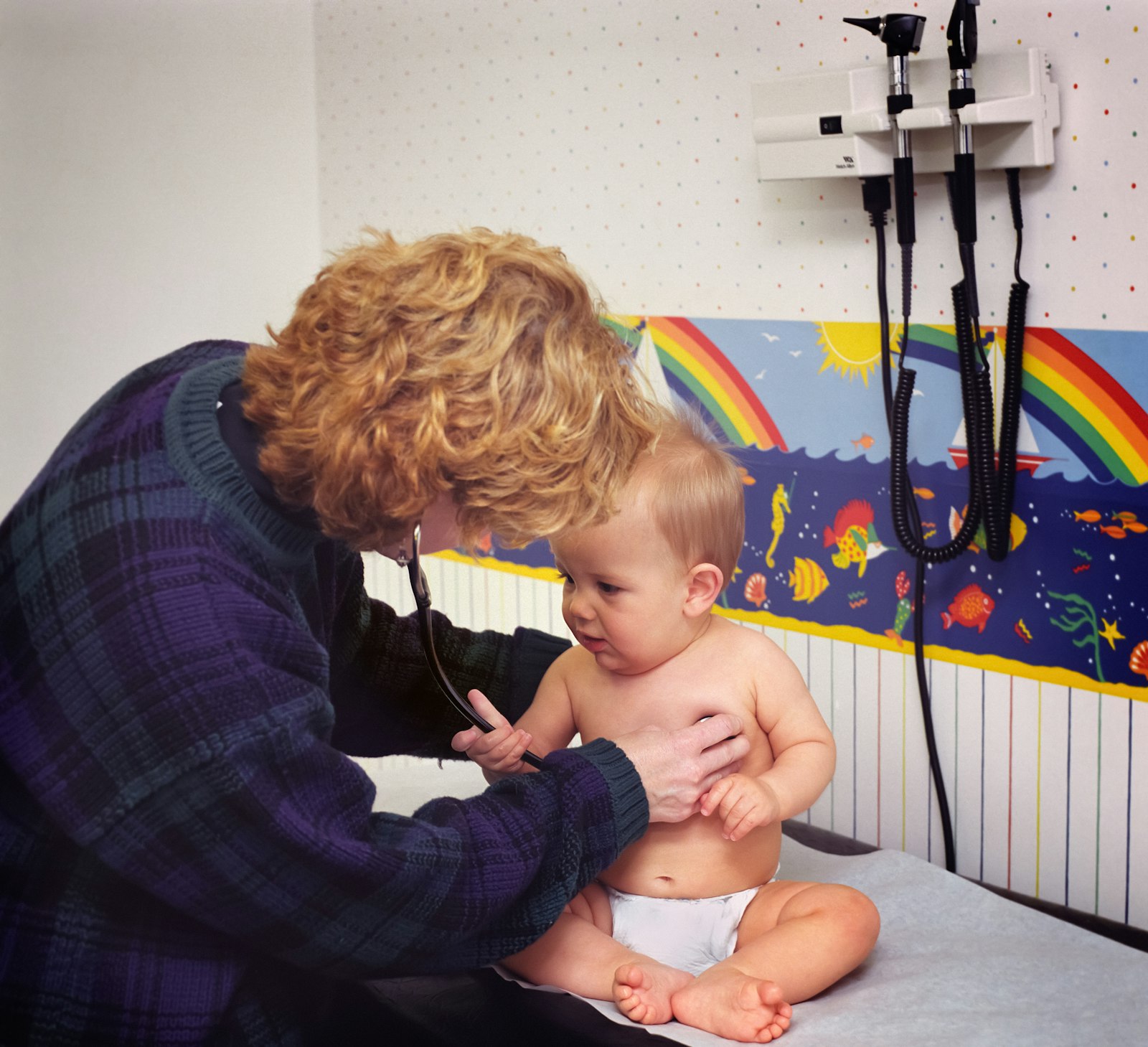
- Visual assessment: checking the skin color, often by gently pressing a finger on the skin to see the color underneath, and checking the whites of the eyes. Jaundice typically starts on the face and, if it increases, spreads downward toward the chest, belly, and eventually the legs and feet — which is one reason the extent of spread matters, not just whether jaundice is present at all.
- Transcutaneous bilirubin meter: a small handheld device pressed gently against the skin (usually the forehead or chest) that estimates bilirubin levels through the skin without needing a blood draw. It's quick, painless, and commonly used as a first screening step.
- Blood test: a small blood sample, often from a heel prick, gives a precise bilirubin measurement. This is used to confirm a level flagged by the transcutaneous meter, to track a level over time, or whenever a more exact number is needed to guide treatment decisions.
Bilirubin levels are interpreted against standardized charts that account for the baby's exact age in hours (not just days) and, in many hospitals, specific risk factors like prematurity — so a level that would be unremarkable at 72 hours old might prompt closer monitoring at 30 hours old. This is part of why your pediatrician's team tracks the timing so carefully rather than looking at a bilirubin number in isolation.
How phototherapy works
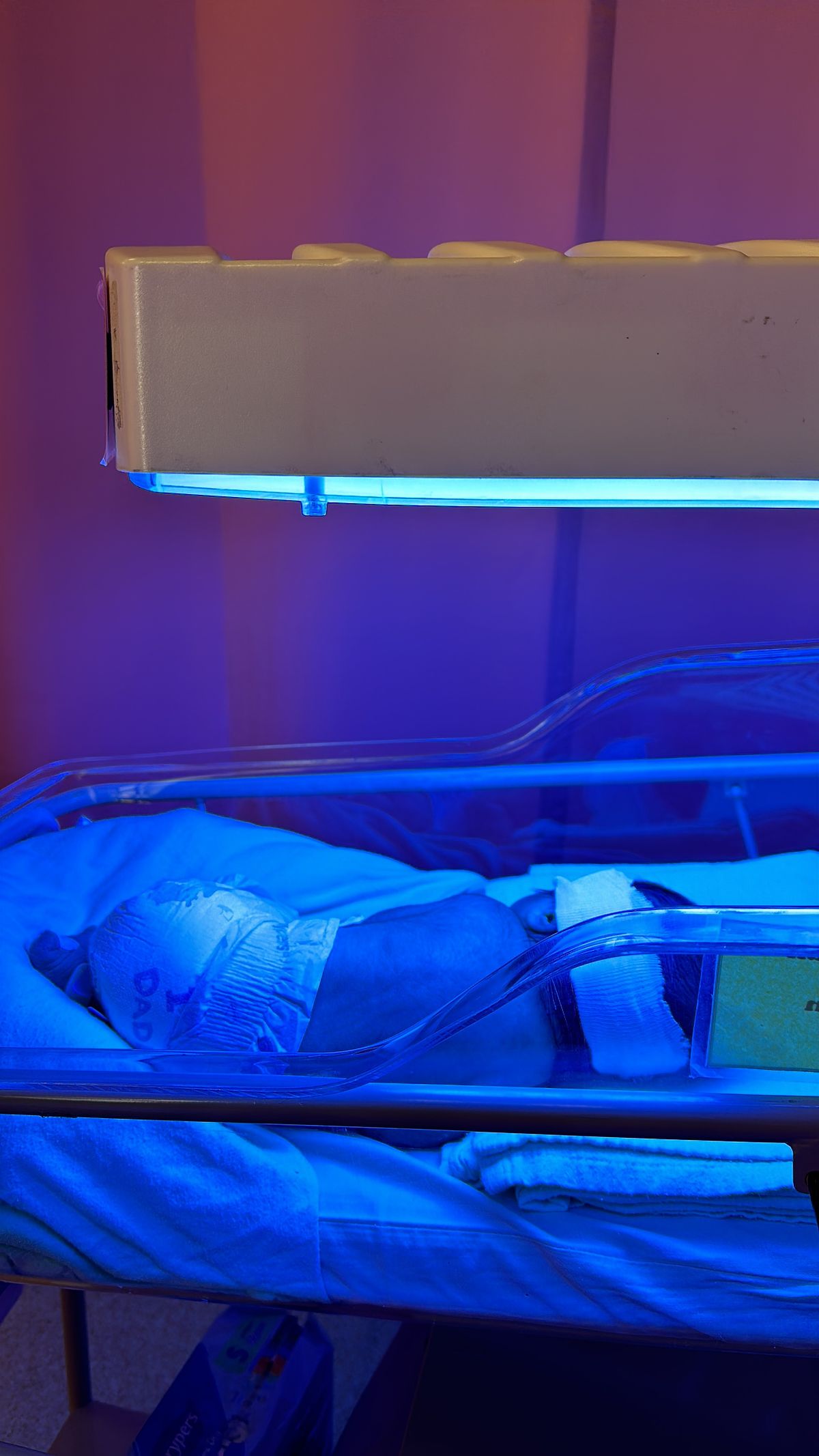
When bilirubin levels are high enough to need active treatment, phototherapy is the standard, well-established first-line approach. It involves placing the baby, usually undressed except for a diaper and protective eye covering, under special blue-spectrum lights (sometimes on a light-emitting blanket or pad instead of, or in addition to, overhead lights). The light doesn't treat jaundice by tanning the skin — it works by chemically changing the structure of bilirubin molecules in the skin so they become water-soluble and can be cleared out through urine and stool without needing to pass through the liver first. Treatment typically continues until repeat blood tests show the level has come down into a safe range, which can take anywhere from under a day to several days depending on the starting level and how the baby responds. Phototherapy is generally very safe, and babies are monitored for hydration and temperature throughout treatment; frequent feeding is usually encouraged during phototherapy specifically because it helps move the processed bilirubin out of the body faster.
Breastfeeding jaundice vs. breast milk jaundice
These two terms sound nearly identical but describe different things, and mixing them up is one of the most common points of confusion for new parents.
- Breastfeeding jaundice happens in the first few days of life and is related to a baby not yet feeding often or effectively enough — not to anything wrong with the breast milk itself. When a baby isn't getting enough milk volume in those early days, stooling is less frequent, and bilirubin that would normally be cleared through stool gets reabsorbed instead. The fix is almost always more frequent, well-supported feeding (sometimes with help from a lactation consultant to check latch and transfer), not stopping breastfeeding.
- Breast milk jaundice is a different, later-onset pattern that can appear after the first week and sometimes persists for several weeks in an otherwise healthy, well-feeding baby. It's thought to be related to substances naturally present in some breast milk that affect how the liver processes bilirubin, and it's considered benign in a baby who is gaining weight well and otherwise thriving. It typically resolves on its own over time and rarely requires stopping breastfeeding, though your pediatrician will want to confirm the diagnosis and rule out other causes, especially if jaundice is more pronounced or the baby isn't gaining weight as expected.
In both cases, the instinct some families have to stop breastfeeding "just in case" is usually not what's needed — talk to your pediatrician first, since continuing to breastfeed with adjustments (or simply monitoring) is the more common recommendation.
Why feeding frequency matters so much
Because bilirubin is cleared from the body largely through stool, how often and how effectively a newborn feeds has a direct, meaningful effect on jaundice. Frequent feeding — generally 8 to 12 times in 24 hours for breastfed newborns in the first weeks — keeps digestion moving and helps flush bilirubin out rather than letting it get reabsorbed in the gut. This is one of the most actionable things a family can do at home for mild jaundice being monitored on an outpatient basis: waking a sleepy newborn to feed on a fairly consistent schedule, watching for effective swallowing during feeds, and tracking wet and dirty diapers as a rough proxy for whether feeding is going well. If you're struggling with latch, supply, or a baby who seems too sleepy to feed well, this is worth flagging to your pediatrician or a lactation consultant promptly, since it connects directly to how quickly jaundice resolves.
Warning signs that need urgent care
Most newborn jaundice is mild and resolves with monitoring and good feeding. But certain signs point to a level of jaundice, or an underlying cause, that needs prompt medical attention rather than waiting for a scheduled follow-up visit. Contact your pediatrician right away, or seek urgent or emergency care, if your baby has:
- Jaundice that appears in the first 24 hours of life
- Yellowing that has spread to the legs, feet, or soles — not just the face and chest
- Poor feeding, or feeding that seems to be getting worse rather than better
- Unusual lethargy, or a baby who is very difficult to wake for feeds
- A high-pitched or unusual-sounding cry
- Fever
- Arching of the back or neck, or unusual stiffness
- Jaundice that is still present or worsening after 2 to 3 weeks of age
These signs can, in rare cases, point to bilirubin levels high enough to affect the brain — a serious but preventable complication when caught and treated early, which is exactly why pediatricians take the timing and spread of jaundice so seriously and why follow-up bilirubin checks are a standard part of newborn care, not an overreaction.
What to expect at follow-up visits
Because bilirubin levels in a healthy newborn often continue rising for the first several days after birth — sometimes after a baby has already gone home from the hospital — pediatricians typically schedule a follow-up visit within a few days of discharge specifically to recheck weight, feeding, and jaundice. This visit is routine, not a sign that something is expected to be wrong, and it's one of the more important early appointments precisely because jaundice can still be climbing at that point even if it looked mild at hospital discharge. Bring your questions about feeding, diaper output, and how the yellowing looks compared to a day or two earlier — pediatricians rely on that kind of practical, day-to-day observation from parents as much as on the numbers.
Trusting your own observation
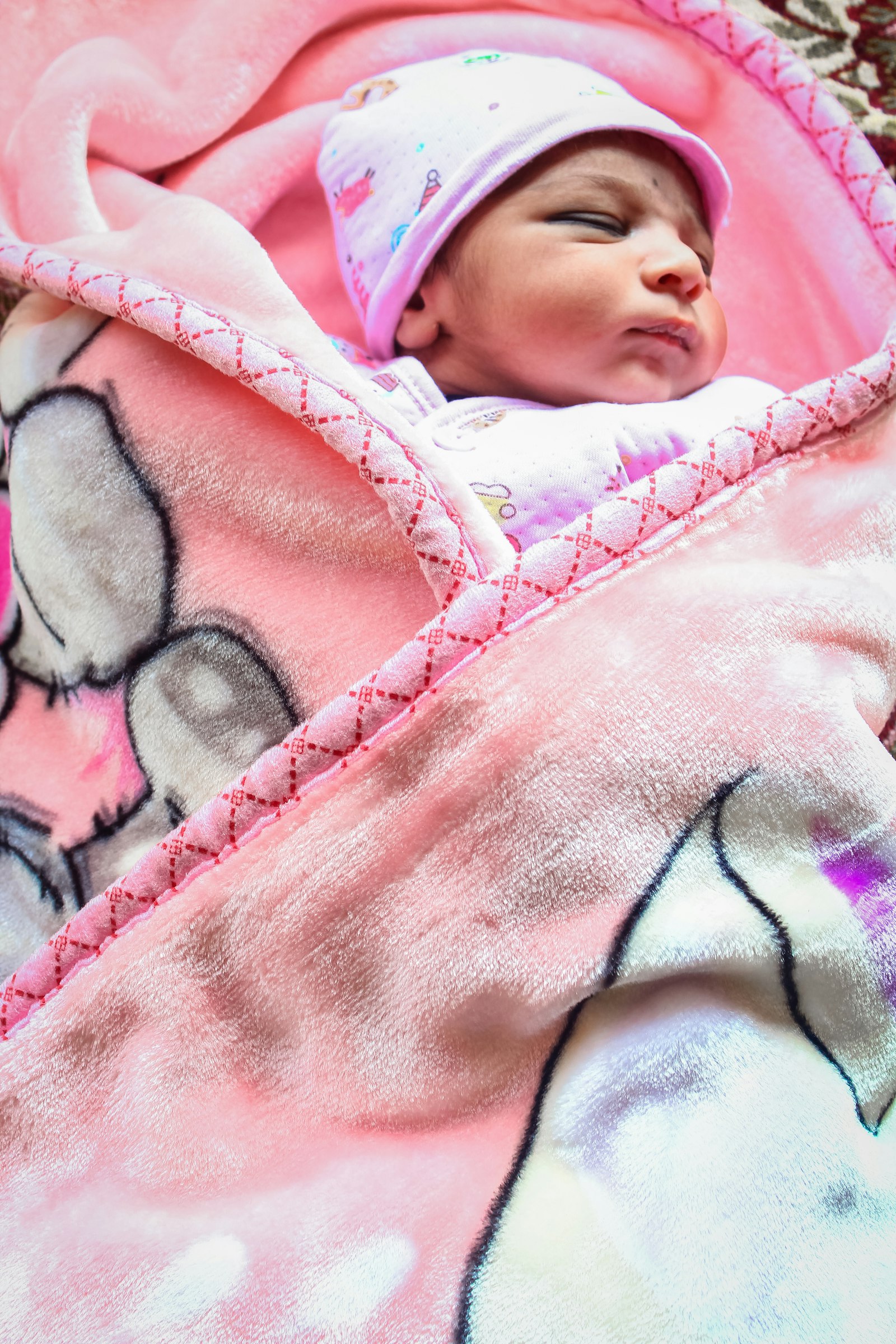
Because jaundice can be subtle to notice, especially in the first checks at home, it's worth looking at your baby in good natural light rather than under artificial indoor lighting, which can mask or exaggerate a yellow tint. Checking daily during the first one to two weeks — gently pressing a finger on the forehead or chest and watching the color as you release — gives you a simple, low-effort way to notice a change in real time. You know your baby's day-to-day appearance better than anyone else will on a single visit, and pediatricians consistently say that a parent's plain observation ("he looks more yellow today than yesterday" or "she seems harder to wake for feeds") is genuinely useful information, not something to second-guess before mentioning it.
Frequently asked questions
Is newborn jaundice contagious or something I did during pregnancy?
No. Jaundice results from the normal newborn process of higher red blood cell turnover combined with an immature liver — it isn't caused by anything during pregnancy and isn't contagious to other people or babies.
Does jaundice mean my baby can't go home from the hospital on schedule?
Not necessarily. Many babies with mild jaundice go home on the usual schedule with a plan for a follow-up check within a few days. Hospitals typically only delay discharge, or recommend treatment before going home, when bilirubin levels are high enough or rising fast enough to warrant it.
Can sunlight at home treat jaundice instead of phototherapy?
Placing a baby in indirect sunlight near a window is sometimes mentioned as a mild supportive measure, but it isn't a substitute for medical-grade phototherapy when treatment is actually needed, and undressing a baby by a sunny window risks overheating or sunburn. Always follow your pediatrician's specific recommendation rather than relying on sunlight alone if a bilirubin level is high enough to need treatment.