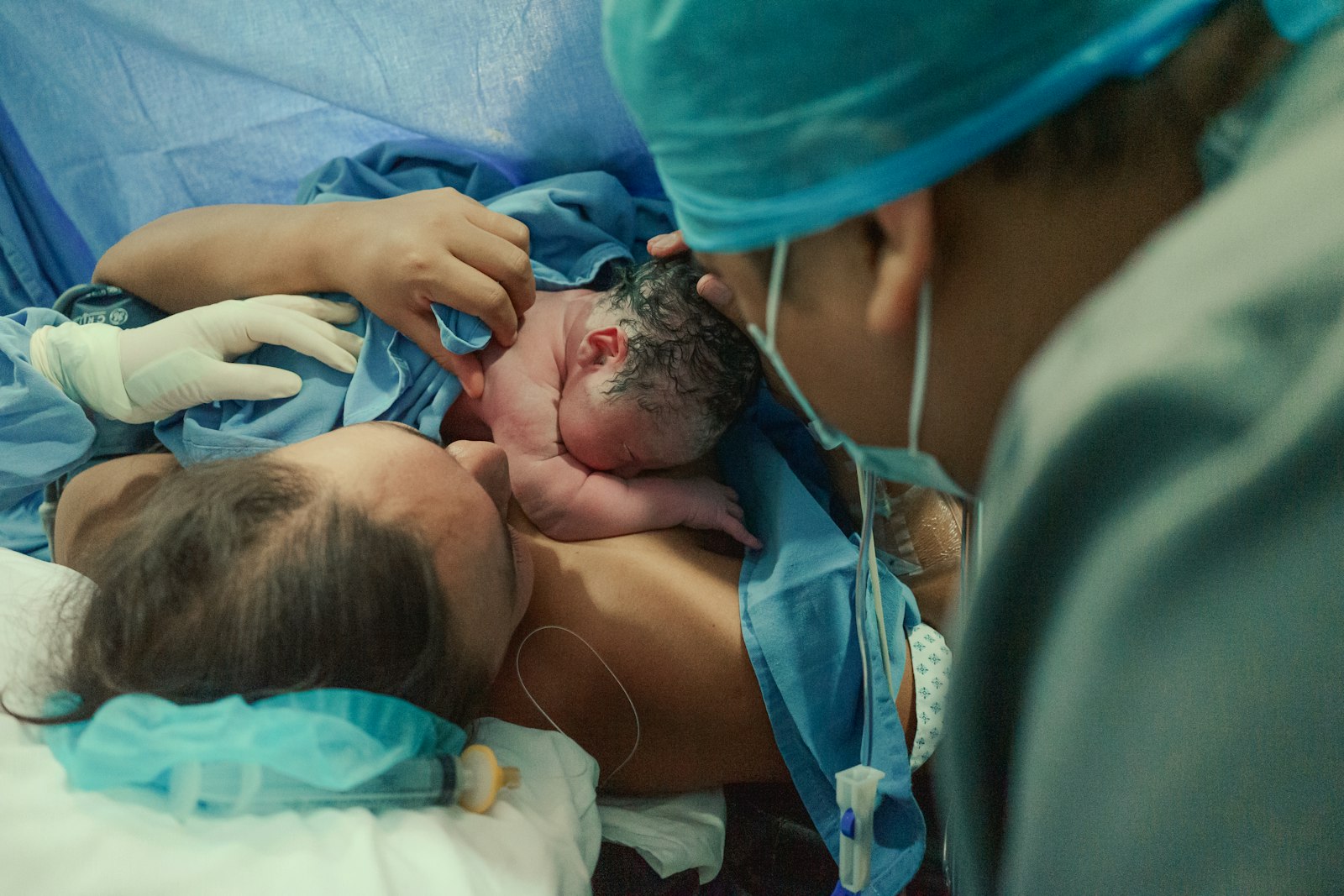
What "labor and delivery" actually means
Labor is the process your body goes through to open the cervix and move the baby down and out. Delivery is the birth itself. Together they usually unfold in stages, but the pace and experience of each stage varies enormously from person to person and even from one pregnancy to the next for the same person.
The stages, in plain language
Early labor is the longest stage for most first-time parents, often lasting many hours, with mild, spaced-out contractions while the cervix begins to dilate. Active labor is when contractions become regular, stronger, and closer together, and this is usually when people head to the hospital or birth center. Pushing and delivery follow once the cervix is fully dilated. After the baby is born, there is a final, often overlooked stage: delivering the placenta. For a detailed walk-through of each phase, see Stages of Labor Explained.
Recognizing the signs
Labor can announce itself in different ways: losing the mucus plug, your water breaking, or contractions that start irregular and gradually become regular and stronger. Many people also notice a burst of energy or nesting instinct in the day or two before labor starts, though this is not universal or reliable on its own. The clearest sign is contractions that follow a pattern and intensify over time rather than easing off. For the full list of what to watch for and when to head to the hospital, see Signs Labor Is Starting.
Appointments and decisions leading up to delivery
By the third trimester, appointments become weekly, and your provider will typically discuss your birth preferences, pain management options, and what to expect if labor needs to be induced or if a C-section becomes necessary. A C-section (delivery through an abdominal incision) can be planned in advance for medical reasons or decided during labor if there are concerns about the baby's safety or labor is not progressing. Neither path is a personal failure; both are ways of getting a baby here safely. For what actually happens during a C-section, see C-Section: What to Expect.
Practical checklist for labor day
- Know your provider's guidance on when to call or come in (often the "5-1-1" rule: contractions 5 minutes apart, lasting 1 minute, for 1 hour)
- Have your hospital bag and paperwork ready ahead of time
- Confirm transportation and a backup plan for getting to the hospital
- Know who is your support person and how to reach them quickly
- Review your birth plan preferences, but stay open to changes
- Arrange care for other children or pets in advance
When to call your provider or go in right away
Go in or call immediately for your water breaking, contractions following the pattern your provider gave you, heavy bleeding, a significant drop in fetal movement, or intense pain that does not ease between contractions. When in doubt, call. Labor and delivery units expect and welcome these calls.
How these guides fit together
Start with the signs guide to know what you are looking for, use the stages guide once labor is confirmed to understand what typically comes next, and keep the C-section guide in your back pocket in case that path becomes the one you need, whether planned or not.
Frequently asked questions
How do I know labor has actually started?
The clearest signs are regular contractions that get stronger and closer together over time, your water breaking, or losing the mucus plug along with other signs. Regularity and intensity that build over time are what separate true labor from Braxton Hicks contractions.
How long does labor usually last?
It varies widely. First labors often run 12 to 24 hours total, while later labors tend to be shorter. Early labor itself can last many hours before active labor picks up the pace.
Is a C-section always planned in advance?
No. Some C-sections are scheduled ahead of time for medical reasons, but many happen unplanned during labor if there are concerns about the baby or the labor is not progressing safely.
For more on labor stages and when to go to the hospital, see the ACOG guide to recognizing labor.