Photo: Unsplash
For most of the last decade, the dominant parenting advice was to add: more enrichment classes, more structured activities, more apps promising to accelerate development. Heading into 2026, that direction has quietly reversed. Parenting outlets and family surveys are converging on the same theme this year — families are dropping activities rather than piling them on, and calling it a relief rather than a compromise.
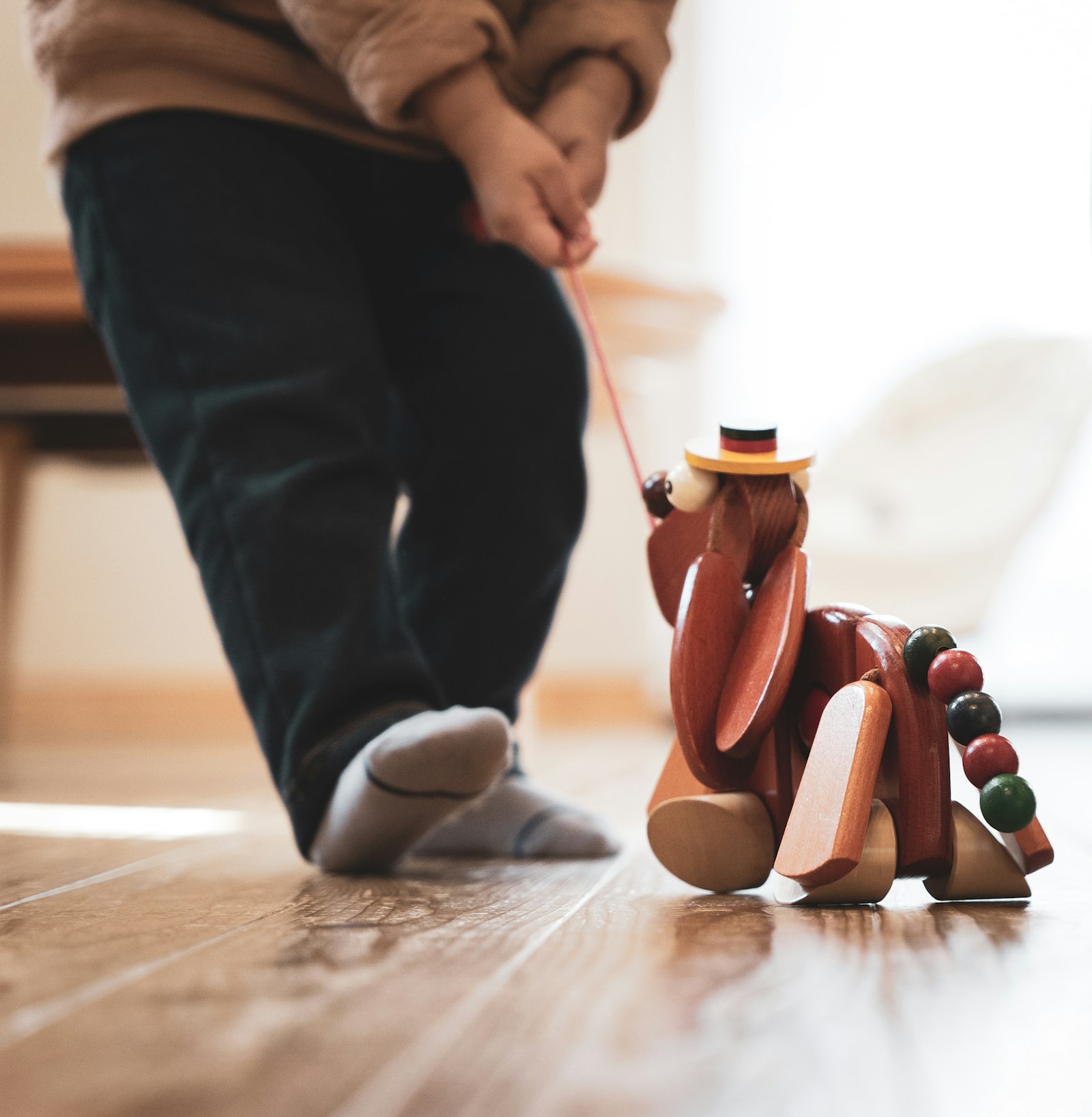
The shorthand for this shift is "analog childhood": unstructured backyard play, sidewalk chalk, board games, boredom, and long stretches of time with no screen and no scheduled activity at all. It isn't a rejection of technology or enrichment outright — it's a correction after several years of most families feeling like every afternoon and weekend needed to be filled with something.
What's actually driving this
A few forces are converging at once:
- Overscheduling fatigue. Parents managing three or four activities per child per week are reporting burnout — their own, not just their kids'.
- Budget pressure. Enrichment classes, travel teams, and structured programs add up fast, and more families are asking whether the cost matches the actual benefit.
- A boredom re-evaluation. Child development research has spent the last few years rehabilitating boredom's reputation — framing it as the precondition for imaginative play and self-directed problem-solving, not a failure of parenting.
- Screen time fatigue on both sides. Parents report wanting less of their own scrolling modeled at home, not just less screen time for their kids.
What "analog childhood" looks like in practice
- Unstructured outdoor time without a planned activity attached to it — just "go play."
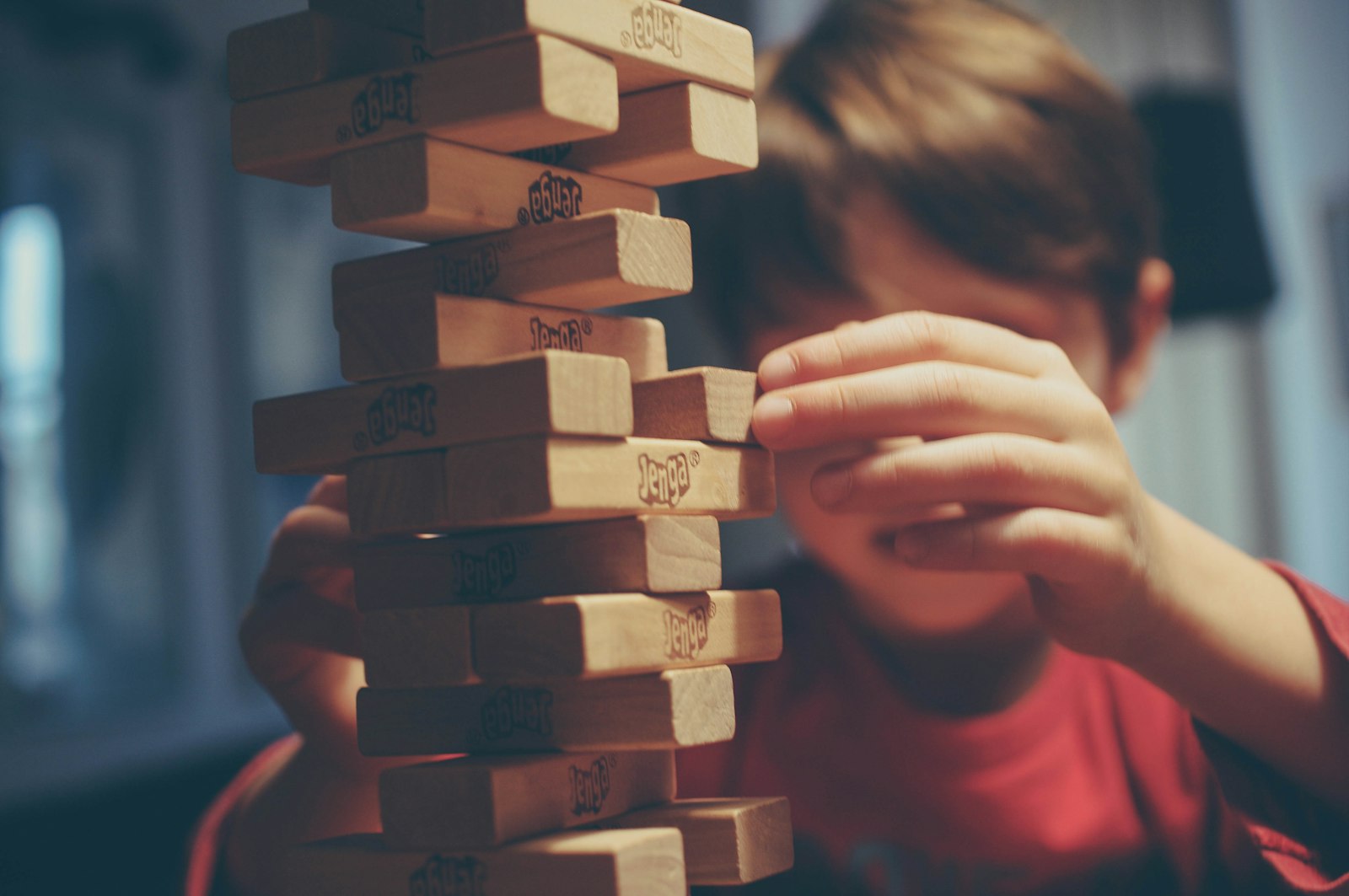
- Board games and card games back in regular weekly rotation, not saved for rainy days.
- Sidewalk chalk, backyard obstacle courses, and other zero-cost, zero-prep play.
- Deliberately empty stretches of the weekend calendar, protected the same way a scheduled activity would be.
- Fewer, more selected activities per child rather than one of everything.
Is this actually better for kids, or just a nicer story?
The developmental case for unstructured play is genuinely solid and predates this trend by decades — free play supports executive function, creativity, and emotional regulation in ways that adult-directed activities don't replicate as well. What's new in 2026 isn't the research, it's that parents are finally acting on it with less social pressure to keep up with a packed schedule. A family choosing fewer activities in 2024 might have worried about "falling behind"; the same choice in 2026 reads as intentional rather than lacking.
How to try it without overcorrecting
Dropping every activity overnight can backfire, especially for kids used to a full schedule — sudden unstructured time can initially feel aimless rather than freeing. A gradual approach tends to work better: protect one afternoon or weekend day as genuinely unscheduled, resist the urge to fill silence immediately, and let a child sit with "I'm bored" for a few minutes before stepping in with a suggestion.
What to do when boredom hits a wall
The first few times a child faces real unstructured time after a packed schedule, "I'm bored" often comes fast and insistent, and it's tempting to solve it immediately with a screen or a suggested activity. Sitting with that discomfort for a few minutes, rather than jumping in, is usually where the actual benefit of unstructured time starts to show up — kids often invent their own game, revisit an old toy, or simply daydream once they realize no one's going to rescue them from the boredom. If a child genuinely struggles to self-direct at first, a simple prompt like "what's something you haven't played with in a while" works better than fully structuring the time, since it still leaves the actual decision to the child. Over a few weeks, most kids get noticeably better at filling their own time, and the initial restlessness fades.
Navigating pushback from other parents or the kids themselves
Choosing fewer scheduled activities can invite comment from other parents, especially in communities where a packed schedule is the norm — questions like "aren't you worried they'll fall behind" are common and can trigger real self-doubt even when you're confident in the choice. It helps to have a short, calm answer ready rather than getting pulled into a lengthy justification: something like "we're trying more unstructured time this year" closes the conversation without inviting debate. Kids themselves may also push back, especially if friends are still in a full slate of activities and there's a fear of missing out. Validating that feeling honestly, while explaining the reasoning in age-appropriate terms, tends to go over better than dismissing the complaint — and keeping one activity a child genuinely loves, rather than cutting everything at once, reduces the sense of loss considerably.
Balancing analog time with real logistical needs
For many families, some scheduled activities aren't really about enrichment or comparison — they're solving a real childcare gap during work hours, or providing physical activity a child needs and doesn't get elsewhere. It's worth being honest about which activities on a schedule are serving a genuine practical purpose versus which were added mostly out of a sense of obligation or comparison with other families. A sports practice that covers an after-school care gap for working parents isn't in tension with the analog childhood idea; it's solving a different problem entirely. The goal isn't zero structure — it's making sure the structure that remains is there on purpose, not by default.
What this looks like by age
Unstructured time doesn't look the same at every stage, and expecting the same approach across ages usually backfires. Toddlers and preschoolers need a parent nearby, even if not directing the play, since true independent play is still developing at this age; a pile of household objects, a box, or a simple loose-parts bin (fabric scraps, cups, wooden spoons) tends to hold their attention longer than a single-purpose toy. School-age kids can genuinely self-direct for longer stretches and often invent elaborate games once given the room to, though the first few sessions may need a light prompt to get started. Tweens and teens benefit from unstructured time too, but it may look more like unscheduled hangouts with friends, a sketchbook, or simply being left alone in their room rather than backyard play, and respecting that version of "analog" matters just as much as the sidewalk-chalk version for younger kids.
Low-cost analog activities to have on hand
- A basic loose-parts bin: fabric scraps, cardboard tubes, bottle caps, and other household odds and ends for open-ended building and pretend play.
- A deck of cards and two or three simple board games that don't require a full afternoon to finish.
- Sidewalk chalk, jump ropes, and balls for outdoor play that needs zero setup.
- A sketchbook or notebook and a cup of pencils, left accessible rather than put away.
- A dedicated "boredom jar" with a few written prompts (build a fort, write a story, invent a game) for the days self-direction needs a nudge.
Common mistakes when trying to add more unstructured time
- Cutting every activity at once instead of phasing it in, which can feel like a sudden loss rather than a welcome change.
- Immediately filling silence with a screen the moment boredom appears, which undercuts the actual goal.
- Treating unstructured time as unsupervised time for very young children, when a parent's presence (without direction) still matters for safety and connection.
- Comparing your family's schedule to another family's packed one and feeling pressure to add activities back for the wrong reasons.
- Assuming a single bored afternoon means the approach isn't working, when the adjustment period for kids used to constant structure often takes a few weeks.
Myths about unstructured play
- Myth: unstructured time means no screens at all. Reality: it's about protecting unscheduled hours generally; some families still allow moderate screen time within that time, just alongside other options.
- Myth: kids who aren't in enrichment activities will fall behind academically or socially. Reality: research on free play consistently supports its role in building executive function and social skills, not undermining them.
- Myth: boredom is a sign something's wrong with your parenting. Reality: child development research increasingly frames boredom as a necessary precursor to creativity and self-direction.
What parents' own habits have to do with it
A child pulled off screens while a parent scrolls a phone nearby learns a different lesson than the one intended, and many families report that adjusting their own habits matters as much as adjusting their kids'. This doesn't require a dramatic personal digital detox. Putting the phone in another room during protected unstructured time, or narrating out loud that you're setting it aside ("I'm putting my phone away so we can build this together"), models the behavior more effectively than any rule aimed only at kids. Parents who've tried this report an unexpected side benefit: their own stress drops noticeably during the periods they're not half-present with a screen, separate from any benefit to their child.
How to know it's actually working
Since this isn't a program with a clear finish line, it helps to watch for a few practical signs rather than expecting a dramatic transformation. A child who used to ask "what are we doing today" the moment they woke up starts occupying themselves without prompting. Complaints of boredom shorten and become less frequent over a few weeks. Family stress around the calendar (rushing between activities, packing snacks in the car, missed dinners) noticeably eases. None of these show up overnight, and a single restless weekend doesn't mean the approach has failed; the shift tends to show up gradually over a month or two rather than in the first week, and tracking a few notes about how each week went can make that slow progress easier to see.
A realistic scenario
A family with two kids, ages 6 and 9, decides to try protecting Saturday mornings as fully unscheduled after feeling stretched thin by back-to-back weekend activities. The first Saturday, both kids declare boredom within fifteen minutes and ask for a tablet. The parents offer the loose-parts bin and step back rather than solving it immediately. After a rocky twenty minutes, the kids start building a fort out of couch cushions and a bedsheet, and the morning stretches into an hour of elaborate pretend play neither parent had to direct. By the third Saturday, the kids start planning their own version of the morning before it even starts, asking what supplies they'll need. The parents keep one activity each child loves (a Saturday afternoon soccer practice, a Tuesday art class) and drop the rest, landing on a schedule that feels intentional rather than either overloaded or aimless.
For general guidance on the developmental role of play, the American Academy of Pediatrics publishes accessible summaries of the research behind why unstructured play matters at every age.
Frequently asked questions
Is the "analog childhood" trend just about screen time?
Screens are part of it, but the bigger shift is about unstructured time generally — dropping scheduled activities and enrichment classes, not just swapping a tablet for a book. Many families keep some screen time but add back more unscheduled hours overall.
My child says they’re bored within minutes of unstructured time — is that normal?
Very normal, especially for kids used to a full schedule. Boredom often needs to be sat with for a few minutes before genuine self-directed play emerges; jumping in immediately with a suggestion can prevent that from happening.
Does this mean enrichment activities are bad for kids?
No — the trend isn’t anti-enrichment, it’s anti-overscheduling. Most families following this shift keep one or two activities a child is genuinely enthusiastic about and cut the ones added mainly to keep pace with other families.