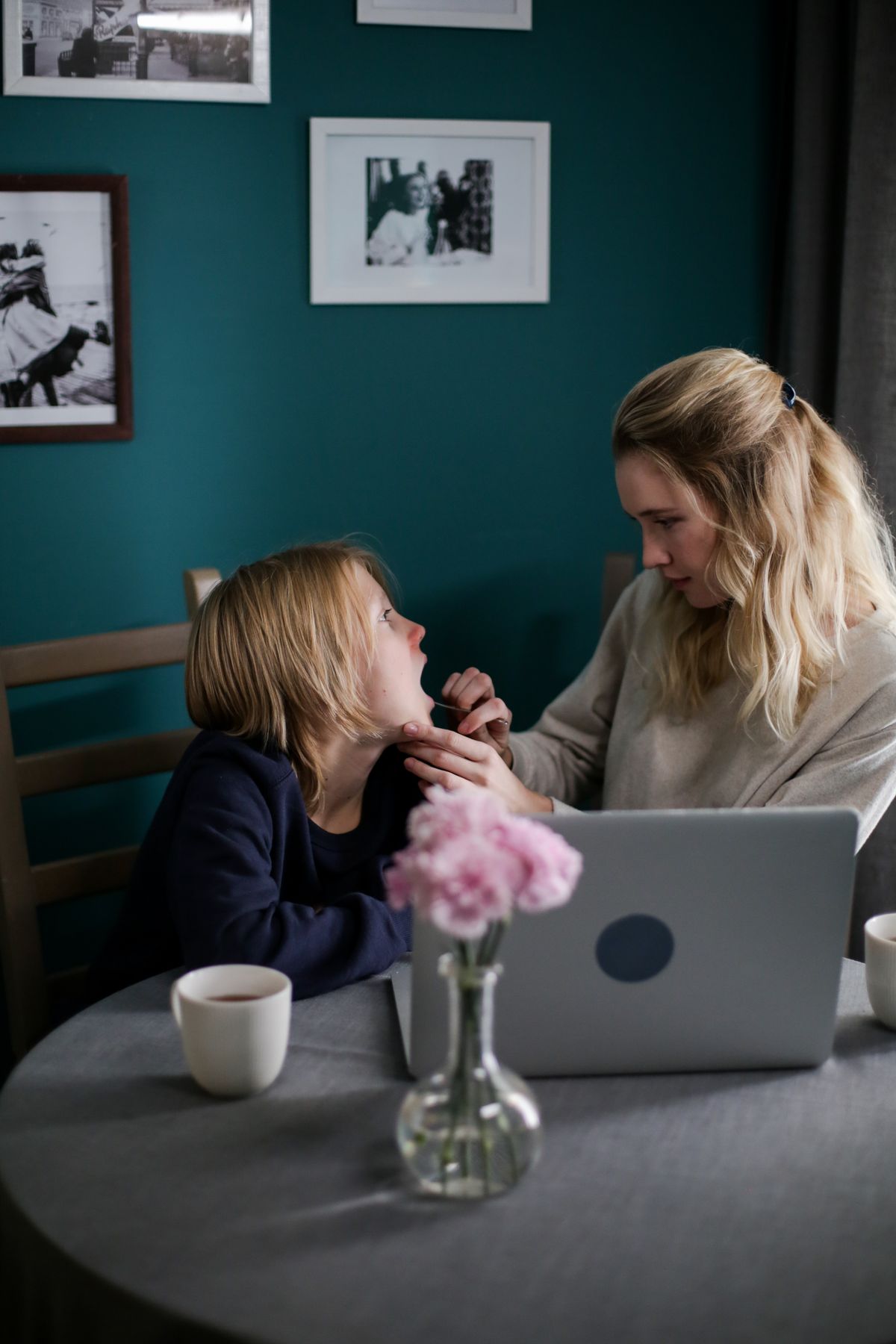
Photo: Pexels
A sore throat with no cough or runny nose is the detail that should make a parent suspect strep rather than a regular cold — strep throat is a bacterial infection, not a virus, and it's one of the few common childhood illnesses that actually needs a specific test and antibiotics rather than time.
The telltale symptoms
- Sudden, severe sore throat — often the standout symptom, without the gradual buildup of a cold.
- Fever, frequently 101°F or higher.
- Red, swollen tonsils, sometimes with white patches or streaks of pus.
- Tiny red spots on the roof of the mouth.
- Swollen, tender lymph nodes in the front of the neck.
- Notably absent: cough, runny nose, and red eyes — these point toward a virus instead.
Why testing matters — this can't be diagnosed by looking
A red, sore throat can come from strep bacteria or from any number of common viruses, and the two look similar enough that a visual check alone isn't reliable. A pediatrician confirms strep with a rapid strep test (results in minutes) or a throat culture sent to a lab (results in 1-2 days) — both involve a quick throat swab, not a blood draw.
Why finishing the full antibiotic course matters
Symptoms usually improve within 24-48 hours of starting antibiotics, and it's tempting to stop once a child feels better — but the full course (typically 10 days) matters for a reason beyond just clearing the current infection: untreated or incompletely treated strep carries a small but real risk of rheumatic fever, a condition that can damage heart valves, along with kidney inflammation. Both are rare with proper treatment and a real concern without it.
Comfort measures while treatment takes effect
- Age-appropriate pain and fever reducers (acetaminophen or ibuprofen) for throat pain and fever.
- Warm liquids, popsicles, or ice chips to soothe throat pain.
- A cool-mist humidifier in the bedroom.
- Soft foods that don't require much chewing while swallowing is painful.
Why age changes the odds
Strep throat is genuinely uncommon in children under 3, and a sore throat at that age is far more likely to be viral. Strep becomes much more common from around school age through the early teen years, likely because it spreads efficiently in close, prolonged contact settings like classrooms. This is part of why pediatricians are more cautious about testing very young children for strep unless there's a known exposure — say, a sibling or classmate diagnosed recently — rather than testing every young child with a sore throat by default.
How strep actually spreads
Strep bacteria travel through respiratory droplets from coughing, sneezing, or talking, and through direct contact with mucus or saliva — sharing cups, utensils, or toys that go straight to the mouth. It thrives in settings where kids are in close contact for hours, which is why household and classroom spread is so common once one person is diagnosed. Handwashing, avoiding shared drinkware, and keeping a sick child home until they've completed the 24-hour non-contagious window after starting antibiotics are the most effective ways to limit it from spreading further.
The scarlet fever connection
Scarlet fever is caused by the same strep bacteria and shares the same core symptoms — sore throat, fever, swollen lymph nodes — plus a distinctive fine, rough, sandpaper-like rash that often starts on the chest and spreads outward, sometimes with a flushed face and a bright red tongue. It sounds more alarming than plain strep throat, but it's treated the same way, with the same course of antibiotics and the same outlook, so a scarlet fever diagnosis doesn't mean anything more serious is happening than an untreated strep infection would carry.
What if strep keeps coming back?
Some children seem to get strep throat repeatedly, sometimes within weeks of finishing a course of antibiotics. This can happen because of reinfection from another family member, incomplete clearance of the original infection, or, less commonly, a child who carries strep bacteria without symptoms and tests positive incidentally during an unrelated viral sore throat. If strep keeps recurring, it's worth discussing with your pediatrician, who may consider testing other household members, a different antibiotic, or in select cases a referral to an ENT specialist to discuss tonsil health.
Strep throat vs. a cold: telling them apart at home
Parents often ask how to know, before ever calling the doctor, whether a sore throat is worth a strep test or just another cold running its course. There is no perfect home test, but the pattern of symptoms gives real clues. A cold usually builds gradually over a day or two, comes with a runny or stuffy nose, a cough, and sometimes red or watery eyes, and the sore throat is often mild and improves as the congestion clears. Strep, on the other hand, tends to show up fast: a child who was fine at breakfast can have a raging sore throat and a 102°F fever by dinner, with no nasal symptoms at all.
Age is another clue worth weighing. A sore throat in a toddler under three is far more likely to be one of dozens of common viruses than strep. In a six-year-old with a sudden sore throat, no cough, and a fever, strep moves up the list quickly, especially if a classmate or sibling has recently tested positive. None of this replaces an actual test, but it helps parents decide how urgently to call and what to expect once they do.
Quick comparison: cold vs. strep throat
- Cold: gradual onset, runny nose, cough, mild-to-moderate sore throat, low or no fever.
- Strep: sudden onset, high fever, no cough or congestion, red swollen tonsils, sometimes white patches.
- Cold: usually resolves on its own within a week to ten days.
- Strep: needs a swab test and, if positive, a full course of antibiotics.
- Both: can cause swollen lymph nodes and general fatigue, so this symptom alone doesn't distinguish them.
What actually happens at the pediatrician's office
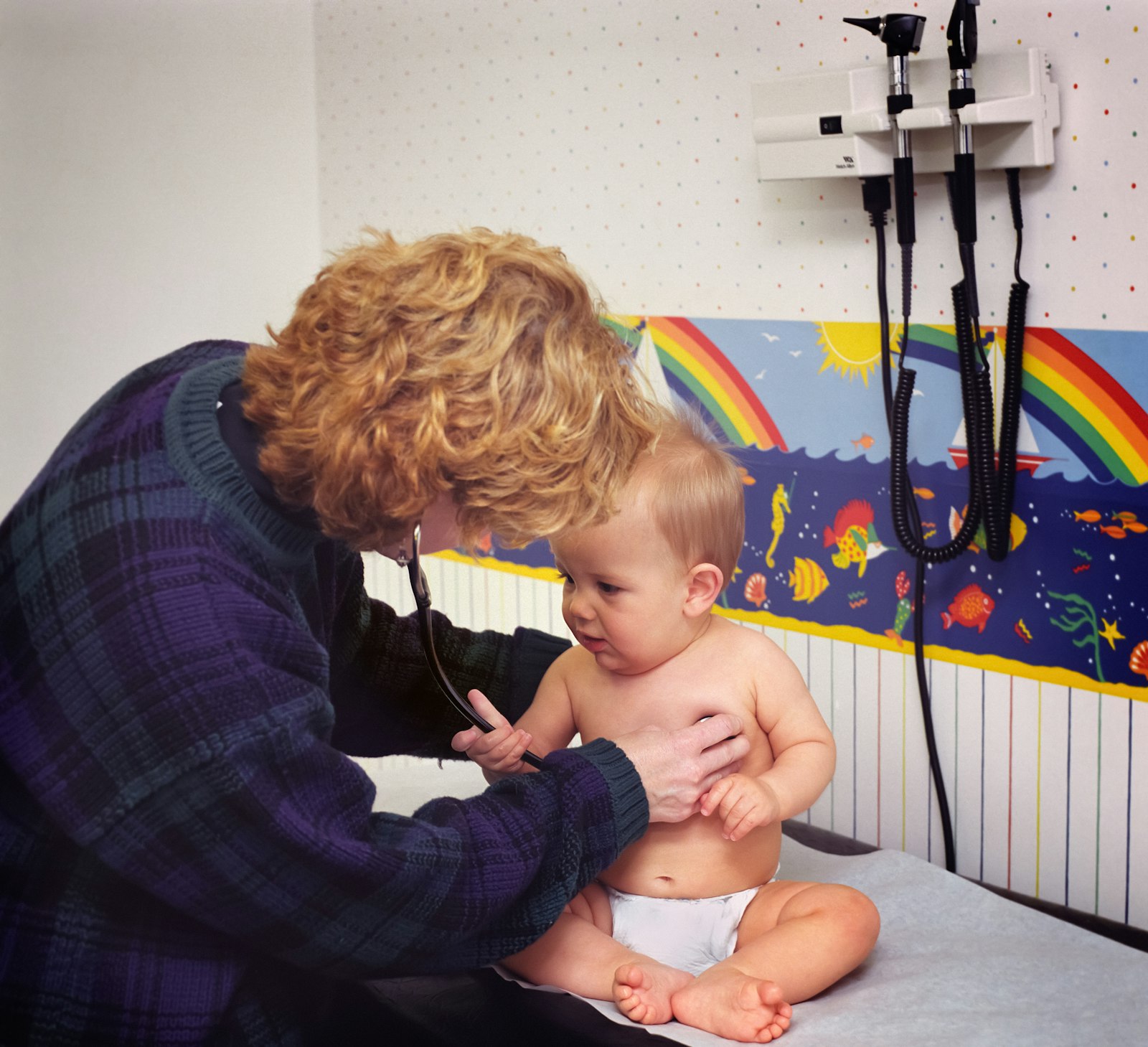
Knowing the steps ahead of time takes some of the anxiety out of the visit, especially for a child who is already miserable. First, the pediatrician or nurse will ask about the timeline of symptoms and check for fever, swollen lymph nodes, and the appearance of the throat and tonsils. Next comes the swab itself: a soft cotton-tipped stick is touched to the back of the throat and tonsils for a few seconds. It can trigger a brief gag reflex, but it isn't painful, and most kids tolerate it better than they expect to.
The rapid test gives a result within about 15 minutes while you wait. If it comes back positive, treatment usually starts that same visit. If the rapid test is negative but the doctor still suspects strep based on symptoms, many offices send a backup culture to the lab, since the rapid test can occasionally miss a true infection. That culture takes a day or two to come back, and the office will call with results and next steps.
If the test is positive, expect a prescription for a course of oral antibiotics such as amoxicillin or penicillin, dosed by weight, along with guidance on comfort care and when your child can return to school or daycare.
Common mistakes parents make with strep throat
- Stopping antibiotics early because the child feels better after two or three days. The full course clears the bacteria completely and lowers complication risk; stopping early can also contribute to antibiotic resistance.
- Assuming a negative rapid test rules out strep for good, when a backup culture may still be pending.
- Sending a child back to school before the 24-hour non-contagious window has passed, even though they seem to be feeling better.
- Treating a sore throat with home remedies alone for several days before calling the doctor, which delays diagnosis and extends the contagious period for siblings and classmates.
- Not mentioning a recent exposure, such as a classmate diagnosed with strep, which can help the pediatrician decide how urgently to test.
When to seek care right away
Most strep throat cases are managed comfortably at home once antibiotics start, but a handful of symptoms warrant a same-day call or an urgent visit rather than waiting for a routine appointment. Difficulty swallowing saliva or drooling excessively, trouble breathing, a stiff or very sore neck, a rash that looks like bruising, or a fever that climbs above 104°F or lasts more than a couple of days despite antibiotics are all reasons to call the pediatrician promptly. Severe throat pain on one side only, along with difficulty opening the mouth fully, can occasionally signal a peritonsillar abscess, a complication that needs prompt medical evaluation rather than home management.
For general guidance on symptoms that always warrant a call, the American Academy of Pediatrics' HealthyChildren.org is a reliable source parents can bookmark for reference between visits.
A real-life scenario
A seven-year-old comes home from school complaining her throat hurts "a lot," with no runny nose and no cough. By bedtime she has a fever of 101.8°F and doesn't want to eat dinner because swallowing hurts. The next morning, a pediatrician's office swab comes back positive for strep within fifteen minutes. She starts amoxicillin that afternoon. By the second day of antibiotics, her fever is gone and she's asking for toast. She stays home through day two, since school policy (like most) asks for a full 24 hours on antibiotics before returning, and goes back on day three feeling mostly normal, though still finishing out the full ten-day prescription at home. This kind of quick turnaround, symptoms to test to treatment to relief within about 48 hours, is fairly typical when strep is caught early and treated properly.
Myths worth clearing up
- Myth: you can tell strep by looking at the throat. Reality: viral sore throats can look just as red and swollen. A test is the only reliable way to know.
- Myth: if there's no fever, it can't be strep. Reality: some children, especially very young ones, have milder or atypical symptoms without a high fever.
- Myth: strep throat is contagious forever until symptoms fully disappear. Reality: most children stop being contagious about 24 hours into antibiotic treatment, even if a sore throat lingers a bit longer.
- Myth: adults don't need to worry about catching it. Reality: strep spreads to caregivers too, particularly through shared cups, utensils, and close contact during those early contagious days.
Protecting siblings and classmates
Once one child in a household tests positive, it's reasonable to watch siblings closely for a few days, since strep spreads easily between family members sharing a bathroom, meals, and close contact. Separate cups and utensils where practical, wash hands often, and avoid sharing pillows or face towels until the sick child has completed at least 24 hours of antibiotics. There's no need to isolate a child from every sibling interaction; normal precautions are usually enough. If a sibling does develop a sore throat and fever within a few days, it's worth a call to the pediatrician rather than assuming it's unrelated, since household spread is common enough that many practices will test a symptomatic sibling without much delay.
Schools and daycares generally follow the same 24-hour rule pediatricians use: a child can return once they've been on antibiotics for a full day, are fever-free without medication, and feel well enough to participate in normal activities. Some programs ask for a doctor's note confirming treatment has started, so it's worth checking your specific school or daycare's policy rather than assuming the rule is identical everywhere.
Frequently asked questions
Can strep throat go away without antibiotics?
The infection can sometimes clear on its own, but treatment is still recommended — antibiotics shorten how long a child is contagious, reduce symptom severity, and substantially lower the risk of rare but serious complications like rheumatic fever.
How long is strep throat contagious?
A child is generally considered non-contagious about 24 hours after starting antibiotics. Without treatment, a child can remain contagious for two to three weeks, which is part of why testing and treatment matter for classroom spread.
Can adults catch strep from their child?
Yes — strep spreads through respiratory droplets and close contact, and it isn’t limited to children. Good handwashing and avoiding shared cups or utensils during the contagious period reduce household spread.
Can my child get strep throat again right after finishing antibiotics?
It's possible. Reinfection from another household member, an incompletely cleared infection, or a child who carries strep bacteria without symptoms can all lead to repeat positive tests. Frequent recurrences are worth discussing with your pediatrician.