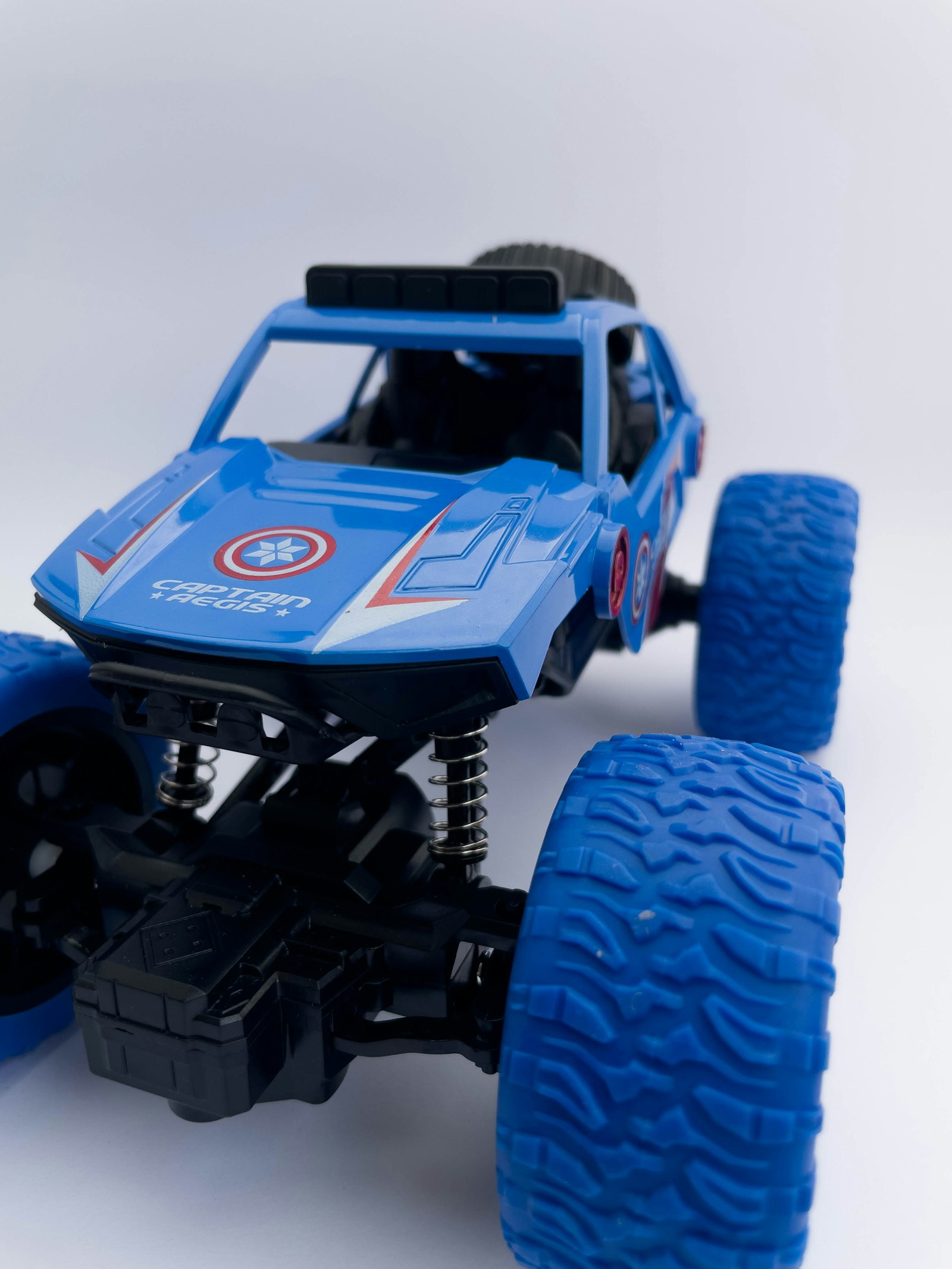
Photo: Unsplash
Once a child starts school, the kind of play that interests them shifts noticeably. Rules stop being an obstacle to play and start being the actual point of it — board games, team sports, and structured building challenges all click in a way they didn't at age four. This is also the age where genuine curiosity about "how things work" tends to peak, which is why science kits and building sets that involve real mechanisms (gears, circuits, chemical reactions) tend to land so well.
Physically, most 5- to 8-year-olds are refining skills they already have rather than acquiring brand-new ones — better balance, faster reaction time, more coordinated hand-eye tasks — which is exactly why this is a common age to introduce a first "real" bike or more complex building sets that reward patience.
Ages 5–6: rules-based games and first real building challenges
Kindergarten and first grade bring a big jump in the ability to hold and follow multi-step rules, plus real interest in winning and losing fairly.
- Simple strategy or logic board games with a clear win condition, which teach graceful losing as much as they teach the game itself.
- Building sets with instructions to follow (not just open-ended blocks), which build sequencing skills and patience with a multi-step process.
- A pedal bike with training wheels or a balance bike transition, depending on what the child already learned earlier.
Ages 6–8: STEM curiosity and longer attention spans
By six to eight, many children can sustain a single project across multiple sittings — building something today, adding to it tomorrow — and are genuinely capable of following real experimental steps, not just watching an adult do them.
- Beginner science kits with a real hands-on component (a model that moves, a reaction that changes color) rather than just an instructional booklet.
- Transforming or mechanism-based building toys that reward figuring out how pieces connect, a step up in complexity from pure stacking blocks.
- A properly sized bike with hand brakes, since coordination is usually ready for this by age 6 or 7 even if a child started with a coaster brake earlier.
Why rules-based play matters at this age
A four-year-old can enjoy a board game loosely, but a five- to eight-year-old is genuinely ready to hold a full rule set in mind and apply it consistently, which is a real cognitive shift, not just a preference change. Following turn order, tracking a score, and accepting an outcome you didn't choose are all skills that transfer well beyond the game itself — the same self-regulation shows up later in following classroom procedures or sports rules. Games with a clear, fair win condition are more valuable at this age than ones with vague or negotiable rules, precisely because the structure is part of what's being practiced.
Open-ended building vs. instruction-based kits
Both belong on the shelf at this age, but they build different skills. Open-ended blocks and construction sets support creativity and independent problem-solving — there's no wrong answer, so a child learns to generate and evaluate their own ideas. Instruction-based kits (a specific model to build from a diagram, a science kit with defined steps) build a different, equally valuable skill: following a sequence accurately and recognizing when a step went wrong. A shelf with only open-ended toys can leave a child under-practiced at following directions; a shelf with only instruction kits can leave less room for original thinking. Most families find a rough balance works better than committing fully to either.
Toy rotation and keeping a growing collection manageable
By this age kids often accumulate toys faster than they lose interest in old ones, and shelves can get crowded enough that nothing gets real attention. Involving the child directly in a periodic sort — what to keep out, what to store away for a few months, what to pass along entirely — tends to work better than a parent rotating toys unilaterally, since kids this age have real opinions about their own belongings and are more likely to stick with a system they helped design. This is also a good age to introduce the idea of donating outgrown toys, which builds on the same sorting conversation.
Budget vs. splurge for 5- to 8-year-olds
Board games and simple building sets perform reasonably well at any price point, since a clear rule set or basic block system works the same whether the pieces are premium or budget. It's worth spending more on a bike, since brake responsiveness, frame weight, and tire quality all directly affect how safely and confidently a child rides, and on STEM kits from established brands, where a reliable hands-on reaction or model that actually works as described matters far more to a child's continued interest than a lower price on a kit that fizzles on the first try.
Buying criteria: what to check before you click "add to cart"
Toy packaging carries more useful information than most parents ever read, and a minute spent checking it can save a return later. Look for an age grading on the box (in the US, this is usually an ASTM F963 compliance statement or a small-parts warning; in the UK and EU, the CE or UKCA mark plus an age range). A choking hazard warning for parts smaller than about 1.25 inches matters most for households with a younger sibling, but even in a single-child home it's worth checking whether loose pieces, end caps, or detachable eyes on stuffed toys could pop off under normal play.
Battery compartments deserve their own check. Any toy powered by button (coin) batteries should have a screw-secured compartment that needs a small tool to open, not one a determined seven-year-old can pry with a fingernail. Button batteries are a real emergency risk if swallowed, since they can burn through tissue within hours, so this is one area worth being stricter about than the label alone requires. For magnetic building sets and toys with small, high-powered magnets, check that the pieces are sized well above the choking range and that none are loose or easily pried free, since two or more small magnets swallowed together can pinch the bowel from opposite sides and require emergency surgery.
Cords and strings are a smaller but real risk at this age, mostly for pull-toys, kites, and some dress-up accessories. A cord longer than about 12 inches on anything worn around the neck or looped for pulling is worth avoiding, particularly if a younger sibling shares the same space. Riding toys and bikes should list a maximum rider weight and a recommended inseam range rather than just an age, since a child's size at six or seven varies more than the calendar suggests.
Common mistakes parents make buying for this age
The most frequent misstep is buying strictly by age number on the box rather than by the child's actual skill level. A confident, coordinated five-year-old may be ready for a 16-inch bike with hand brakes that the box lists for six-year-olds, while a cautious seven-year-old might still do better on a simpler coaster-brake bike. Treat the age range as a starting point for browsing, not a hard rule.
A second common mistake is buying a science kit or building set primarily for its box art rather than checking what's actually reusable inside. Many kits are designed for a single experiment or build, after which the materials are used up and the box goes in a closet. Kits with refillable components, or ones marketed as reusable across multiple projects, tend to hold interest much longer and are usually worth the modest price difference.
A third mistake, especially around birthdays and holidays, is buying too many gifts at once. Children this age often can't fully appreciate or engage with a large pile of new items, and a flood of toys arriving together tends to produce a day of chaotic sampling rather than sustained play with any one thing. Spacing gifts out, or holding a few back to reintroduce weeks later, usually gets more genuine use out of each item.
A real-life scenario: when a gift misses the mark
It's common for a well-intentioned gift to sit untouched. A relative buys an elaborate 500-piece building set for a child who's only built with large, simple blocks before, and the box ends up half-finished with a parent doing most of the work out of frustration. This isn't a sign the child dislikes building toys; it usually means the complexity jumped too far too fast. The fix is rarely to abandon the toy category. Stepping back to a simpler instruction-based kit for a few months, then working back up to more pieces and more complex instructions, usually rebuilds the confidence that got lost. The same pattern applies to board games with too many rules at once and bikes that are technically the right size but still feel too fast or too tall to the child riding them.
Our picks
Every item below was checked against real AliExpress rating and order-volume data, not just pulled from the top of a search — each genuinely holds a 98%+ rating from a meaningful number of real orders.
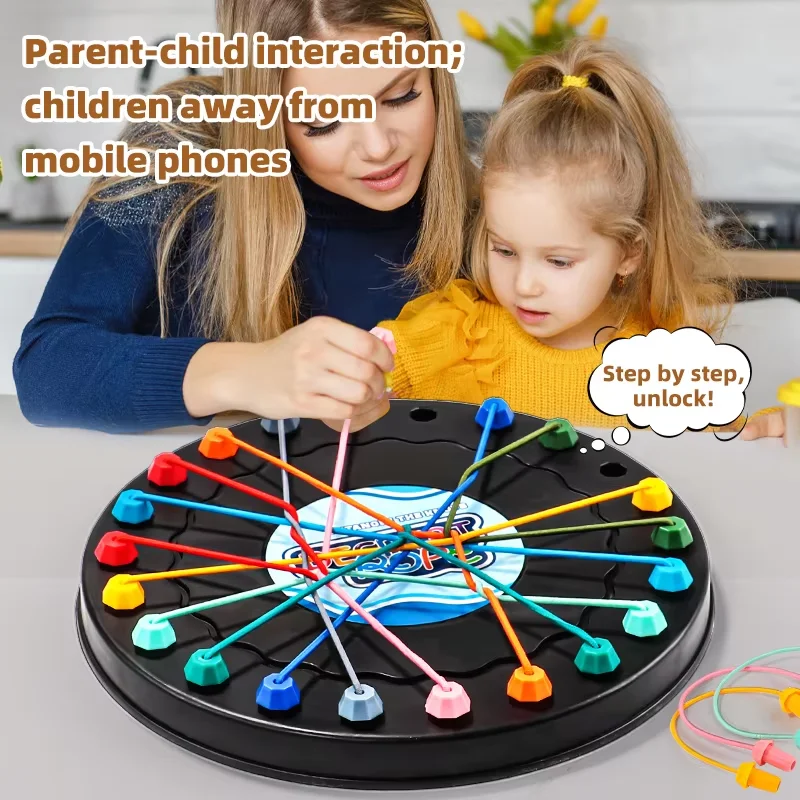
Rope Unraveling ChallengeA Board Game for Kids Enhances Logical Thinking De…
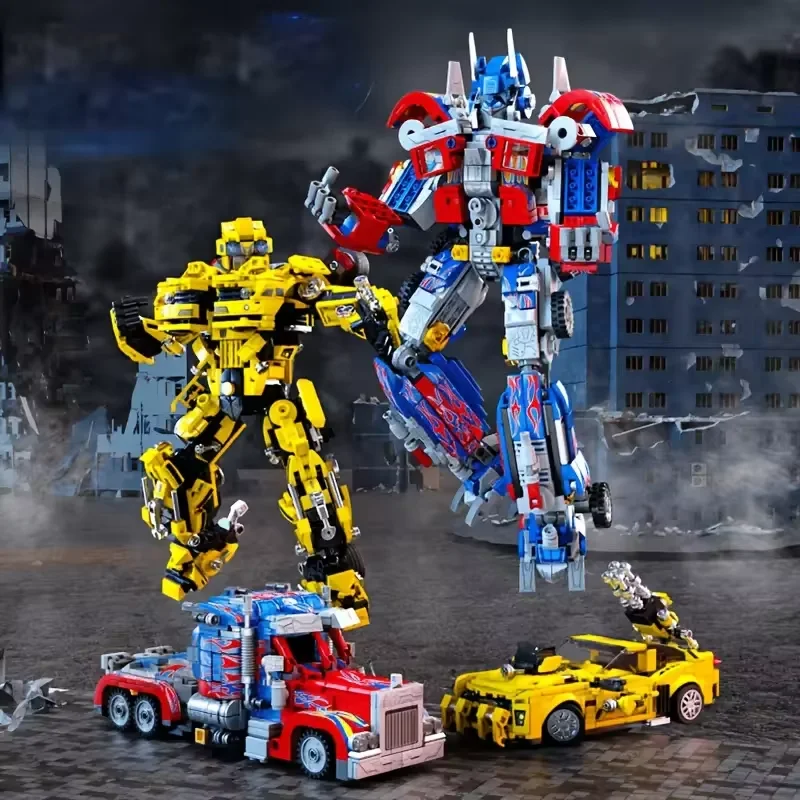
New 2 in 1 Deformation Robot Mecha Building Blocks Sets Bricks kit Transfor…
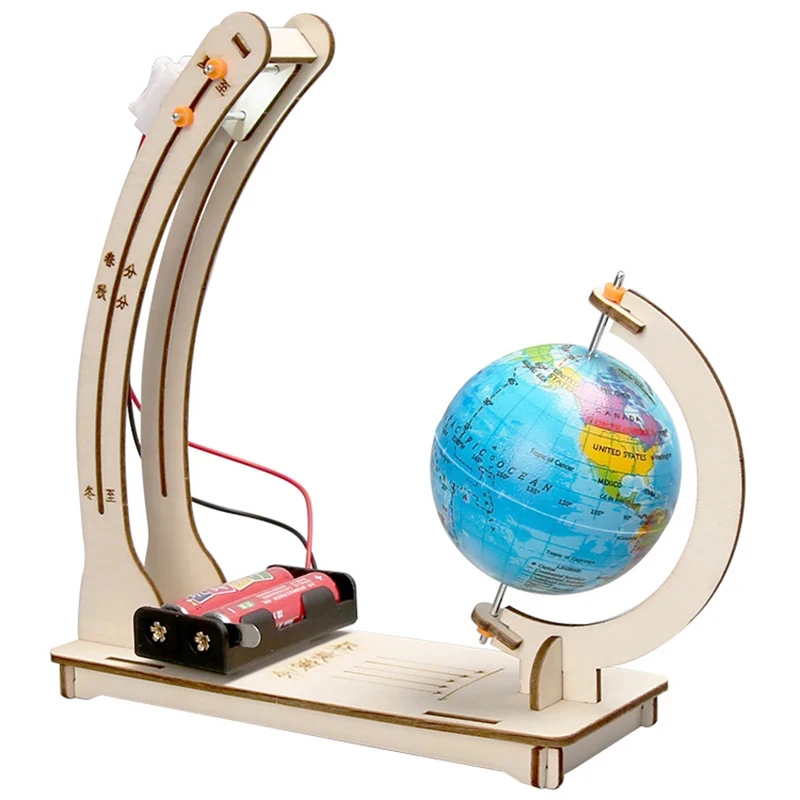
STEM Science Experiment Kit Earth Day Night Cycle Simulation DIY Model Kids…

130-150cm Kids Mountain Bike for Ages 4-7, 7-Speed Gears with Front/Rear Br…
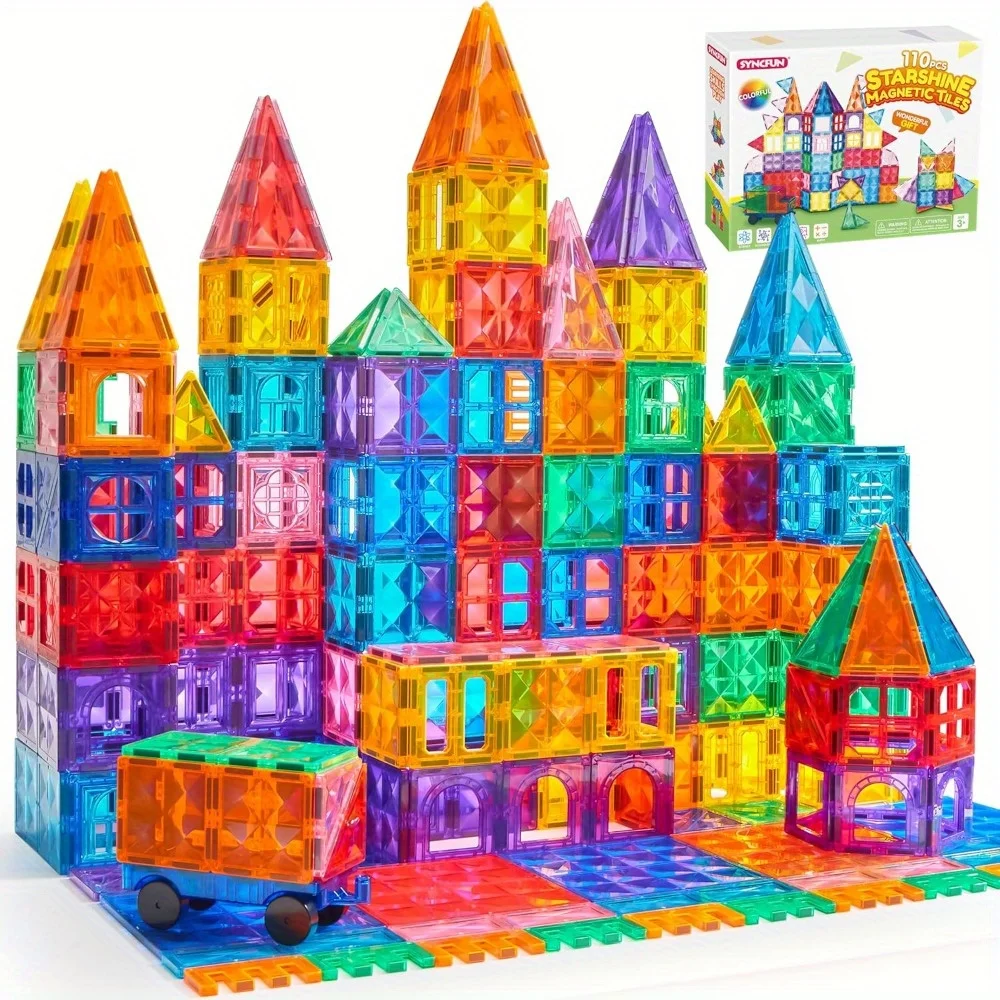
JOYFY 110/66/50 PCS Magnetic Building Tile 3D Magnet Tiles with Vehicle Con…
Affiliate links — we may earn a commission at no extra cost to you. Learn more.
Safety notes specific to this stage
- Bikes should be sized so a child can put both feet flat on the ground while seated — an oversized "grow into it" bike is genuinely harder and less safe to learn on.
- A helmet is non-negotiable at every stage of bike riding, including short rides in a driveway or cul-de-sac.
- Science kits should be checked for small reactive components or anything meant to be ingested-adjacent (fizzing tablets, small capsules) if a younger sibling has access to the same shelf.
- Building sets with small connector pieces or magnets need particular care — magnetic pieces swallowed in multiples are a genuine medical emergency, not just a choking risk.
Full details in our toy safety checklist.
Frequently asked questions
What size bike does a 6-year-old need?
Most 6-year-olds fit a 16- to 18-inch wheel bike, but sizing should be based on inseam and the child’s ability to plant both feet flat on the ground while seated, not age alone. It’s worth measuring rather than guessing from a size chart.
Are magnetic building sets safe for this age group?
Generally yes for children who no longer put small objects in their mouths, but supervision still matters if a younger sibling is in the house, since swallowed magnets (especially more than one) can cause serious internal injury and need immediate medical attention.
My child gets frustrated and quits board games when losing — what helps?
Starting with shorter, lower-stakes games and naming the feeling out loud rather than rushing to fix it usually helps more than avoiding competitive games entirely. Most children need repeated, low-pressure practice losing gracefully before it stops feeling unbearable.
What safety standards or labels should I check on toy packaging?
In the US, look for a statement of ASTM F963 compliance and a small-parts warning where relevant; in the UK and EU, look for a CE or UKCA mark alongside the age range. For battery-powered toys, check that the battery compartment needs a tool (usually a small screw) to open, and for magnetic sets, confirm the pieces are well above choking size and can't be pried loose easily. The CPSC also publishes recall notices worth checking before a purchase.