Photo: Pexels
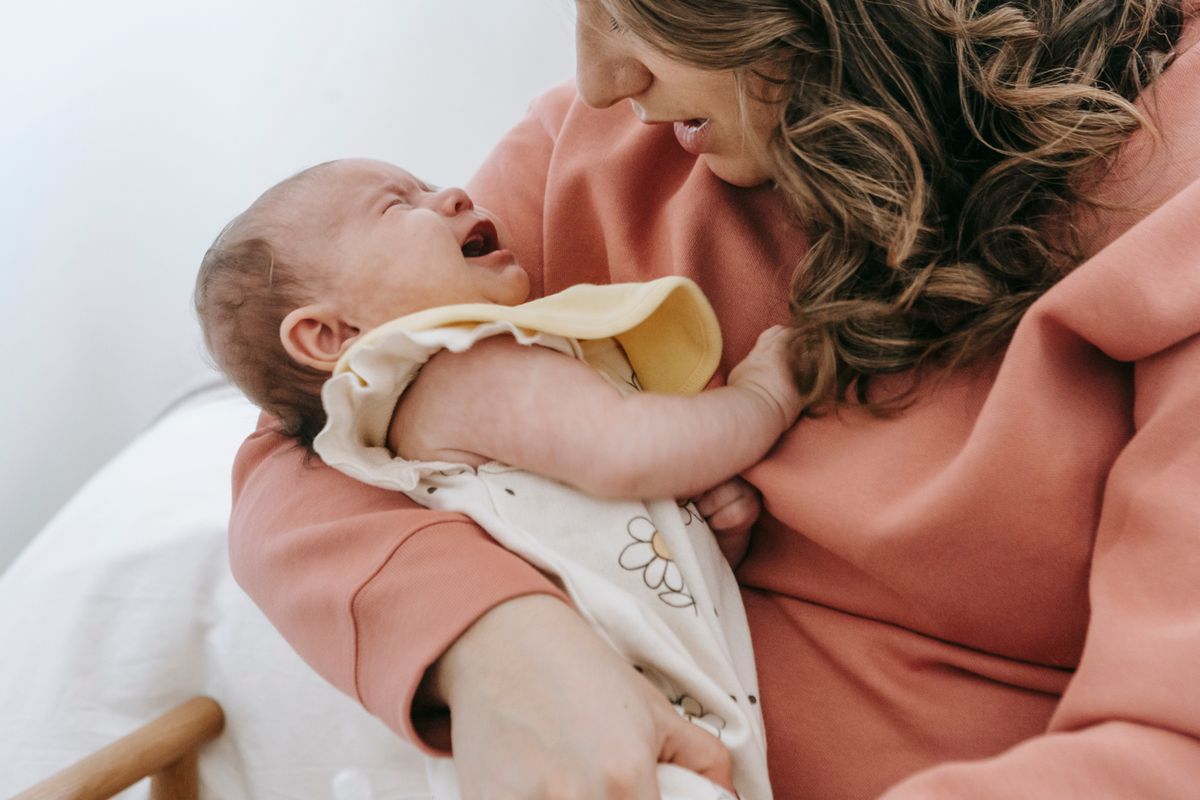
Self-soothing gets misunderstood as "letting a baby cry it out," but the actual skill is narrower and less dramatic than that: it's the ability to settle back to sleep independently after a normal, brief night waking, without needing to be picked up, fed, or rocked every single time. Every baby wakes briefly between sleep cycles throughout the night, and adults do too; the difference is that a baby who can self-soothe drifts back down without fully waking or calling for help, while one who hasn't developed the skill yet needs a caregiver's intervention to complete that same transition.
There's no single right age or right method for every family, and plenty of well-adjusted, securely attached children were raised with very different approaches to this particular skill.
When it's developmentally realistic to start
Most babies aren't physically capable of this skill before around 4-6 months — younger than that, frequent night waking is a normal, expected part of feeding needs and immature sleep cycles, not something to train away. Trying to teach self-soothing too early usually just leads to frustration for everyone, since the underlying skill genuinely isn't there yet.
Methods to try, from gentlest to most structured
- Drowsy but awake: put baby down while sleepy but not fully asleep, so falling asleep in the crib becomes the norm rather than always falling asleep in arms first.
- Pick-up-put-down: pick baby up to calm when crying escalates, then put back down as soon as they're calm but still awake — repeated as many times as needed.
- Chair method (gradual retreat): sit in a chair near the crib, offering verbal reassurance without picking up, then move the chair progressively farther away and eventually out of the room over several nights.
- Timed check-ins: leave the room after the bedtime routine, returning at set intervals (briefly, without picking up) if crying continues, with intervals gradually lengthening.
None of these is objectively "correct" — the right choice depends on your baby's temperament and your own comfort level with how much crying, if any, you're willing to have happen along the way. It's also fine to combine elements of more than one method, or to change course partway through if what you started with clearly isn't working for your family.
What self-soothing isn't about
It isn't about ignoring genuine needs — hunger, a wet diaper, illness, or teething pain are real reasons to wake and need a full response, not a moment for self-soothing practice. It also isn't an all-or-nothing switch: many families use self-soothing methods for the early part of the night while still responding fully to feeds later on, especially before a baby is developmentally ready to sleep a full stretch without one.
Signs it isn't the right time yet
- Your baby is sick, teething, or going through a developmental leap — these are reasonable times to pause and offer more support, not push through a method.
- A recent big change (new sibling, moving, starting daycare) has already unsettled sleep on its own.
- You're finding it emotionally difficult to follow through consistently — an inconsistent approach tends to confuse a baby more than sticking with full support a bit longer.
Choosing between the methods for your family
The gentlest methods (drowsy-but-awake, pick-up-put-down) tend to take longer to show results but involve less crying at any given moment, which suits parents who find even brief periods of unattended crying hard to tolerate. The more structured methods (chair method, timed check-ins) generally work faster for many families but involve accepting more crying in the short term as part of the process. Neither approach is inherently more effective long-term — most sleep research on this topic finds babies across different methods reach similar sleep outcomes within a few weeks, so the more meaningful factor is usually which approach a parent can actually follow through on consistently, since half-committing to any method tends to extend the process rather than shorten it.
What a "comfort object" can and can't do
Many babies naturally gravitate toward a lovey, small blanket, or soft toy as part of self-soothing once they're developmentally ready, and this is a normal and often helpful part of the process. Current safe sleep guidance recommends waiting until at least 12 months before adding any soft object to the crib, since loose items are a suffocation risk for younger babies who can't yet move them away from their face — so this tool has to wait even if your baby seems ready for self-soothing skills earlier. Before 12 months, self-soothing has to rely on other cues (a consistent routine, familiar sounds, sucking on their own hand or a pacifier) rather than a lovey in the crib itself.
How feeding and self-soothing interact
One of the trickiest parts of this process is separating "needs a feed" from "has learned that waking gets a feed," since both can look identical from outside the crib. A baby's caloric needs at night generally decrease as they get older and take in more during the day, but the association between waking and feeding can persist as a habit well after the nutritional need has faded. Many families address this gradually — keeping necessary feeds and slowly reducing the ones that seem habit-driven, watching daytime intake and weight gain with their pediatrician's guidance to confirm a baby is getting enough overall before reducing night feeds specifically. This is different from cutting feeds abruptly, which isn't recommended without your pediatrician confirming your baby's growth and feeding pattern support it.
Setting realistic expectations for the timeline
Self-soothing skills rarely develop in a straight line — a baby who sleeps through several nights in a row may still have a rough patch afterward, and this doesn't mean the skill has been lost or the approach has failed. Illness, travel, a new environment, or even an exciting new developmental skill being practiced (like a first attempt at standing) commonly cause temporary setbacks even in babies who were previously settling well. Returning to the same consistent routine, without abandoning it or switching methods every few nights, tends to get things back on track faster than starting over with a completely different approach each time a setback happens.
Setting up the sleep environment to support the skill
Before choosing a method, it's worth checking that the physical sleep environment isn't working against you. A dark room (blackout curtains help, especially for morning naps and summer bedtimes when it's still light outside), a consistent white noise machine, and a comfortable temperature (most guidance suggests somewhere around 68 to 72°F) all reduce the number of small disturbances that pull a baby out of light sleep before they've had a chance to settle back down on their own. A crib that's used consistently for sleep, rather than sometimes for sleep and sometimes for supervised play, also helps a baby build a strong association between that specific space and settling down, which supports self-soothing regardless of which method you use.
Daytime naps versus overnight sleep
Self-soothing skills often develop unevenly between naps and nighttime sleep, and that's normal rather than a sign something is going wrong. Nighttime sleep benefits from a longer stretch of accumulated tiredness and typically improves first, while daytime naps, especially early ones, often stay shorter and more dependent on a caregiver's help for months longer. It's reasonable to focus your consistency efforts on bedtime first and let daytime naps catch up more gradually, rather than trying to overhaul both at once, which tends to be exhausting for a family without necessarily speeding up the overall timeline.
Self-soothing with twins or multiples
Parents of twins or multiples face an extra wrinkle: one baby's crying during a self-soothing method can wake or upset a baby sharing the same room. Where possible, some families room the twins separately during the early weeks of introducing a new sleep approach, then reunite them once both have settled into a routine, since babies often adapt to sleeping through a sibling's noise once they're a bit older and their own sleep is more consolidated. If separate rooms aren't an option, white noise can help mask the smaller disturbances between twins without needing to fully separate them during the transition.
Common mistakes that slow the process down
- Switching methods every few nights: most approaches need at least a week of consistent use before you can judge whether they're working; hopping between methods resets the adjustment each time.
- Starting during a rough patch: beginning a new sleep approach during illness, a big move, or a major schedule change stacks too many adjustments on a baby at once.
- Inconsistent responses between caregivers: if one parent checks in every few minutes and another waits much longer, a baby gets mixed signals about what to expect, which can prolong the process.
- Skipping the wind-down routine: jumping straight from active play to the crib removes the cues that help a baby recognize sleep is coming, regardless of which self-soothing method you're using.
Myths about self-soothing worth setting aside
"A baby who self-soothes was never really attached to their parents" has no basis in developmental research; attachment security is built over the whole relationship, not undone by learning to fall back asleep independently for part of the night. "If it worked for my friend's baby overnight, something's wrong with mine" also isn't a fair comparison, since babies vary enormously in temperament, and a slower timeline doesn't reflect anything being done incorrectly. And "once a baby learns to self-soothe, night waking is gone for good" oversimplifies a skill that naturally regresses during illness, teething, travel, and developmental leaps, then typically recovers with the same consistent routine that worked before.
When to loop in your pediatrician
Most sleep struggles are developmentally normal and resolve with time and consistency, but it's worth mentioning to your pediatrician if night waking is paired with poor weight gain, unusual daytime sleepiness, snoring or breathing pauses during sleep, or if a baby seems to be in pain rather than simply resisting settling. These can point to something beyond a typical sleep-association issue, and ruling them out first makes any self-soothing method more likely to work as expected. The American Academy of Pediatrics offers reliable general sleep guidance at HealthyChildren.org if you want a second reference alongside your pediatrician's advice.
Frequently asked questions
Is it OK to let my baby suck their thumb to self-soothe?
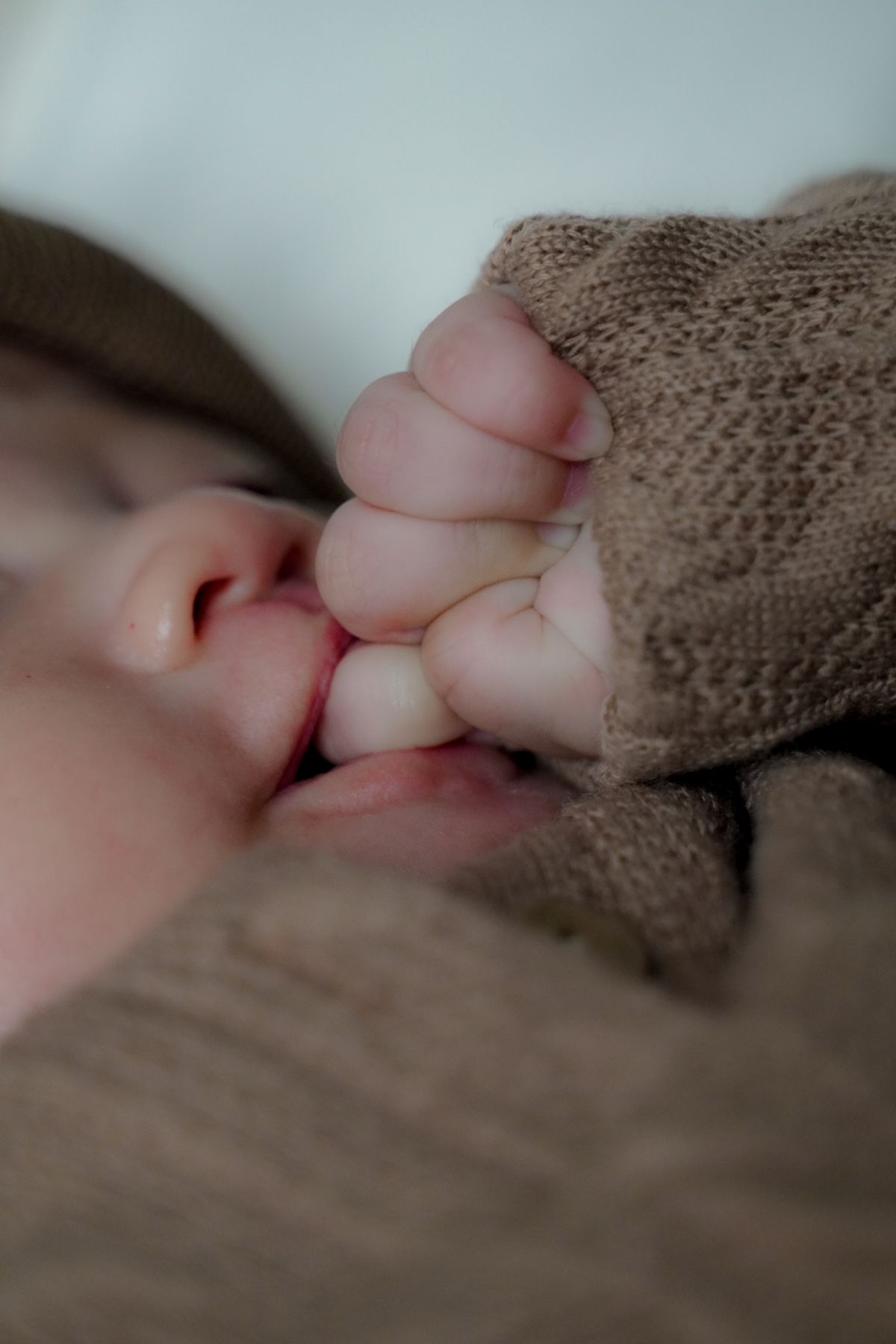
Yes — thumb or pacifier sucking is a normal, common self-soothing behavior. Most dentists don’t consider it a concern for dental development until around age 4, when it’s worth gently encouraging a stop if it continues.
Will teaching self-soothing hurt my bond with my baby?
No credible evidence supports this. Secure attachment is built through consistent responsiveness to real needs over time, not through never allowing a brief, safe period of independent settling.
My baby was self-soothing well and suddenly stopped — why?
Sleep regressions tied to developmental leaps, teething, illness, or schedule changes are common and usually temporary. Returning briefly to more support and then re-introducing the same consistent routine once things settle typically gets things back on track.
How long should I expect self-soothing training to take?
Many families see meaningful change within one to two weeks of consistent effort, though some babies take longer. Judging a method after just one or two nights usually isn't enough time to know whether it's actually working.
Can I use a pacifier as part of self-soothing before 12 months?
Yes, a pacifier is generally considered safe in the crib from birth and is actually associated with a reduced risk of SIDS, unlike loose loveys or blankets, which need to wait until around 12 months.