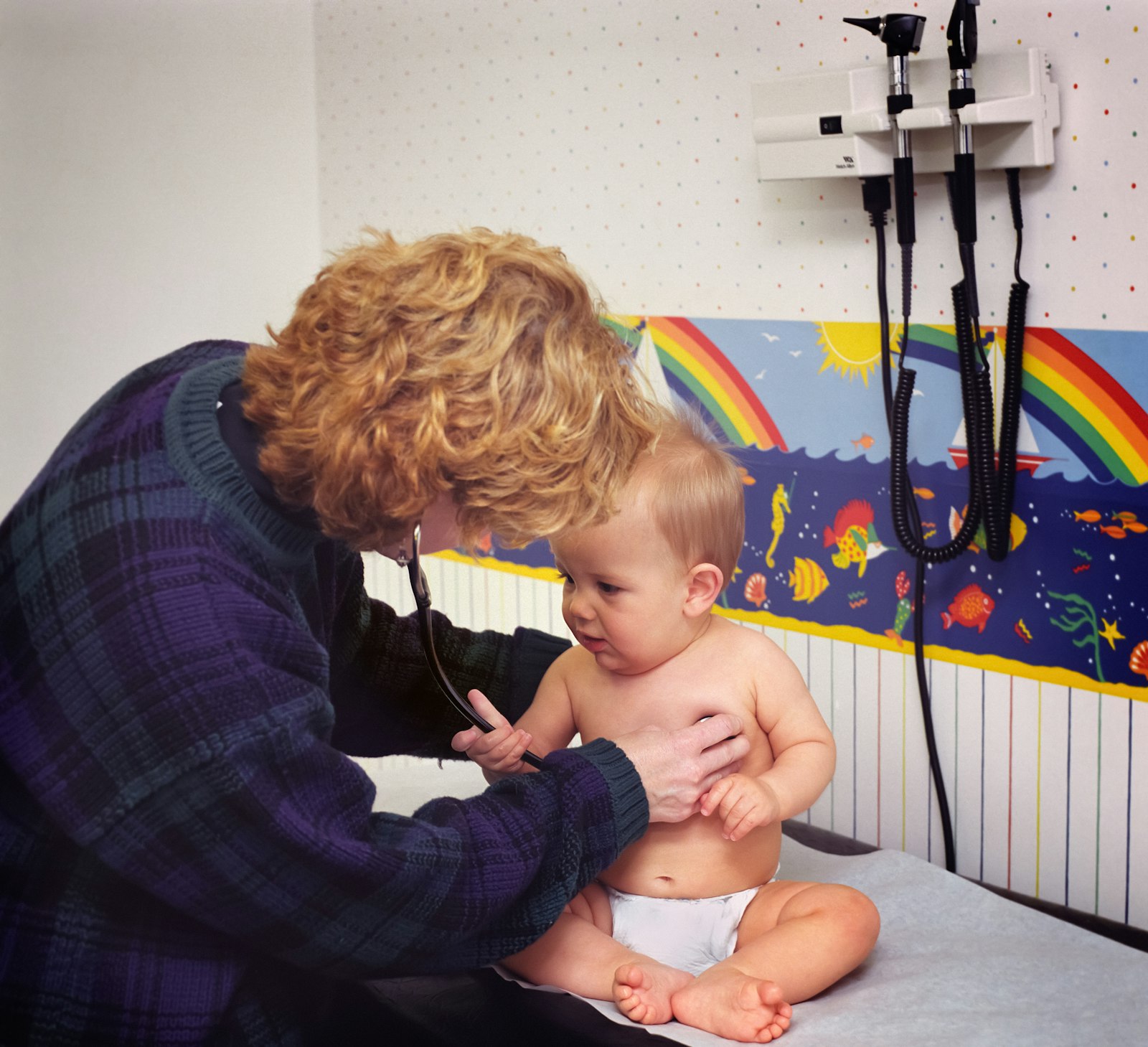
Photo: Unsplash
Baby skin reacts to almost everything — heat, friction, saliva, new detergents — which is why rashes are one of the most frequent reasons parents search for answers at 1am. Most are harmless and self-limiting; a smaller number need real treatment or a doctor visit. Here's how to tell them apart.
Diaper rash
What it looks like: red, sometimes shiny or slightly raised skin in the diaper area, usually sparing the deep skin folds.
What helps: more frequent diaper changes, air-drying time, and a thick barrier cream (zinc oxide-based) applied generously at every change. Most cases improve within 2-3 days of consistent care.
See a doctor if: it doesn't improve after a few days of home care, has bright red satellite spots (possible yeast infection needing a different treatment), or involves blistering or broken skin.
Preventing it in the first place: changing diapers promptly rather than waiting for a scheduled change, patting rather than rubbing the skin dry, applying a thin layer of barrier cream even when skin looks fine (not just once irritation starts), and going fragrance-free with wipes and detergent for a baby prone to sensitive skin. A short stretch of diaper-free time on a towel, a few times a day when practical, helps skin that's already irritated recover faster since air exposure does more than any cream alone.
Heat rash (prickly heat)
What it looks like: small, pink or red bumps, often in clusters, on the neck, chest, back, or areas covered by clothing — most common in hot, humid weather or when a baby is overdressed.
What helps: lighter clothing, a cooler room, and letting the skin breathe. It typically clears within a day or two once the skin cools down, with no treatment needed beyond that.
Heat rash tends to show up fastest in the folds of skin (neck, behind knees, under arms) and anywhere clothing traps sweat against the body, which is why overbundling a baby "to be safe" in warm weather often backfires. A simple rule that works for most healthy babies: dress them in about the same number of layers you'd be comfortable in yourself, plus at most one light layer, rather than assuming babies need to be significantly warmer than an adult in the same room.
Cradle cap
What it looks like: yellowish, greasy, scaly patches on the scalp, sometimes extending to the eyebrows or behind the ears. It looks more alarming than it is and doesn't bother most babies at all.
What helps: gentle brushing with a soft baby brush after a bath, and a small amount of baby oil left on for a few minutes before washing to loosen flakes. It usually resolves on its own within months.
Cradle cap is caused by overactive oil glands and possibly a common yeast that lives on everyone's skin, not by poor hygiene, so no amount of extra washing prevents or speeds up its resolution. Picking or scratching at the flakes can cause mild irritation or, rarely, a secondary infection, so gentle loosening with oil and a soft brush is preferable to trying to remove it all in one sitting. If flakes spread beyond the scalp, look inflamed or weepy, or don't respond to a few weeks of gentle home care, a pediatrician can suggest a mild medicated shampoo.
Eczema (atopic dermatitis)
What it looks like: dry, red, noticeably itchy patches, often on the cheeks, elbow creases, or behind the knees — unlike the rashes above, eczema tends to be chronic and flare repeatedly rather than a single one-off event.
See our full baby eczema and skin care guide for a deeper look at triggers and treatment, since it's involved enough to warrant its own guide.
Newborn rashes that are actually completely normal
A few rashes show up in the first days or weeks of life and look concerning but are considered harmless and self-resolving. Erythema toxicum causes small, blotchy red patches with a tiny white or yellow bump in the center, often appearing and disappearing across different parts of the body within the first week — despite the alarming name ("toxic"), it isn't harmful and clears on its own. Milia are the tiny white or yellow bumps often seen on a newborn's nose, chin, or cheeks, caused by trapped skin flakes in developing skin, and they resolve without treatment within a few weeks. Neither needs any special product or intervention — trying to "treat" them, in fact, is more likely to irritate the skin than help it.
Baby acne
What it looks like: small red or white bumps, usually on the cheeks, chin, or forehead, appearing anywhere from a couple weeks to a couple months after birth — thought to relate to maternal hormones still circulating in the baby's system.
What helps: nothing beyond gentle washing with plain water or a very mild cleanser. Baby acne isn't caused by dirt or diet and doesn't respond to scrubbing or acne products meant for older skin — it resolves on its own, usually within a few months, without leaving marks.
Contact and allergic rashes
What it looks like: redness or small bumps that appear in a pattern matching whatever touched the skin — a rough line where a new fabric rubbed, a patch where a new lotion was applied, or a rash that shows up shortly after switching laundry detergent or introducing a new food.
What helps: identifying and removing the trigger is the main treatment — the rash typically fades within days once the irritant is gone. Introducing one new product or food at a time, rather than several at once, makes it much easier to spot a pattern if a reaction happens.
Hives: a different category worth knowing
Hives look different from the rashes above — raised, well-defined, itchy welts that can appear and disappear within hours and move to different locations on the body, sometimes within the same day. They're often an allergic response to a food, medication, insect bite, or virus. Isolated, mild hives without other symptoms are often manageable with an antihistamine your pediatrician has approved, but hives that appear alongside facial or lip swelling, difficulty breathing, or vomiting are a sign of a more serious allergic reaction and need emergency care right away.
When any rash needs urgent attention
- A rash that doesn't fade (turn white briefly) when pressed with a glass — a classic check for a potentially serious cause.
- A rash accompanied by fever, unusual lethargy, or refusal to feed.
- Rapidly spreading hives, especially with swelling of the face or difficulty breathing — treat as an emergency.
- Any rash you're genuinely unsure about — a same-day call to your pediatrician's nurse line is always a reasonable option.
The "glass test" and what it's actually checking for
Pressing a clear glass firmly against a rash and watching whether it fades is a well-known check that parents are taught to look for signs of a meningococcal rash, one associated with meningitis and sepsis, both medical emergencies. A rash caused by this kind of infection is typically made of tiny red or purple spots (sometimes described as looking like pinpricks) or larger bruise-like patches that do not lose their color when pressed, because the redness comes from bleeding under the skin rather than surface blood vessels that blanch under pressure. This kind of rash, especially alongside a fever, a stiff neck, unusual drowsiness, sensitivity to light, or a baby who is unusually difficult to wake or console, needs emergency care immediately, not a next-day appointment. It's worth saying clearly: this specific combination is rare, and the overwhelming majority of baby rashes are one of the harmless kinds described above. The glass test is a useful thing to know, not a reason to test every ordinary rash out of worry.
A quick way to sort through what you're looking at
With so many rashes covered here, a rough sorting approach can help before you even open a search engine. Is it only in the diaper area? Likely diaper rash, possibly yeast if there are satellite spots. Is it in skin folds or under clothing during warm weather? Likely heat rash. Is it greasy, yellowish scales only on the scalp? Cradle cap. Is it small bumps on the face in a very young infant with no other symptoms? Probably baby acne or milia. Is it dry, itchy, and recurring in the same spots like elbow creases or cheeks? Likely eczema. Did it appear right where a new product or fabric touched the skin? Contact rash. Is it raised, well-defined welts that move around and appear or disappear within hours? Hives, and worth watching for breathing or swelling changes. None of this replaces an actual look from a pediatrician when you're not sure, but it's a reasonable starting point for triaging how urgent something feels.
Common myths about baby rashes
- "A worse-looking rash is always more serious." Appearance and severity don't line up as closely as people assume. Heat rash can look dramatic and be harmless; a meningitis rash can start as just a few small spots.
- "Diaper rash means you're not changing diapers often enough." Even with frequent changes, diaper rash happens, especially during teething, after a course of antibiotics, or with a new food that changes stool acidity. It's not automatically a sign of neglect.
- "Baby acne means their skin needs cleansing products." Baby acne responds to time, not products, and stronger cleansers or acne treatments made for older skin can make it worse.
- "Cradle cap means poor hygiene." It's related to oil gland activity and a common skin yeast, unrelated to how often a baby is bathed.
- "Eczema is caused by something the parent is doing wrong." Eczema has a strong genetic and immune-system component. Managing triggers helps control flares, but it isn't caused by a parenting mistake.
A couple of real-life scenarios
The 3-week-old with a red, bumpy diaper area. Redness across the main contact area, sparing the deep folds, no fever, feeding normally. Frequent changes, a thick zinc oxide barrier cream, and some diaper-free time clear it within three days. Standard diaper rash, standard response.
The 2-month-old with bright red spots beyond the main rash. A diaper rash that hasn't responded to barrier cream after four days now has small, distinct red spots spreading past the edges of the main rash. This pattern (satellite spots, poor response to barrier cream alone) points toward a yeast infection, which needs an antifungal cream from the pediatrician rather than more barrier cream.
The 10-month-old with a rash that doesn't fade under pressure, plus a fever. A febrile baby develops small purple-red spots that stay put when pressed with a glass, along with unusual drowsiness. This combination is a same-time emergency room visit, not a wait-and-see situation, regardless of how the baby seemed an hour earlier.
Frequently asked questions
How do I tell diaper rash from a yeast infection?
Regular diaper rash is usually a more uniform red or pink over the main contact areas; a yeast infection typically adds bright red "satellite" spots spreading beyond the main rash and often extends into the deep skin folds regular diaper rash tends to spare. Yeast infections usually need an antifungal cream, not just barrier cream.
Is it normal for a rash to come and go?
Yes, for conditions like heat rash and mild eczema flares, which respond directly to temperature, friction, or irritant exposure. A rash that keeps returning in the exact same spots over weeks or months is more consistent with eczema than a one-off irritation.
Can I use over-the-counter hydrocortisone cream on a baby rash?
Only on your pediatrician’s specific guidance — infant skin absorbs topical steroids more readily than adult skin, and the right strength and duration depends on the diagnosis. Don’t apply it as a general first response without checking first.