Photo: Unsplash
Frequent nosebleeds in kids look alarming — a small amount of blood mixed with saliva or mucus always looks like more than it is — but the overwhelming majority have a simple, unremarkable cause and stop within minutes with the right technique.
Why kids get nosebleeds so often
- Dry air — especially indoor heating in winter — dries out the delicate blood vessels lining the front of the nose, making them prone to cracking.
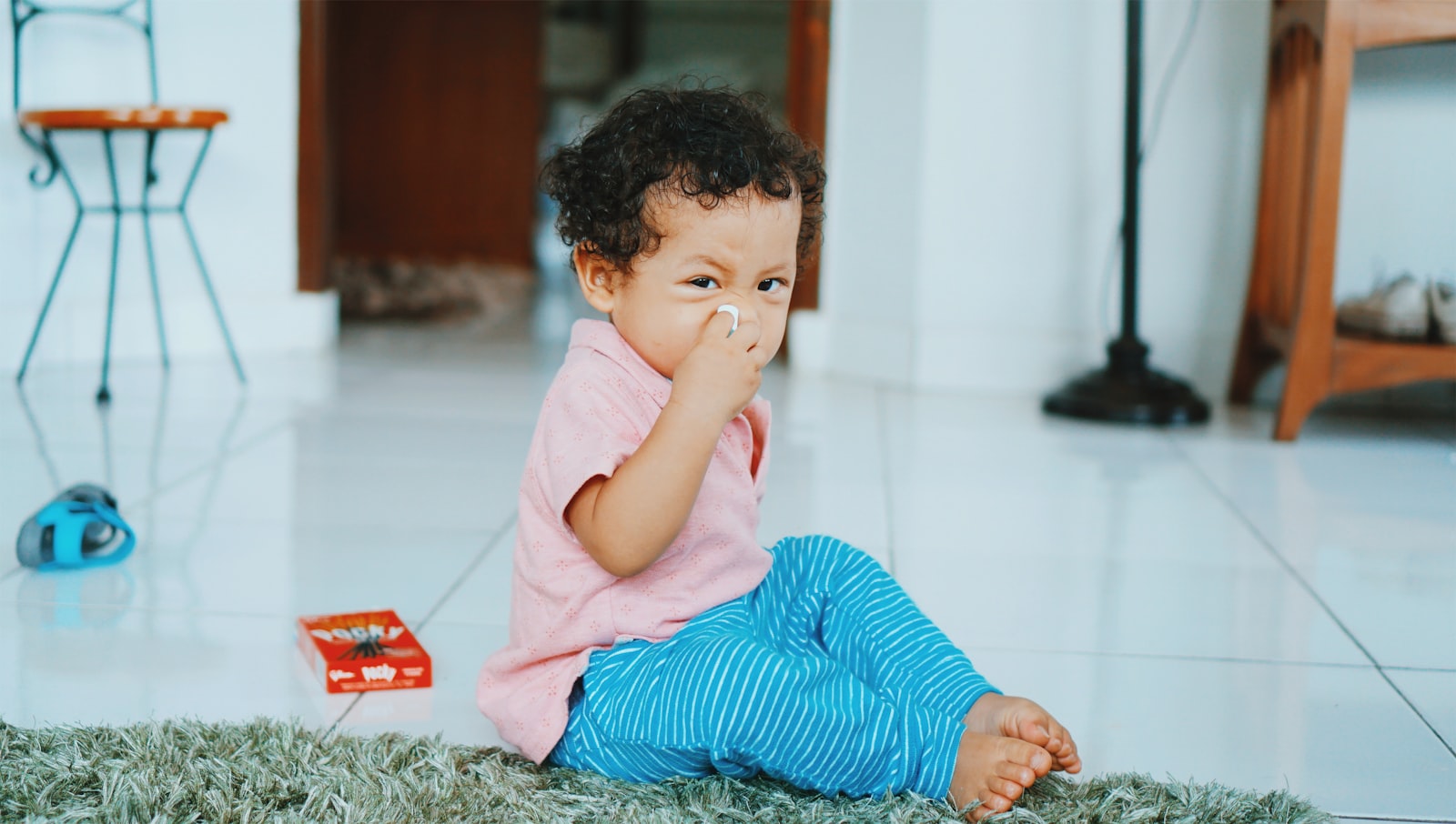
- Nose picking — extremely common at this age and a leading cause on its own, since fingernails easily damage those same fragile vessels.
- Colds and allergies — frequent nose-blowing and inflammation irritate the same vulnerable area.
- Minor bumps — a fall, a ball to the face, or general rough play are common triggers in active kids.
The correct way to stop a nosebleed
Have your child sit up and lean slightly forward (not back — tilting the head back lets blood run down the throat, which can cause coughing or vomiting rather than helping anything). Pinch the soft lower part of the nose firmly, just below the bony bridge, and hold continuously for a full 10 minutes without checking or releasing early. Most nosebleeds stop within this window.
Staying calm yourself while doing this matters more than it might seem. Young kids pick up quickly on a parent's anxiety, and a calm, matter-of-fact tone while holding pressure helps a child stay still and cooperative rather than squirming or panicking, both of which can make the ten minutes feel much longer and less effective.
Preventing recurring nosebleeds
- Run a cool-mist humidifier in the bedroom during dry winter months.
- Apply a small amount of petroleum jelly or a saline gel just inside the nostrils at bedtime to keep the lining moist.
- Keep fingernails trimmed short, and gently discourage nose-picking as a habit — a losing battle at times, but worth the reminder.
- Treat underlying allergies or colds, since ongoing irritation is often the real driver behind repeated nosebleeds.
Anterior vs. posterior nosebleeds
Almost all childhood nosebleeds are "anterior," meaning they come from the network of small blood vessels near the front of the nose — this is the type that responds well to pinching and pressure, and it's what nearly every kid experiences. "Posterior" nosebleeds, which originate further back and drain toward the throat rather than out the nostril, are much rarer in children and tend to involve heavier bleeding that's harder to control with simple pressure. If a nosebleed seems to be flowing mostly down the back of the throat rather than out the front, or pressure isn't working after a genuine, uninterrupted 15-20 minutes, it's reasonable to treat it as a posterior bleed and seek medical care rather than continuing to try the same approach.
Common mistakes that make nosebleeds worse or last longer
Beyond tilting the head back, a few other habits tend to backfire: releasing the pinch every minute or two to "check" if it's stopped (this resets the clotting process and often restarts the bleeding), stuffing tissue or cotton deep into the nostril (it can stick to the clot and cause more bleeding when removed), and letting a child blow their nose right after a nosebleed stops (this frequently dislodges the fresh clot and starts things up again). Consistent, uninterrupted pressure for the full 10 minutes really is the part that matters most.
Caring for the nose after the bleeding stops
Once a nosebleed has stopped, encourage your child to avoid nose-blowing, picking, or vigorous rubbing for the rest of the day, since the fresh clot is still fragile. A dab of petroleum jelly or a saline gel inside the nostril that evening can help keep the area from drying out and cracking again overnight. If nosebleeds have been frequent that week, it's worth easing up on humidifier use reminders and considering whether an antihistamine or allergy nasal spray your child uses might be drying out the lining more than usual — worth mentioning to your pediatrician if it lines up.
A light snack and something to drink afterward also helps, since the process, however minor, can feel like a small ordeal for a young child, and returning to a normal, calm activity soon after tends to reassure them that everything is fine faster than continued fussing over it would.
When to actually worry
- A nosebleed that doesn't stop after 20 minutes of correct, continuous pressure.
- Frequent nosebleeds alongside unusual bruising elsewhere, or bleeding gums — worth mentioning to a pediatrician to rule out a clotting issue.
- A nosebleed following a significant head injury or fall, especially with other symptoms like confusion or vomiting.
- Heavy bleeding, difficulty breathing, or a child who seems unusually pale or lightheaded.
A typical case, start to finish
A common scenario looks something like this: a five-year-old wakes up in the middle of winter, rubs their nose, and blood starts dripping. A parent sits the child up, tilts their head slightly forward, and pinches the soft part of the nose for a full, uninterrupted ten minutes while distracting with a show or a story to make the wait easier. The bleeding stops, the child goes back to a normal morning, and that evening a bit of saline gel goes inside each nostril before bed along with turning on the bedroom humidifier. Over the following weeks, nosebleeds happen less often as the humidifier keeps the air from getting as dry. This straightforward pattern, simple cause, correct technique, small preventive change, covers the large majority of childhood nosebleed situations parents will ever deal with.
When one nostril bleeds more than the other
It's common for nosebleeds to consistently favor one side, especially in kids who have a habit of picking or blowing more forcefully on that side, or who sleep facing one particular direction most nights, which changes how dry that side gets relative to the other. A consistent one-sided pattern usually just reflects habit or airflow rather than anything needing investigation. If one side becomes persistently blocked, has a foul odor, or bleeds unusually heavily compared to the other, mentioning it to a pediatrician is reasonable, since very rarely something like a small object lodged in the nose (more common in toddlers) can be the underlying cause.
Toddlers in particular sometimes push small toys, beads, or bits of food up a nostril out of curiosity, and this can present as a one-sided nosebleed along with a foul smell or discharge days later, well after the original event. If a young child has a persistent one-sided nasal issue with no clear explanation, it's worth mentioning the possibility of a foreign object to your pediatrician, who can check with a simple exam.
Nosebleeds during sleep
A nosebleed that starts overnight often gets discovered as dried blood on a pillow rather than caught in the act, which can be startling first thing in the morning even though it usually means nothing more happened than a daytime nosebleed would. Nighttime nosebleeds are frequently linked to particularly dry bedroom air, since a closed-up room with heating or air conditioning running for hours dries out nasal passages more than daytime exposure typically does. Running a humidifier specifically in the bedroom overnight, rather than only during waking hours, often makes a bigger difference for this pattern than daytime moisture measures alone.
Nosebleeds and physical activity
Swimming, particularly in heavily chlorinated pools, can dry and irritate nasal passages in some kids, occasionally triggering a nosebleed after a swim session even without any direct impact. Vigorous exercise and higher blood pressure during intense activity can also make an already-fragile vessel more likely to bleed. Applying a bit of saline gel or petroleum jelly inside the nostrils before swimming or a workout, especially for a child who's prone to frequent nosebleeds, is a simple preventive step worth trying. None of this means limiting normal activity, just being aware that a bleed after swimming or a run isn't unusual or a sign of anything more serious.
Does diet or hydration play a role?
Staying well-hydrated supports healthy mucous membranes throughout the body, including the nose, so a child who drinks very little water, especially during dry winter months, may be somewhat more prone to nosebleeds than one who stays consistently hydrated. There's no specific food proven to prevent nosebleeds, though a generally balanced diet supports normal blood vessel health and clotting function. Vitamin C and vitamin K both play roles in vessel integrity and clotting respectively, and most children get enough of both through a typical varied diet without needing a specific supplement aimed at nosebleeds.
Myths about nosebleeds worth clearing up
A long-standing myth holds that tilting the head back is the correct first-aid response; as covered above, this is actually the wrong approach and can cause blood to be swallowed or inhaled. Another myth suggests frequent nosebleeds always signal high blood pressure or a serious blood disorder in children; in reality, the overwhelming majority of pediatric nosebleeds trace back to dry air, picking, or minor irritation, and serious underlying causes are uncommon, particularly in a child without other symptoms like unusual bruising or fatigue. A third myth is that a nosebleed means something is seriously wrong with a child's health in general; most kids who get frequent nosebleeds are otherwise completely healthy, and the pattern typically fades as they get older and their nasal passages mature.
Building a simple nosebleed kit at home
- Tissues or a small stack of paper towels kept in a bathroom or kitchen drawer for quick access.
- Saline gel or petroleum jelly for both prevention and gentle aftercare once a bleed has stopped.
- A small, portable humidifier for a child's bedroom if nosebleeds tend to cluster during dry seasons.
- A simple timer, or just a phone, to make sure a full 10 minutes of continuous pressure is actually held rather than guessed at.
Having these basics ready before the next nosebleed happens, rather than searching for tissues mid-bleed, keeps the moment calmer for both parent and child. For general first-aid reference on childhood nosebleeds, HealthyChildren.org from the American Academy of Pediatrics is a solid resource.
Frequently asked questions
Should I tilt my child’s head back during a nosebleed?
No — this is a common but outdated instinct. Tilting the head back lets blood drain down the throat instead of stopping the bleed, which can cause choking, coughing, or an upset stomach. Leaning slightly forward while pinching the nose is the correct technique.
Why does my child get nosebleeds so much more than other kids?
Frequency varies a lot between individual kids based on how dry the air is at home, allergy or cold frequency, and simply how much a particular child picks at their nose. It’s rarely a sign of an underlying problem on its own.
Is it normal for nosebleeds to happen almost every winter?
Yes — indoor heating dries out nasal passages significantly during colder months, and this is one of the most common seasonal patterns for childhood nosebleeds. A bedroom humidifier often noticeably reduces how often they happen.
Do nosebleeds always mean high blood pressure or a blood disorder?
No, this is a common misconception. The vast majority of childhood nosebleeds are caused by dry air, nose picking, or minor irritation rather than any underlying medical condition. Frequent nosebleeds paired with unusual bruising or fatigue are worth mentioning to a pediatrician, but on their own they usually aren't a sign of something serious.
Can swimming cause nosebleeds?
Yes, sometimes. Chlorinated pool water and general nasal irritation from swimming can dry out or aggravate the delicate blood vessels in the front of the nose in some children, occasionally triggering a bleed even without any impact. This isn't a reason to avoid swimming, just something to be aware of if it happens.