Photo: Pexels
A diaper bag is one of those items every new parent needs but few enjoy shopping for. With so many styles, sizes, and "must-have" features marketed at new parents, it's easy to overspend on a bag that ends up sitting unused in a closet because it wasn't actually practical day to day. Thinking through your actual daily routine, rather than the idealized outing pictured in a product photo, is usually a better guide to what you'll genuinely need.
The main styles
- Backpack style — keeps both hands free, distributes weight better over long outings, and is generally the most practical choice for parents who are also managing a stroller or a toddler's hand.
- Tote style — often more fashion-forward, easy to grab quickly, but puts all the weight on one shoulder over time.
- Messenger/crossbody style — a middle ground, keeping a hand free while distributing weight across the body rather than one shoulder.
- Convertible bags — designed to work as a regular bag once diaper-bag days are over, worth considering if you'd rather not buy a second bag down the line.
Features that actually matter
- An insulated bottle pocket — genuinely useful for keeping a bottle or pouch at a reasonable temperature for a few hours out.
- A wipeable, easy-to-clean material — diaper bags get messy fast, and a fabric that needs dry cleaning is a poor match for the job.
- Stroller attachment straps or clips — lets the bag hang on the stroller instead of taking up seat or basket space.
- A built-in changing pad — a genuinely convenient feature that saves buying one separately, though not a dealbreaker if the bag has enough room for one anyway.
- Enough compartments to actually stay organized — a bag that's just one giant pocket tends to turn into a bottomless bin within a week.
Size: bigger isn't always better
It's tempting to buy the largest bag available "to be safe," but an oversized bag often just means more unnecessary weight and more digging around to find things. A mid-sized bag that fits diapers, wipes, a change of clothes, a bottle, and a few essentials for the length of a typical outing is usually more practical than a bag sized for a full weekend trip every single day.
What to actually pack
A reasonable everyday loadout covers the essentials without overpacking: 2-3 diapers more than you expect to need, a travel pack of wipes, a small tube of diaper cream, one full change of clothes, a couple of small toys or a pacifier, and a bottle or snack if age-appropriate. Restocking the bag the night before a predictable outing, rather than repacking it fully from scratch every single time, saves a meaningful amount of daily hassle.
When to size down as your child grows
The gear load for a newborn is dramatically heavier than for a toddler, and many parents keep carrying an oversized newborn-era bag out of habit long after it's necessary. Once diapering needs shrink and a child can walk and entertain themselves more independently, transitioning to a smaller bag — or even just a large pocket in a regular bag — is a reasonable and often overdue downsize that most families don't think to make until they consciously decide to.
Splitting the load between two parents
In two-parent households, it's worth deciding upfront whether one bag travels with whichever parent is out, or whether each parent keeps a lighter, separately stocked bag in their own car or work bag. The second approach costs more upfront in duplicate small items — an extra travel pack of wipes, a spare outfit — but avoids the common frustration of a fully stocked bag being unavailable exactly when it's needed because it's with the other parent.
Diaper bags after the diaper stage ends
A well-built bag doesn't necessarily need to be retired the moment potty training finishes, and many parents find a good diaper bag transitions smoothly into a general family outing bag, holding snacks, a water bottle, sunscreen, and small toys for a preschooler long after diapers are no longer part of daily life. Choosing a bag with a relatively neutral design from the very start, rather than one covered in obviously baby-themed prints, makes this later transition feel more natural rather than like carrying around an outdated relic of an earlier stage of parenting. Some families deliberately buy a convertible-style bag for exactly this reason, treating the diaper-bag years as one chapter in a longer usable life for the same piece of gear.
Material and durability considerations
Nylon and polyester blends tend to hold up better against spills and daily wear than canvas or leather, and most wipe clean with a damp cloth rather than needing a proper wash. Leather diaper bags look nice but show stains more visibly and are harder to fully clean, which matters more for a bag used daily for a couple of years than it might for an occasional-use bag. Checking the stitching at stress points — strap attachments and zipper pulls — for a season of daily use is a better durability signal than material alone.
Reading recent reviews specifically for zipper and strap failures after several months of use is more informative than the initial unboxing reviews most product pages lead with, since daily-use wear is exactly where a cheaply made bag tends to fail first. A bag that still looks and functions well after six months of daily use is a far better indicator of quality than how it photographed on the first day out of the box.
Organizing the inside of the bag
A well-chosen bag still gets messy fast without some system for keeping items findable under pressure, which is exactly when you need them most, like a diaper blowout in a parking lot. Small packing cubes or zippered pouches, one for diapering supplies, one for feeding items, one for a change of clothes, keep the bag's interior organized even if the bag itself only has one or two large compartments. Keeping frequently needed items like wipes and a diaper cream in an easily reachable outer pocket, rather than buried at the bottom under bulkier items, saves real time during an urgent diaper change in a public bathroom or a car. Doing a quick "reset" after each outing, restocking anything used and removing trash or diapers, keeps the bag ready to grab at a moment's notice rather than needing a full repack every single time you head out the door.
Choosing a bag for twins or closely spaced siblings
Parents of twins or two children close in age often find a single standard diaper bag simply doesn't have enough room for two sets of supplies, particularly in the newborn stage when both children may need frequent diaper changes and feeding items. A larger backpack-style bag with dedicated dual insulated pockets, or two separate mid-sized bags split between caregivers, both work well in practice, and which approach fits better tends to depend on whether one or two adults are typically present during a given outing. Color-coding supplies or using different pouch colors for each child cuts down on mix-ups when moving quickly between two sets of near-identical diapering items during a hectic outing.
Diaper bags for dads and non-traditional styles
Diaper bag marketing has historically leaned heavily toward styles aimed at mothers, but plenty of manufacturers now make bags with a more neutral or masculine aesthetic, closer to a standard messenger bag or backpack, with all the same functional features. Fit and function matter far more than marketing category, so a father, non-binary parent, or anyone who simply prefers a different look shouldn't feel limited to bags explicitly labeled for one demographic. Many parents ultimately choose a well-reviewed backpack from a general outdoor or work-bag brand, and simply add the diapering-specific organizational pouches themselves, achieving the same functional result without settling for a look they don't like or don't feel comfortable carrying around every single day.
Signs your current bag isn't working
- You regularly forget or can't find something you know you packed, because the compartments don't match how you actually use the bag.
- Straps or zippers have started to fray, stick, or fail outright within the first several months of regular, everyday use.
- The bag itself feels noticeably heavier than the gear inside it justifies, adding unnecessary strain to already tiring outings.
- You've started carrying a second bag alongside it just to hold overflow items that don't fit anywhere inside the main one anymore.
What to check in store before buying
- Put the empty bag on your back or shoulder and walk around the store for a few minutes; a bag that feels fine standing still can feel very different after ten minutes of actual wear.
- Open every zipper and pocket fully, checking for smooth zipper action and sturdy stitching at the seams, especially around the main compartment opening where stress concentrates.
- Check that the stroller straps or clips actually fit the width of your specific stroller frame, since some clip systems only fit certain bar sizes.
- Fill the bag with a few heavy items, like a water bottle and a book, to get a rough sense of how it carries loaded rather than empty.
- Look at the bottom panel specifically; a reinforced or slightly raised base keeps the bag from soaking up moisture when set down on a wet changing table or bathroom floor.
A quick safety note on baby gear generally
Diaper bags themselves aren't typically subject to the same safety certifications as items like car seats or cribs, but any accessories sold alongside them, such as a bundled changing pad, bottle warmer, or baby carrier insert, can be. Before buying gear bundled with a diaper bag, it's worth a quick check of the CPSC recall database for the specific brand and product, since bundled accessories from lesser-known sellers are exactly the kind of item that sometimes gets missed in general safety news coverage.
Our picks
Each pick below was checked against real order and rating data — not pulled from the top of a search page — so every one genuinely holds a 98%+ rating from a meaningful number of real buyers.

BAGSMART Mommy Diaper Bag Stroller Organizer Multifunctional Baby Diaper Handb…
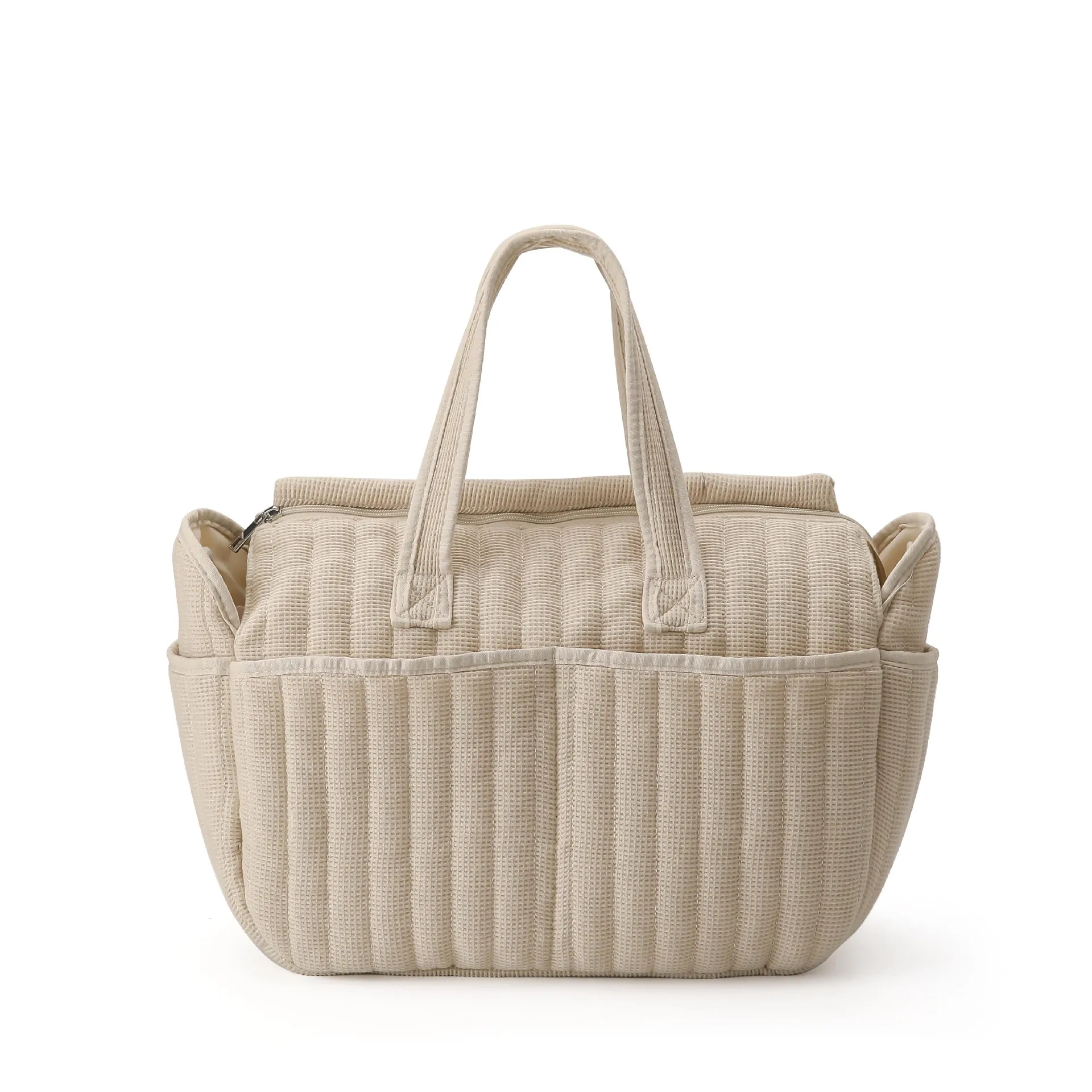
Solid Diaper Bag Fashion Waterproof Multi-functional Diaper Backpack Nursing C…
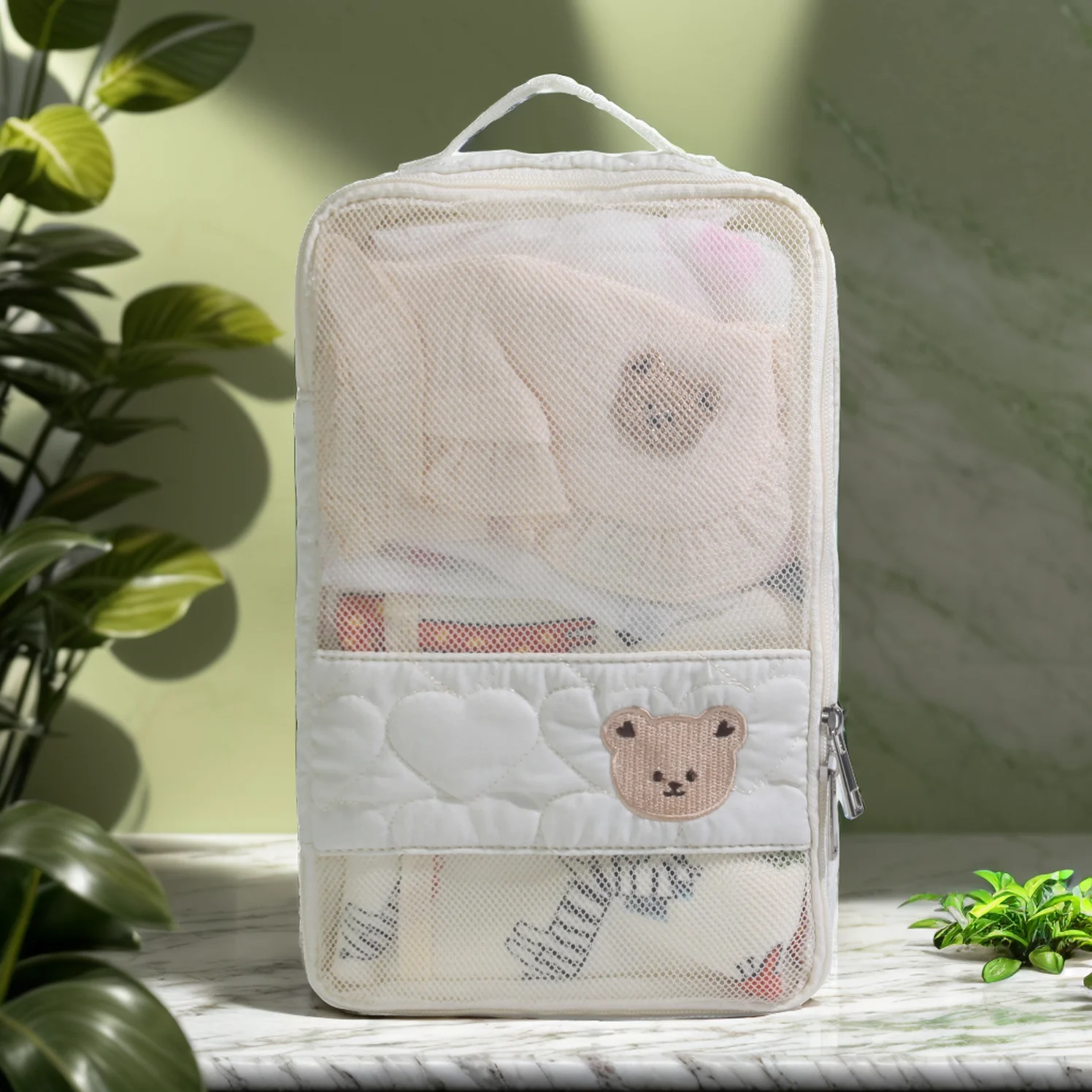
Travel Diaper Bag Bag, Waterproof Portable Diaper Bag for baby Clothes, Mother…
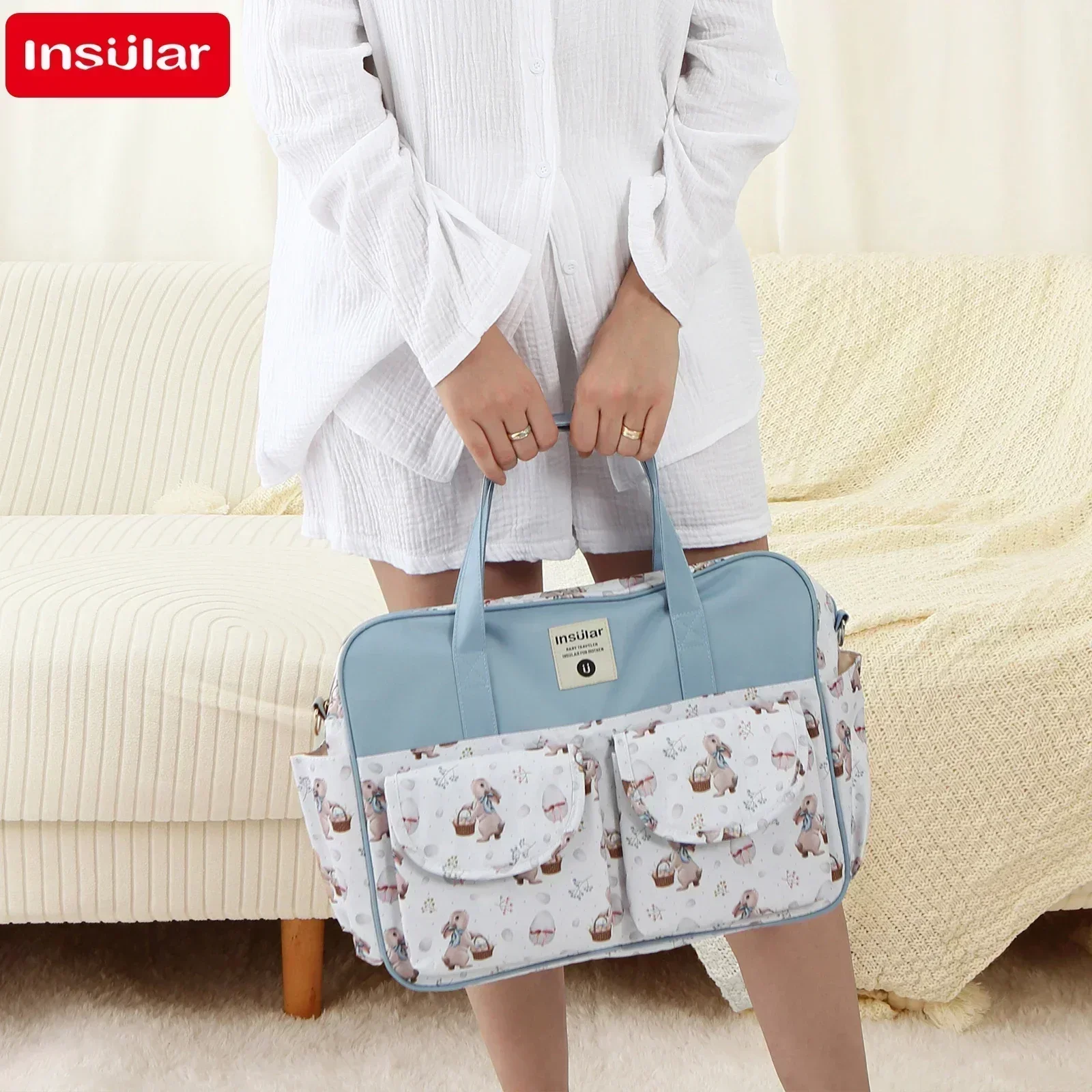
Mommy Diaper Bag For Babies LargeCapacity Organizer Waterproof Wide Opening Tr…

Diaper Bag Backpack Baby Essentials Travel Tote Multifunction Waterproof with…
Affiliate links — we may earn a commission at no extra cost to you. Learn more.
Frequently asked questions
Do I really need a bag marketed specifically as a "diaper bag"?
No — many parents do perfectly well with a sturdy regular backpack or tote that has enough compartments and a wipeable material. The "diaper bag" label mostly adds specific features like insulated pockets and stroller clips, which are convenient but not strictly necessary.
Is a built-in changing pad worth paying extra for?
It's a genuine convenience, especially in the newborn stage, but not essential if the bag has enough room to carry a separate portable changing pad instead — the two options end up roughly equivalent in practice.
How many diaper bags do most families actually need?
Most families do fine with just one primary bag, occasionally supplemented with a smaller "quick errand" bag for short outings that don't need a full loadout.
What's the best way to clean a diaper bag?
Most nylon or polyester bags can be wiped down with a damp cloth and mild soap for everyday messes, and many detachable changing pads and pouches are machine washable, but it's worth checking the manufacturer's specific care label before a full wash, since some structural padding or waterproof coatings don't hold up well in a washing machine.
Should I buy a diaper bag before the baby arrives?
Yes, it's worth having one packed and ready before your due date, since a hospital bag and an early diaper bag routine often overlap in the first weeks home. Starting with a modest bag and upgrading later, once you know your actual habits and outing patterns, is a reasonable approach rather than guessing at the perfect bag before you've experienced a real outing with your baby.
Do designer diaper bags actually last longer than budget ones?
Not necessarily. Price correlates loosely with materials and stitching quality, but plenty of budget bags use durable nylon and reinforced seams, while some expensive designer bags prioritize appearance over daily wear resistance. Reading reviews focused specifically on long-term durability, rather than assuming a higher price guarantees a sturdier bag, is the more reliable approach.