Photo: Unsplash
There's no single "best" stroller — the right choice depends heavily on your actual lifestyle: whether you're navigating city sidewalks, running trails, frequent flights, or shuttling multiple kids at once. Below is a type-by-type comparison, the features actually worth paying for, and a few genuinely well-reviewed picks if you want to compare real listings rather than shop blind.
Stroller types compared
| Type | Best for | Typical weight | Typical price range |
|---|---|---|---|
| Full-size stroller | Everyday use, storage space, comfort for longer outings | 20–30 lbs | $150–$600+ |
| Lightweight/umbrella stroller | Travel, quick errands, easy folding and storage | 10–16 lbs | $40–$150 |
| Jogging stroller | Running or uneven terrain, thanks to larger wheels and suspension | 20–28 lbs | $150–$500 |
| Travel system (stroller + infant seat) | Newborns, seamless car-to-stroller transitions | 25–35 lbs combined | $200–$700 |
| Double/tandem stroller | Two kids close in age, twins | 28–40 lbs | $250–$900 |
What to look for
- Fold mechanism — one-handed folding is worth it if you're often solo.
- Weight and portability, especially for stairs, public transit, or travel.
- Wheel size and suspension, if you'll use it on uneven sidewalks or trails.
- Storage basket size for bags, groceries, or diaper bag essentials.
- Recline options and sun canopy coverage for nap-friendly outings.
- Compatibility with your infant car seat, if you want a travel system.
Strollers for multiples and closely spaced siblings
Twins or two children close in age generally need either a side-by-side double, which is wider but keeps both kids at the same eye level, or a tandem (front-to-back) double, which is narrower for doorways but puts one child ahead of the other. Side-by-side models tend to be easier for switching kids in and out independently, while tandems fit through standard doorways and narrower store aisles more easily. If you already have a toddler and a new baby rather than twins, a sit-and-stand board or a single stroller with a rear standing platform is often a lighter, cheaper option than a full double, especially once the older child is walking well and mostly needs a place to stand for tired stretches rather than sit the whole time.
Do you need more than one stroller?
Many families end up with a full-size stroller for everyday use and a lightweight one for travel or quick errands, rather than trying to find one stroller that does everything well. It's worth starting with your most common use case and adding a second later if needed.
Safety basics
Always use the harness, even for a sleeping baby, and check the manufacturer's minimum age and weight requirements — some strollers aren't recommended for newborns without an attached infant car seat or a fully reclining seat.
Matching wheels and folding style to your life
Wheel type has an outsized effect on how much a stroller actually gets used day to day. Larger, air-filled or foam tires handle uneven sidewalks, gravel paths, and light trail use far more smoothly than the small plastic wheels common on lightweight umbrella strollers, which matters a lot if your neighborhood isn't flat, paved, and well-maintained. Swivel front wheels make tight turns in stores or crowded sidewalks much easier, though many can be locked straight for better stability on rougher terrain or at higher jogging speeds. Folding mechanism matters more than it seems until you're doing it one-handed while holding a baby and a bag of groceries — a stroller that folds compactly with one hand and stands on its own when folded is worth prioritizing if you're getting in and out of a car or public transit regularly, over one that technically has more features but requires two hands and a bit of wrestling to collapse.
How long a stroller actually needs to last
Strollers see more wear than most baby gear, since they're used daily, often outdoors, for two to four years depending on the child and the family's habits. Higher weight and height limits extend a stroller's useful life into the toddler and preschool years, which matters if you want to avoid buying a second stroller partway through. Frame and fabric durability vary a lot between price points — a budget stroller might show real wear (fraying fabric, a wobblier frame) within a year of regular use, while a well-built mid-range model can last comfortably through a second child. If you're planning on more kids, checking whether a stroller can be converted to a double later, or whether the brand sells a compatible sibling board or car seat adapter, can save a full second purchase down the line.
Safety standards worth knowing
In the US, strollers sold new are required to meet the ASTM F833 standard, which covers braking systems, structural integrity, and stability testing, and many are also JPMA certified as an added layer of independent verification. Before buying secondhand or from an unfamiliar marketplace seller, check the specific model against the Consumer Product Safety Commission's recall database, since stroller recalls do happen, most often over wheel detachment, brake failure, or a folding hinge that can pinch fingers.
Step by step: choosing a stroller for your actual life
- Map your real weekly routine first. Count how many times a week you'll be folding it into a trunk, taking it on transit, running on trails, or just walking around the block, before looking at a single product listing.
- Pick the type that matches your top use case, not every possible use case. A single well-matched stroller beats a "does everything" model that's mediocre at your most common scenario.
- Check car seat compatibility if you want a travel system, confirming the specific infant seat model clicks into the specific stroller frame, since compatibility isn't universal across brands.
- Test the fold in person if at all possible, ideally one-handed, since this is the single feature most likely to become a daily frustration if it doesn't work the way you expected.
- Confirm the weight and height limits extend far enough to actually get you through the years you're planning to use it, so you're not shopping again in six months.
- Register the stroller with the manufacturer after purchase so you'll be notified directly of any future recall.
Common mistakes when buying a stroller
- Buying based on looks alone. A sleek, minimalist stroller can turn out to have a tiny storage basket or a fold that needs two hands, details that matter far more day to day than the color or silhouette.
- Skipping the in-person fold test. A fold mechanism that looks simple in a product video can be genuinely awkward in practice, especially one-handed while holding a baby.
- Ignoring your actual terrain. A stroller with small plastic wheels struggles on gravel, grass, or poorly maintained sidewalks, even if it looks perfectly capable in a store.
- Overbuying for a temporary stage. A full jogging stroller bought for a single planned race, then rarely used again, is a common and avoidable overspend; renting or borrowing is worth considering for a one-off need.
- Not checking recall status on a secondhand or hand-me-down stroller. A model that looks perfectly fine can still have an open recall for a wheel, brake, or folding hinge defect.
Myths vs. facts about strollers
Myth: The most expensive stroller is always the safest. Fact: all strollers sold new in the US must meet the same ASTM F833 safety standard regardless of price; higher-end models tend to add convenience features and materials, not a fundamentally different safety bar.
Myth: A jogging stroller is a good all-purpose everyday stroller. Fact: jogging strollers are optimized for straight-ahead speed and rough terrain, which often makes them bulkier and harder to maneuver in tight indoor spaces like stores or elevators than a standard everyday stroller.
Myth: You need to buy a brand-new stroller for a first child. Fact: a hand-me-down or secondhand stroller checked against the recall database and inspected for wear is a perfectly reasonable and common choice, and many strollers easily outlast one child's use.
A realistic scenario
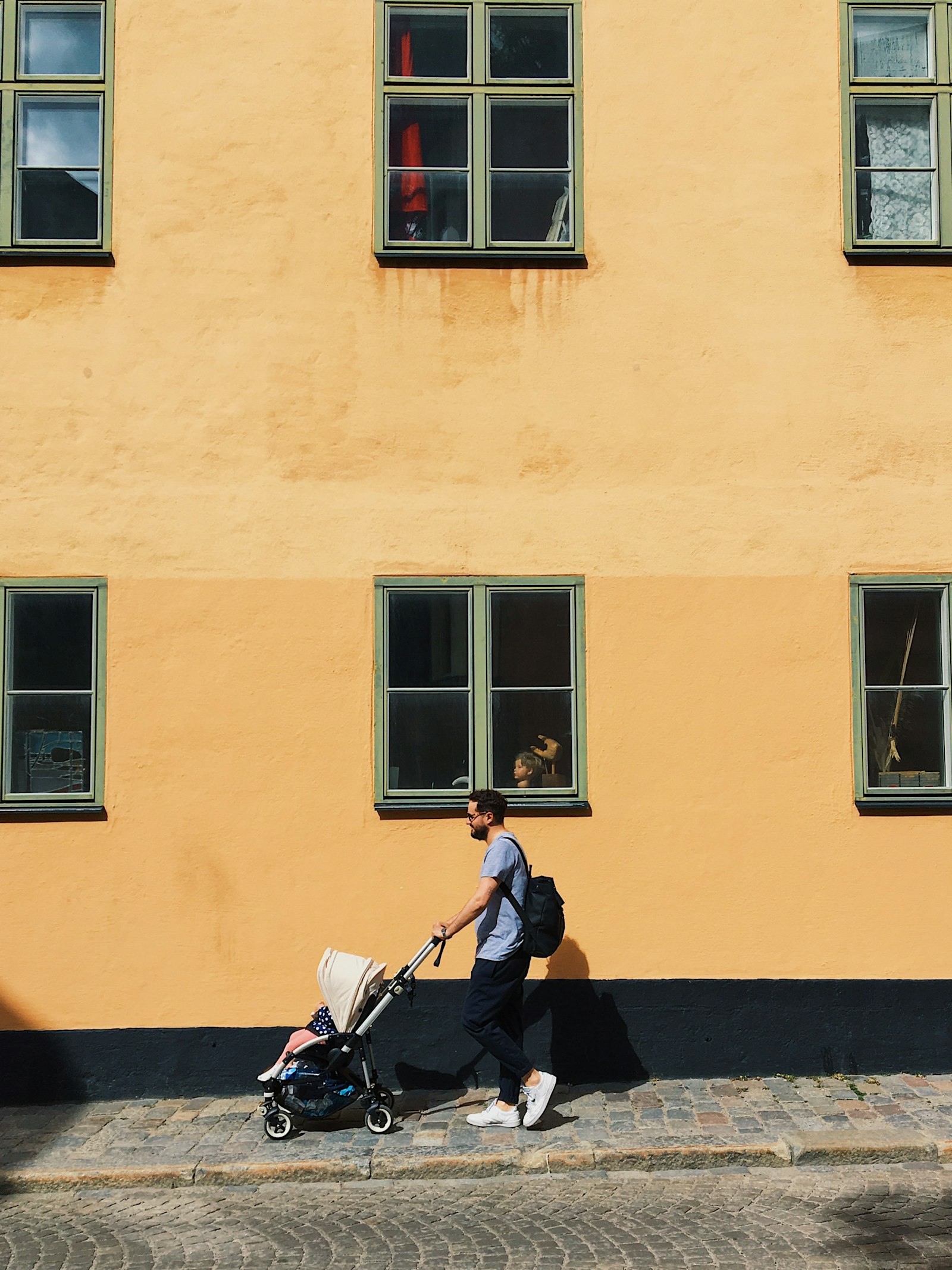
Consider a family living in a third-floor walkup in a city, without a car, who buys a full-size stroller with all the bells and whistles based on glowing general reviews. They quickly find that hauling a 28-pound stroller up three flights of stairs multiple times a day, and squeezing it through narrow store aisles and subway turnstiles, makes daily life harder rather than easier. After a few frustrating months, they switch to a lightweight umbrella stroller under 15 pounds that folds with one hand and fits in a hallway closet, and their daily routine improves immediately. Their experience is a common one: the "best-reviewed" stroller in general terms isn't necessarily the best one for a specific living situation, and matching the stroller to daily logistics (stairs, transit, storage) matters more than chasing the highest overall rating.
What to check in the store before buying
- Push the stroller in a straight line and around a tight corner to feel how the wheels track and turn.
- Fold and unfold it yourself, at least twice, ideally one-handed, rather than watching a salesperson demonstrate it.
- Check how the stroller stands when folded; some models don't stand on their own, which matters if you're loading a trunk or leaning it against a wall.
- Recline the seat fully to check how flat it goes, especially important if you plan to use it with a young infant.
- Check the harness adjustment points and confirm they're easy to reach and adjust without needing two people.
A real pick, and the accessories worth adding to any stroller
Genuine, well-reviewed full stroller listings are surprisingly hard to find on general marketplaces — most of the volume is actually in accessories. We ran real listings through our rating-verification process (98%+ rating, meaningful order count, not just the first search result) and found one standout full stroller, plus three accessories worth adding to whatever stroller you end up buying.

Luxury Baby Stroller 3 in 1 High Landscape Baby Cart Can Sit Can Lie Portab…

Baby Stroller Bag Pram Organizer Baby Accessories Cup Holder Newborn Trolle…
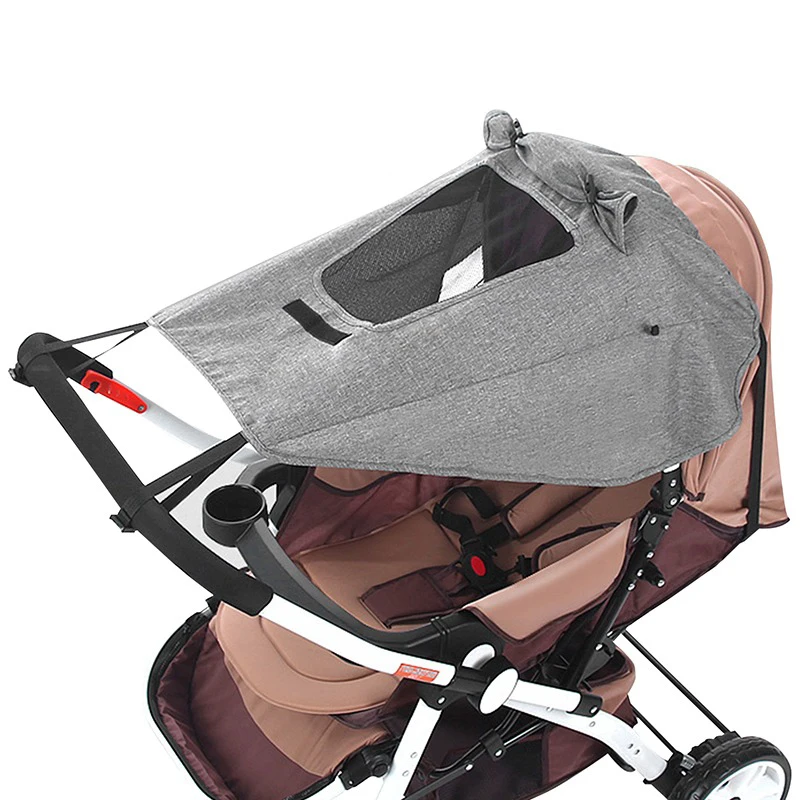
Universal Baby Stroller Accessories Sun Shade UV Protection Sunshade Carria…
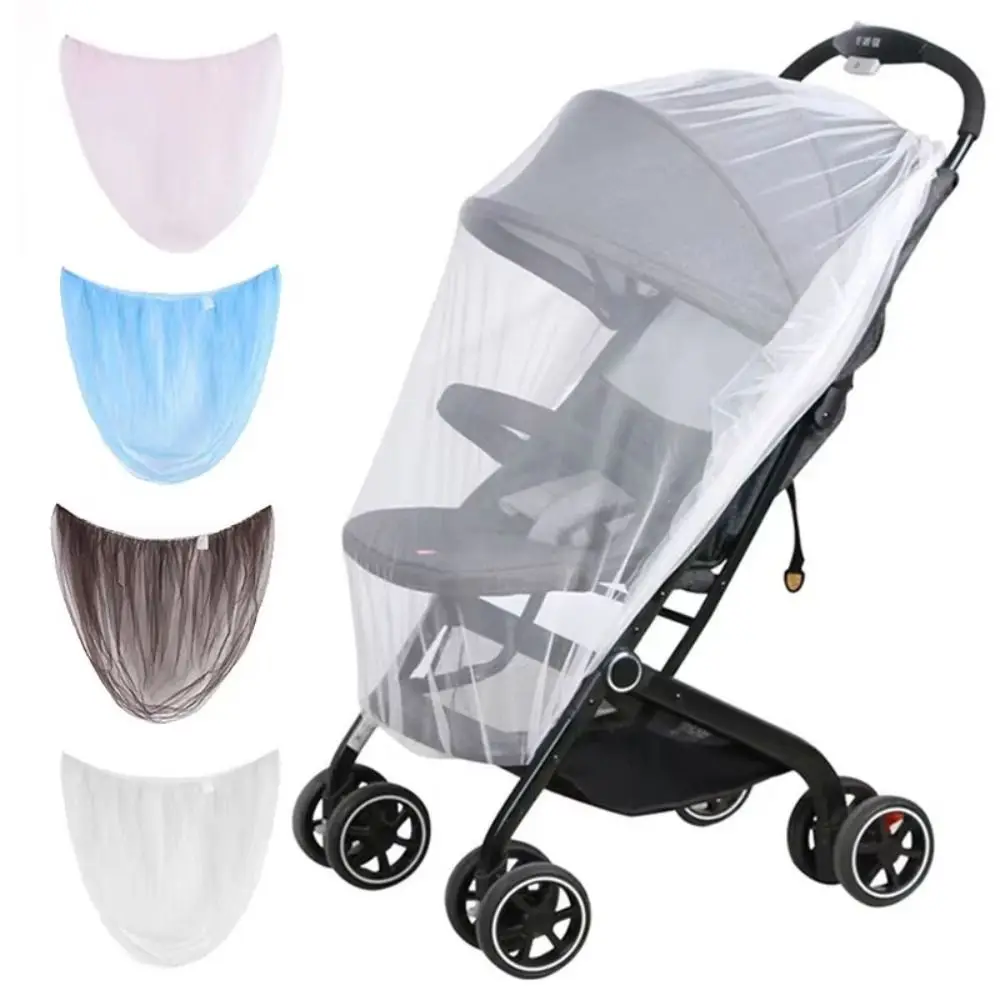
Fully Covered Baby Stroller Mosquito Net Mosquitoproof Dustproof Baby Cradl…
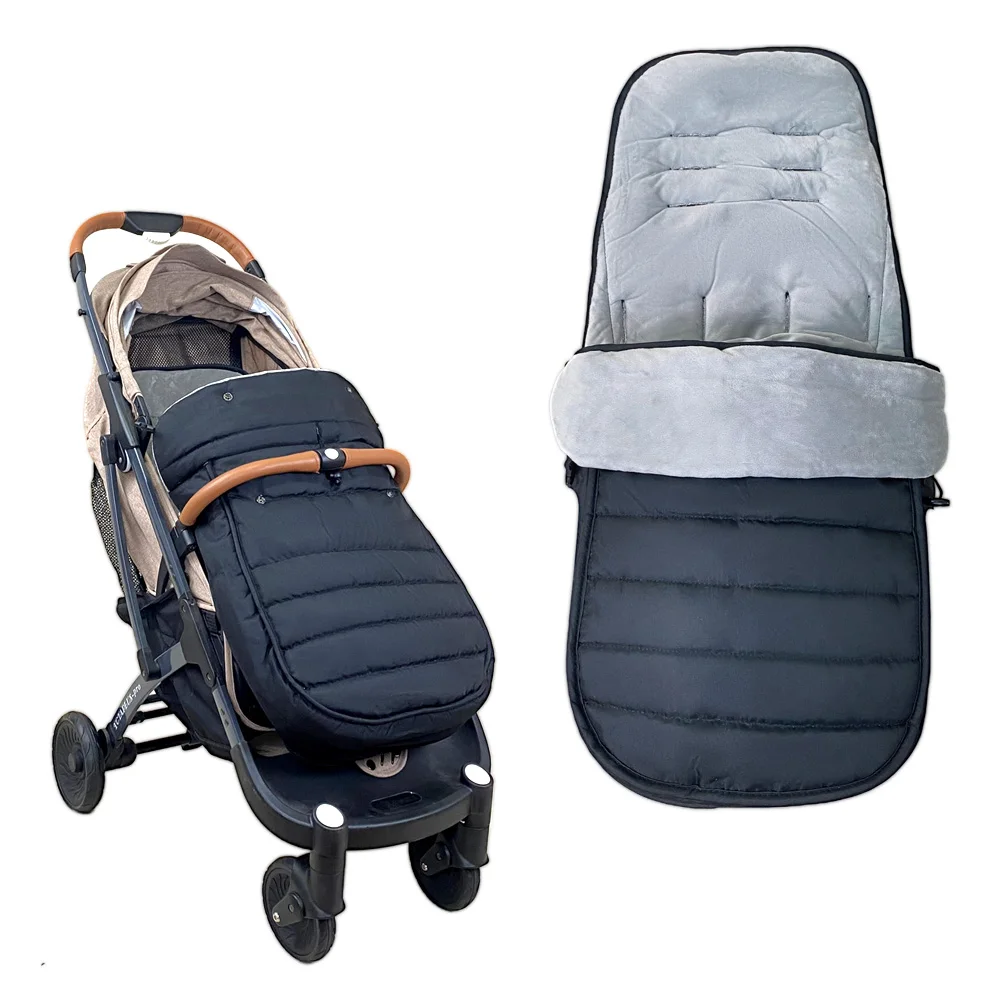
Universal 6-36M Winter Baby Stroller Footmuff Warm Sleep Sack Snowproof Win…
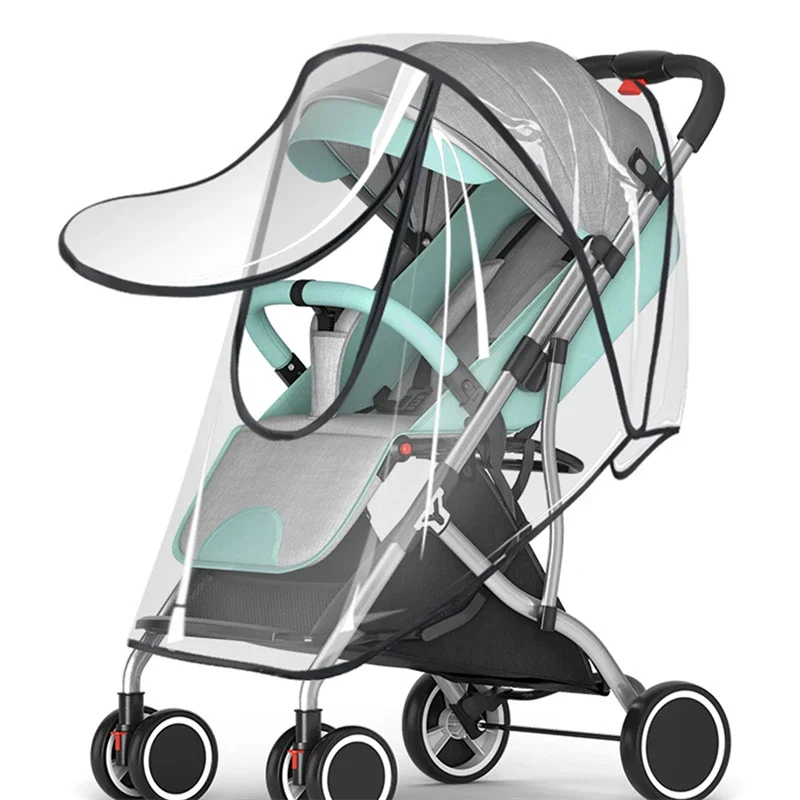
New Universal Stroller Rain Cover Baby Car Weather Wind Sun Shield Transpar…
Affiliate links — we may earn a commission at no extra cost to you. Learn more.
Frequently asked questions
Do I need a jogging stroller if I don’t run?
Probably not — jogging strollers are great for running or rough terrain, but their larger frame and fixed front wheel (on some models) can make them less convenient for everyday tight turns, like in stores.
Is a travel system worth it for a newborn?
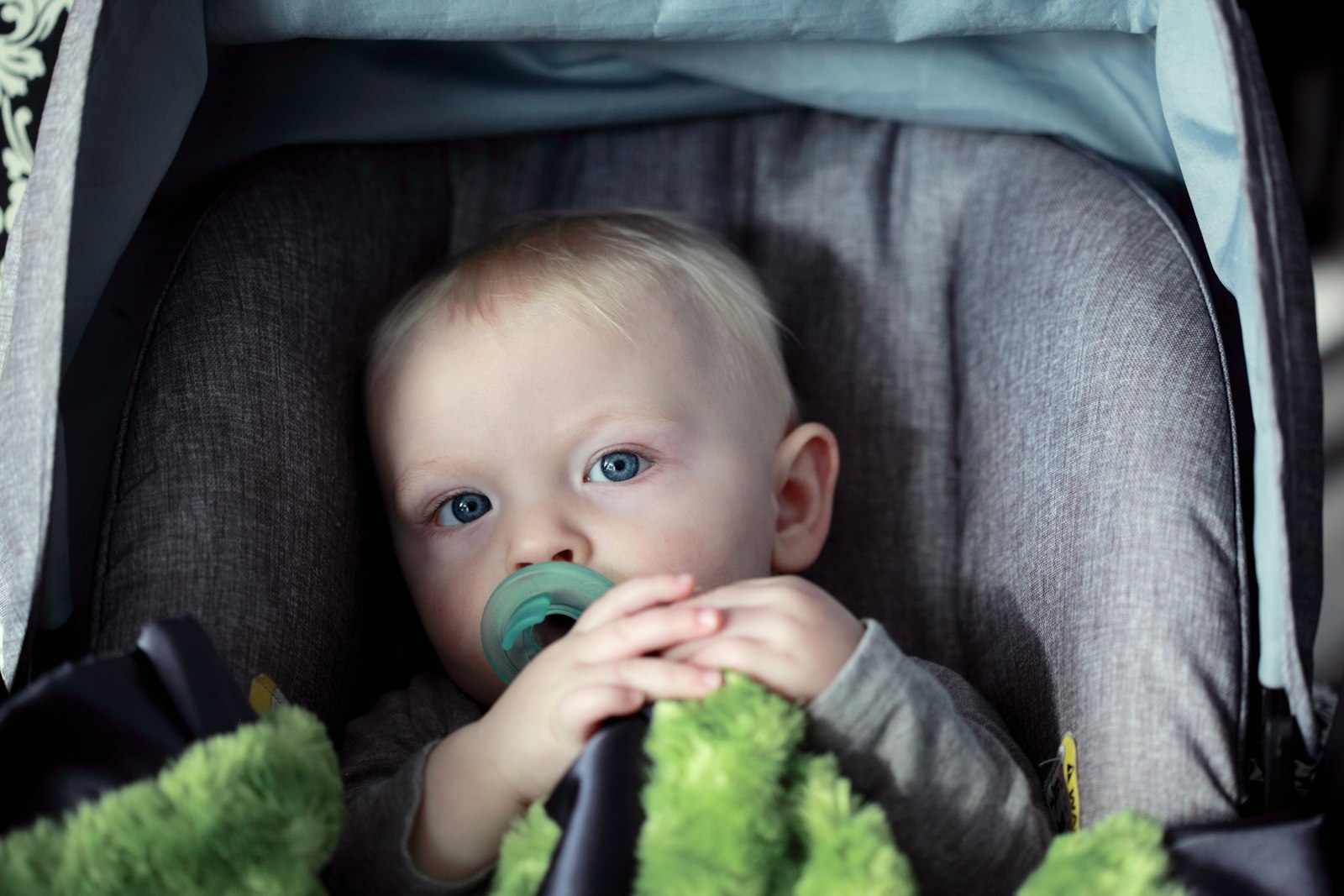
Many families find it convenient, since it lets you move a sleeping baby from car to stroller without waking them, using the same infant car seat that clicks into both. It’s not required, though — a stroller with a full recline can also work for young infants.
How many strollers does a family actually need?
Many families settle on two: a full-size stroller for everyday use and a lightweight one for travel or errands. Starting with just one, based on your most common use case, is a reasonable way to begin.
Are AliExpress strollers safe to buy?
Treat a marketplace stroller like any other consumer good, not like a car seat — check the listing’s real rating and order volume (which is exactly what we verified for the pick above), read the size and weight limits carefully, and confirm return policies before buying, since fit and fold mechanisms are hard to judge from photos alone.
How do I know if a used stroller has been recalled?
Search the specific brand and model name in the Consumer Product Safety Commission's recall database, or check the manufacturer's own recall page directly. If you can't confirm the model's recall status, it's worth reaching out to the manufacturer with the model number before regular use.
What's the difference between ASTM certification and JPMA certification?
ASTM F833 is the actual safety standard strollers must meet in the US. JPMA certification means an independent lab has verified a specific product against that standard, functioning as an added layer of third-party confirmation on top of the manufacturer's own compliance claim.