Photo: Unsplash
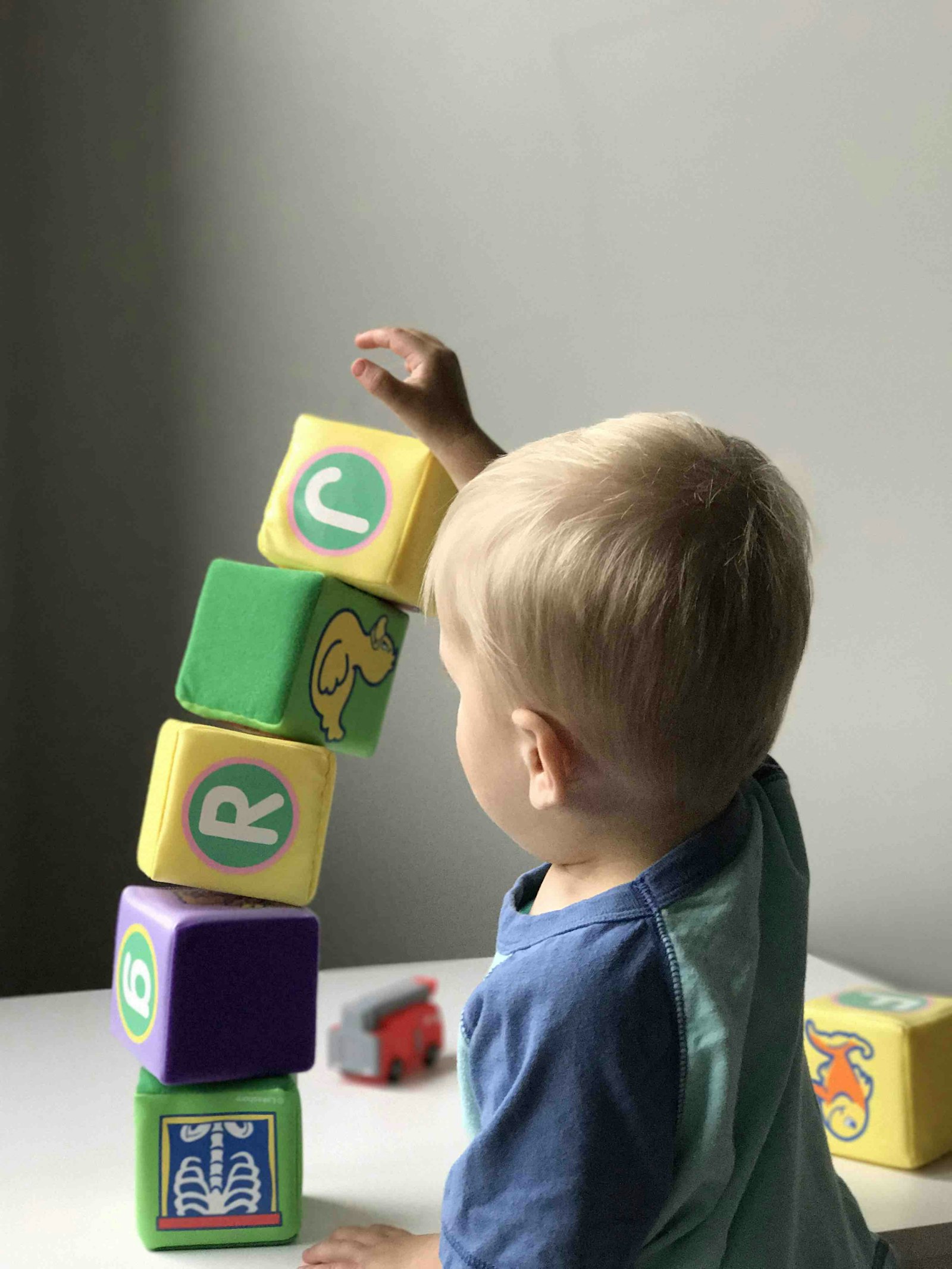
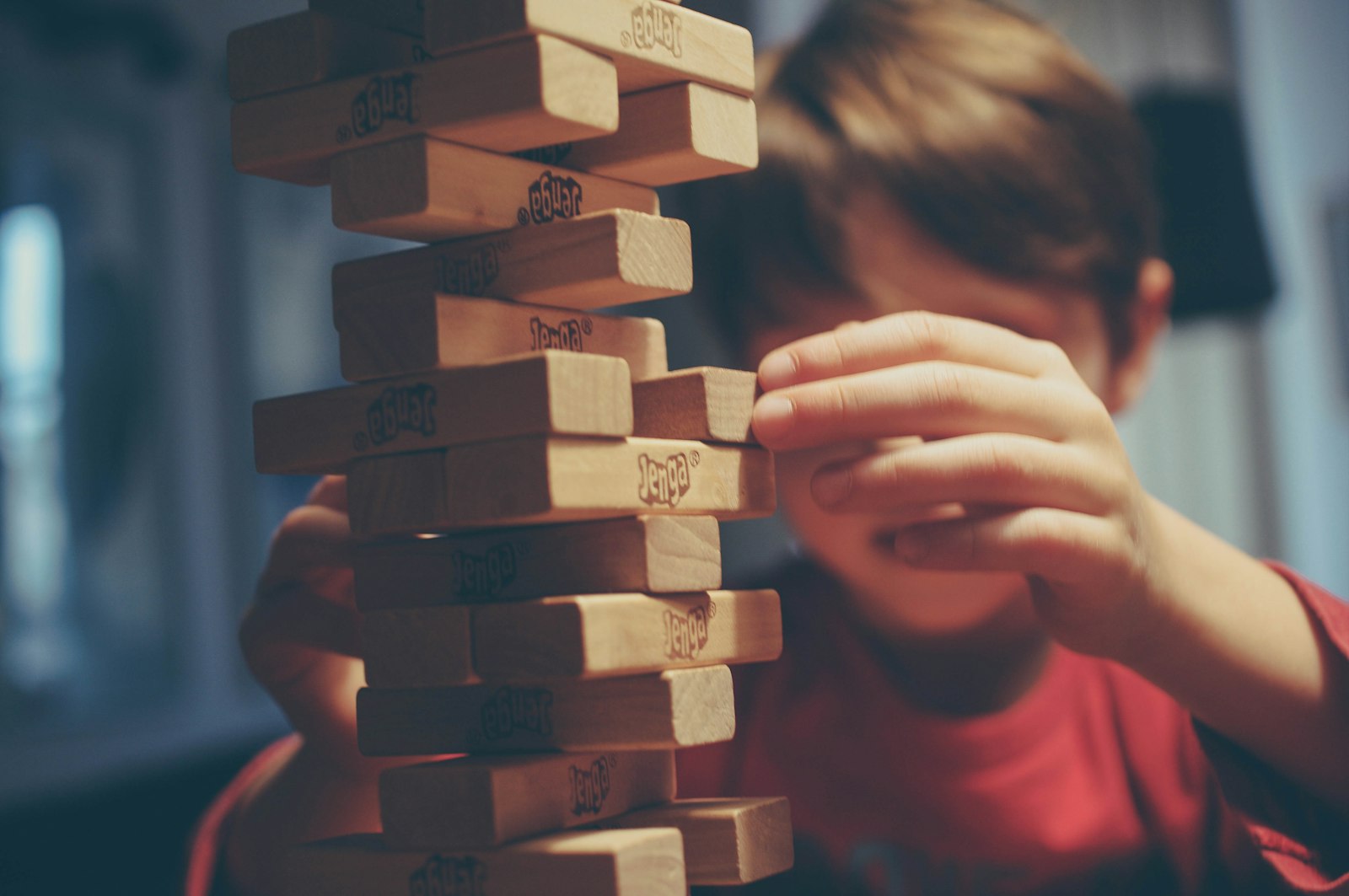
The preschool years are when play starts to look less like exploring objects and more like actual thinking out loud. A three- or four-year-old building a tower isn't just stacking blocks anymore — they're testing a hypothesis about balance, narrating a story about who lives in the tower, and negotiating with a sibling about whose turn it is next. This is also the age where children start naming and processing their own feelings, which is why toys that touch on emotional literacy tend to earn their keep alongside the classic building and puzzle toys.
Preschoolers also have longer attention spans than toddlers, but they're not infinite — most 3- to 5-year-olds can sustain focused, self-directed play for 15 to 30 minutes on a toy that genuinely interests them, which is long enough for toys with more steps and more pieces to actually pay off.
There's also a wide developmental range hiding inside this two-year window. A three-year-old and a nearly-five-year-old can look worlds apart in vocabulary, patience, and fine motor control, even though both fall under the same "3–5" label most toy packaging uses. Treat the age range on a box as a rough starting point, and let your own child's current interests and frustration tolerance guide the final decision more than the printed number does.
Ages 3–4: bigger builds and real pretend scenarios
Fine motor control is now good enough for smaller building pieces, and pretend play often mimics real-world roles — doctor, chef, store clerk — in detail.
- Building block sets with interlocking or magnetic pieces, ideally 40+ pieces so a build actually takes a few minutes and produces something recognizable.
- Role-play kits — doctor kits, kitchen sets, tool sets — with enough accessories to support a multi-step scenario, not just one prop.
- Jigsaw puzzles in the 24- to 48-piece range for most 3-year-olds, moving toward 60+ pieces by closer to 4.
Ages 4–5: emotional literacy, rules, and early strategy
By four, many children can follow simple game rules and are starting to understand that other people have different feelings and perspectives than their own — a skill developmental psychologists call theory of mind.
- Emotion-matching or "feelings" games that use faces, cards, or figures to name feelings like frustrated, proud, or worried — genuinely useful for a child starting to navigate friendships and disappointment.
- Simple cooperative or turn-based games with clear, short rules, which build patience and the idea of taking turns.
- Open-ended construction toys that scale in complexity, so the same toy stays interesting from age 3 through kindergarten instead of being outgrown in months.
Open-ended toys vs. single-purpose toys at preschool age
Preschoolers are old enough to genuinely direct a play scenario, which is exactly why open-ended toys — plain blocks, a basket of fabric and props, a set of small figures without a fixed storyline — tend to outperform toys that do one specific thing when a button is pressed. A single-purpose toy is often exciting for the first few uses and then gets set aside once its one trick has been discovered, while a set of blocks or a box of dress-up props can be a spaceship one day and a restaurant the next. That said, single-purpose toys aren't a mistake at this age — a puzzle is meant to be solved, and that's fine — the key is having a mix rather than a shelf of only one type.
Why toy rotation works especially well with preschoolers
Preschoolers are old enough to remember a toy that's been put away and get genuinely excited when it reappears, which makes rotation more effective at this age than at almost any other. Keeping a smaller, curated set of toys accessible — swapping in different building sets, puzzles, and role-play kits every couple of weeks — tends to produce longer, more focused play sessions than a room where every toy is out and nothing stands out as special. It also gives you a natural way to match toys to current interests; if your child is deep into a dinosaur phase, rotating dinosaur-themed puzzles and figures to the front for a few weeks can extend how much value you get from toys you already own.
Choosing toys that support emotional development
Preschool is when children start actively working out how to handle frustration, disappointment, and sharing, and toys can either support or complicate that work. Cooperative games — ones where players work toward a shared goal instead of competing to win — are a gentler way to introduce turn-taking and rule-following before adding the extra challenge of graceful losing. Feelings-focused toys (emotion cards, story-based games about a character's mood) give preschoolers vocabulary for feelings they're already having but may not yet have words for, which tends to reduce meltdown-as-only-communication-tool over time.
Safety standards worth checking
Toys sold for this age range in the US fall under federal small-parts rules enforced by the Consumer Product Safety Commission (CPSC), and many also carry an ASTM F963 mark covering structural safety, sharp edges, and chemical limits in materials. These marks matter more than usual at this stage, since preschool toys often include smaller building pieces, tiny role-play accessories, and magnetic parts that carry real risks, especially high-powered magnets, which can cause serious internal injury if multiple pieces are swallowed. If there's a younger sibling or frequent younger visitors in the house, treat the age grading on a preschooler's toy as a household-wide rule, not just a guideline for the older child.
Common mistakes with preschool toys
- Buying complexity ahead of interest. A 200-piece building set doesn't automatically hold more value than a 60-piece one if a child isn't yet motivated to sit with it that long.
- Assuming a toy is safe for a mixed-age household just because the older child is past the choking-risk stage. Small pieces from a preschooler's toy set are still a real hazard for a toddler sibling.
- Overcorrecting "screen time guilt" by over-scheduling structured toy-based activities. Preschoolers still need unstructured, boredom-adjacent time to direct their own play, not a toy-based lesson plan for every hour.
- Discarding a toy after a single uninterested reaction. Many preschool toys, especially ones with rules or multiple steps, take a couple of exposures before a child fully understands how to enjoy them.
- Ignoring wear on role-play props and costume pieces, which get pulled and dragged more than most toy categories and can develop sharp edges or exposed fasteners over time.
Balancing toys with screen time at this age
Preschoolers are old enough for some screen use to be genuinely engaging and even educational, but hands-on toy play still does more for the skills this age group is actively building: negotiation, fine motor control, and sustained attention on a self-chosen goal. Guidance from groups like the American Academy of Pediatrics generally supports limited, intentional screen use for preschoolers alongside plenty of active and imaginative play, rather than treating screens as a default filler activity. If a preschooler seems to reach for a screen the moment they're bored, it's often worth having a small set of easily accessible open-ended toys within reach as the more convenient option, rather than relying on willpower alone to redirect them.
Budget vs. splurge for 3- to 5-year-olds
Most preschool toys — blocks, puzzles, simple games — hold up fine at a range of price points, since play value comes largely from how open-ended the toy is rather than build quality. Where spending a bit more genuinely pays off is on toys used constantly and roughly, like a well-made building set with pieces that snap together securely (frustration with pieces that won't hold is a fast way to end a play session early) and role-play kits with sturdier fasteners and stitching, since costume and prop pieces get pulled, worn, and dragged around far more than most other toy categories. A cheap board game with flimsy pieces that get lost within a week is a worse deal in the long run than a slightly pricier one that survives regular play, so it's worth reading a few reviews specifically about durability before buying anything with small, easily separated components.
Our picks
Each of these was verified against real AliExpress order and rating data — not chosen from the top of a search results page — so every pick genuinely has a 98%+ rating from a meaningful number of real buyers.
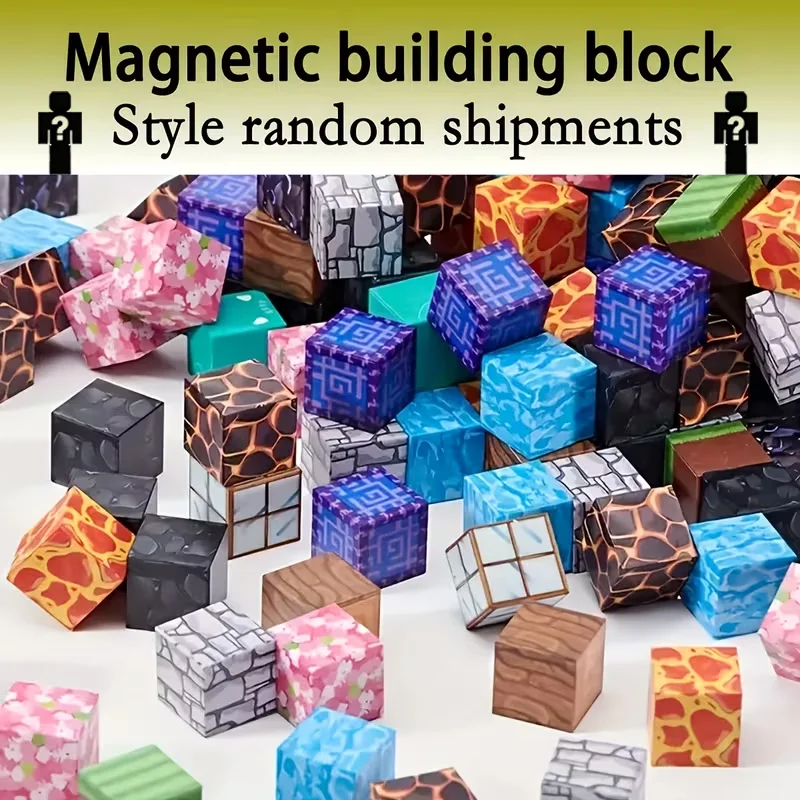
Magnetic Building Block Toy Mine World Stacking Bricks Creative Cube Model …
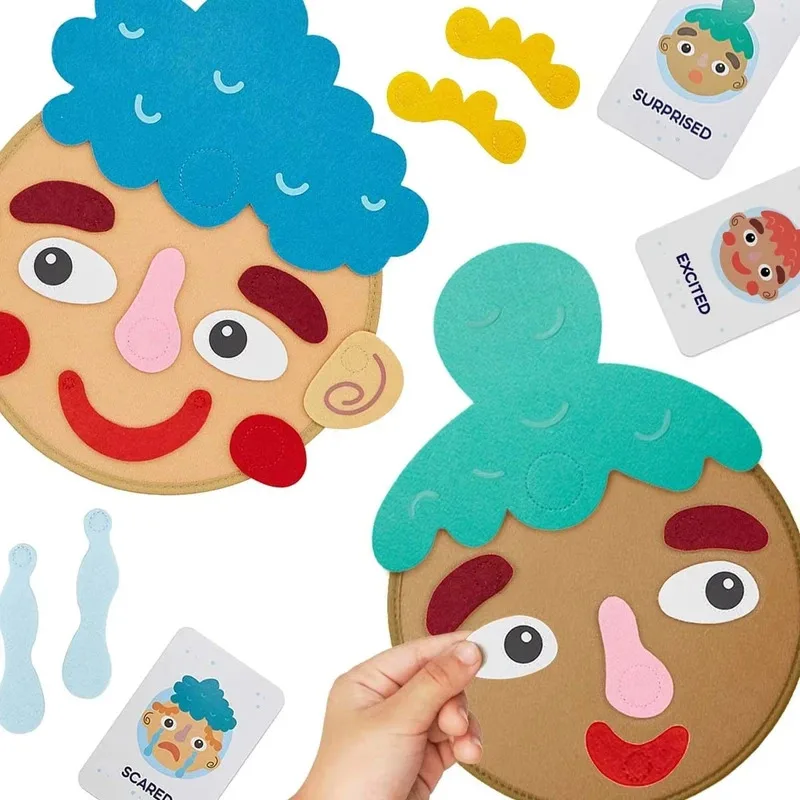
Kids Montessori Facial Expression Game Emotional Change Toys With 9pcs Card…
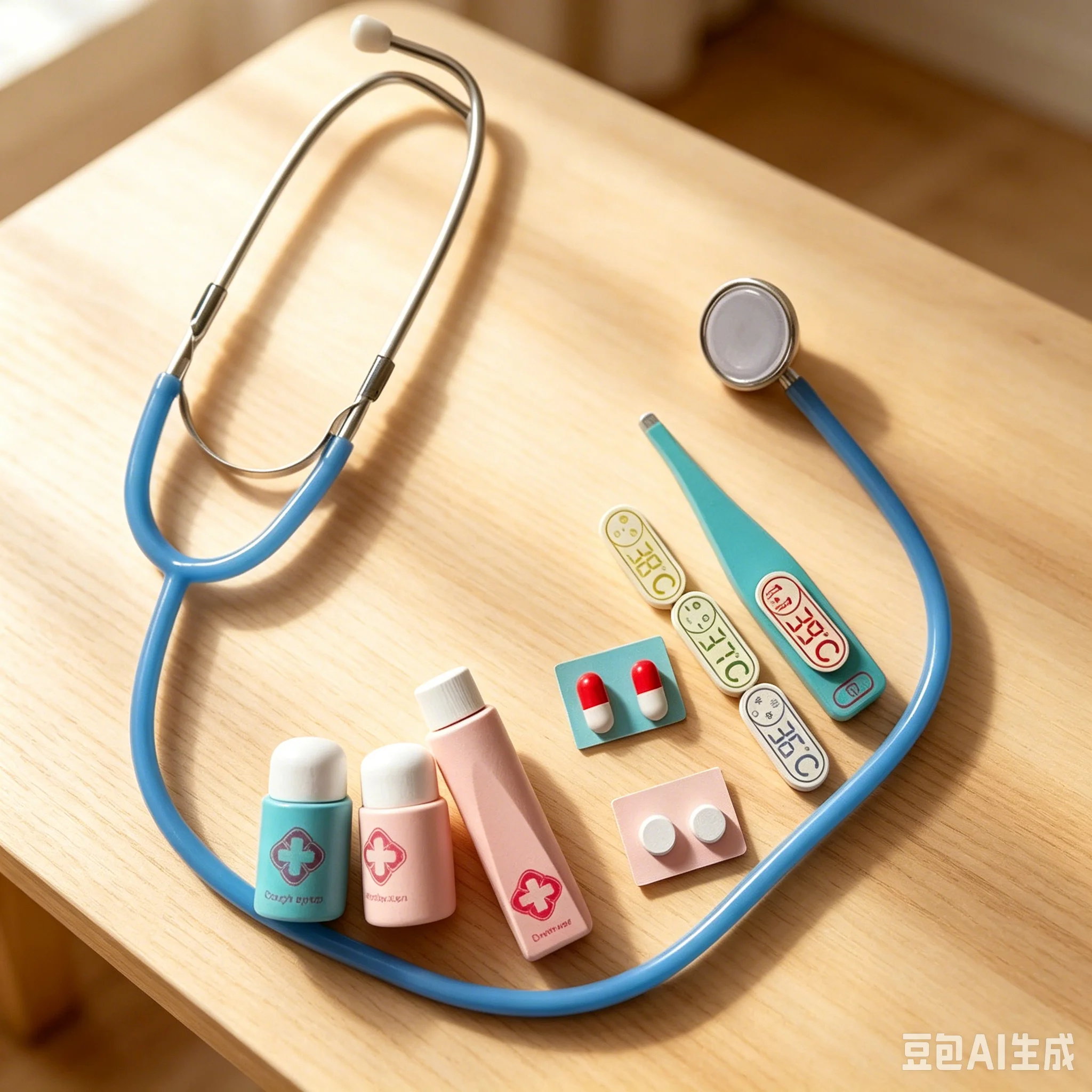
Children's Wooden Doctor Toy Set Pretend Play Medical Kit Simulation Nurse …

3D Wooden Pattern Animal Jigsaw Puzzle Colorful Tangram Toy Kids Montessori…
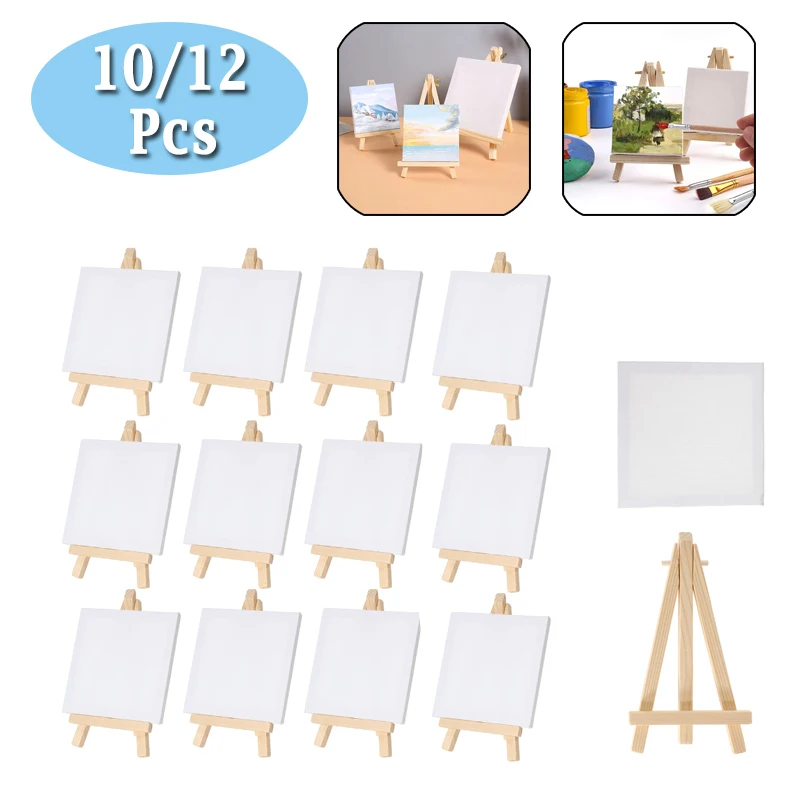
10/12pcs Mini Canvas and Easel Set, Small Art Easel Stand with Canvas Kids …
Affiliate links — we may earn a commission at no extra cost to you. Learn more.
Safety notes specific to this stage
- Smaller building pieces (magnetic tiles, small bricks) are a step up in choking risk versus toddler-sized blocks — check the manufacturer's age grading, especially if there's a younger sibling in the house.
- Role-play medical kits sometimes include small plastic "pills" or tiny accessories; look for sets designed without loose small parts if a younger child is around.
- Puzzles with 40+ pieces mean more opportunity for a piece to go missing or get swallowed by a pet — a dedicated storage bag or box helps more than it seems like it would.
Full details in our toy safety checklist. Checking a specific product against the CPSC's recall database before a bigger purchase, like a role-play kitchen set or a large building system, is a quick habit worth building, since recalls for issues like detached small parts or unsafe coatings can surface well after a toy first hits shelves.
Frequently asked questions
What age is a 100-piece puzzle appropriate for?
Most children can handle 60- to 100-piece puzzles somewhere between age 4 and 5, though it varies a lot by individual interest and fine motor development. If a puzzle is causing frustration rather than focus, stepping back down in piece count is usually more productive than pushing through.
Are "emotion" or feelings games actually useful, or just a marketing angle?
For most preschoolers they’re genuinely useful. Age 4 to 5 is a real developmental window for naming emotions and understanding that other people feel differently than they do, and games that make this explicit and low-stakes tend to help far more than a purely abstract conversation about feelings.
My 4-year-old still prefers toddler toys — should I be concerned?
No. Developmental pace varies significantly at this age, and returning to a familiar toy is often a comfort behavior, not a regression. Keep offering age-appropriate options without removing the familiar ones, and the transition usually happens on its own timeline.
Are magnetic building tiles safe for preschoolers?
Magnetic tiles designed and rated for this age generally use magnets too large and low-powered to be swallowed easily, unlike small high-powered magnet sets meant for older children or adults. Still, check the manufacturer's age grading carefully and keep any smaller magnetic accessories away from younger siblings.
How much screen time is appropriate alongside toy play at this age?
There's no single universal number, but mainstream pediatric guidance generally favors limited, intentional screen use for preschoolers, balanced with plenty of active and imaginative play. If screens are becoming the default choice over toys, having a few engaging open-ended toys easily accessible tends to help more than restricting screens alone.