Photo: Unsplash
Somewhere around age eight, "toys" start turning into "hobbies." Instead of a single object that gets played with for a few weeks, tweens often gravitate toward a category they can go deeper into — a strategy game they get genuinely good at, a remote-control vehicle they learn to maintain and upgrade, a craft skill they practice and improve. The toys that hold up best at this age are usually the ones with real room to get better at, not just play with.
This is also the age where independence really starts to matter in how a toy is used. An 8- to 12-year-old generally wants to figure things out with minimal adult involvement, follow their own interests rather than a parent's suggestion, and — increasingly — use a toy or hobby as a way to connect with friends who share the same interest.
Ages 8–10: STEM kits and skill-building hobbies
Reading comprehension and patience for multi-step instructions are usually solid by now, which opens the door to kits that require real assembly and understanding, not just snapping pieces together.
- STEM and remote-control kits that involve genuine assembly — a plane, a robot, a circuit — rather than an already-built toy.
- Craft kits with a real, learnable skill behind them (sewing, embroidery, model-building), since mastery over a few sessions is far more engaging than a one-off craft project.
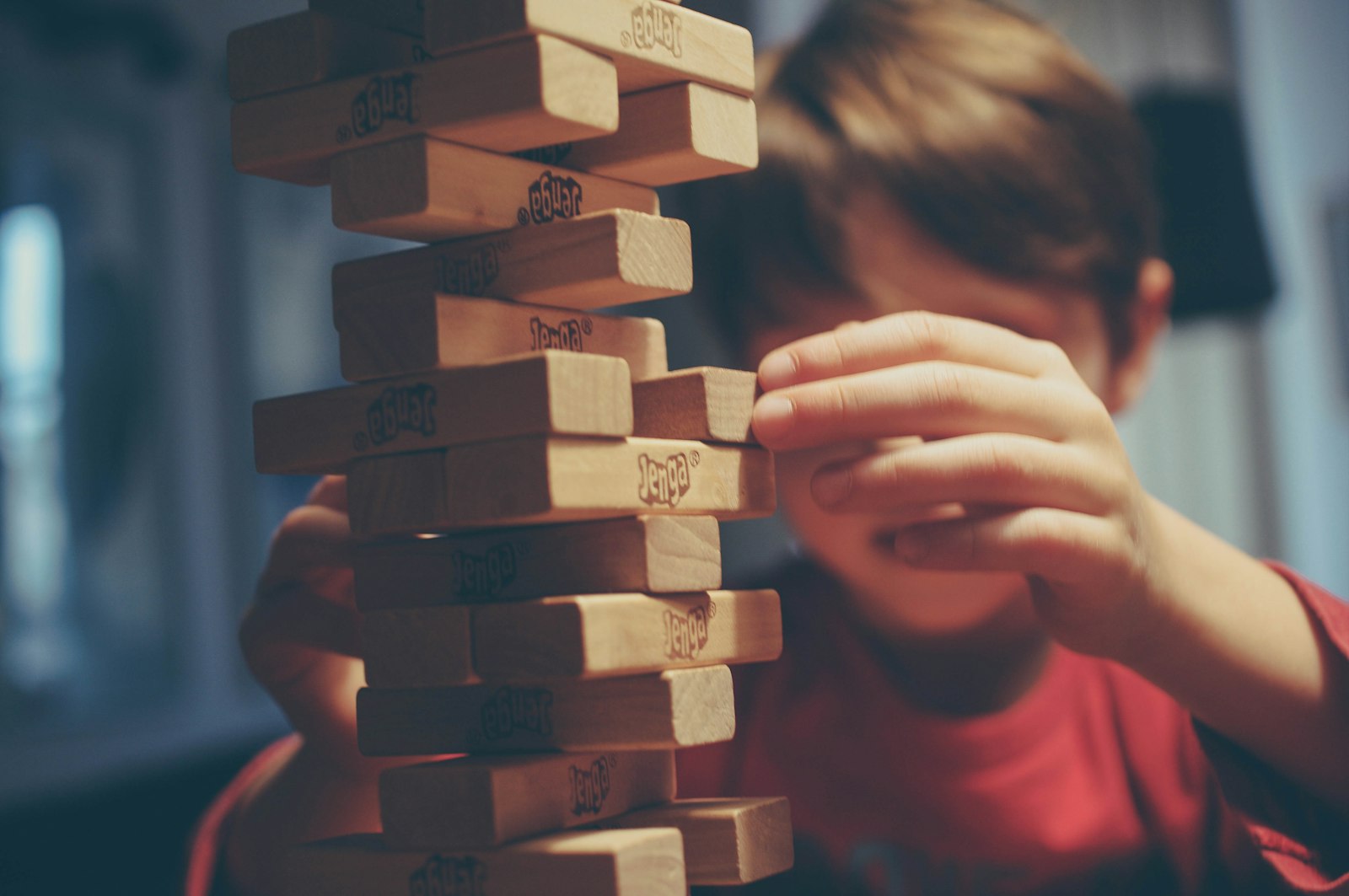
- Strategy board games with genuine depth — games that take 20 minutes or more and reward planning ahead, not just luck.
Ages 10–12: independence, precision, and social hobbies
Fine motor control and sustained attention are now close to adult levels for many tweens, and hobbies increasingly become social — something to do or compare notes on with friends.
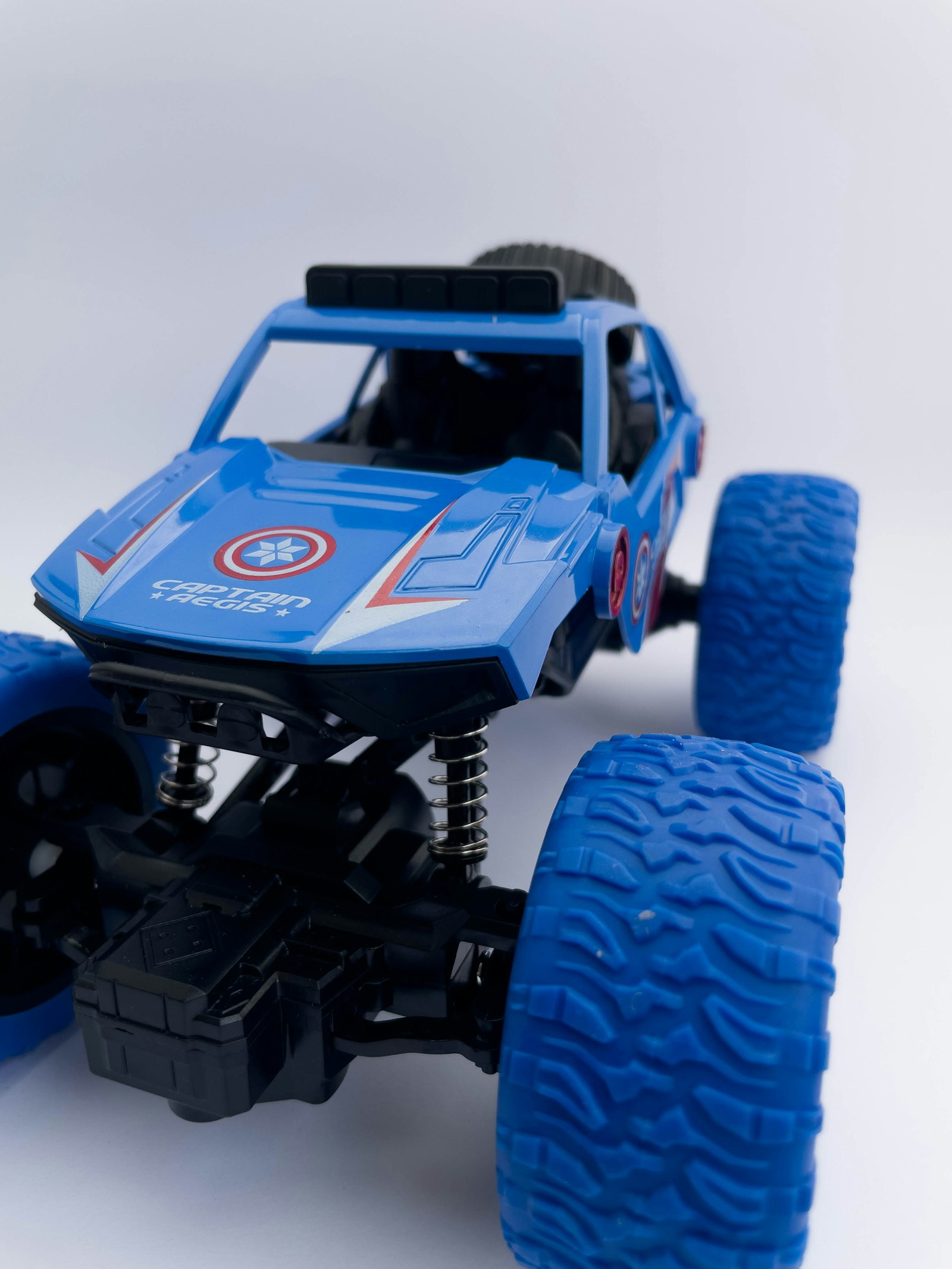
- Remote-control cars with room to learn actual driving skill (drifting, off-road handling), which tend to hold interest far longer than a toy with a single mode of play.
- More advanced strategy games, including ones that support more than two players, since group play with friends becomes a bigger draw than solo play at this age.
- Skill-based craft projects that produce something the tween is proud to show off or use, which matters more for motivation at this age than at any younger stage.
Why mastery matters more than novelty at this age
Younger kids often move on from a toy once the initial novelty wears off, but 8- to 12-year-olds are cognitively ready for a different kind of engagement: getting genuinely better at something over time. A remote-control car that a tween can only drive one way loses interest fast; one with enough range of control to actually improve at (tighter turns, faster starts, learning to read the terrain) can hold attention for months because the goalposts keep moving. When evaluating a potential gift or purchase at this age, it's worth asking not just "will they like this" but "is there room to get better at this," since the second question predicts long-term engagement far more reliably.
Balancing solo hobbies with social ones
Tweens are transitioning from play that's mostly self-directed to play that increasingly happens in a social context — trading strategy tips, comparing builds, playing multiplayer games with friends after school. A toy that's purely solo isn't a bad choice, but it's worth having at least one item in the mix that naturally supports playing with others, whether that's a board game built for more than two players or a hobby, like RC racing, that's easy for a friend to join in on with their own equipment. Kids this age often self-select toward whatever their friend group is into, so it's reasonable to ask about that before assuming a solo-only purchase will get regular use.
Screen-adjacent hobbies as a bridge, not a replacement
Many STEM kits, coding robots, and app-connected building sets sit in a gray area between "toy" and "screen time," since they require a tablet or phone to program or control. These can be genuinely valuable — they teach real technical skills and often hold attention longer than passive screen use — but it's worth being clear-eyed that the screen involvement counts toward however you're tracking daily screen time, not separate from it. A hands-on hobby with an occasional screen component (checking build instructions, watching a tutorial) is a different category from one that's screen-dependent for the entire play session.
Budget vs. splurge at this stage
This is an age where spending more can genuinely buy more play value, unlike toddler toys where price rarely matters much. A budget remote-control car will drive in a straight line and turn; a mid-range one has better battery life, a sturdier chassis that survives real crashes, and often a faster charge time — all things that matter to a kid using it regularly rather than occasionally. For STEM and craft kits, it's often worth paying a bit more for a brand with a track record of clear instructions and replacement-part availability, since a half-finished kit with a missing piece and no way to reorder it is a fast way to kill enthusiasm for the whole hobby.
Buying criteria: what actually matters at checkout
At this age, checking the box for an age grading is still useful, but it matters less than it did for younger children, since most products are already past the small-parts choking range. What matters more is checking real specifications: for remote-control vehicles, battery type and charge time (LiPo batteries charge faster but need a proper charger and should never be left charging unattended); for craft kits, whether replacement parts or refill materials are available if something runs out mid-project; for STEM and coding kits, whether the required app is still actively supported, since some kits become unusable within a year or two if the companion app is discontinued.
Batteries deserve a specific check even at this age. Button-cell batteries in small electronic components remain a genuine swallowing hazard if a younger sibling, cousin, or visiting friend gets hold of a loose one, so compartments should still be screw-secured rather than snap-open. For anything with a rechargeable lithium battery, look for a listed safety certification and avoid off-brand replacement batteries, since poorly made lithium cells are a documented fire risk when damaged or overcharged.
For sewing, woodworking, or model-building kits that include real tools, check what's actually included: a dull practice needle is very different from a sharp sewing needle, and a craft knife included in a kit warrants a supervised first session regardless of what the box says about age suitability. It's also worth checking whether a kit includes eye protection when it involves cutting, drilling, or anything that produces flying debris, since this detail is easy to overlook on a busy product listing and easy to forget once the first project is underway.
Common mistakes parents make at this stage
A frequent mistake is buying the most advanced version of a hobby kit right away, assuming a capable 10- or 11-year-old will want the extra complexity. In practice, starting with a mid-complexity kit and letting a tween ask for the advanced version once they've mastered the basics tends to build more lasting confidence and interest than starting at the top and risking early frustration.
Another common mistake is treating a hobby purchase as a one-time transaction rather than an ongoing one. RC vehicles need replacement tires and batteries; craft kits run out of thread, beads, or specific materials; strategy games sometimes need expansion packs to stay interesting past the first dozen plays. Budgeting for these follow-up costs, or at least mentioning them before the initial purchase, avoids the letdown of a hobby stalling out for a five-dollar part that's hard to find later.
A third mistake is assuming a tween wants to do a hobby exactly the way it's marketed. Kits with a single "correct" build often get more use when a tween is encouraged to modify, combine, or repurpose pieces rather than follow the instructions to the letter every time. At this age, a sense of ownership over how a hobby is done matters more to sustained interest than at younger ages, where following instructions correctly was often the point.
A real-life scenario: when a hobby stalls out
It's common for a tween to burn through a hobby kit in one enthusiastic weekend and then leave it untouched for months. This usually isn't a sign the interest was fake, it's more often a sign the kit had a defined endpoint (one build, one project) and nothing left to do once that endpoint was reached. The fix is often to add a next step rather than assume the interest is gone: an expansion pack for a strategy game, a slightly more advanced project for a craft skill, a modification project for an RC car that's already been driven every possible way. Reintroducing a "finished" hobby with a new challenge attached often revives interest that looked completely gone.
Our picks
These were verified against real AliExpress order and rating data rather than picked from the top of a search page — each genuinely holds a 98%+ rating from a meaningful number of real orders.
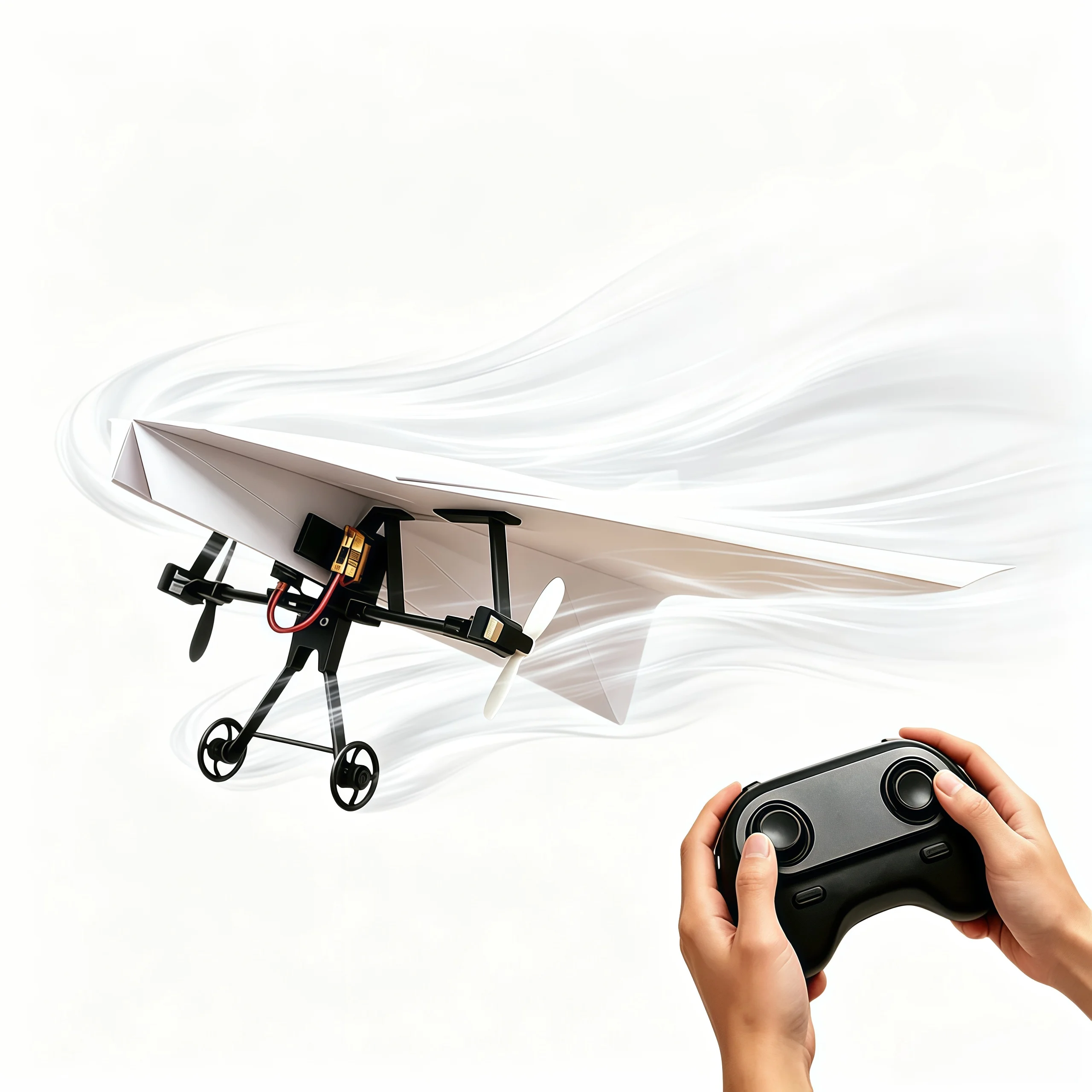
Hotfree RC Paper Airplane Kit, Remote Control Plane with Gyro Stabilizer & …
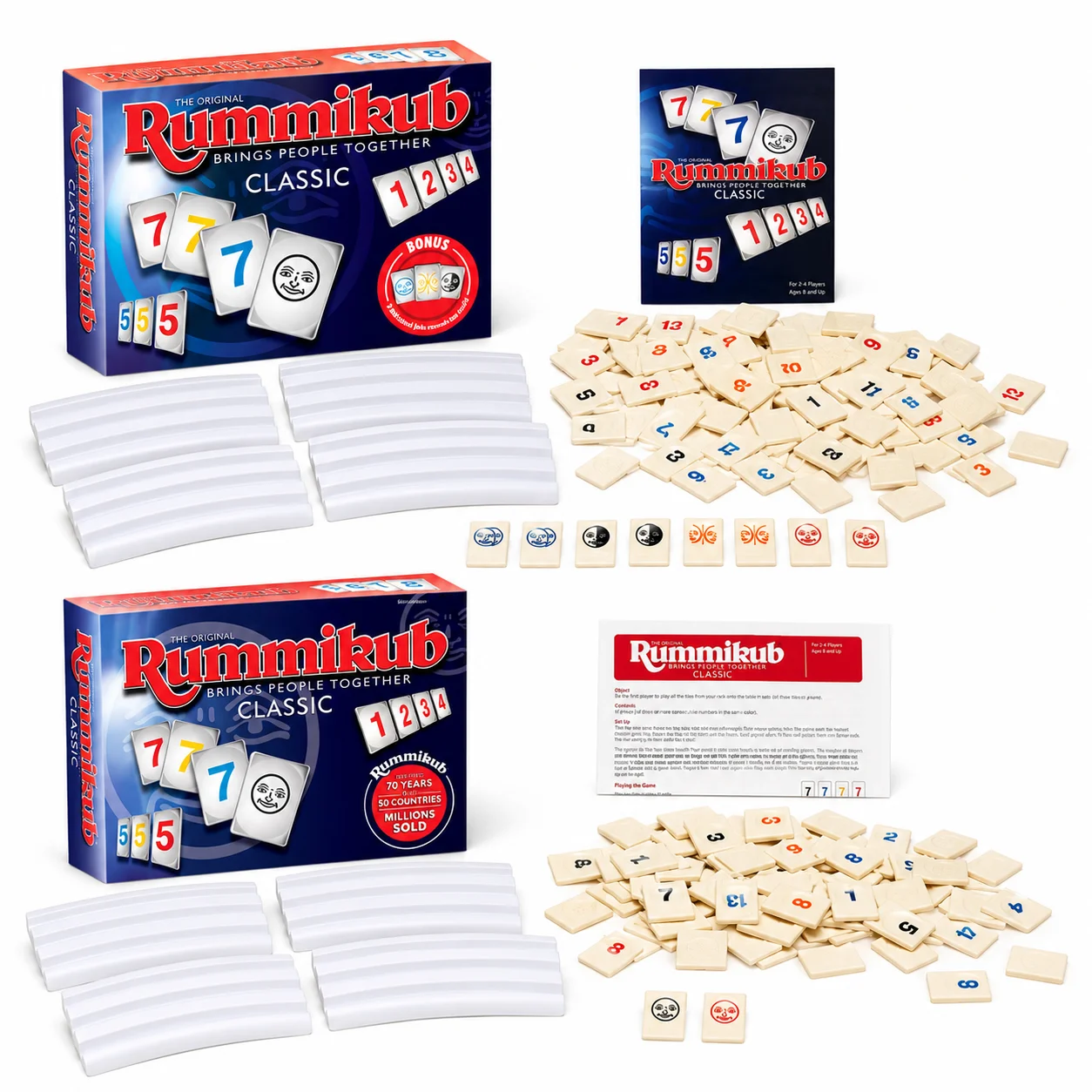
Rummikub Classic Number Tile Strategy Board Game with Racks Family Party Ki…
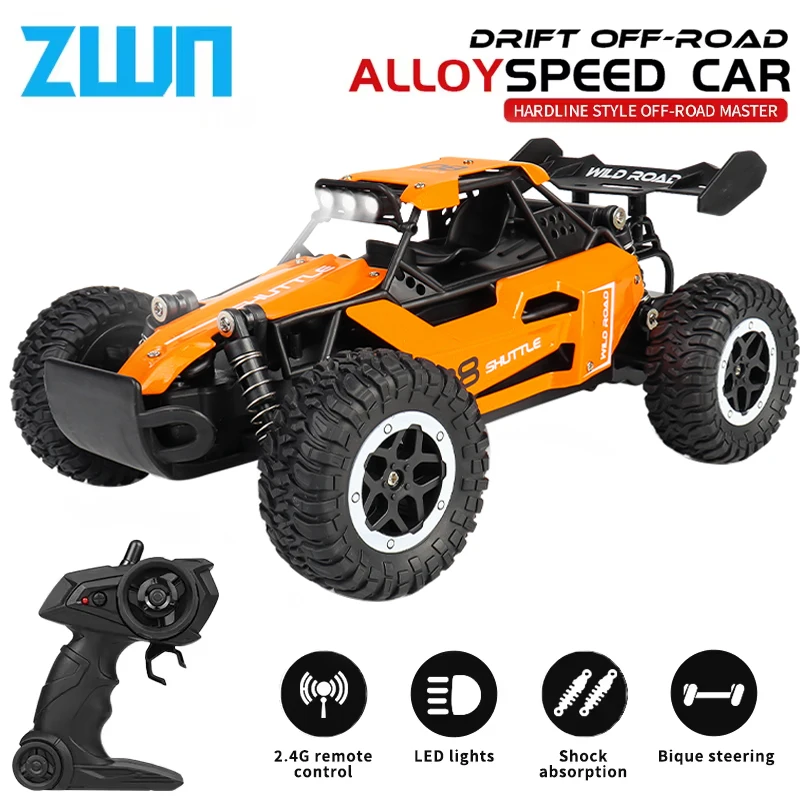
ZWN 1:16/1:20 2.4G Model RC Car With LED Light 2WD Off-road Remote Control …
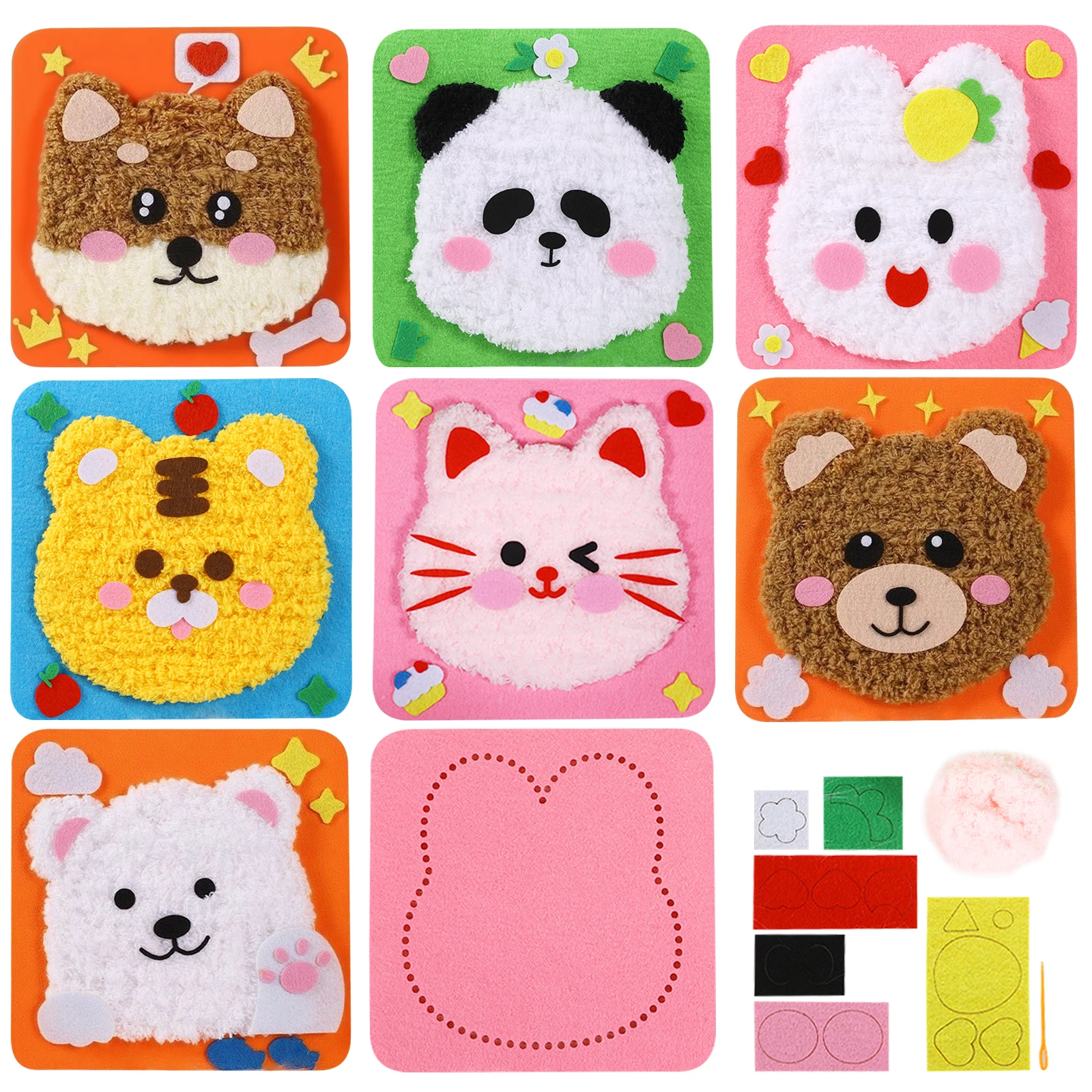
First Sewing Kit for Beginner Kids Arts Crafts DIY Embroidery Projects Anim…

Rc Helicopter With Remote Control Extra Durable Big Plane Toy For Kids Dron…
Affiliate links — we may earn a commission at no extra cost to you. Learn more.
Safety notes specific to this stage
- Remote-control vehicles should be used away from streets, driveways with traffic, and stairwells — tweens often push speed and distance further than expected once they've built confidence.
- Sewing and craft kits with real needles need a supervised first session even at this age, purely to establish safe handling habits before independent use.
- STEM kits with small electronic components (batteries, LEDs) should be checked for button-cell batteries specifically, which remain a serious swallowing hazard even for households without younger children, if there are visiting cousins or siblings' friends around.
Full details in our toy safety checklist.
Frequently asked questions
Is a remote-control car actually developmentally useful, or just entertainment?
Both, and that’s fine. Beyond entertainment, RC vehicles build fine motor control, an understanding of cause-and-effect at higher speeds, and — for kits that require assembly or maintenance — real mechanical problem-solving.
My 10-year-old wants adult-level hobby kits — is that too advanced?
Not necessarily. Many 10- to 12-year-olds are genuinely ready for hobby-grade kits, provided the first attempt is supervised so expectations and safety habits are set correctly. Start with a mid-complexity kit rather than the most advanced version to build confidence first.
How do I keep a tween interested in a hobby toy long-term?
Interest at this age is often social. Toys and hobbies that can be shared, compared, or played with friends tend to have much longer staying power than the same toy used entirely solo.
What should I check before buying a lithium-battery RC vehicle or kit?
Look for a listed safety certification on the battery, use only the charger and battery type the manufacturer specifies, and never leave a lithium battery charging unattended, since damaged or off-brand cells are a documented fire risk. This matters more here than for most other toy categories.