Photo: Unsplash
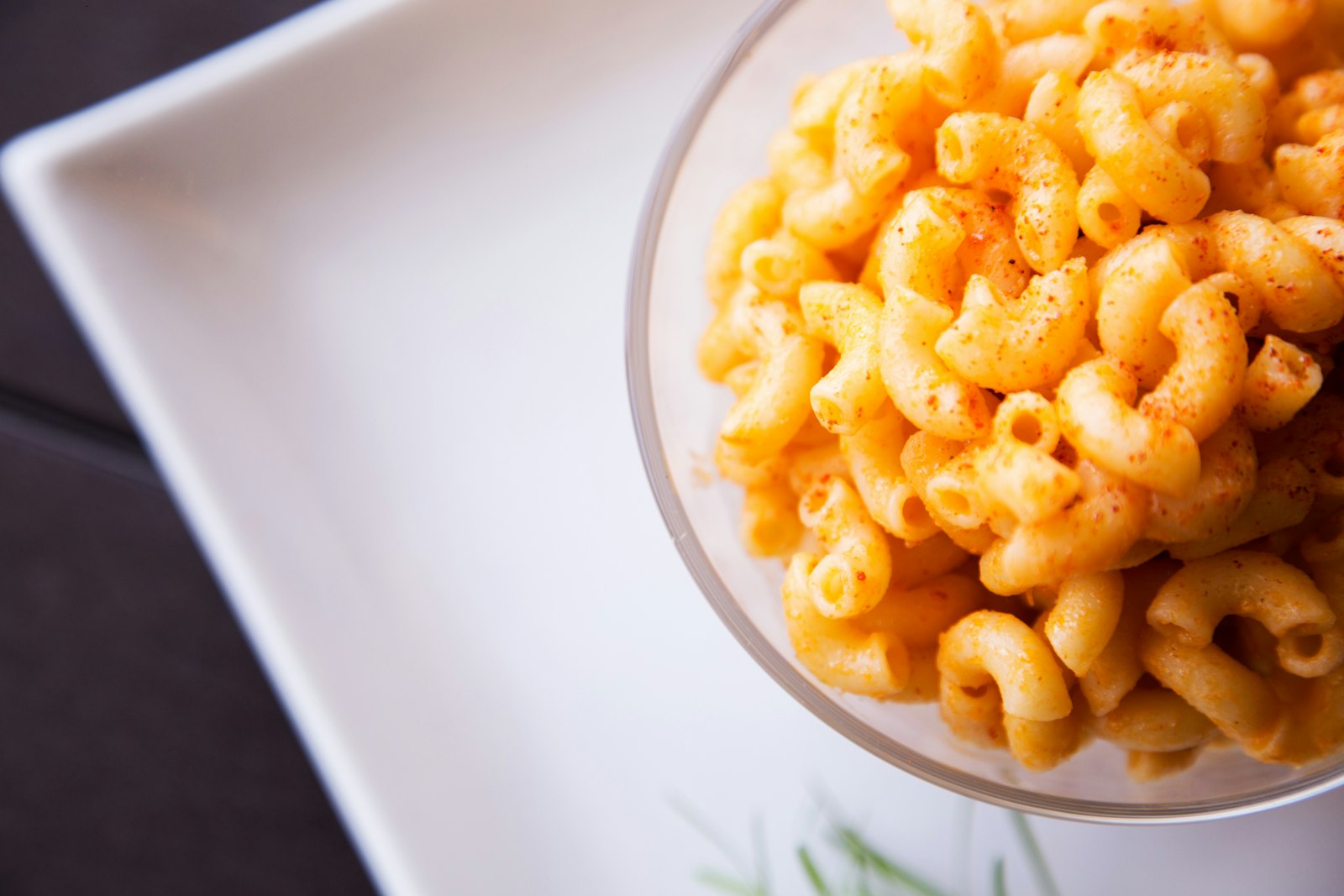
Mac and cheese is one of the most reliable toddler meals around, which makes it a great vehicle for a bit of extra nutrition. Blending steamed carrot and butternut squash into the cheese sauce adds vegetables without changing the color or texture much at all.
Ingredients
- 2 cups elbow macaroni
- 1/2 cup carrot, steamed and chopped
- 1/2 cup butternut squash, steamed and chopped
- 1 cup milk
- 1 1/2 cups shredded cheddar cheese
- 1 tablespoon butter
Instructions
- Cook macaroni according to package instructions; drain and set aside.
- Blend the steamed carrot, butternut squash, and milk until completely smooth.
- In the same pot, melt the butter over low heat, then add the vegetable-milk mixture.
- Stir in the shredded cheese gradually until melted and smooth.
- Fold in the cooked macaroni and stir to coat evenly.
Why carrot and squash work so well here
Both vegetables are naturally orange, so they blend into the cheese sauce without changing its familiar color — a helpful trick if your toddler is wary of visibly "different" food.
Storage
Keeps in the fridge for up to 3 days. Reheat gently with a splash of milk stirred in, since the sauce thickens as it cools.
Cheese options and swaps
Sharp cheddar gives the sauce the most flavor, but a milder mild cheddar or Colby jack works well too if your toddler prefers a gentler taste. A handful of grated parmesan stirred in alongside the cheddar adds a savory depth without making the dish taste noticeably different. If dairy is a concern, a lactose-free cheddar melts almost identically to regular cheese, though most dairy-free "cheese" alternatives don't melt the same way and can leave the sauce grainy — test a small batch first if you're trying one out.
Boosting the nutrition further
Beyond carrot and squash, finely grated zucchini stirred into the sauce near the end of cooking adds moisture and a small nutrition boost without much flavor change, since zucchini is quite mild. A few tablespoons of plain Greek yogurt whisked in after the heat is off adds protein and a slight tang that most kids don't notice under the cheese. If you want to sneak in iron, a spoonful of pureed white beans blended into the vegetable-milk mixture disappears completely into the color and texture.
Making it ahead for busy weeks
This recipe holds up well as a meal-prep staple: cook a double batch, portion it into small containers, and refrigerate for up to 3 days so you have a fast dinner ready to reheat. To reheat, use the microwave in 20-second bursts with a splash of milk stirred in between each, or warm it gently on the stovetop over low heat — high heat tends to make the sauce separate and turn oily. If the sauce looks a little dry after reheating, a small pat of butter stirred in brings back the creaminess.
Doubling and scaling the recipe
This recipe scales up easily for a family meal or a batch for the freezer-friendly components. Doubling the pasta and cheese sauce works cleanly with the same ratios, though it's worth blending the vegetables in two smaller batches rather than one large one if your blender is on the smaller side, since a full blender jar of hot liquid can be harder to puree evenly. If you're cooking for multiple kids with different spice tolerances or texture preferences, portioning the plain sauce before adding any extra mix-ins like paprika or extra vegetables lets you customize a few servings without making a completely separate batch.
Serving suggestions
Rounding out the plate with something fresh helps balance the richness of the cheese sauce — steamed broccoli florets, sliced cucumber, or a few berries on the side work well and give your toddler practice with different textures at the same meal. If your toddler is a slow eater, portioning the mac and cheese into a smaller bowl rather than serving straight from a large pot can make the amount feel less overwhelming and cut down on food that gets cold and unappetizing before it's finished.
Step-by-step with timing
- Steam the vegetables (10 minutes). Cut the carrot and squash into small, even chunks so they steam at the same rate and blend more smoothly.
- Boil the pasta (8 to 10 minutes). Start this at the same time as the steaming so both finish close together; slightly undercook the pasta by a minute since it will sit in the hot sauce briefly before serving.
- Blend the sauce base (2 minutes). A regular blender or an immersion blender both work; blend until there are no visible flecks of vegetable, since any texture change is what tends to give it away to a sharp-eyed toddler.
- Build the sauce (5 minutes). Melt the butter first, then add the blended mixture, then the cheese in small handfuls over low heat, stirring constantly so it melts evenly instead of clumping.
- Combine and serve (2 minutes). Fold in the pasta off the heat so the noodles don't keep cooking and turn mushy.
Common mistakes to avoid
- Cooking the cheese sauce over high heat. Cheese sauces separate and turn grainy or oily when they get too hot too fast; low and slow with constant stirring gives the smoothest result.
- Adding cold cheese all at once. Dumping a full cup of cold shredded cheese into hot liquid can cause it to seize up. Add it gradually in small handfuls, letting each addition melt before the next.
- Overcooking the pasta before combining. Pasta continues to soften once it's mixed with hot sauce, so cooking it fully beforehand often leads to a mushy final texture.
- Skipping the blend step. Chopped (not pureed) vegetables stirred into the sauce are much more likely to be spotted and picked out than ones blended completely smooth.
- Not tasting before serving. A quick taste test lets you check the salt level and confirm the vegetable flavor is fully masked by the cheese before it goes on your toddler's plate.
Nutrition notes
This dish leans on cheese and milk for calcium and protein, and the added carrot and squash contribute beta-carotene along with a small amount of fiber that plain mac and cheese wouldn't otherwise provide. It's a comfort food first, not a complete meal on its own, so pairing it with a protein source like beans, shredded chicken, or a hard-boiled egg on the side, plus a fruit or another vegetable, rounds it out into a more balanced plate. As with any cheese-heavy dish, portion size matters more than any single ingredient; a reasonable toddler portion is usually a half to a full cup, depending on age and appetite.
Allergy and dietary notes
This recipe contains dairy (milk, butter, cheese) and gluten (regular elbow macaroni), so it isn't suitable as written for a toddler with a diagnosed dairy or gluten allergy. A gluten-free elbow pasta substitutes directly with no other changes needed. For a lower-lactose version, a lactose-free milk and cheddar swap works well since both melt and blend similarly to their regular counterparts. If your toddler is being introduced to dairy or cheese for the first time, introduce it on its own before combining it into a mixed dish like this one, so any reaction is easier to trace to a specific ingredient.
Myths vs. facts about hiding vegetables
- Myth: hiding vegetables is dishonest or harmful long-term. Fact: blending vegetables into a familiar meal is a reasonable, widely used strategy for adding nutrition, as long as it's paired with regular exposure to whole vegetables too, so a toddler still learns to recognize and eventually accept them on their own.
- Myth: if you hide vegetables, your toddler will never eat them plain. Fact: taste preferences develop gradually with repeated exposure over time, and blending vegetables into other foods doesn't prevent a toddler from separately learning to enjoy them whole; the two approaches work well side by side.
- Myth: cheese sauce cancels out the nutrition of the vegetables. Fact: the vitamins and fiber in the carrot and squash are still present after blending and cooking; they're just less visible, not less nutritious.
- Myth: a one-pot dish like this can't be meaningfully improved for nutrition. Fact: small additions like white beans, extra vegetables, or a spoonful of yogurt each add measurable nutrition without changing the dish that toddlers already love.
Checklist: getting the texture right every time
- Vegetables are fully soft before blending, with no firm chunks left, since undercooked pieces don't puree smoothly and can leave a grainy texture.
- The vegetable-milk mixture is blended until completely smooth, with no visible flecks of color or texture.
- Cheese is added gradually over low heat, not dumped in all at once over high heat.
- Pasta is slightly underdone before combining, since it keeps cooking in the hot sauce.
- The finished sauce is tasted before serving to check both texture and that no vegetable flavor is noticeable.
Variations to keep it interesting
Once this becomes a regular rotation meal, small variations can keep it from feeling repetitive without changing the core approach. A pinch of smoked paprika or a small spoonful of tomato paste blended into the sauce adds warmth and color without introducing a strong new flavor most toddlers would object to. Swapping elbow macaroni for small pasta shapes like shells or wheels can make the same dish feel new again, especially for a toddler who's in a phase of caring a lot about shape and presentation. For older toddlers who are ready for a bit more texture, stirring in small cooked broccoli florets (finely chopped, not pureed) alongside the hidden vegetables introduces a visible vegetable in a low-pressure way, since it's surrounded by a food they already trust.
A realistic scenario
Say your toddler went through a stretch of refusing anything green or orange on sight. Blending the vegetables completely into the sauce, rather than serving them visibly on the side, sidesteps that visual refusal entirely, since by the time it hits the plate it just looks like familiar cheesy pasta. Many parents find this approach works even during a stubborn food jag or a picky phase, precisely because it doesn't ask a toddler to accept a new food outright, just to keep eating the one they already love while quietly getting more out of it.
When to be cautious
Blending vegetables into a favorite dish is a reasonable way to add nutrition, but it isn't a substitute for also offering vegetables in their whole, recognizable form regularly. Relying only on hidden vegetables can mean a toddler never learns to accept vegetables on their own, which can become a bigger hurdle later. The Centers for Disease Control and Prevention has more general guidance on feeding toddlers a varied diet, including practical tips for increasing vegetable exposure over time, at cdc.gov.
Frequently asked questions
Will my toddler notice the vegetables?
Since carrot and butternut squash are both naturally orange and blended completely smooth into the sauce, most toddlers do not notice a difference in color or texture from regular mac and cheese.
Can I use other vegetables?
Steamed cauliflower also blends in well without changing the color much, since it turns creamy white. Leafy greens tend to change the color more noticeably, so they may be more obvious to a picky eater.
Can I freeze this dish?
Cheese sauces can separate slightly after freezing and reheating, so this is best enjoyed fresh or refrigerated for a few days rather than frozen.
How much vegetable can I add without changing the taste?
Most families find that up to roughly a cup of blended carrot and squash combined can be added to this recipe without a noticeable flavor change, since the cheese and butter dominate the taste. Going beyond that starts to thin the sauce and can introduce a more noticeable vegetable flavor, so it's worth testing gradually and adjusting the cheese amount slightly if the sauce feels too thin.