Photo: Unsplash
Some of the best first foods need no cooking at all. Ripe avocado and banana mash together into a naturally creamy, easy-to-swallow texture, and both are rich in the kind of healthy fats and nutrients a growing baby needs.
Ingredients
- 1/2 ripe avocado
- 1/2 ripe banana
- A splash of breast milk or formula, if needed to thin
Instructions
- Scoop the avocado flesh and banana into a small bowl.
- Mash with a fork until smooth, or blend briefly for an even creamier texture.
- Add a splash of breast milk or formula if it needs thinning.
- Serve immediately — this one doesn't keep well once mashed.
Why this one doesn't store well
Avocado browns quickly once exposed to air and mashed, so this is best made fresh right before serving rather than batch-prepped ahead of time like a cooked puree.
A quick variation
Once your baby is comfortable with both foods separately, this pairing is a good candidate for practicing thicker textures — try a rougher mash instead of a smooth one as they get more experienced with solids.
Nutrition notes
Avocado is one of the few plant foods high in healthy monounsaturated fat, which supports brain development during a period of rapid growth, and it also contributes potassium and fiber. Banana adds natural sweetness along with potassium and a bit of vitamin B6. Together they make a calorie-dense, nutrient-rich combination that's easy on a developing digestive system — useful on days when your baby eats less overall, since a small amount packs in more nutrition than many other purees.
Baby-led weaning version
If you're following a baby-led weaning approach rather than spoon-feeding purees, skip the mashing and instead cut a ripe avocado into a spear about the size of an adult finger, leaving the skin on one edge as a built-in handle for little hands to grip. Ripe banana can be offered the same way, cut into similar-sized spears. Rolling the avocado spear lightly in a bit of ground flaxseed, baby cereal, or crushed puffed cereal can help reduce slipperiness, since raw avocado can be tricky for beginner grippers to hold onto.
What to do if your baby doesn't take to it right away
Avocado's mild, slightly bitter edge and banana's soft sweetness are usually well received, but if your baby pushes it away the first time or two, that's completely normal — it can take eight to ten exposures before a new food is accepted. Try again on a different day rather than assuming it's a dislike, and consider offering it at a different point in the meal, since babies sometimes respond differently to a food offered first versus one offered after they've already taken a few bites of something familiar.
Choosing and ripening the fruit
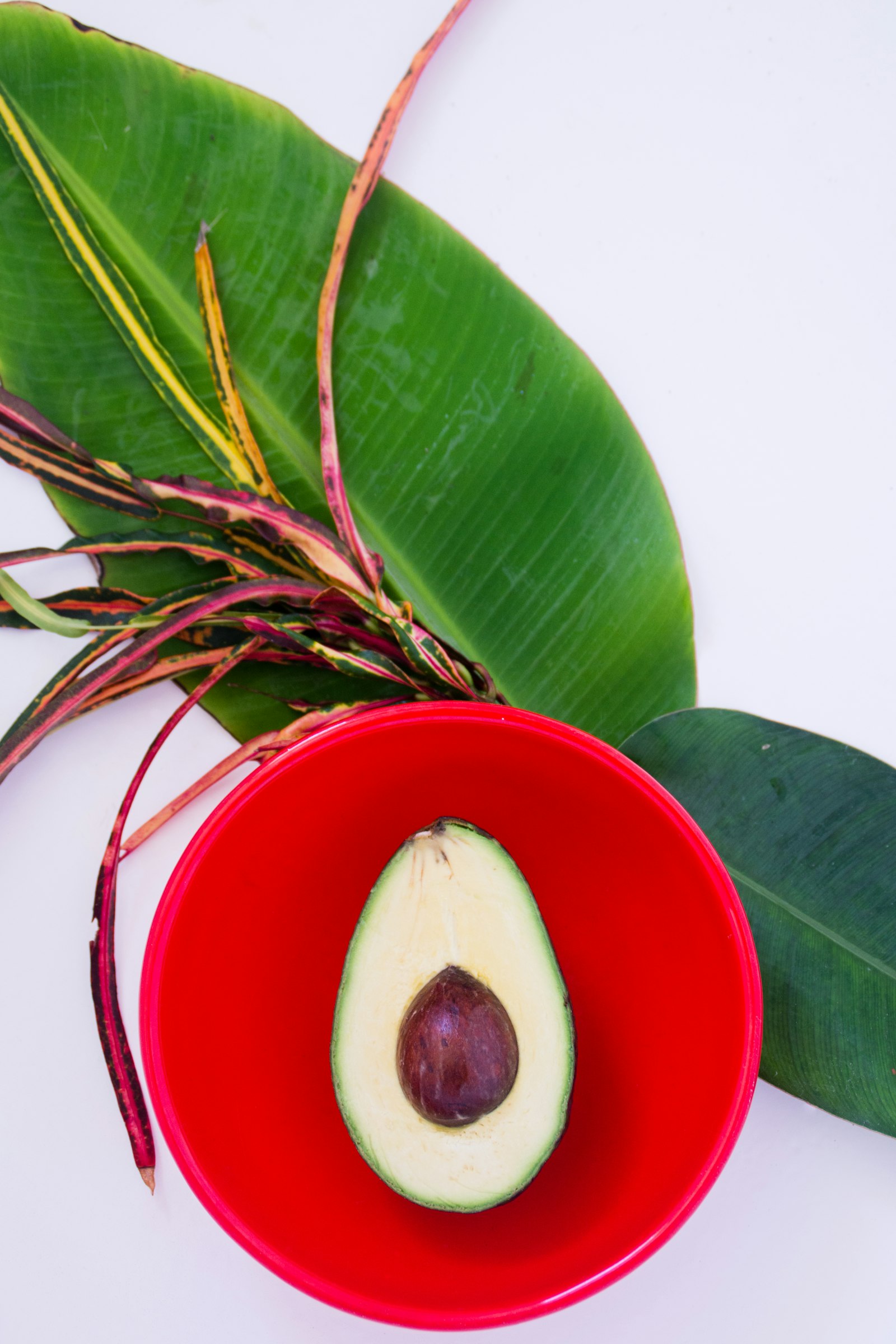
A ripe avocado should yield gently to light pressure without feeling mushy or sunken; if yours is still firm, leave it on the counter for a day or two, or speed things along by placing it in a paper bag with a banana, which releases ethylene gas that ripens fruit faster. For banana, look for plenty of brown speckling on the peel — a fully yellow, unspotted banana is often still slightly underripe and less sweet, and a green-tinged one will be starchy and harder to mash smoothly.
Texture progression by stage
This mash is flexible enough to grow with your baby through several months of solid-food development, and adjusting the texture as skills improve is one of the simplest ways to keep a familiar food interesting and appropriately challenging.
- First tastes, around 6 months. A completely smooth mash, thinned with a splash of breast milk or formula if it feels too thick, gives a beginner eater an easy texture with minimal effort required to swallow.
- 7 to 9 months. A rougher, fork-mashed texture with small soft lumps introduces some chewing practice, even before teeth are involved, since gums do most of the work at this stage.
- 9 to 12 months. Small, soft diced pieces of ripe avocado and banana, offered alongside a spoon, help a baby practice self-feeding and the pincer grasp.
- 12 months and up. Sliced or cubed fruit served as a simple finger food, sometimes mixed into oatmeal or yogurt, keeps the same flavors in rotation in a more toddler-appropriate form.
Flavor and add-in variations
- Avocado, banana, and a spoonful of plain whole-milk yogurt for extra protein and a tangier flavor profile.
- Avocado, banana, and a pinch of ground cinnamon once your baby has tried cinnamon before without any reaction, for a slightly warmer flavor.
- Avocado, banana, and a spoonful of cooked oatmeal to add fiber and turn the mash into a heartier, more filling meal.
- Avocado and pear as a swap for banana, for a milder, less sweet variation once your baby has tried both fruits individually.
- Avocado, banana, and a few drops of breast milk or formula whisked in for an even silkier consistency on days your baby wants something smoother.
Storage and freezing, if you do want to prep ahead
While this mash is best fresh, there are a couple of ways to work around avocado's quick browning if a completely from-scratch preparation every time isn't realistic. A layer of plastic wrap pressed directly onto the surface of the mash, with all air pushed out, slows oxidation for a few hours in the refrigerator. For longer storage, freezing avocado alone (without the banana) in an ice cube tray, then thawing a cube and mashing fresh banana in right before serving, works better than trying to freeze the combined mash, since banana's texture also changes significantly after freezing and thawing. Frozen avocado cubes keep well for about a month in a sealed freezer bag, though the color and texture will be a bit different from fresh once thawed, which is worth knowing so it doesn't look off to you the first time.
Allergen and safety notes
Avocado and banana are both considered low-risk, non-major allergens, which is a big part of why this combination is such a common early recommendation. That said, any new food should still be introduced with normal precautions: offer it for the first time during the day rather than right before bed, in case of any reaction, and wait a couple of days before introducing another new food alongside it so you can identify the source if something doesn't agree with your baby. If you're offering avocado as a whole-food spear for baby-led weaning, make sure it's ripe enough to mash easily between two fingers, since a firm, underripe piece can be a choking hazard rather than an easy-to-gum food.
Common problems and fixes
- The mash turns brown quickly. This is a normal, harmless oxidation reaction in avocado, not spoilage. A small squeeze of lemon or lime juice mixed in slows the browning and adds a bit of vitamin C, though the taste is very mild and most babies don't notice it.
- The texture seems too thick or sticky. A splash of breast milk, formula, or plain water thins it out without diluting the nutritional value much, and can be adjusted to whatever consistency your baby is currently comfortable with.
- Your baby gags on it. Gagging is a normal, protective reflex, especially with a new texture, and is different from choking, which is silent. If gagging happens consistently, try thinning the mash further or offering a smaller amount on the spoon at a time.
- The banana is too starchy and hard to mash smoothly. This usually means it wasn't quite ripe enough; letting it sit a day or two longer, until well speckled with brown spots, solves it for next time.
Serving ideas beyond a plain bowl
Once your baby is used to the basic combination, this mash works well swirled into warm oatmeal or rice cereal, spread thinly on a piece of toast cut into strips for older babies practicing self-feeding, or layered with plain yogurt in a small cup for a simple parfait-style meal. It also pairs easily with iron-fortified baby cereal, which is worth incorporating regularly in the first year since iron needs increase substantially once solids begin.
How this fits into a broader early-solids routine
Avocado and banana mash works well as one part of a rotation rather than the only food offered in a given week. Pairing it across meals with an iron-fortified cereal, a cooked vegetable puree, and eventually small amounts of well-cooked meat or legumes helps cover the range of nutrients a baby needs as breast milk or formula gradually makes up a smaller share of total calories. Many families find it useful as a reliable backup meal, something quick to prepare on a busy day or when a baby is going through a pickier stretch and rejecting other foods, since both ingredients are usually on hand, require no cooking, and rarely go to waste even if only half gets eaten by a distracted or tired baby.
Buying and budgeting tips
Avocados can be one of the pricier produce items depending on season and region, and buying a few at different ripeness stages, some ready to eat now and some still firm, helps stretch a supply across the week without waste from over-ripening all at once. Bananas are inexpensive and freeze well on their own for smoothies or baking once they're past their best for mashing fresh, so a slightly overripe bunch doesn't need to go to waste even if it's no longer ideal for this particular recipe. Buying organic for either ingredient is a personal choice rather than a safety requirement; both are on the lower end of pesticide residue rankings for produce, in part because of their thick skins.
Traveling or eating out with this combination
This mash travels reasonably well for a short outing if made just before leaving and kept cool, though it's still best eaten within an hour or two given how quickly avocado changes color and texture once exposed to air. For longer outings, a simpler alternative is to bring whole, ripe avocado and banana separately and mash them fresh on the spot with a fork, which takes only a minute and avoids the browning problem entirely. Many baby food pouches on the market use a similar avocado and banana combination, which can be a reasonable backup for travel days when fresh prep isn't practical, though homemade versions let you control ripeness and texture more precisely, and cost noticeably less over time for a food you'll likely serve often once your baby takes to it.
Frequently asked questions
Can I make this ahead of time?
It is best made fresh — avocado browns quickly once mashed and exposed to air. If you need to prep ahead, a squeeze of lemon or lime juice can slow the browning slightly, though texture and taste are best right after mashing.
How ripe should the avocado and banana be?
Both should be fully ripe and soft — a ripe avocado gives slightly to gentle pressure, and a ripe banana has plenty of brown speckling. Underripe fruit is harder to mash smoothly and less sweet.
Are avocado and banana common allergens?
Neither is considered a major common allergen, which is part of why this combination is often recommended as an easy, low-risk first food, though it is still worth watching for any individual reaction the first few times.
Can I freeze avocado and banana mash?
Banana doesn't freeze and thaw well texturally, so it's better to freeze avocado alone in an ice cube tray and mash in fresh banana right before serving. Frozen avocado cubes keep for about a month in a sealed freezer bag.
My baby gagged on this, is that normal?
Gagging is a normal, protective reflex as babies learn to manage new textures, and it looks and sounds different from choking, which is silent. If it happens often, try thinning the mash further or offering smaller amounts at a time.