Photo: Unsplash
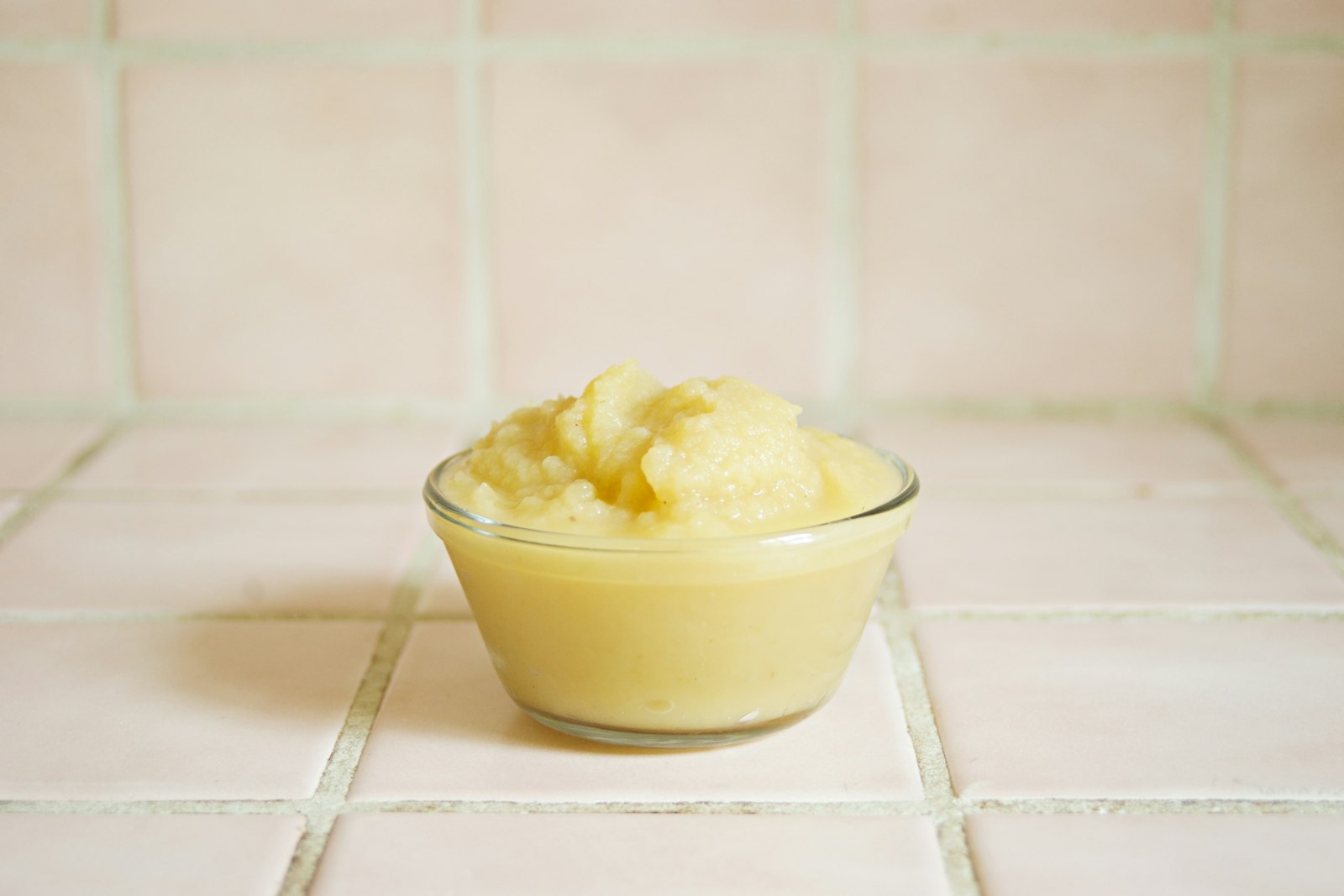
Sweet potato and apple is a classic first-food pairing for a reason — both are naturally sweet, gentle on a new digestive system, and easy to cook down into a smooth, spoonable puree. This recipe makes a small batch that freezes well for busy weeks, and it scales up easily if you'd rather cook once and have enough for two or three weeks in the freezer.
Ingredients
- 1 medium sweet potato, peeled and cubed
- 1 apple, peeled, cored, and chopped
- Water or breast milk/formula, for thinning
Instructions
- Steam the sweet potato cubes for about 12-15 minutes, until fork-tender.
- Add the chopped apple to the steamer for the last 5-6 minutes, until soft.
- Transfer both to a blender or food processor.
- Blend, adding water, breast milk, or formula a little at a time until you reach a smooth, spoonable consistency.
- Cool completely before serving.
Storage tips
This puree keeps in the fridge for up to 3 days in an airtight container, or freezes well in an ice cube tray for up to 2 months — pop out a cube or two and thaw as needed.
Ways to adjust the texture as baby grows
For younger babies just starting solids, blend until completely smooth. As your baby gets more comfortable with texture, you can mash instead of puree, leaving small soft lumps.
Nutrition notes
Sweet potato is one of the best plant sources of beta-carotene, which the body converts to vitamin A, and it also provides fiber and potassium. Apple contributes additional fiber along with a bit of vitamin C. The combination's natural sweetness also makes it a helpful bridge food — some babies who resist plainer vegetables on their own will accept them more readily paired with something naturally sweet like apple, which can make it easier to work more vegetables into the rotation over time.
Choosing and prepping the apple
Softer, sweeter apple varieties like Honeycrisp, Fuji, or Gala break down more easily during steaming than firmer, tarter varieties like Granny Smith, which can stay slightly firm even after cooking. Whatever variety you choose, peel and core it fully, since the skin can remain fibrous and stringy even after steaming, which isn't ideal for a smooth first puree. If you're short on time, unsweetened, no-salt-added applesauce can be blended in at the end instead of steaming a fresh apple, though the flavor will be slightly less bright.
A note on natural sugars
Both sweet potato and apple contain natural sugars, which is part of why this combination tastes appealing to babies, but there's no need to add any extra sugar, honey, or syrup to this recipe — young palates are still developing their preferences, and starting with unsweetened foods (even naturally sweet ones like these) helps keep options open for vegetables that aren't sweet at all later on. If you're offering this puree frequently, rotating in less sweet options like plain steamed zucchini or green beans on other days helps maintain a varied palate.
Common mistakes to avoid
Under-steaming the sweet potato is the most common issue — it needs to be truly fork-tender, since sweet potato is denser than many other first vegetables and doesn't break down as easily if rushed. Adding the apple too early in the steaming process can also lead to overcooked, mushy apple that loses its brightness, so hold off until the last several minutes as directed. As with all first foods, let the puree cool fully and test the temperature yourself before offering a spoonful.
Serving this puree by age and stage
Around 6 months, offer this puree fully smooth, in small amounts (a teaspoon or two at first) on a soft-tip spoon, alongside continued breast milk or formula as the main source of nutrition. By 7 to 9 months, most babies are ready for a slightly thicker, mashed version with small soft lumps left in, which helps build the chewing and tongue skills needed for more textured food later. From around 9 to 12 months, many babies can manage this puree stirred into a bowl of plain oatmeal or yogurt, or spread thinly on toast strips for a self-feeding option, since it holds together well on a spoon or a soft food. Past 12 months, this same mixture works as a simple side dish for the rest of the family, no separate "baby version" needed once your toddler is eating a wider range of table food.
Easy variations and mix-ins
Once your baby has tried both sweet potato and apple separately without any issue, a few simple additions can add variety without much extra work. A pinch of ground cinnamon (no sugar needed) brings warmth to the flavor and is a mild spice most babies tolerate well. Stirring in a spoonful of plain, full-fat yogurt after cooking adds protein and calcium and works well once dairy has been introduced. A small amount of unsweetened, no-salt-added nut or seed butter, thinned with water, adds healthy fats and calories once that allergen has been safely introduced and tolerated on its own. For a heartier version once your baby is used to more texture, stir in some cooked, shredded chicken or lentils for added iron and protein, since sweet potato and apple alone are relatively low in both.
A realistic batch-cooking scenario
Picture a Sunday evening: two sweet potatoes and three apples go into the steamer basket together, taking about twenty minutes total including the staggered timing for the apple. Once blended into two batches, one thinner for a 6-month-old and one thicker with small lumps for an older sibling starting more texture, everything gets portioned into labeled ice cube trays. By Wednesday, half the tray has been used for the younger baby and one cube has gone unused because the older toddler decided, mid-week, that this particular puree "isn't for them anymore." That unused cube goes into a smoothie with banana and yogurt instead of being wasted outright, and the following Sunday, a fresh batch gets made regardless of the mid-week refusal, since preferences at this age shift constantly and rarely stay fixed for long.
Myths vs facts about this puree
Myth: sweet potato and apple together is too sugary for a baby. Fact: both foods contain only their natural sugars with nothing added, and pairing a vegetable with a naturally sweet fruit is a widely used, pediatrician-endorsed way to help babies accept vegetables they might otherwise resist.
Myth: babies should only eat single-ingredient purees for the first several months. Fact: once each ingredient has been tried separately without a reaction, combining tolerated foods is generally fine at any point after the initial single-ingredient introduction period, and doing so adds variety to the diet.
Myth: a puree this smooth needs to stay smooth for a long time. Fact: babies generally benefit from moving toward more texture within a few months of starting solids, and staying on very smooth purees for too long can make that transition harder later.
Step-by-step: freezing and reheating without losing quality
Start by letting the finished puree cool to room temperature, uncovered, for about twenty minutes, since spooning hot puree directly into a freezer tray can create condensation that leads to icy, watery cubes later. Spoon the cooled puree into a standard ice cube tray, filling each well most of the way, then cover the tray loosely with plastic wrap or a lid if the tray has one, and freeze flat for at least four hours or overnight. Once solid, pop the cubes out and transfer them into a labeled freezer bag, pressing out as much air as possible before sealing, which helps prevent freezer burn over the following weeks. To reheat, move one or two cubes to the fridge the night before, or place them in a small microwave-safe bowl and defrost in short bursts, stirring between each one to distribute heat evenly and avoid a hot pocket in the middle. Always stir thoroughly and test the temperature on your own wrist or lip before offering it to your baby, since even a properly defrosted portion can have an unexpectedly warm spot.
A realistic scenario: three babies, three reactions
One family offers this puree to their 6-month-old for the first time and gets an enthusiastic response, with most of it actually swallowed rather than pushed back out. A second family's baby, also 6 months, mostly grimaces and turns their head away, not from an allergy, just an unfamiliar new texture and flavor, and the parents shrug it off and try again two days later with more success. A third family's toddler, who loved this puree at 7 months, suddenly refuses it flat out at 14 months, only to ask for "more potato" again a month after that. All three responses are completely normal, and none of them predicts how a baby will feel about this food, or feeding in general, six months down the line. Babies' reactions to any single food, especially early on, say very little about their longer-term eating habits.
Before you serve: quick safety checklist
- Sweet potato is truly fork-tender all the way through, not just soft on the outside.
- No added salt, sugar, or honey, including in any mix-ins like yogurt or nut butter.
- Puree or mash has cooled to a safe, lukewarm temperature, tested by you before serving.
- Any new mix-in (yogurt, nut butter, cinnamon) has been introduced on its own first.
- Portions are labeled with the date if frozen, and used within the storage windows above.
When to call the pediatrician
Sweet potato and apple are both low-risk first foods, but call promptly for hives, facial swelling, vomiting shortly after eating, or any breathing trouble after introducing this or any new mix-in, treating breathing difficulty or facial swelling as an emergency. It's also worth a call if your baby has ongoing loose stools or unusual gassiness that seems tied to a specific ingredient here, since some babies react more to one component (often the apple, due to its fiber and sugar content) than the other. The American Academy of Pediatrics' guide to switching to solid foods is a solid outside reference for pacing and portion sizes as you build out a fuller rotation beyond this recipe.
Frequently asked questions
Can I use canned sweet potato or applesauce instead?
Fresh is easy to control for texture and sweetness, but plain canned sweet potato (no added salt or sugar) and unsweetened applesauce can work in a pinch — just check labels carefully for any added ingredients.
How long does this puree last in the fridge?
Up to 3 days in an airtight container in the fridge, or up to 2 months in the freezer, portioned into an ice cube tray for easy single servings.
Is apple a common allergen I should introduce carefully?
Apple is not a common major allergen, but as with any new first food, it is reasonable to introduce it on its own for a day or two before combining it with other new foods, to more easily spot any reaction.
Can I make this puree without a blender or food processor?
Yes. Once the sweet potato and apple are fully steamed and soft, a fork or a potato masher can get you to a chunkier, mashed texture, which actually works well for babies past the very first weeks of solids. For a fully smooth puree for a younger baby, a blender or immersion blender gets a more consistent result than mashing by hand.
My baby loved this at 6 months but refuses it now, what changed?
Nothing is necessarily wrong. Taste preferences and interest in specific foods shift often at this age, sometimes week to week, and a food that was a favorite can fall out of rotation temporarily for no clear reason. Continuing to offer it occasionally without pressure, alongside other accepted foods, usually brings it back into favor eventually.