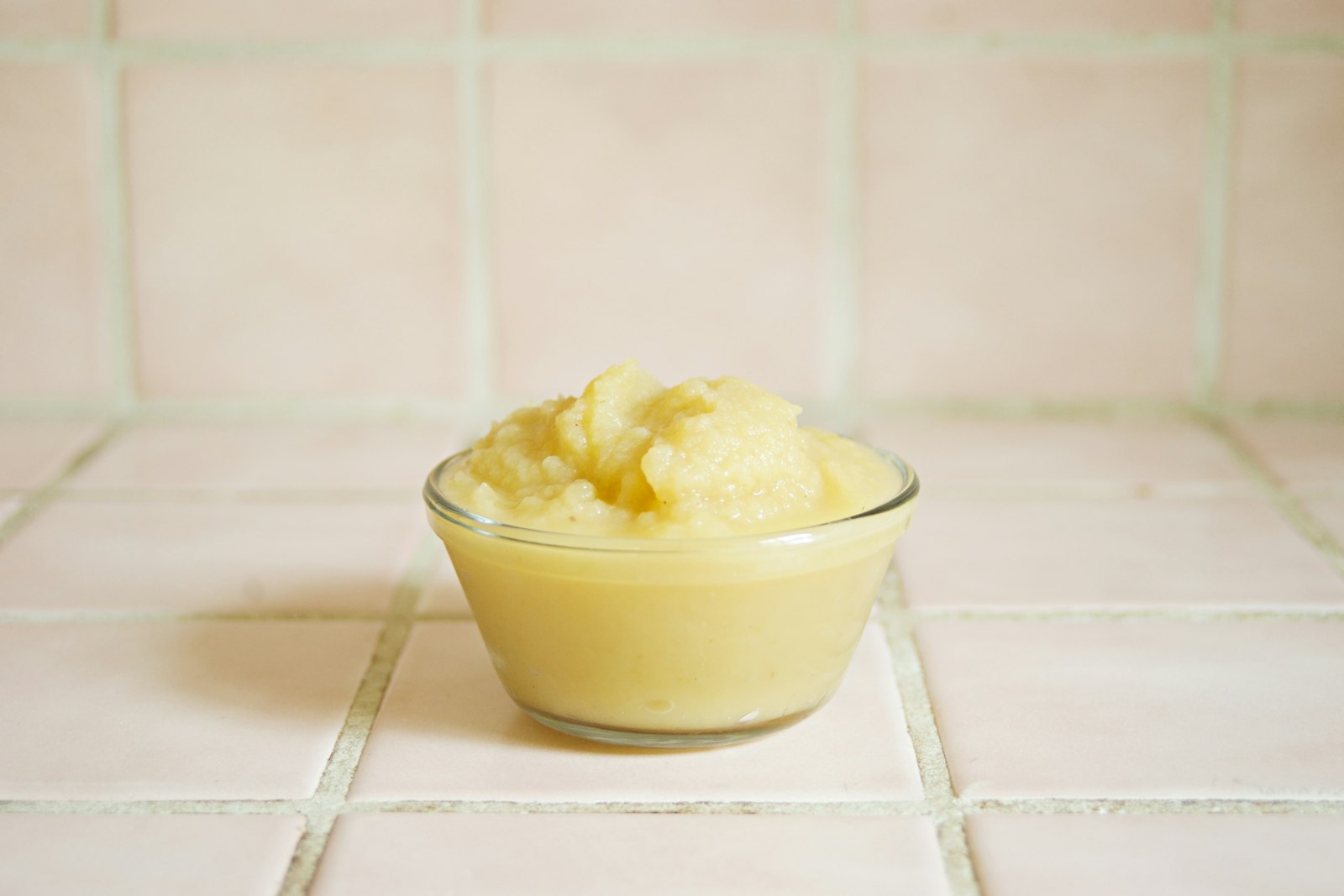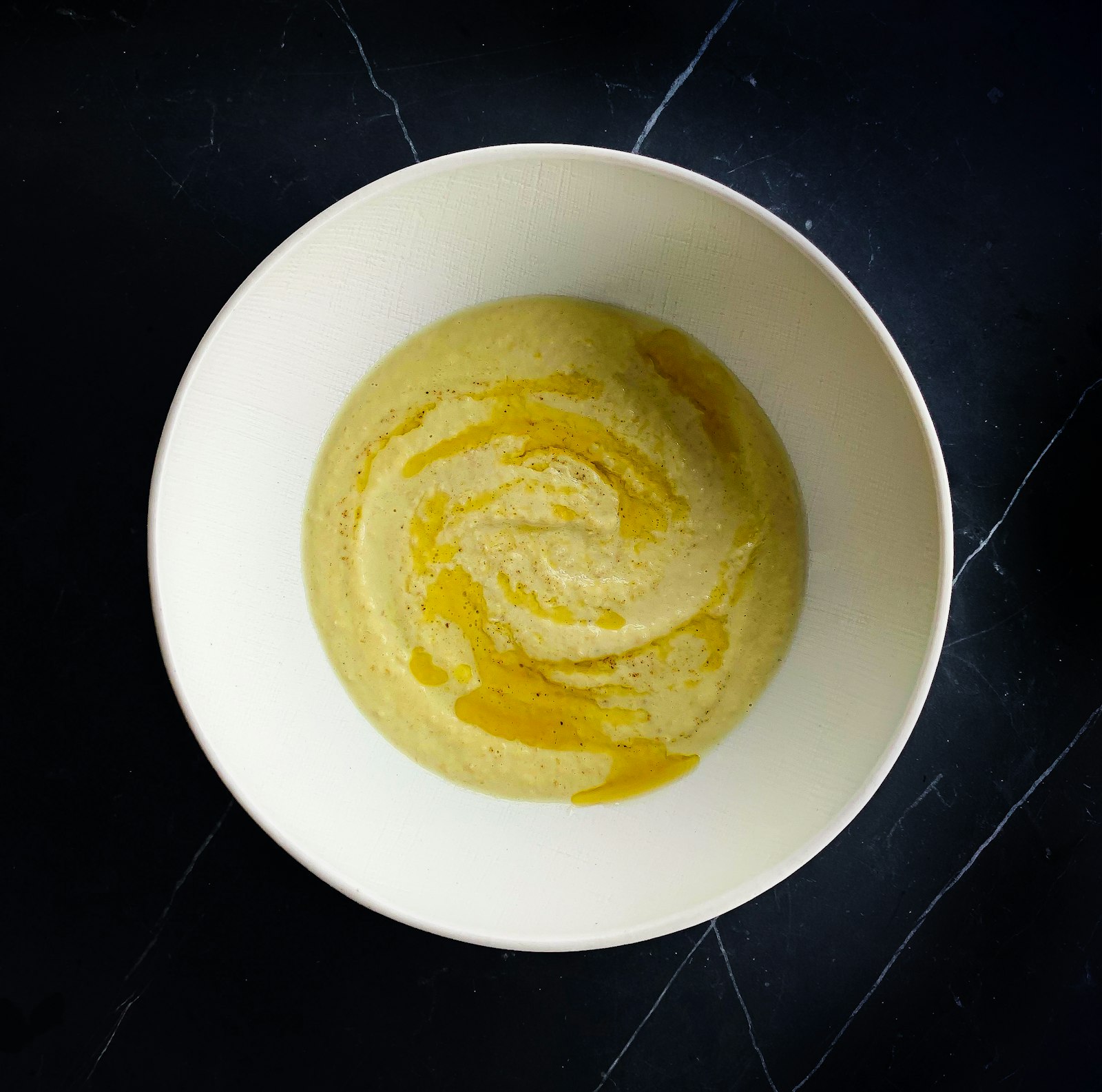
Photo: Unsplash
Butternut squash roasts down into a naturally smooth, mildly sweet puree, and pairing it with soft pear rounds out the flavor without needing any added sugar. It's a good option to rotate in alongside sweet potato for variety.
Ingredients
- 1 cup butternut squash, peeled and cubed
- 1 ripe pear, peeled, cored, and chopped
- Water, for steaming and thinning
Instructions
- Steam the butternut squash cubes for 12-15 minutes, until very soft.
- Add the chopped pear for the last 4-5 minutes of steaming.
- Blend both together, adding a little steaming water as needed for a smooth, spoonable texture.
- Cool completely before serving.
Roasting instead of steaming
Roasting the squash (400°F/200°C, about 25 minutes, cut side down) intensifies the natural sweetness even more than steaming, though it does take a bit longer — either method works well for this recipe.
Storage
Keeps in the fridge for up to 3 days, or freeze in an ice cube tray for up to 2 months.
How to tell it's the right texture
At the very start of solids, this puree should run off a spoon in a thin ribbon rather than sitting in a clump — thin it with extra steaming water, breast milk, or formula until it pours easily. As your baby gets more comfortable with a spoon over the following weeks, you can thicken things up by using less liquid, which helps them practice moving food around their mouth. There's no need to rush this — some babies are ready for a thicker texture within a couple of weeks, others take a couple of months, and both are completely normal.
Nutrition notes
Butternut squash is a good source of vitamin A and vitamin C, and pear adds a gentle dose of fiber that can help keep things moving if your baby is prone to constipation during the early days of solids. Neither ingredient is a common allergen, which makes this a low-risk combination to introduce early, though it's still worth offering squash and pear separately first before combining them, just so you know how your baby tolerates each one on its own.
Flavor variations and mix-ins
Once your baby has tried both ingredients on their own without issue, a pinch of cinnamon or a spoonful of plain whole-milk yogurt can add variety without overwhelming the base flavor. A little unsweetened applesauce blended in makes the puree taste closer to a dessert, which can be a helpful trick on a day when your baby is turning their nose up at vegetables. Avoid added sugar, honey (unsafe under age one), and salt — babies don't need seasoning the way adults do, and their palates are still forming preferences that added sugar can skew early.
Common mistakes to avoid
The most common misstep is under-steaming the squash — if it isn't fork-tender all the way through, the puree will come out gritty no matter how long you blend it. Another is skipping the cooling step: purees straight off the stove can scald a baby's mouth, so let everything come down to room temperature (or slightly warm) before serving. Finally, resist the urge to add salt for flavor — a baby's kidneys can't process sodium the way an adult's can, so keep this dish naturally unseasoned.
Texture progression as your baby grows
- First tastes, around 6 months. A fully smooth, thin puree that runs off a spoon easily, thinned with steaming water, breast milk, or formula as needed.
- 7 to 9 months. A slightly thicker, mashed texture with tiny soft lumps, made by pulsing rather than fully blending, or by mashing with a fork instead.
- 9 to 12 months. Small soft cubes of roasted squash and ripe pear, offered as finger foods alongside the puree, help build chewing skills and the pincer grasp.
- 12 months and up. Diced roasted squash and pear can be served as a simple side dish or mixed into rice, oatmeal, or a grain bowl for the rest of the family.
More variations to try
- Squash, pear, and a spoonful of iron-fortified baby oatmeal stirred in for extra iron and a heartier texture.
- Squash, pear, and a small amount of cooked lentils or split peas, blended smooth, for added plant-based protein and iron once your baby has tried legumes separately.
- Squash and apple instead of pear, for a slightly firmer texture and a different, tangier flavor.
- Squash, pear, and a pinch of ground ginger, once your baby has tried mild spices before, for a warmer, more complex flavor as they get a bit older.
Freezing and batch cooking in more detail
This puree is an excellent candidate for batch cooking, since both butternut squash and pear hold their texture and flavor well after freezing, unlike some more delicate fruits. Portion the finished puree into an ice cube tray, freeze until solid (usually overnight), then pop the cubes out into a labeled freezer bag, pressing out excess air before sealing. Dated cubes keep for up to two months in a standard freezer, and thawing a single cube in the fridge overnight or in a bowl of warm water gives you a single-serving portion without needing to defrost a larger batch. Avoid refreezing puree that has already been thawed and served, since utensils and saliva introduce bacteria that can multiply during a second freeze-thaw cycle.
Allergen and safety notes
Neither butternut squash nor pear is a common allergen, which makes this one of the lower-risk combinations for early solids. As with any new food, it's worth offering each ingredient on its own for the first couple of times before combining them, both to identify any individual reaction and to give your baby a chance to get familiar with each distinct flavor. If you're roasting squash for a baby-led weaning approach rather than pureeing, cut it into soft, finger-length spears rather than small chunks, since a small, round or cube-shaped piece can pose more of a choking risk than an elongated, easy-to-gum spear.
Common problems and how to fix them
- The puree is grainy or fibrous. This usually means the squash wasn't cooked long enough. Squash should be completely fork-tender, almost falling apart, before blending; if it still holds firm shape after steaming or roasting, give it more time.
- The puree is too watery. This can happen if too much steaming liquid was added at once. Blend in small increments of liquid rather than all at once, and remember it's easier to add more than to take it back out.
- The color looks slightly different from batch to batch. This is normal and depends on the specific squash and pear used; ripeness and variety both affect the final color and sweetness.
- Your baby rejects it after previously liking it. This is common and often unrelated to the food itself; teething, a growth spurt, or simply a passing preference can all cause temporary pickiness. Continue offering it periodically without pressure.
Myths worth clearing up about early vegetables like squash
"If my baby doesn't like a vegetable puree right away, they never will" isn't accurate. It commonly takes eight to ten exposures, sometimes more, before a baby accepts a new flavor, and early rejection is a normal part of the process rather than a lasting verdict.
"Sweeter vegetables like squash will make my baby prefer sweets over other vegetables" also isn't well supported. Naturally sweet vegetables like squash and sweet potato are commonly used as first foods precisely because they're well tolerated and enjoyed, and offering a wide variety of vegetables, sweet and more bitter alike, over the following months is what builds a broad palate, not the order they were introduced in.
How this fits into a first-year feeding routine
Rotating butternut squash and pear puree alongside other vegetables, fruits, and eventually proteins and grains helps a baby experience a range of flavors and textures during the window when taste preferences are actively forming. This puree pairs particularly well as an early "safe" food to fall back on when introducing something newer and more challenging on the same day, since it's familiar, gentle on digestion, and well tolerated by most babies. The American Academy of Pediatrics has more general guidance on introducing solids at HealthyChildren.org.
Choosing and prepping the squash
A good butternut squash for this recipe should feel heavy for its size and have a firm, matte tan skin without soft spots, deep bruising, or a greenish tint, which can indicate it was picked before fully ripening. To peel and cube it safely and efficiently, trim off both ends first so it sits flat and stable on the cutting board, then use a sturdy vegetable peeler for the skin before cutting it in half to scoop out the seeds and cube the flesh. If cutting a whole squash feels daunting with a baby underfoot, pre-cut fresh squash from the produce section, or frozen cubed squash, are both perfectly good shortcuts that don't meaningfully affect the final result.
A note on seasonal availability
Butternut squash is at its best, and often at its cheapest, in the fall and winter months, though good quality squash, particularly the frozen pre-cut version, is generally available year-round. Pears follow a similar pattern, with the best flavor and lowest prices typically in late summer through winter depending on variety and region. Buying squash in bulk when it's in season and freezing it, either raw and cubed or already cooked and pureed, is a practical way to keep this recipe in rotation even outside its peak season, and it tends to be noticeably cheaper per pound than buying small amounts throughout the rest of the year, an easy win for a food you'll likely make again and again.
Pairing this puree with other early foods
Butternut squash and pear puree works well as a base that other ingredients can be layered onto as your baby's diet expands. Once iron-rich foods are part of the regular rotation, serving this puree alongside, rather than mixed into, a small amount of pureed meat, lentils, or iron-fortified cereal helps balance a meal without overwhelming a baby with too many new flavors combined at once. It's also a gentle food to fall back on after introducing something more textured or novel, giving a baby's palate and digestive system a familiar, easy option in between newer experiences. Keeping a batch of frozen cubes on hand means there's almost always a reliable, well-liked meal ready in minutes, which takes some of the daily pressure off during a stage when so much else about feeding still feels like trial and error, and gives you one less thing to plan for on the busiest days.
Frequently asked questions
Can I use frozen butternut squash?
Yes — pre-cut frozen butternut squash steams just as well as fresh and is a real time-saver, since peeling and cubing a whole squash is one of the more tedious parts of this recipe.
What pear variety works best?
Softer, sweeter varieties like Bartlett or Anjou tend to break down more easily than firmer varieties like Bosc — make sure the pear is fully ripe for the smoothest texture.
Can I mix this with a protein like plain yogurt later on?
Once your baby is past the first few purees and your pediatrician has cleared dairy, plain whole-milk yogurt can be a nice addition to squash and pear for extra protein and creaminess.
Why is my puree grainy even after blending for a long time?
This almost always means the squash wasn't cooked long enough. It should be completely fork-tender before blending; if it still holds its shape after steaming or roasting, give it more cooking time rather than blending longer.
How many times should I offer this if my baby refuses it at first?
It can take eight to ten exposures or more before a baby accepts a new food, so early rejection is normal rather than a final verdict. Continue offering it periodically without pressure.