Photo: Unsplash
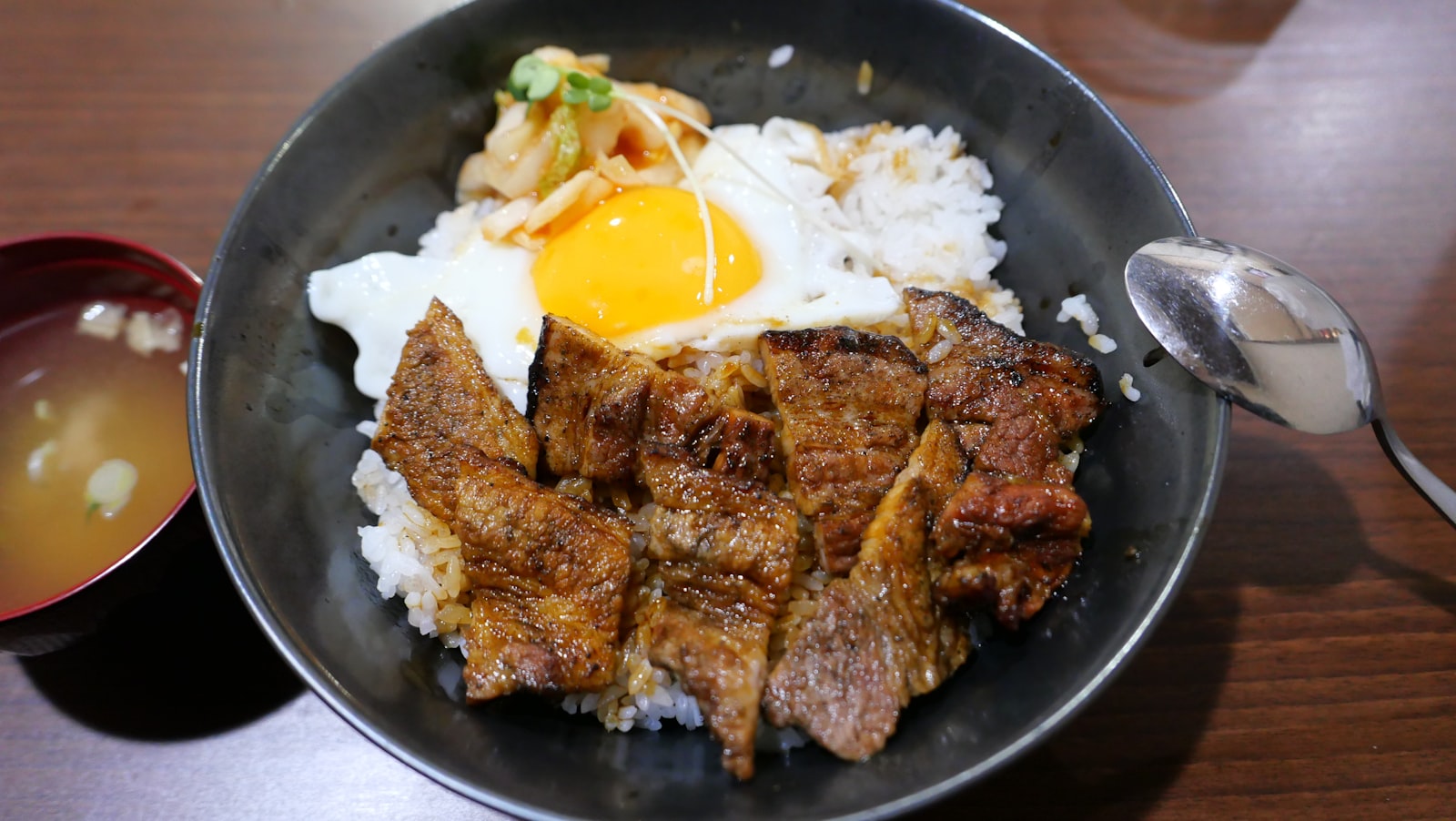
Korean bulgogi is traditionally marinated in a soy-and-pear based sauce and grilled until caramelized. This version dials back the sugar and sodium and keeps everything soft and finely cut, making it a good option for family dinner that both toddlers and adults can share. It also happens to be a genuinely useful recipe to have on hand for the whole family, not just the toddler, since the marinade works just as well for a full adult portion cooked a bit longer over higher heat.
Because it comes together with a quick marinade and a fast sear, this is also a good option for nights when you want something that tastes a little more special than a typical weeknight dinner but do not have much time to cook. Most of the work happens in the marinating step, which you can do in the morning or even the night before.
Ingredients
- 1/2 lb thinly sliced beef (sirloin or ribeye works well)
- 2 tablespoons low-sodium soy sauce
- 1 tablespoon grated pear or apple (for natural sweetness and tenderizing)
- 1 clove garlic, minced
- 1 teaspoon sesame oil
- Steamed rice and soft-cooked vegetables (carrot, spinach, bean sprouts), to serve
Instructions
- Combine soy sauce, grated pear, garlic, and sesame oil in a bowl. Add the beef and marinate for at least 30 minutes.
- Heat a pan over medium-high heat and cook the beef in batches, 2-3 minutes per side, until browned and cooked through.
- Let the beef rest, then cut or shred into small, toddler-appropriate pieces.
- Serve over rice with soft-cooked vegetables on the side or mixed in.
Keeping it toddler-friendly
The main adjustments from a traditional adult bulgogi are less soy sauce, no added sugar (the grated pear provides natural sweetness), and cutting the cooked beef into small, easy-to-chew pieces rather than serving whole strips.
Make-ahead tip
The beef can marinate overnight in the fridge, which deepens the flavor and makes this an easy meal to pull together quickly on a busy evening.
Recipe variations
- Chicken bulgogi: thinly sliced chicken thigh works well with the same marinade and cooks in about the same amount of time, a good rotation option if you want to switch up proteins through the week.
- Pork bulgogi: thinly sliced pork shoulder or loin is a traditional variation in Korean cooking and takes well to the same sweet-savory marinade.
- Tofu version for vegetarian families: firm tofu, pressed and cut into small cubes, can be marinated the same way and pan-fried until golden. It cooks faster than beef, so watch it closely to avoid drying it out.
- Extra vegetables: shredded carrot, zucchini, and mushrooms can be sautéed separately and added to the bowl for more color and nutrients without changing the core recipe.
- Rice swaps: brown rice, quinoa, or a rice-and-cauliflower rice blend all work as the base if you want more fiber or fewer refined carbohydrates.
Allergen notes
This recipe contains soy (from the soy sauce) and sesame (from the sesame oil), two of the more common food allergens. If your toddler has not had either ingredient before, introduce them separately in a small amount first, following the usual one-new-food-at-a-time approach, before serving the full combined dish. Tamari or coconut aminos can stand in for soy sauce if you are avoiding soy, though the sodium content varies between brands, so check the label if you are trying to keep salt on the lower side.
Why beef is a valuable addition at this age
Beef is one of the richest, most easily absorbed sources of iron in a toddler's diet, along with zinc and vitamin B12, all of which support growth and development during a stage when iron needs remain high but many toddlers' diets naturally shift away from iron-rich foods like infant cereal. Including a small amount of well-cooked, finely cut red meat a few times a week is a practical way to keep iron intake up, especially for toddlers who eat mostly plant-based meals otherwise.
Food safety with raw beef
Raw beef should be marinated and handled on a cutting board kept separate from produce and other ready-to-eat foods, and any marinade the raw beef touched should be discarded rather than reused as a sauce unless it is boiled first. Wash hands, utensils, and surfaces thoroughly after handling raw meat, and cook the beef to an internal temperature that eliminates harmful bacteria, generally well-done for ground beef and to your preferred doneness for whole cuts like sirloin, keeping in mind that a toddler's meal should always be cooked fully through rather than served rare. For more detail on safe meat handling and storage times, the FoodSafety.gov cooking temperature chart is a useful quick reference to keep in the kitchen.
Choosing and preparing the beef
Thinly sliced sirloin or ribeye works well here because it cooks quickly and stays tender; if your butcher doesn't sell pre-sliced beef, partially freezing the cut for about 20 minutes makes it much easier to slice thinly at home. Cutting against the grain, rather than with it, is the single biggest factor in how tender the finished beef feels — cutting with the grain leaves long muscle fibers intact, which makes the meat noticeably chewier and harder for a toddler to manage safely.
If slicing raw beef thinly at home feels fiddly, many grocery stores and butcher counters will slice a cut for you on request, sometimes labeled for hot pot or Korean barbecue, which saves a step and gets you a more consistent thickness than most home kitchens can manage without a meat slicer. A budget-friendlier cut like flank or skirt steak also works well for this recipe, since the thin slicing and quick marinade compensate for a cut that would otherwise need long, slow cooking to stay tender.
Building the bowl for different ages
For toddlers newer to table foods, finely mince or shred the cooked beef rather than leaving it in strips, and serve the rice and vegetables separately so nothing overwhelms a small mouth in one bite. As chewing skills develop, small thin strips of beef alongside rice and soft vegetables mixed together make for good practice with more textured, "grown-up" meals. Bean sprouts can be a choking risk for younger toddlers if left whole — chop them finely or cook them until very soft, and hold off on serving them raw or crunchy until your child is an experienced eater.
For toddlers between about 15 and 24 months, mixing everything into one bowl, rice, beef, and vegetables all together, tends to work better than a divided plate, since the rice helps carry small pieces of beef and vegetable onto the spoon or into little fingers. For preschoolers around 3 and up, a divided plate with each component visible often works better, since many kids this age prefer to see and choose what they are eating rather than having it pre-mixed for them. There is no universally right approach here, and it is worth experimenting with both formats to see what your particular child responds to.
Vegetable options and swaps
Traditional bulgogi bowls (bibimbap-style) often include a mix of sautéed spinach, carrot, and bean sprouts, sometimes with mushrooms or zucchini added. Any of these can be swapped for what you have on hand or what your child already eats well; broccoli, green beans, or peas all work fine as substitutes as long as they are cooked until soft and cut into toddler-appropriate pieces. If your child is still working through new vegetable textures, offering one familiar vegetable alongside one new one, rather than introducing several unfamiliar vegetables at once, tends to go over better at the table.
Storage and reheating
Cooked beef keeps in the fridge for up to 3 days in an airtight container, and reheats best gently in a pan with a splash of water or broth to keep it from drying out, since beef can toughen when microwaved on high. The vegetables and rice can be stored together or separately for up to 3 days as well. This recipe also freezes reasonably well — portion cooked, cooled beef into a freezer bag and thaw in the fridge overnight before reheating. Rice tends to dry out more than the beef in the freezer, so if you plan to freeze a full portioned meal, consider freezing the rice separately and cooking a fresh batch when you reheat, which keeps the texture much better than freezing everything together.
Common mistakes to avoid
- Skipping the marinade time: even 30 minutes makes a noticeable difference in flavor and tenderness; overnight is even better if you have the time to plan ahead.
- Overcrowding the pan: too much beef at once causes it to steam rather than sear, which means less of the caramelized flavor that makes bulgogi distinctive. Cook in batches if needed.
- Cutting with the grain instead of against it: this is the single most common reason homemade bulgogi turns out chewier than the restaurant version.
- Serving beef strips whole to a young toddler: even tender beef can be a choking risk in long strips; always cut or shred into small pieces sized to your child's chewing ability.
- Using full-sodium soy sauce without adjusting elsewhere: if you swap in regular soy sauce instead of low-sodium, consider cutting the amount slightly to keep the dish toddler-appropriate.
Nutrition notes
Beef is a strong source of iron, zinc, and protein, which makes this a nutritionally useful dinner for a toddler, particularly for children who otherwise eat mostly plant-based meals. Pairing the beef with rice provides energy-dense carbohydrates, while the added vegetables round out fiber and vitamins. Using low-sodium soy sauce and skipping added sugar keeps the overall sodium and sugar content more appropriate for a young child than a traditional restaurant version, which can be considerably higher in both.
A real-life scenario: turning this into a weekly rotation
Many families find bulgogi becomes a repeat favorite fast, both because it tastes good and because the leftovers work well the next day. A common approach is to double the recipe on a night with a bit more time, serve half fresh, and use the other half the next day chopped into fried rice, folded into a wrap, or tossed with noodles for a quick lunch. Because the beef is already cooked and just needs reheating, this cuts a fair amount of time off a second meal without it feeling like you are eating the same dinner twice. Some parents also keep a bag of pre-sliced beef in the freezer specifically for this recipe, so the whole dinner, marinade included, can go from freezer to table in under an hour on a night when there is no time to plan ahead.
Frequently asked questions
Is this recipe too spicy or salty for a toddler?
This version is intentionally mild — it uses low-sodium soy sauce and no chili, relying on grated pear for sweetness instead of added sugar, making it gentler than a traditional restaurant-style bulgogi.
How should I cut the beef for a toddler?
After cooking, cut or shred the beef into small, thin pieces that are easy to chew and swallow — avoid serving long, chewy strips whole to a young child.
Can I make this with chicken instead of beef?
Yes — thinly sliced chicken thigh works well with the same marinade and is a common substitution if you prefer poultry or want to rotate proteins through the week.
Can I make a vegetarian version of this bowl?
Yes — firm tofu, pressed and cut into small cubes, can be marinated in the same sauce and pan-fried until golden. It cooks faster than beef, so watch it closely to avoid drying it out.
How long does the beef need to marinate?
At least 30 minutes for a noticeable flavor boost, though marinating overnight in the fridge deepens the flavor further and makes this an easy meal to pull together on a busy evening.