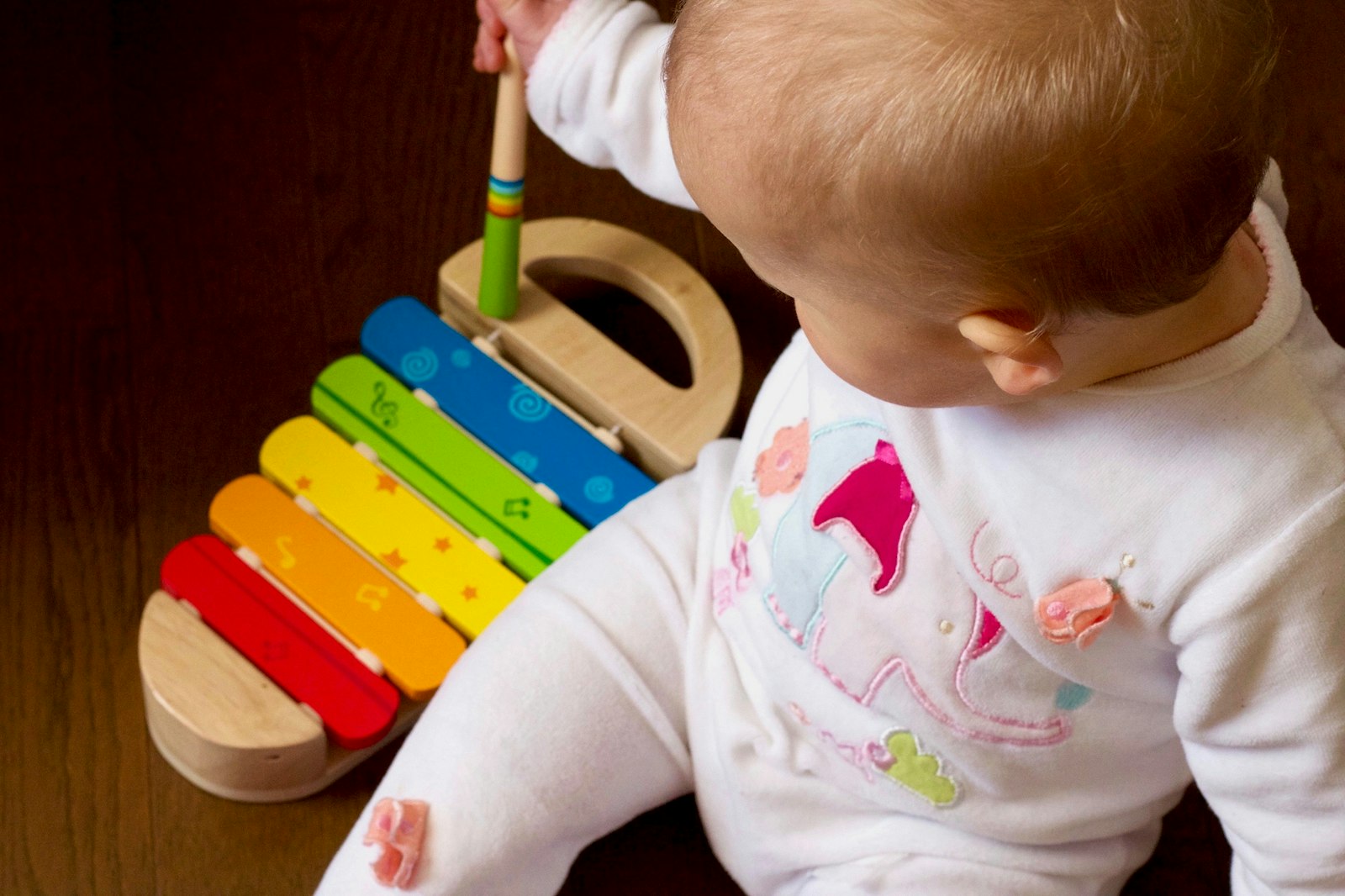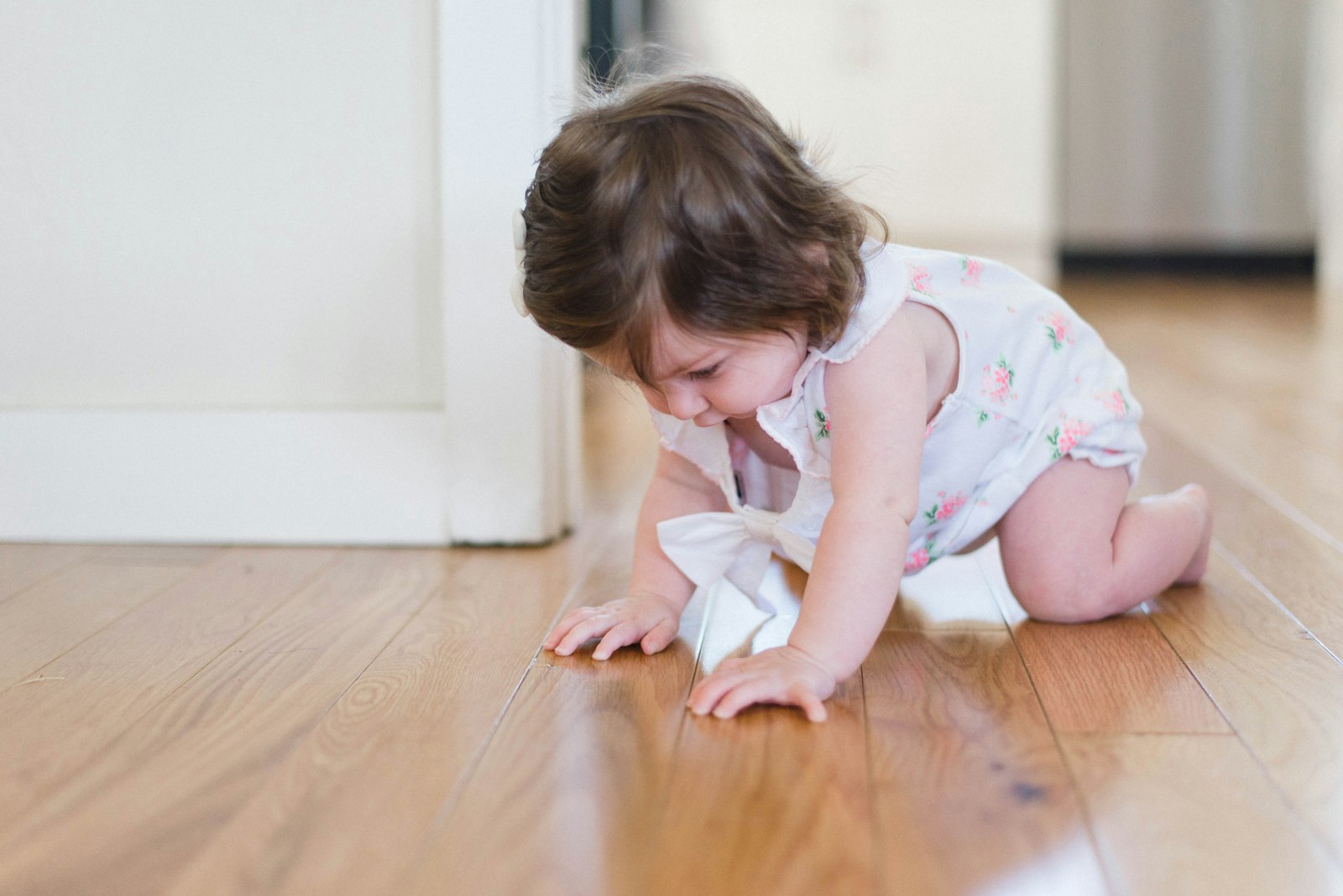
Photo: Unsplash
Bringing home twins multiplies the usual newborn adjustment in ways that are hard to fully picture until you're in it — but a few practical strategies make the first weeks noticeably more manageable.
Feeding two newborns
- Many parents find feeding both babies at once (using a twin nursing pillow) saves significant time.
- A simple log (paper or an app) helps track who ate when, especially in the sleep-deprived early weeks.
- If breastfeeding, a lactation consultant experienced with twins can be especially helpful.
- There's no requirement that both babies feed identically — some twins settle into different rhythms.
Sleep strategies
Many families find it easier to keep twins on a similar sleep schedule, waking one to feed alongside the other, rather than responding to each individually around the clock — this tends to create more predictable stretches of rest for parents.
Gear that actually helps
- A double stroller suited to your lifestyle (side-by-side vs. tandem).
- Two of the basics — bouncers, swaddles, sleep spaces — rather than sharing back and forth.
- A carrier or wrap for one baby while you tend to the other hands-free.
- Labeling gear if the twins are identical, to help track individual needs (feeding times, preferences).
Accepting and organizing help
Twins are one of the clearest cases where accepting help — meal trains, scheduled visitors for specific tasks, overnight support if available — makes a real difference. Being specific about what's useful ("could you hold a baby while I shower" rather than a vague offer) tends to get more practical help.
Individual identity from the start
Many parents of twins make a point of spending some one-on-one time with each baby, even briefly, and resisting the urge to constantly compare them — small habits that support each child's individual identity from early on.
Feeding two babies at once
Feeding logistics are often the single biggest adjustment for new twin parents, whether nursing, bottle-feeding, or a combination. A twin nursing pillow shaped to support two babies side by side can make tandem breastfeeding more manageable once positioning clicks, though it typically takes practice and isn't something most parents get right on the first try. Bottle-feeding two babies at once usually means propping one baby securely while feeding the other, or feeding sequentially if an extra set of hands is available — propping bottles unattended is not considered safe, so this approach only works with active supervision of both babies. Many twin parents find that a loose feeding log (even a simple notebook or phone note) helps track who ate when and how much in the sleep-deprived early weeks, since it's genuinely easy to lose track with two babies needing feeds on overlapping but not identical schedules.
Protecting your own wellbeing
The physical and emotional demands of caring for two newborns at once are substantially higher than for one, and parents of twins face a meaningfully elevated risk of postpartum depression and anxiety, in part simply due to the sheer volume of caregiving with less recovery time built in. Sleep deprivation compounds quickly when two babies wake at different times, and it's common for a parent to feel like they're never fully off duty. Building in real breaks — even short ones, protected by a partner or helper taking over completely — and talking to your OB or a mental health professional if you notice persistent low mood, anxiety, or feeling disconnected from the babies, is worth prioritizing rather than dismissing as an inevitable part of having twins.
Handling different temperaments and needs
It's common for twins to have noticeably different temperaments, sleep needs, or feeding patterns from the very start — one baby might be an easier sleeper while the other needs more soothing, or one might feed efficiently while the other takes much longer at each session. Resisting the temptation to treat one twin as the "easy" one and the other as the "difficult" one — even just in your own head — can help you respond to each baby's actual needs rather than a comparison-based label that tends to stick over time. If one twin was born with lower birth weight or spent time in the NICU, catch-up growth on a slightly different curve than their sibling is normal and doesn't necessarily indicate a lasting difference.
When twins need different approaches to sleep
Many families start twins in the same crib or bassinet for the first weeks, which some research suggests may support settling since twins are used to close contact from the womb — though safe sleep guidelines still apply just as strictly as for a single baby, including a firm, flat surface with nothing else in it. As twins grow, it's common for one to sleep more easily through a sibling's noise than the other, and separating them into different rooms or spaces at night sometimes solves problems that room-sharing was quietly causing. There's no fixed right answer here — many families adjust the sleep setup more than once as their twins' needs and the parents' living space evolve.
Newborn twins week by week
The first weeks with twins tend to blur together, but a rough sense of what shifts can help you see progress even when you're exhausted. In week one, most of the day is feeding, changing, and trying to nap when the babies nap, and it's normal for neither baby to have settled into any recognizable pattern yet. By weeks two to four, many parents notice a slightly more predictable rhythm, even if it isn't a true schedule, and this is often when one twin starts to show a clearer temperament than the other. Around weeks five to eight, awake windows stretch a little, some families see a first stretch of four or five hours of nighttime sleep from at least one baby, and the sheer physical recovery from birth usually starts to ease. By two to four months, many twins are smiling responsively, tracking faces, and starting to enjoy short bursts of supervised tummy time together, though it's common for one twin to hit these markers a few weeks ahead of the other. None of this is a race, and twins born even a few weeks early may reach these points later than the dates above based on their adjusted age rather than their birth date.
A realistic first week at home
Picture a typical day five or six days after discharge. One baby wakes to feed at 2am, and by the time they're settled the other wakes twenty minutes later, so the "one feed" turns into an hour with both babies before anyone gets back to sleep. A grandparent comes by at 10am to hold one twin while a parent showers, which feels like the first real break in days. Both babies cluster-feed in the evening, crying at the same time, and it takes two adults to get through it calmly. By the end of the week, one twin has started taking a slightly longer stretch overnight while the other hasn't, and the parents realize they've stopped trying to keep the two on an identical schedule and are just responding to whichever baby needs them. This kind of week, messy and non-linear, is closer to the norm than the tidy schedules sometimes shown online, and it tends to smooth out gradually rather than all at once.
Common mistakes new twin parents make
A few patterns show up often enough to be worth naming ahead of time. Trying to feed and settle both babies on a strict, identical schedule from day one usually backfires, since twins rarely arrive with matching hunger or sleep needs, and forcing sameness can create more crying, not less. Waiting to ask for help until you're already overwhelmed is another common one; specific, scheduled help (someone coming for two hours every afternoon, say) tends to work far better than a vague open offer that never gets used. Some parents also delay setting up separate feeding logs or notes, then genuinely lose track of which baby ate or took medication when, which becomes a real safety issue rather than just an inconvenience. Finally, treating early differences in temperament as fixed labels — "the fussy one" versus "the easy one" — can shape how you respond to each baby for months, even after those differences shift on their own.
Myths vs facts about raising twins
Myth: twins always keep each other on the same schedule. Fact: many twins settle into noticeably different feeding and sleep rhythms, especially in the first months, and syncing them is something parents do on purpose rather than something that happens automatically.
Myth: you need to buy two of literally everything before the babies arrive. Fact: some items genuinely need duplicates (sleep spaces, car seats, swaddles), but plenty of gear, like a single baby carrier or a shared changing station, works fine shared between two babies who aren't using it at the same moment.
Myth: a smaller twin or a twin who was in the NICU will always lag behind their sibling. Fact: catch-up growth is common and many twins who start smaller close the gap with their sibling over the first year or two, following their own adjusted-age curve rather than a fixed comparison.
Myth: parents of twins should be able to handle everything with less help than parents of one baby, since they "signed up for it." Fact: the workload of two newborns is not simply double one newborn, it compounds, and accepting more outside help, not less, is typically what keeps both parents and babies doing well.
Checklist: leaving the hospital with twins
- Two correctly installed, rear-facing infant car seats, checked in advance if possible.
- A simple system (app, notebook, or whiteboard) ready to log feeds, diapers, and medication per baby.
- At least one person lined up to help in the first week, with specific tasks assigned rather than a vague offer.
- Pediatrician contact information and the first follow-up appointment scheduled for both babies.
- A plan for who sleeps when, even a loose one, so at least one adult is rested enough to respond safely overnight.
When to call the pediatrician
Call promptly if either twin has a fever (100.4°F/38°C or higher in a baby under three months is an emergency, not a wait-and-see situation), is feeding noticeably less than usual, has fewer wet diapers than expected, seems unusually floppy or hard to wake, or is breathing rapidly or with visible effort. Because it's easy to lose track of which baby is doing what when you're caring for two, keeping the simple log mentioned above makes it much easier to notice and describe a real change to your pediatrician rather than a normal day-to-day variation. The American Academy of Pediatrics' guidance on caring for multiples is a useful reference for feeding, growth, and safety questions specific to twins and higher-order multiples.
Frequently asked questions
Should twins be fed and put to sleep on the same schedule?
Many families find that keeping twins on a similar schedule — feeding and settling them around the same times — creates more predictable rest for parents, though some twins naturally settle into slightly different rhythms.
Do I need two of everything for twins?
For core items like sleep spaces, swaddles, and bouncers, yes, most families find having two avoids constant back-and-forth. Some gear, like a baby carrier, can be shared since only one baby uses it at a time.
How can I help each twin develop their own identity?
Small habits like spending brief one-on-one time with each baby individually and avoiding constant comparisons between them are commonly recommended ways to support each child's individual identity from early on.
Is it normal for one twin to reach milestones before the other?
Yes, a gap of a few weeks or even a couple of months between twins hitting the same milestone is common and usually not a sign of a problem, especially if one twin was smaller at birth or spent time in the NICU. Bring it up at well-checks if the gap is wide or growing rather than narrowing over time, since a pediatrician can track each baby's own curve rather than comparing them to each other.