Photo: Unsplash
Developmental milestones offer a general sense of what to expect, but the ranges are wide on purpose — a "normal" baby can hit any given milestone weeks or even months earlier or later than another baby and be perfectly healthy.
A general overview by age
| Age | Common milestones |
|---|---|
| 1-2 months | Social smiling, following objects with eyes, lifting head briefly during tummy time |
| 3-4 months | Cooing, holding head steady, bringing hands together |
| 5-6 months | Rolling over, babbling, reaching for objects |
| 7-9 months | Sitting without support, crawling, responding to name |
| 10-12 months | Pulling to stand, first words, cruising along furniture |
Milestone categories worth tracking
- Gross motor — head control, rolling, sitting, crawling, standing.
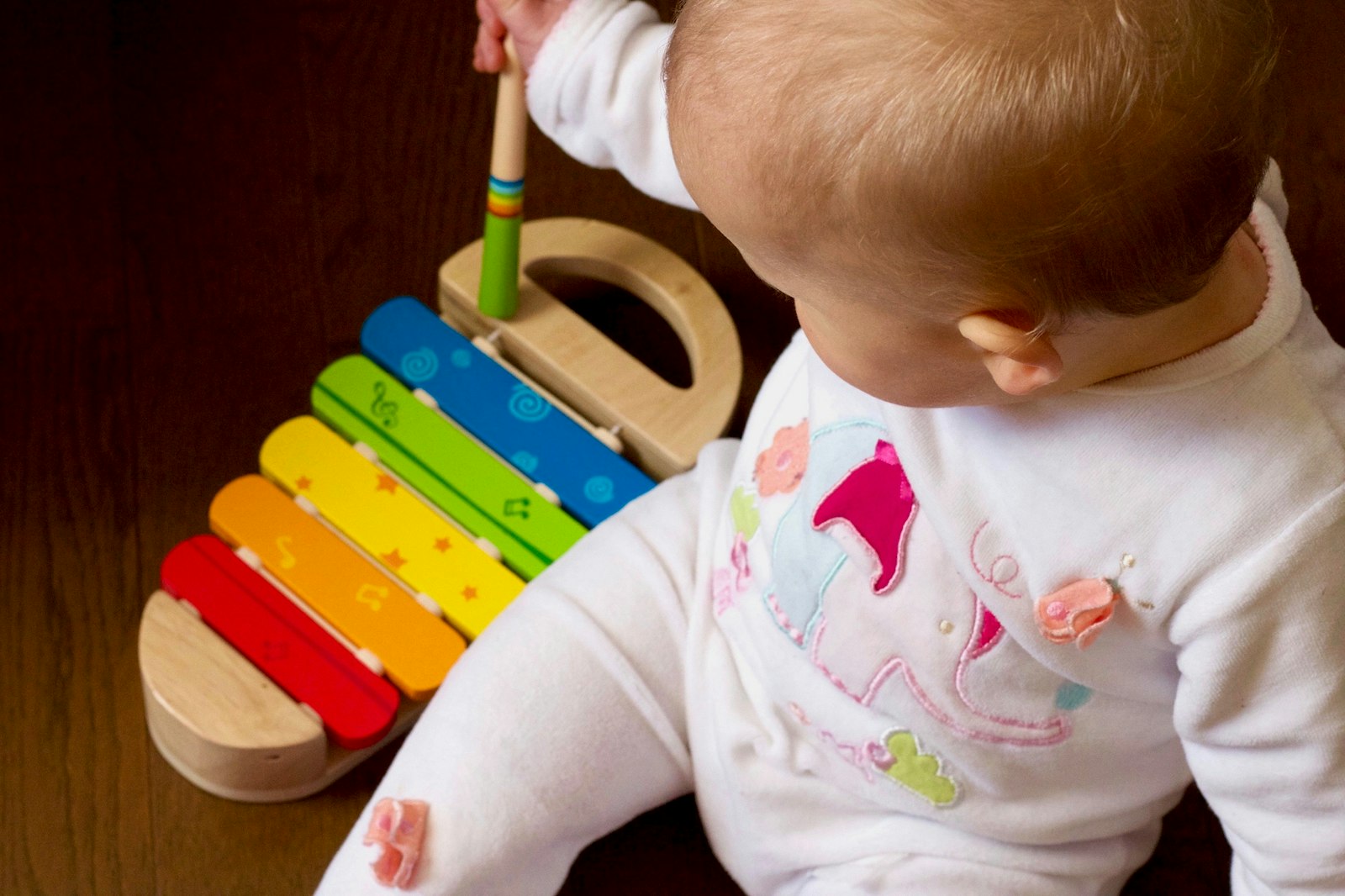
- Fine motor — grasping, reaching, transferring objects hand to hand.
- Language/communication — cooing, babbling, responding to sounds, first words.
- Social/emotional — smiling, recognizing familiar faces, showing preferences.
Why the ranges are so wide
Genetics, birth timing (especially for babies born early), temperament, and simple individual variation all affect the pace of development. A wide "normal" range reflects real biological variation, not imprecise science.
How premature birth shifts the timeline
If your baby was born early, pediatricians typically track milestones against your baby's "adjusted age" — their age counted from the original due date, not the birth date — usually through the first two years. A baby born eight weeks early who isn't yet rolling at four months (by birth date) may be right on track at their two-month adjusted age. This adjustment matters most for gross motor skills and can make milestone charts feel confusing if you're comparing your baby to full-term peers in a playgroup or parenting app. Ask your pediatrician which age they're using at each visit so you're tracking against the right number.
Milestones you can support at home
You can't rush development, but everyday routines give babies more chances to practice emerging skills. Supervised tummy time from the first weeks builds the neck and shoulder strength behind head control and eventual crawling. Narrating your day out loud — even mundane things like "now we're putting on socks" — exposes babies to the sounds and rhythm of language well before they can respond in kind. Placing toys just out of reach (not frustratingly far) encourages reaching, rolling, and eventually scooting toward a goal. None of this replaces a baby's own developmental timetable, but it does give them more opportunities to practice when they're ready.
Regression: when a skill seems to disappear
It can be alarming when a baby who was babbling constantly goes quiet for a week, or a baby who was pulling to stand suddenly stops trying. Short-lived dips are common around illness, teething, a growth spurt, or a change in routine — a baby's energy and focus often go toward whatever feels most urgent at the moment, and a skill that isn't being "practiced" can look temporarily rusty. This is different from a true regression, where a previously mastered skill disappears for an extended stretch with no clear cause. A brief dip tied to being sick or overtired isn't typically concerning; a skill that doesn't come back within a few weeks, or that disappears alongside other changes, is worth mentioning to your pediatrician.
How milestones connect to each other
Development rarely happens in a single lane — skills tend to build on and borrow from each other. A baby working hard on pulling to stand may temporarily babble less, simply because their focus and energy are going toward the physical skill. Sitting independently frees up both hands for reaching and manipulating toys, which is part of why fine motor skills often accelerate once sitting is solid. Recognizing these connections can help explain why progress sometimes looks uneven — a burst in one area, a plateau in another — rather than a smooth, even climb across all categories at once.
When to talk to your pediatrician
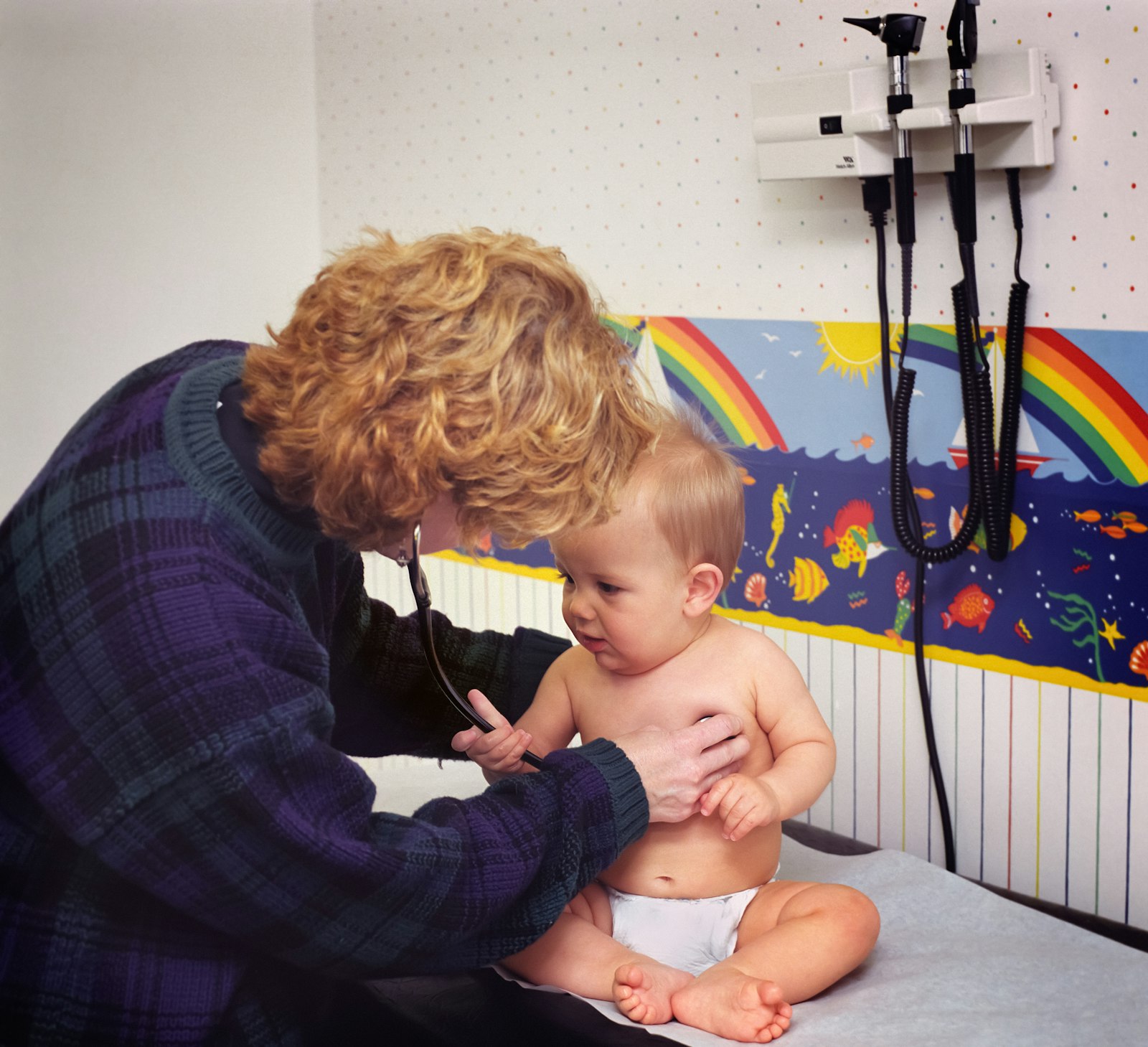
Well-child visits are built around milestone check-ins for exactly this reason — your pediatrician tracks patterns over time, not just a single visit. It's worth raising a concern if your baby seems to be losing a skill they previously had, or is notably behind across multiple categories at once, rather than a single milestone. Bring it up sooner rather than waiting for the next scheduled visit if you notice your baby isn't making eye contact, doesn't respond at all to loud sounds, seems unusually stiff or floppy, or has stopped smiling after previously smiling regularly. The CDC's Learn the Signs. Act Early. milestone checklists are a free, well-regarded reference that many pediatricians point families toward between visits, and they include specific "act early" signs for each age that go beyond a general overview.
The first six months, month by month
At one month, most babies can briefly lift their head during tummy time and will startle at loud sounds, though smiling is usually still reflexive rather than social. By two months, a true social smile tends to show up, along with beginning to follow a face or object with their eyes across the middle of their view. Three-month-olds often push up on their forearms during tummy time, bring their hands together at midline, and make more varied cooing sounds. By four months, many babies laugh out loud for the first time, hold their head steady without support, and may roll from tummy to back. Five-month-olds often reach purposefully for toys and bring everything to their mouth to explore it. By six months, most babies can sit with some support, roll both directions, and babble strings of sounds like "bababa" — though as with every range here, a few weeks either side of any of this is completely ordinary.
Six to twelve months, month by month
Seven-month-olds are often sitting without support and starting to pass objects between their hands. By eight or nine months, many babies are crawling (though some skip it entirely), pulling to stand with support, and responding when their name is called. Ten-month-olds frequently cruise along furniture, use a pincer grasp to pick up small pieces of food, and understand simple words like "no" even before saying any. By eleven or twelve months, many babies take a few independent steps, say one or two clear words like "mama" or "dada" with meaning, and can wave bye-bye or point at things they want. First birthdays are a natural moment to look back at how much changed, but it's worth remembering that walking, talking, and other headline milestones can arrive anywhere from nine to eighteen months and still be entirely typical.
A realistic scenario: two babies, two timelines
Picture two nine-month-olds at the same playgroup. One is already crawling fast, pulling up on the couch, and babbling constantly, while the other is still working on sitting independently and mostly watches quietly. Both are healthy and developing normally. The more mobile baby happens to be strongly motivated by physical exploration and has been getting daily floor time since birth, while the quieter baby is a keen observer whose language skills, it turns out, pull ahead a few months later. Neither pattern predicts long-term ability, and a pediatrician looking at either baby's full history, not just this one snapshot, would likely see two children on two different but equally normal paths. The comparison that matters is your own baby against their own previous visit, not one baby against another in a waiting room.
Common mistakes parents make around milestones
Comparing your baby directly to another baby the same age, rather than to the wide published range, is probably the single most common source of unnecessary worry. Relying only on an app's rigid milestone list, without accounting for adjusted age if your baby was born early, can make a perfectly on-track baby look delayed on paper. Waiting to mention a concern because it feels minor, or because you assume it will resolve on its own, sometimes delays a helpful referral to early intervention services, which tend to work best when started early rather than after a long wait-and-see period. Finally, treating a single missed milestone as a crisis, rather than one data point among many your pediatrician is tracking, can create stress that doesn't actually change the timeline either way.
Myths vs facts about baby milestones
Myth: an early walker will be more physically capable later in childhood. Fact: the age a baby starts walking has not been shown to predict athletic ability or coordination years down the line.
Myth: a baby who talks late is behind overall. Fact: language and motor skills often develop somewhat independently, and a baby who is a late talker but hitting motor and social milestones on schedule is frequently just fine, though persistent language delay is still worth mentioning to your pediatrician.
Myth: milestone charts are precise, evidence-backed cutoffs. Fact: the ranges reflect where most babies fall, not a hard line between normal and abnormal, which is exactly why pediatricians look at trends across several visits rather than a single number.
What to bring up at your baby's next well-check
- Any skill your baby had and seems to have lost, even briefly.
- Being noticeably behind in more than one category at once (motor, language, social).
- Little to no eye contact, or no response to their name by around nine months.
- Your baby's adjusted age, if they were born more than a few weeks early.
- Anything a caregiver, daycare provider, or family member has independently pointed out.
What early intervention actually looks like
If your pediatrician does flag a delay, the next step is usually a referral for an evaluation, not an immediate diagnosis or a label that follows your child forever. In the United States, children under three can typically be evaluated through a state early intervention program at no or low cost, regardless of whether a formal condition is ever identified. Many families find the evaluation itself reassuring, since it either confirms the delay is mild and likely to resolve with some extra support, or connects you with a physical, occupational, speech, or developmental therapist who can start working with your baby right away. Starting this process early tends to make the biggest difference, which is part of why pediatricians would rather see a family raise a borderline concern and be told it's nothing, than wait and lose months of a window where support tends to help the most.
Supporting a baby who learns differently than expected
Not every baby fits neatly into "advanced," "typical," or "delayed." Some babies are intensely physical and motor-focused early on, others are quiet observers whose language or social skills pull ahead first, and still others move in bursts, sitting still for weeks on a skill and then mastering three things in a single week. None of these patterns needs to be corrected, and there's rarely value in pushing a baby toward a skill before they show interest in it. What tends to help across the board is simply giving your baby varied, low-pressure opportunities each day, floor time, being talked to and read to, safe objects to explore, and time with other people, rather than trying to accelerate any one specific milestone.
Can I do anything to speed up a milestone my baby seems behind on?
You can't force a milestone before a baby's nervous system and muscles are ready, but you can create more chances to practice, like extra tummy time, placing toys just out of reach, and narrating your day so your baby hears more language. If a delay persists past a couple of well-checks, ask about an early intervention evaluation rather than relying only on home practice.
Frequently asked questions
What if my baby hits milestones later than the "average" age?
Milestone ranges are intentionally wide, and many healthy babies fall on the later end for a given skill without any underlying concern — your pediatrician tracks patterns across visits, which is more informative than any single milestone.
Should I worry if my baby skips crawling and goes straight to walking?
Not necessarily — some babies skip or shorten certain stages like crawling, and this alone usually isn't a concern. It's worth mentioning at a well-child visit if you're unsure.
What's more concerning than being behind on one milestone?
Losing a skill a baby previously had, or being notably behind across several different categories (motor, language, social) at once, is generally more worth flagging to your pediatrician than a single delayed milestone.