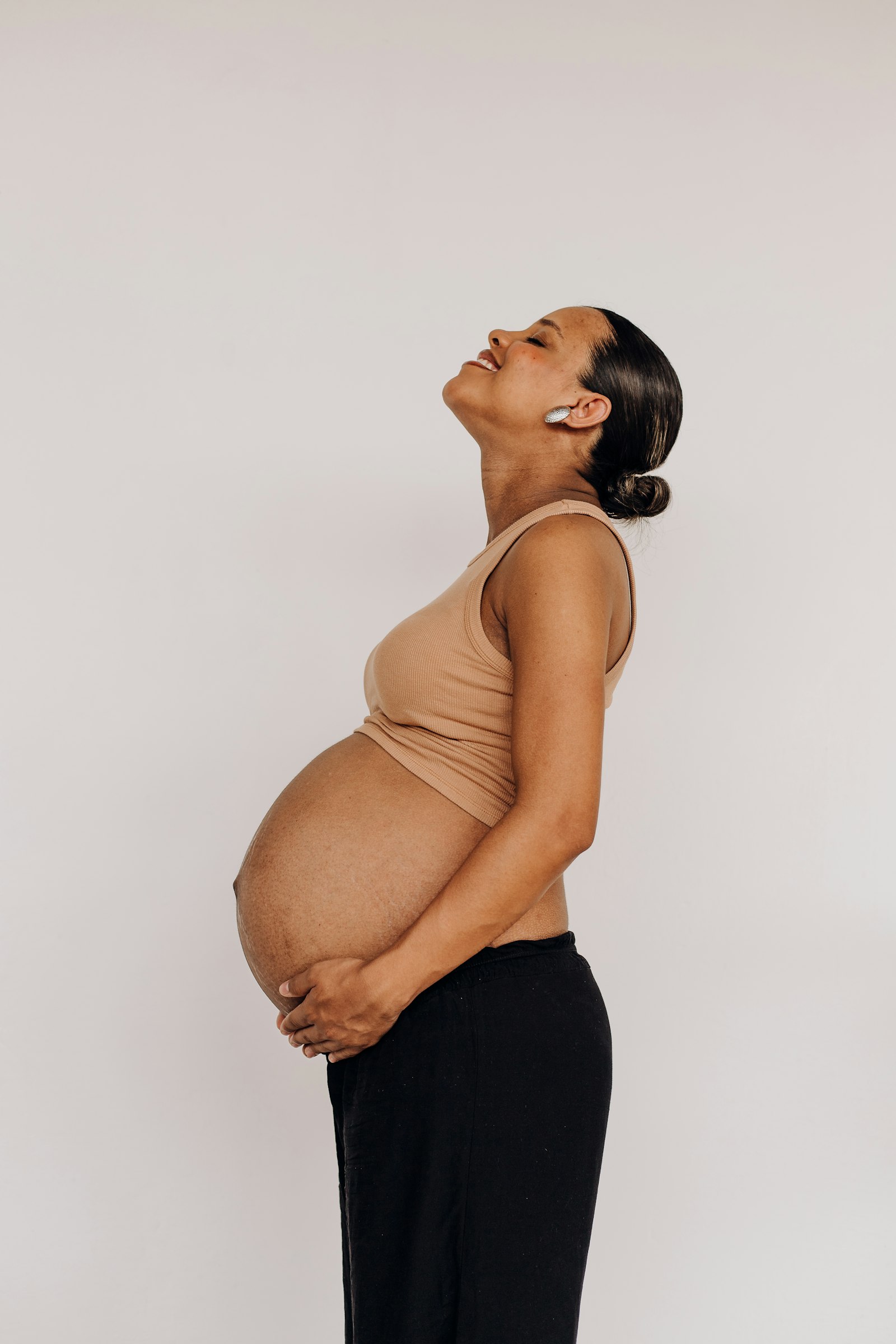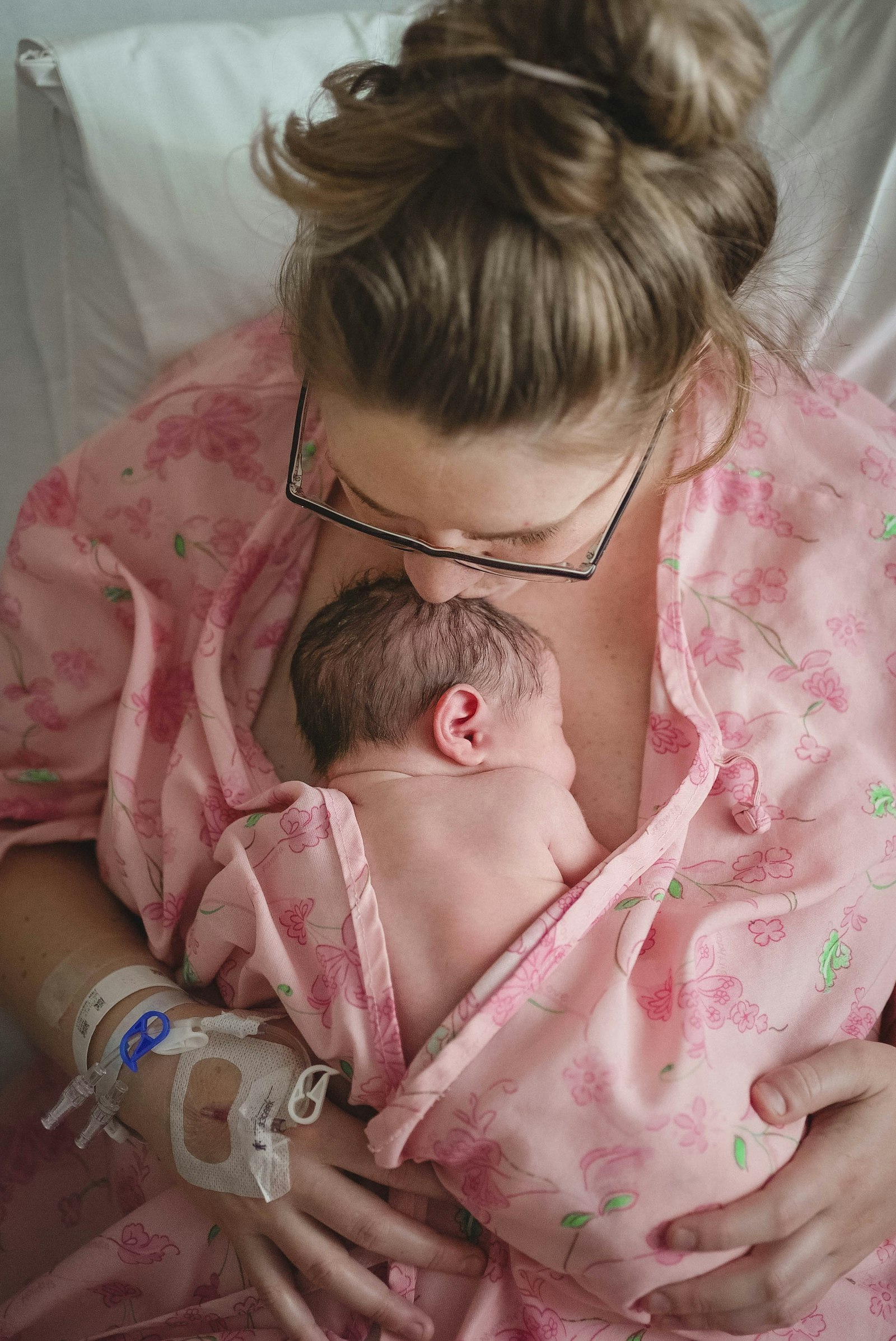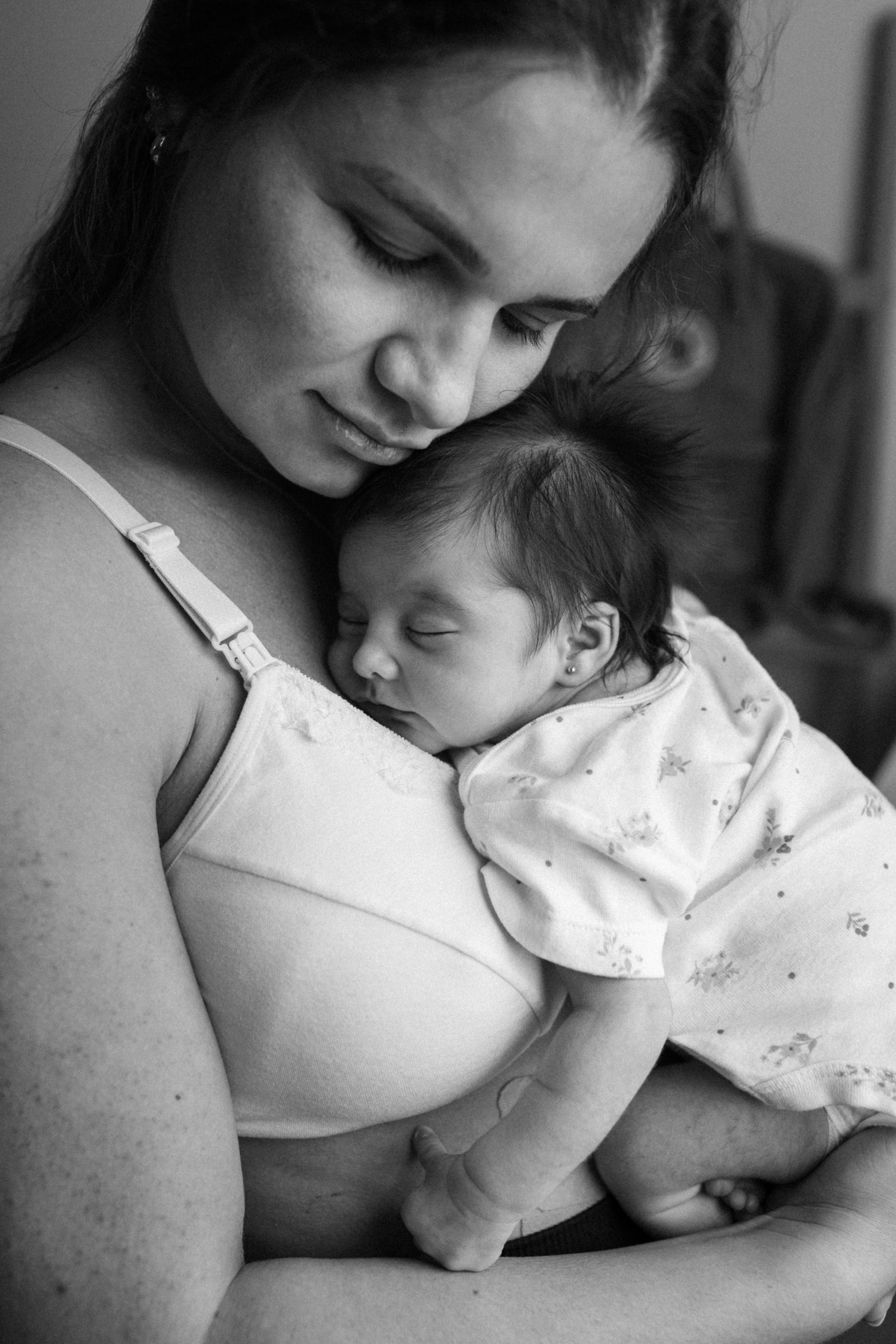
Photo: Unsplash
"Bouncing back" is a phrase worth retiring — pregnancy and birth involve months of significant physical change, and recovery is a gradual process, not a quick reset. A realistic timeline helps set expectations that are actually achievable, and it can also help you recognize when something genuinely needs medical attention rather than more patience.
The first few weeks
Bleeding (lochia), uterine cramping as the uterus shrinks back down, and general soreness are typical in the first couple of weeks. Most providers recommend limiting strenuous activity and heavy lifting during this early window, following your specific discharge instructions. Lochia typically shifts from bright red to pink or brown and then to a lighter color over the course of a few weeks, tapering off gradually rather than stopping abruptly.
Around 6 weeks
The traditional 6-week postpartum checkup is a common milestone for checking healing progress and getting clearance to resume more activities, including exercise — though full recovery, especially for the core and pelvic floor, often continues well beyond this point. This visit is also a good opportunity to raise any lingering concerns, physical or emotional, rather than waiting for them to resolve on their own.
Diastasis recti: checking for ab separation
Many people develop diastasis recti — a separation of the abdominal muscles along the midline — during pregnancy, and it's worth checking for before diving into ab-focused exercise. A simple self-check involves lying on your back, knees bent, and gently pressing fingers along the midline of your belly while lifting your head slightly; a gap of two finger-widths or more is common and often narrows with targeted core rehab (deep core and pelvic floor exercises) rather than crunches, which can actually worsen it. A pelvic floor physical therapist can assess and guide this more precisely than a self-check alone.
Pelvic floor physical therapy
Pelvic floor physical therapy — increasingly recommended as a matter of course after birth in some countries, though still not universally offered in the U.S. — can help with common postpartum issues like urinary leakage, pelvic pressure, or pain during sex. It's not just for people with obvious symptoms; many providers suggest at least one evaluation, since some pelvic floor weakness isn't noticeable until months later, during higher-impact activity like running.
Returning to exercise: a gradual progression
Once cleared at your postpartum checkup, a gradual return usually starts with walking and gentle core/pelvic floor work before progressing to more structured strength training, and higher-impact activities like running are often introduced later still, sometimes with a specific return-to-running protocol. Pain, leaking urine, or a bulging sensation in the abdomen during exercise are signs to scale back and check in with a pelvic floor specialist rather than pushing through.
Belly binding and realistic weight expectations
Postpartum belly wraps or binders are popular, and some people find them comforting for support in the first couple of weeks, but there's limited evidence they meaningfully speed recovery or "shrink" the belly — they're a comfort tool, not a requirement. Similarly, most of the weight lost immediately after birth is the baby, placenta, and fluid; gradual, sustainable loss of any remaining weight over months (not weeks) is both more realistic and safer, especially while breastfeeding, which itself has its own caloric needs.
Months, not weeks
- Hormone levels take time to stabilize, affecting hair, skin, and mood for months.
- Core and pelvic floor strength often takes several months of gradual rebuilding.
- C-section incisions typically take 6-8 weeks for initial healing, longer for full internal healing.
- Breastfeeding-related body changes evolve as feeding patterns change over time.
- Some physical changes (like skin texture or body shape) may be permanent, and that's normal.
Why "bouncing back" isn't a helpful goal
Postpartum recovery is often not linear, and comparing your own timeline to someone else's — especially heavily edited images online — sets an unrealistic bar. Many bodies simply look and feel different after pregnancy permanently, which is a normal outcome, not a failure to "recover."
When to check in with your provider
Heavy bleeding, fever, severe pain, signs of infection at an incision site, or significant mood changes are all reasons to contact your provider before your scheduled follow-up, rather than waiting.
Skin changes after pregnancy
Stretch marks, which develop when skin stretches faster than collagen can keep up, are extremely common and often fade from a reddish or purple tone to a lighter silvery color over a year or more, though they rarely disappear completely. Linea nigra, the dark vertical line that can appear down the abdomen during pregnancy, typically fades within a few months after birth as pregnancy hormone levels drop. Melasma, patches of darker skin sometimes called the "mask of pregnancy," can also linger for months and is worth discussing with a dermatologist if it doesn't fade or bothers you, since some treatments are safe to use once you're no longer pregnant or breastfeeding. None of these changes reflect anything about how well your body is healing; they're simply common cosmetic effects of the pregnancy hormones and skin stretching involved.
Hair loss: a delayed but temporary process
Many people notice significant hair shedding starting around 2 to 4 months postpartum, which can feel alarming since it often happens well after the initial recovery period, when you might have expected things to be improving rather than changing again. This is caused by a drop in pregnancy hormones that had been keeping more hair than usual in its growth phase during pregnancy; once those levels fall, a larger-than-usual number of hairs shift into the shedding phase at once. It typically resolves within 6 to 12 months as hair growth cycles normalize, and while it can feel dramatic, it rarely results in permanent thinning for most people.
Breast changes through the postpartum months
Whether or not you breastfeed, breast tissue changes considerably after birth. Engorgement in the first days as milk comes in, followed by gradual regulation of supply, is typical for breastfeeding parents, while those not breastfeeding usually experience a period of engorgement and discomfort as milk production winds down naturally over one to two weeks. After weaning, whenever that happens, breast size and shape often settle into something different from both the pre-pregnancy and pregnant states, which is a normal, permanent change for many people rather than something that reverses on its own.
Sex and intimacy after birth
Most providers recommend waiting until after the 6-week checkup to resume penetrative sex, allowing time for healing of any tearing, an episiotomy, or a C-section incision, though the right timing is genuinely individual and not a race to hit a specific date. Vaginal dryness, especially while breastfeeding due to lower estrogen levels, discomfort from scar tissue, and simple exhaustion are all common reasons intimacy takes longer to feel comfortable again than a calendar date might suggest. Using a lubricant, communicating openly with a partner, and not pressuring yourself to feel "ready" on any particular timeline all help. If pain during sex persists beyond a few months, a pelvic floor physical therapist or your provider can help identify and treat the underlying cause rather than assuming it's something you simply have to live with.
Mental and emotional recovery alongside the physical
Physical healing gets most of the attention in postpartum recovery conversations, but emotional recovery is just as real and often takes just as long, if not longer. Mood swings, anxiety, and a sense of identity shift are common in the weeks and months after birth, separate from (though sometimes overlapping with) postpartum depression or anxiety, which are more persistent conditions that benefit from treatment. See our guide on postpartum mood changes for a fuller look at what's typical versus what warrants professional support.
A realistic month-by-month overview
What tends to happen and when, in broad strokes:
- Weeks 1 to 2: Bleeding, soreness, and basic wound or incision healing dominate. Rest is the main job.
- Weeks 3 to 6: Bleeding tapers off, energy slowly improves, and the 6-week checkup typically brings clearance for more activity.
- Months 2 to 4: Hair shedding often starts, core and pelvic floor rehab can ramp up if cleared, and hormone-driven mood shifts continue to settle.
- Months 5 to 12: Most physical systems are largely back to a new normal, though pelvic floor strength, some skin changes, and body composition can keep evolving throughout the year.
Nutrition to support healing, not just weight loss
Postpartum nutrition is often framed entirely around losing baby weight, which sidelines what your body actually needs during this window: real physical repair. Protein supports tissue healing, particularly relevant after a C-section or significant tearing, while iron helps rebuild blood volume lost during delivery, and calcium and vitamin D matter for bone health, especially if breastfeeding. Continuing a prenatal vitamin, or switching to a postnatal formula, through at least the first few months postpartum is commonly recommended, and adequate hydration and calorie intake matter more than restriction during a period when your body is doing significant repair work on top of caring for a newborn.
C-section recovery within this broader timeline
If you had a C-section, your recovery timeline overlaps with but adds to everything else described here: incision healing, core rehab that has to work around abdominal surgery rather than just vaginal delivery, and often a slightly slower return to exercise clearance. See our full guide on what to expect with a C-section for more detail on incision care and the specific recovery milestones that apply.
Comparing your recovery to someone else's isn't useful
Genetics, the number of prior pregnancies, birth complications, age, and simple individual variation all affect how quickly and completely different aspects of postpartum recovery happen. Two people who had similar deliveries can have meaningfully different recovery timelines for reasons that have nothing to do with effort or how "well" either of them is doing. Following your own provider's specific guidance and paying attention to your own body's signals is a more useful compass than comparing your six-week mark to anyone else's, including someone posting about their own experience online.
Sleep deprivation and physical recovery
It's worth naming directly that chronic sleep deprivation slows physical healing generally, not just in postpartum recovery specifically, since the body does much of its repair work during deep sleep. This creates a frustrating cycle for new parents: the very thing that would help you heal faster is often the hardest thing to get more of with a newborn in the house. Taking whatever short naps or rest breaks are available, splitting nights with a partner where possible, and accepting help so you can sleep are not luxuries in this context; they're a meaningful part of the recovery process itself, not separate from it.
Frequently asked questions
How long does postpartum recovery actually take?
Initial healing is often assessed around the 6-week mark, but full recovery — especially core and pelvic floor strength, and hormone stabilization — commonly continues for several months to a year, and some changes may be permanent.
Is it normal for my body to look different permanently after pregnancy?
Yes — many people notice lasting changes in body shape, skin, or other areas, and this is a normal outcome of pregnancy and childbirth, not a sign that something went wrong with recovery.
When should I contact my provider during postpartum recovery?
Heavy bleeding, fever, severe pain, signs of infection, or significant mood changes are reasons to reach out before your scheduled follow-up appointment rather than waiting.
Is hair loss after pregnancy permanent?
No, postpartum hair shedding is temporary for the vast majority of people, typically resolving within 6 to 12 months as hormone levels and hair growth cycles return to a non-pregnant pattern.
When is it safe to have sex again after birth?
Most providers recommend waiting until after your 6-week checkup confirms healing, but comfort and readiness vary a lot by person. There's no need to rush to hit a specific date if you're not feeling ready.