Photo: Unsplash
Whether planned in advance or decided during labor, a C-section is a major abdominal surgery with its own recovery process worth understanding ahead of time.
Why C-sections happen
Some are planned in advance (breech position, placenta previa, a prior C-section, multiples), while others are decided during labor (stalled labor progress, fetal distress, an emergency). Both are medically valid reasons, not signs anything went "wrong" with the pregnancy itself.
What the procedure typically involves
- Regional anesthesia (spinal or epidural) in most cases, meaning you're awake for the birth.
- A horizontal incision, low on the abdomen, in the large majority of cases.
- The delivery itself typically takes just a few minutes; the full surgery closer to 45–60 minutes.
Preparing for a planned C-section
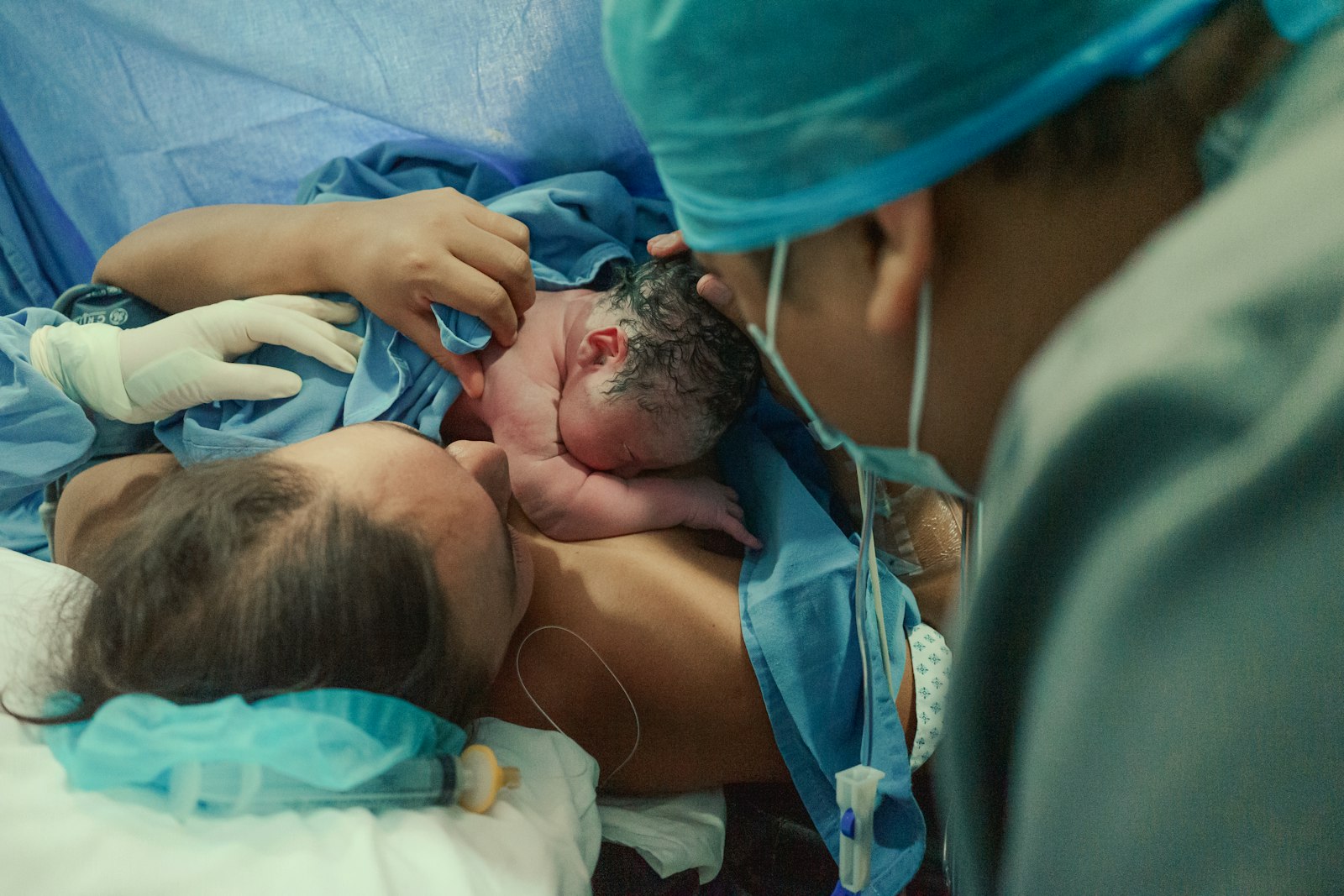
A scheduled C-section usually involves a pre-op appointment in the days beforehand to review anesthesia, confirm bloodwork, and go over any specific instructions, like fasting the night before. Most hospitals allow a support person in the operating room once anesthesia is placed, and many will accommodate requests like a clear surgical drape or immediate skin-to-skin if you and the baby are both stable — worth raising with your surgical team in advance rather than assuming.
What happens in the operating room
After anesthesia takes effect, a drape is typically raised at chest height, a catheter is placed to keep your bladder empty during surgery, and your abdomen is cleaned and prepped. You'll likely feel pressure and tugging sensations but shouldn't feel sharp pain once the anesthesia is working. The baby is usually delivered within the first several minutes, after which the team continues closing the incision in layers — this closing process takes considerably longer than the delivery itself.
Pain management in the days after
Post-op pain is managed with a combination of medications, often starting with stronger options in the hospital and transitioning to over-the-counter pain relievers as you're discharged. Moving around — even slowly and with help — is usually encouraged early on, since it can reduce the risk of blood clots and actually speeds recovery of bowel function, even though it feels counterintuitive right after surgery.
Watching the incision for infection
Some redness, swelling, and mild drainage right around the incision are normal in the first days. Signs that go beyond normal healing — increasing redness spreading outward, pus or foul-smelling discharge, a fever, or the incision opening — should be reported to your provider promptly, since surgical site infections need treatment rather than home monitoring.
Processing an unplanned C-section emotionally
For people who had planned or hoped for a vaginal birth, an unplanned C-section can bring up real grief, disappointment, or a sense of having "missed out," even alongside relief that the baby arrived safely. These feelings are valid and common, and they don't mean you're ungrateful — talking them through with a provider, therapist, or postpartum support group can help, especially if they linger or intensify into symptoms of postpartum depression.
Recovery timeline
| Timeframe | What's typical |
|---|---|
| Hospital stay | Usually 2–4 days |
| Basic mobility | Walking, with help, within a day |
| Driving/lifting restrictions | Often 2–6 weeks, per your provider |
| Full recovery | Commonly 6–8 weeks |
Common questions about recovery
Incision care, managing pain, and gradually resuming activity are the main focuses of early recovery. Most providers give specific restrictions on lifting (often nothing heavier than the baby) and driving until cleared at a follow-up visit.
Day-by-day recovery, in plain terms
Recovery is not a straight line, but most people move through a fairly predictable arc. Knowing roughly what to expect on each day can make the process feel less alarming when something new comes up.
What a typical recovery looks like:
- Day 0 to 1: Catheter is usually removed within 12 to 24 hours, and a nurse or physical therapist will help you stand and take your first short walk.
- Day 1 to 3: Pain medication shifts from IV to oral. Gas pain from the surgery itself is often more uncomfortable than the incision, and walking helps move it along.
- Day 3 to 7 (discharge and just after): You're home, still sore, and moving slowly. Stairs, getting out of bed, and laughing or coughing all remind you that your core muscles were involved in the surgery.
- Week 2 to 4: The incision line is closing and may itch as it heals. Energy is still limited. Most providers still restrict driving and lifting anything heavier than the baby.
- Week 6 to 8: A postpartum checkup usually clears you for exercise, driving without restriction, and, if you want it, sex. Full internal healing can continue for months past this point, even once you feel back to normal.
Types of incisions and what they mean for you
Most C-sections use a low transverse (horizontal, "bikini line") incision on the abdomen, and it's independent of the uterine incision made to deliver the baby, which is usually also horizontal and low. In rare situations, like an extremely premature baby or one in an unusual position, a vertical incision on the uterus may be needed instead. This distinction matters mainly for future pregnancies: a low transverse uterine incision is generally considered compatible with attempting a vaginal birth later, while a vertical (classical) uterine incision usually is not, because of a higher risk of uterine rupture in labor. Your operative report, not just what you can see on your skin, is what documents which type you had, so it is worth asking your provider directly and keeping a copy for future reference.
Vaginal seeding and other myths worth clearing up
A few ideas about C-sections circulate widely but do not hold up well. "Vaginal seeding," where a swab from the vaginal canal is wiped on a C-section baby's skin or mouth in hopes of transferring beneficial bacteria, is not currently recommended by major medical organizations like the American College of Obstetricians and Gynecologists (ACOG), because it can also transfer harmful bacteria and the benefits remain unproven. Another myth is that C-section babies are automatically more prone to allergies or asthma; the research on birth mode and long-term immune outcomes is genuinely mixed and far less dramatic than social media sometimes suggests. And the idea that you "didn't really give birth" if you had a C-section is simply false: labor, surgery, and recovery are all real, physically demanding parts of bringing a baby into the world.
Breastfeeding and bonding after a C-section
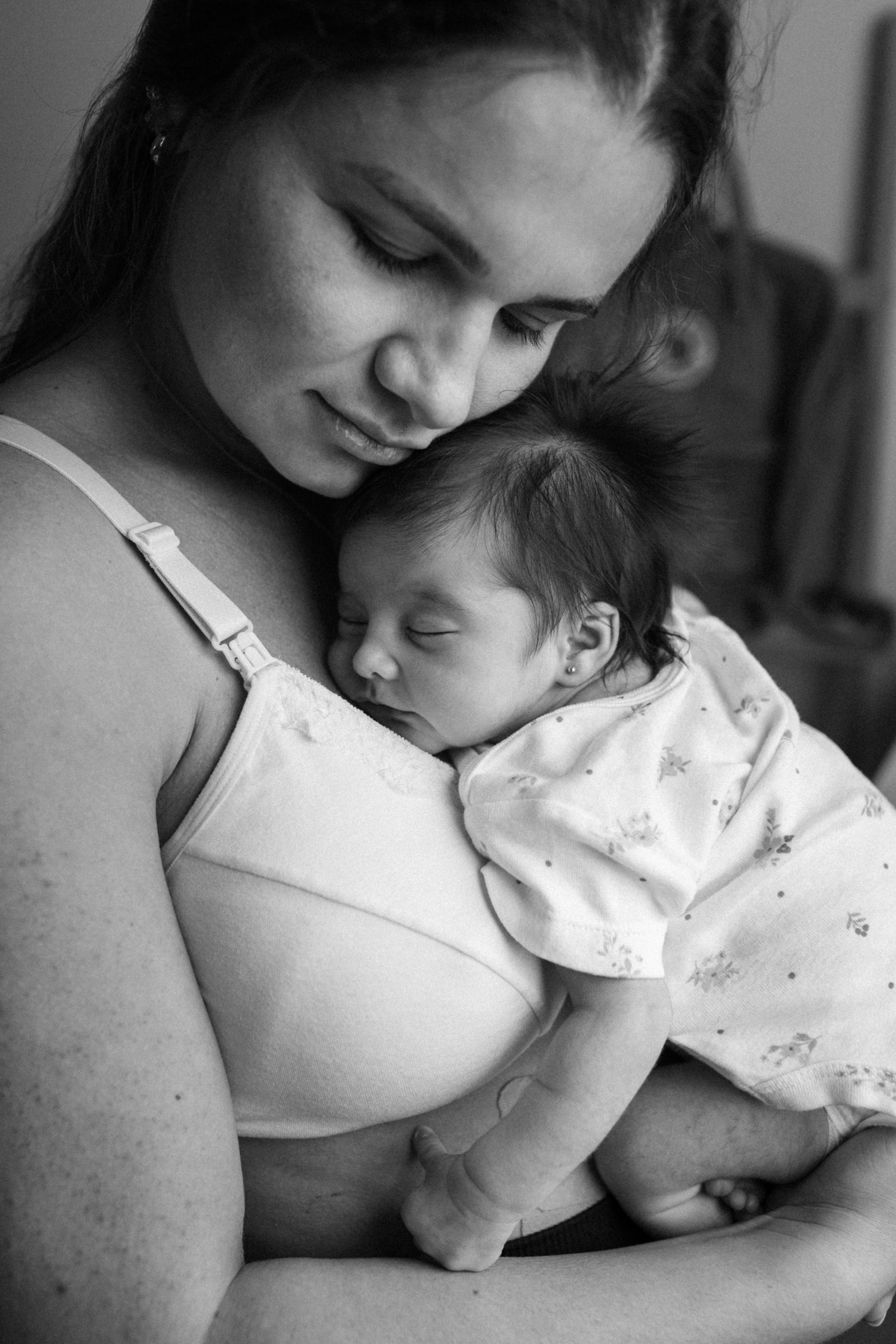
A C-section does not prevent breastfeeding, though the first latch may take a little longer to arrange, especially if you're still numb from the waist down or recovering from anesthesia grogginess. Positions that keep the baby's weight off your incision, like the football hold or side-lying, are usually more comfortable than the classic cradle hold in the first couple of weeks. Skin-to-skin contact can often start in the operating room or very shortly after, even for an unplanned C-section, if both you and the baby are medically stable, and it's worth asking your team about this ahead of time if it matters to you. Some new parents worry that surgery delays bonding; in practice, most people find the connection builds the same way it does after any birth, just alongside a longer physical recovery.
Caring for a C-section scar months later
Once the incision has fully closed, usually by around six weeks, the scar itself keeps changing for months. It's common for the area just above the scar to feel numb or oddly sensitive for a year or more, since some nerve endings were cut during surgery, and this can improve slowly but not always disappear completely. A ridge or slight overhang of skin above the scar (sometimes called a "C-section shelf") is common and mostly a matter of tissue healing and scar tissue, not something you did wrong. Gentle scar massage, once the incision is fully closed and your provider has cleared it, may help with tightness and reduced sensation for some people, though evidence on how much it helps varies. Persistent pain, a lump under the scar, or the scar pulling and catching on clothing are worth mentioning at a follow-up visit rather than assuming they're just part of normal healing.
When to call your provider after discharge
Contact your provider promptly if you notice:
- A fever over 100.4°F (38°C)
- Increasing redness, swelling, or warmth spreading from the incision
- Pus, a foul odor, or the incision opening or separating
- Heavy vaginal bleeding, soaking a pad in an hour, or large clots
- Severe or worsening abdominal pain that isn't controlled by your prescribed pain medication
- Calf pain, swelling, or redness, which can signal a blood clot
- Chest pain, shortness of breath, or a racing heartbeat
- Thoughts of harming yourself, or feelings of hopelessness that don't lift
Most postpartum units also give you a direct phone line for exactly this reason, and using it for something that turns out to be minor is always better than waiting out something that isn't. Per the American College of Obstetricians and Gynecologists, postpartum care should include ongoing contact with your provider, not just the six-week visit, especially in the first two weeks.
Planning for a future pregnancy after a C-section
If you're considering more children, it's worth discussing your specific surgery with your provider well before you conceive again, not just at your next pregnancy's first appointment. Factors like the type of uterine incision, how many C-sections you've had, and how your body healed all influence whether a trial of labor after cesarean (TOLAC) aiming for a VBAC is a reasonable option, or whether a repeat C-section is recommended. Spacing between pregnancies also matters for incision healing; many providers recommend waiting at least 18 months between a C-section and a subsequent delivery, though individual circumstances vary.
Getting practical help at home
Recovering from major abdominal surgery while caring for a newborn is a lot to manage at once, and it helps to plan for extra hands before the baby arrives rather than scrambling for them afterward. A rolling cart or basket by the couch or bed can hold diapers, wipes, water, and snacks so you're not constantly bending or reaching. Consider setting up a "recovery station" on each floor of your home if you have stairs, since climbing them repeatedly in the first week or two can be genuinely tiring. Partners, family members, or a postpartum doula can take over lifting, laundry, and meal prep, all of which put strain on healing abdominal muscles. It's also reasonable to ask visitors to keep things short in the early weeks; managing a stream of well-meaning guests on top of recovery and a newborn's needs can be its own source of exhaustion.
Multiple C-sections: what changes
Each additional C-section tends to come with a somewhat longer recovery and a slightly higher chance of complications like scar tissue (adhesions) that can make the surgery more complex technically, even though the procedure itself follows the same basic steps. Many people go on to have three, four, or more C-sections safely, but providers do weigh the cumulative risks when discussing family planning, particularly around placental complications in future pregnancies. If you're planning multiple children and had a C-section with your first, this is a reasonable topic to raise proactively with your provider rather than waiting until a future pregnancy is already underway.
Frequently asked questions
Can I have a vaginal birth after a C-section (VBAC)?
Many people can, depending on the reason for the prior C-section and other factors — this is a conversation to have with your provider well before your next delivery.
Is a C-section a "harder" way to give birth?
It's a different kind of hard — major surgery with its own real recovery — not an easier shortcut, and not a lesser birth experience. Both vaginal and C-section deliveries bring your baby into the world.
How much blood loss is normal during a C-section?
A C-section typically involves more blood loss than a vaginal birth, on average around twice as much, which is one reason your care team monitors your blood counts closely afterward. Most people don't need a transfusion, but it's discussed as a possibility beforehand as a routine precaution.
Will I be able to feel anything during the surgery?
With regional anesthesia, you should not feel sharp pain, but pressure, tugging, and pulling sensations during delivery are normal and expected. If you feel actual pain rather than pressure, tell your anesthesiologist right away so they can adjust your medication.