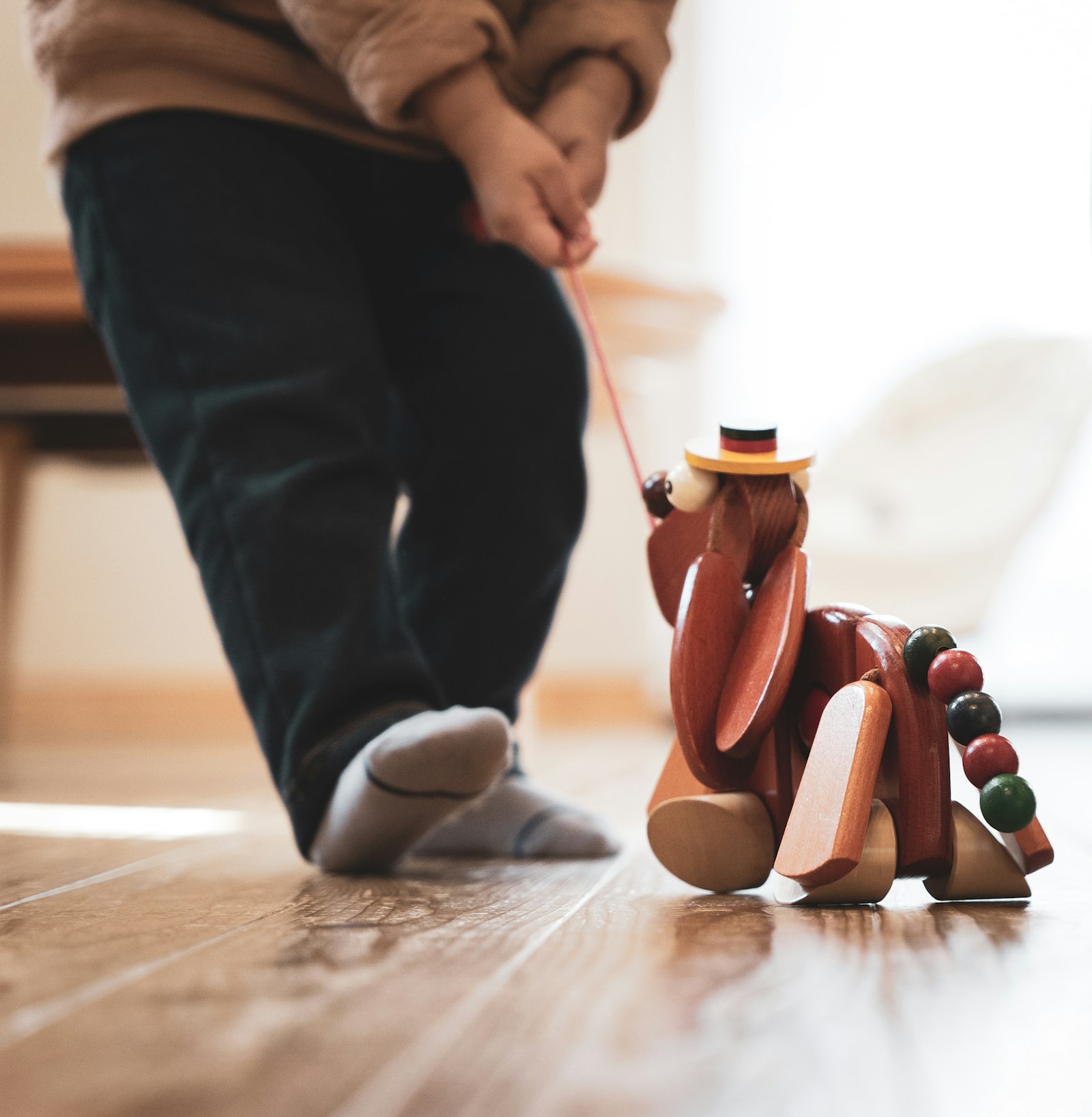
Photo: Unsplash
Separation anxiety can feel like it comes out of nowhere — a toddler who was fine being handed off to a caregiver last month is suddenly clinging and crying at every goodbye. It's a normal developmental stage, not a step backward.
Why separation anxiety happens
As toddlers develop object permanence — understanding that people and things still exist even when out of sight — they also become more aware of just how much they rely on their primary caregivers, which can make separations feel bigger and scarier than before.
When it typically peaks
Separation anxiety often appears around 8-9 months, and commonly has a second, more intense wave between 12 and 24 months as independence and attachment both grow at the same time. It usually eases by preschool age, though the timeline varies a lot by child.
What helps at drop-off
- Keep goodbyes short, warm, and consistent — a quick hug and a clear "I'll be back" works better than a long, drawn-out goodbye.
- Build a simple goodbye ritual (a special wave, a phrase) that becomes familiar and reassuring.
- Avoid sneaking away without saying goodbye — it can undermine trust once discovered.
- Stay calm yourself; toddlers pick up on parental anxiety.
- Give advance notice of an upcoming separation when possible, rather than a surprise handoff.
Building confidence over time
Consistent, predictable routines and reliable caregivers help a toddler learn that separations are temporary and safe. Practicing shorter separations, and following through on when you said you'd return, builds trust that compounds over weeks and months.
When to mention it to your pediatrician
Most separation anxiety is developmentally typical and fades with time. It's worth mentioning to your pediatrician if it's extreme, doesn't improve as your child gets older, or significantly interferes with daily activities like attending daycare or school.
How new environments and transitions can reignite it
A toddler who had settled into easy drop-offs can suddenly regress after a change that seems unrelated on the surface — a new sibling, a house move, starting a new daycare room, or even a parent returning from travel. These transitions temporarily heighten a toddler's need for reassurance about their primary attachments, and separation anxiety is often one of the first places that extra need for security shows up. This isn't a failure of whatever progress you'd made before; it's a normal, temporary spike that usually settles again once the new routine feels familiar, typically within a few weeks.
Nighttime separation anxiety looks different from daytime
Bedtime and night wakings are a common — and often overlooked — place where separation anxiety shows up, sometimes even in toddlers who handle daytime drop-offs fine. Falling asleep requires a toddler to be separated from a caregiver during exactly the hours their brain is winding down and more prone to worry, which is part of why bedtime resistance and 2 a.m. calls for a parent often spike at the same ages separation anxiety peaks during the day. A consistent, calm bedtime routine — same steps, same order, every night — provides the same kind of predictability that helps with daytime goodbyes, and gradually increasing the distance between where you sit and the crib or bed over successive nights can help a toddler build confidence falling asleep with less direct contact.
Supporting the caregiver on the other side of the goodbye
Separation anxiety is often framed entirely around the toddler, but the parent's own reaction plays a real role in how it plays out. Lingering at drop-off out of your own guilt, returning repeatedly for "one more hug," or checking in anxiously by phone can unintentionally signal to a toddler that there's something to worry about, even when your intent is comfort. It's normal for a parent to feel guilty or sad watching a child cry at drop-off — that feeling doesn't need to be suppressed, just not acted out in the handoff itself. Many parents find it helps to have their own brief post-goodbye ritual (a text to the caregiver a few minutes later, a coffee routine) that manages their own anxiety without extending the goodbye itself.
Distinguishing typical separation anxiety from something more persistent
Ordinary separation anxiety, even at its most intense, still allows a toddler to settle within a reasonable window after a caregiver leaves — often minutes, sometimes a bit longer on a hard day — and doesn't usually show up as pervasive worry outside of separations themselves. Persistent, intense distress that doesn't ease at all over the course of a normal daycare or school day, physical symptoms like stomachaches specifically tied to anticipating separation, or anxiety that has started limiting a family's activities (avoiding outings, sleepovers, or activities entirely to prevent any separation) are patterns worth discussing with your pediatrician, who can help distinguish typical developmental anxiety from something that might benefit from additional support. The American Academy of Pediatrics has more on typical attachment and separation milestones at HealthyChildren.org.
Strategies for different separation settings
Not every goodbye looks the same, and a strategy that works well for daycare drop-off might not translate directly to a night away with grandparents.
- Daycare or preschool. A consistent morning routine leading up to drop-off, arriving with enough time to avoid a rushed goodbye, and handing off directly to a familiar teacher rather than lingering near the door all reduce the length and intensity of the protest.
- A new babysitter or occasional caregiver. Having the sitter arrive fifteen minutes before you leave, so your toddler sees you together and comfortable, before you actually walk out, tends to ease first-time or occasional separations more than leaving the moment the sitter arrives.
- Overnight stays with relatives. Sending a familiar comfort item, sticking as closely as possible to the usual bedtime routine, and doing a practice call or video chat before bed can all help, especially the first few times.
- Medical appointments or hospital stays. When a parent truly cannot stay through a procedure, a clear, honest, age-appropriate explanation beforehand, rather than a surprise disappearance, tends to preserve trust even though the separation itself is unavoidable.
Giving your toddler their own tools
Beyond what a parent does at the goodbye itself, toddlers benefit from having something of their own to lean on during the separation. A small object that smells like home, a family photo tucked into a backpack, or a simple phrase they can repeat to themselves ("mommy always comes back") gives a toddler an active way to cope rather than just passively enduring the wait. Practicing short separations on purpose, like a few minutes in another room at home with a trusted relative watching, before facing a longer real-world separation, also builds the skill gradually rather than asking a toddler to handle a big jump all at once.
A real-life scenario
A two-year-old who has handled daycare drop-off calmly for months suddenly starts crying and clinging every morning after a new baby arrives at home. The parent keeps the same short, warm goodbye ritual, resists the urge to linger out of guilt, and makes a point of carving out a few minutes of one-on-one time with the toddler each evening. Within about two weeks, drop-offs are back to their previous ease. The regression wasn't a step backward; it was a temporary response to a genuinely big change in the toddler's sense of security, and it resolved once the new routine felt stable.
Myths worth clearing up
"Separation anxiety means my child is too attached to me" isn't accurate. It is a sign of a healthy attachment, not an unhealthy one; toddlers who show little to no distress at separation from a primary caregiver aren't necessarily more independent, they may simply have a different temperament or less awareness at that particular age.
"If I just avoid separations until my toddler grows out of it, that's easier for everyone" tends to backfire. Toddlers generally build confidence around separation through repeated, manageable practice, not through avoidance. A toddler who never practices short, safe separations often finds a longer or less familiar one, like starting preschool, considerably harder when it eventually becomes unavoidable.
"A toddler who cries at drop-off will cry the whole day" is usually not the case either. Most toddlers settle within a few minutes to half an hour once the parent is actually out of sight, even if the goodbye itself is dramatic. Checking in with the caregiver later in the day, rather than assuming the worst from the goodbye alone, usually gives a more accurate picture.
Common mistakes that make separations harder
A handful of well-meaning habits tend to prolong separation anxiety rather than ease it, even when the intention behind them is entirely loving.
- Making the goodbye longer to compensate for guilt. Extra hugs, repeated returns to say "one more goodbye," or lingering by the door after already saying goodbye extends the window in which a toddler's anxiety can build, rather than shortening it.
- Testing whether a toddler is watching before actually leaving. Pausing at the door to see how upset they get, then coming back if the crying escalates, teaches a toddler that more crying can bring a parent back, which reinforces the exact behavior that makes goodbyes harder over time.
- Promising something untrue to smooth the moment. Saying "I'll be right back" when the separation will actually last hours erodes trust once a toddler notices the mismatch, and tends to make the next goodbye more anxious, not less.
- Comparing a toddler's reaction to another child's. Some toddlers are simply more sensitive to separation by temperament, and treating that as a problem to fix quickly, rather than a normal variation, adds pressure without actually helping.
How siblings experience separation anxiety differently
Separation anxiety doesn't look identical across children in the same family, even with the same parenting approach applied consistently. A more cautious or sensitive child may need a longer, more gradual introduction to a new caregiver or setting, while a more adaptable sibling might settle into the same drop-off within days. This isn't a sign that one approach worked better than the other; it usually reflects genuine differences in temperament. Parents sometimes worry unnecessarily when a second child's reaction to daycare or a babysitter doesn't match the first child's timeline, but a slower adjustment on its own is not a red flag, just a different pace. Comparing notes with other parents can be reassuring, but it is worth remembering that the range of typical is genuinely wide here, and a child settling into new separations over a few weeks is just as normal as one who adjusts within a couple of days.
Frequently asked questions
At what age is separation anxiety most intense?
It commonly peaks between 12 and 24 months, though it can start around 8-9 months and typically eases by preschool age — the exact timeline varies quite a bit from child to child.
Is it better to sneak away without saying goodbye?
Most child development guidance recommends against this — a short, consistent goodbye tends to build more trust over time than disappearing without warning, even though the goodbye itself might be harder in the moment.
Does separation anxiety mean something is wrong?
No — it is a normal part of toddler development tied to growing awareness of attachment. It is worth discussing with your pediatrician only if it is extreme, does not improve with age, or significantly disrupts daily life.
Why did separation anxiety come back after months of easy drop-offs?
A new sibling, a house move, a new caregiver, or any big change at home can temporarily reignite separation anxiety even after a toddler had settled into easy goodbyes. This is a normal, temporary response to change and usually eases again within a few weeks.
Will my toddler cry all day after I leave?
Usually not. Most toddlers settle within a few minutes to half an hour once their caregiver is out of sight, even when the goodbye itself is intense. Checking in with the caregiver later in the day tends to give a more accurate picture than assuming the worst.