Photo: Unsplash
Packing a hospital bag ahead of time takes one less thing off your plate when labor starts — which can happen faster, or at a more inconvenient hour, than you'd expect. Most people pack around 36 weeks, just to be safe, and a little planning now saves a scramble later when contractions are already the main thing on your mind.
For you
- Insurance card, ID, and hospital paperwork or birth plan copies.
- Comfortable robe or nightgown, and a going-home outfit (looser than pre-pregnancy clothes).
- Toiletries: toothbrush, hairbrush, lip balm, hair ties.
- Phone charger — a long cord or portable battery is handy.
- Nursing bra and pads, if you plan to breastfeed.
- Comfortable slippers or non-slip socks.
- Snacks for after delivery, and anything that helps you relax (music, a pillow from home).
For your partner or support person
- A change of clothes and basic toiletries.
- Snacks and a water bottle — hospital cafeterias have limited hours.
- Phone charger and any entertainment for a potentially long wait.
- Cash or cards for parking and vending machines.
- A pillow, if they plan to stay overnight.
For baby
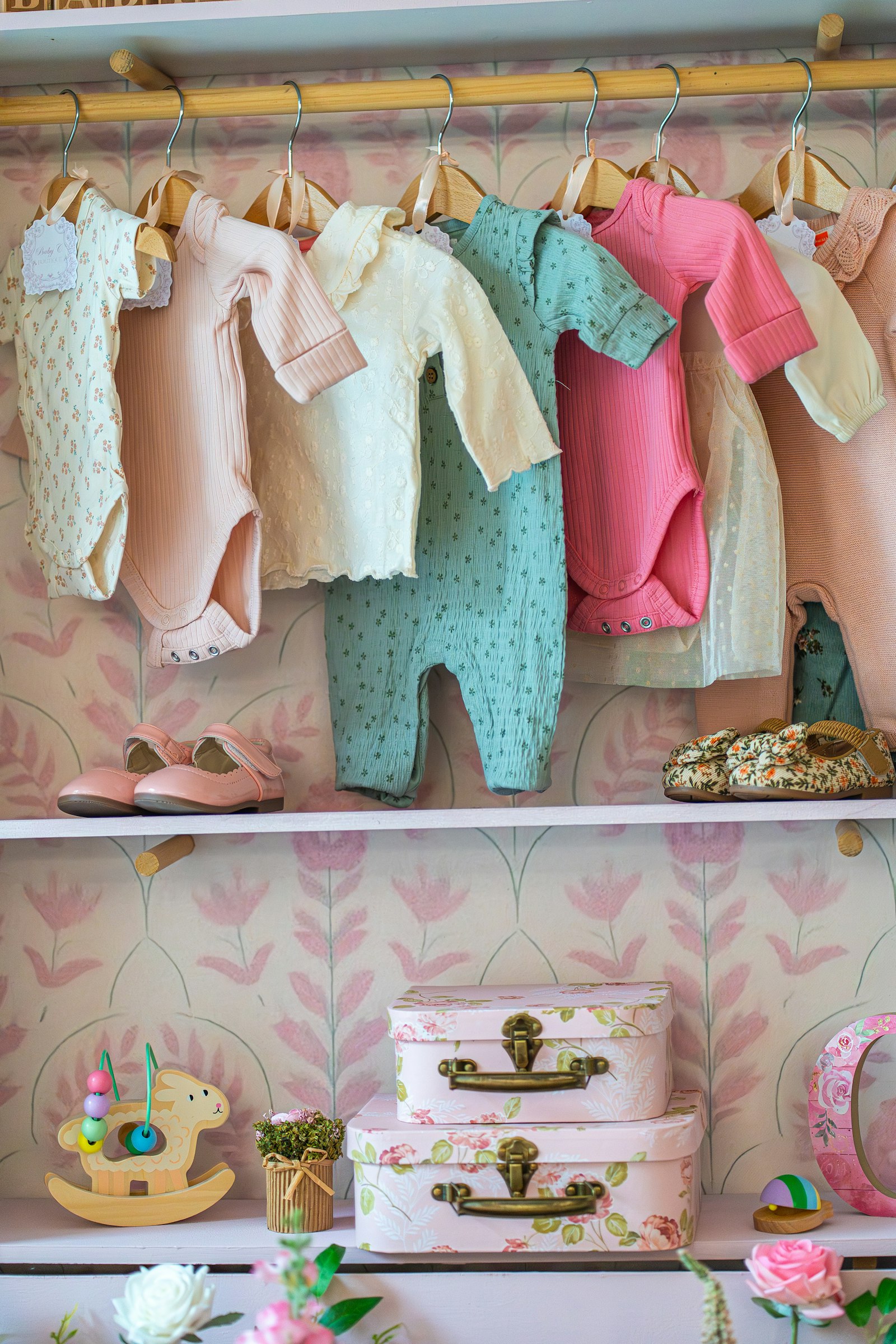
- A going-home outfit in newborn and 0-3 month sizes (you won't know the fit until they arrive).
- A swaddle blanket or two.
- An installed, inspected infant car seat — most hospitals require one before discharge.
- Hospitals typically provide diapers, wipes, and basic newborn care items for the stay.
Comfort items for active labor
It's worth packing a small separate labor-day bag with items you might want during contractions rather than after — a portable speaker or headphones for a labor playlist, your own pillow (a labeled pillowcase helps hospital staff tell it apart from theirs), lip balm and a hair tie, a phone with photos or videos already downloaded in case Wi-Fi is spotty, and, if your birth plan includes it, a birthing ball or a TENS unit if you're bringing your own.
Pre-registering and paperwork ahead of time
Many hospitals allow pre-registration a few weeks before your due date, which fills out much of the admission paperwork in advance so you're not doing it between contractions. It's also worth confirming which insurance documents, ID, and any printed birth plan copies you'll want on hand, and keeping digital photos of key documents on your phone as a backup in case the physical copies get misplaced in the flurry of activity.
Packing for the possibility of a C-section
Even with a vaginal delivery planned, it's worth packing a couple of items in case of an unplanned C-section: high-waisted, loose underwear that won't rub against an incision, and a button-down or zip-front top that's easier to manage with abdominal soreness and IV lines than something you have to pull over your head.
Feeding-specific items
If you're planning to breastfeed, a nursing pillow, nipple cream, and a well-fitting nursing bra can make the first attempts more comfortable, though many hospitals also provide lactation support and basic supplies during your stay. If you're planning to formula-feed, it's worth checking whether your hospital provides formula or whether you should bring your own preferred brand, along with a few pre-measured bottles.
If you have another child at home
If this isn't your first baby, pack a small bag or box of activities, snacks, and comfort items for whoever is caring for your other child or children — and consider a small "big sibling" gift from the new baby, which some families use to soften the transition during hospital visits.
When to pack it
Around 36 weeks is a common target, giving a buffer before full term (37 weeks) in case labor starts early. Keep the bag somewhere easy to grab, and make sure whoever's driving you knows where it is too, along with a backup plan for who can drive if your usual person isn't reachable.
What to leave at home
Valuables, excessive electronics, and a large stack of "just in case" outfits for baby tend to go unused — most hospital stays are short (often 1-2 days for a vaginal delivery, longer for a C-section), so it's easy to overpack. Leaving expensive jewelry and large amounts of cash at home also removes one more thing to keep track of during an already busy stay.
A room-by-room approach to packing
Rather than trying to think of everything all at once, it helps to walk through your day mentally: getting ready, laboring, delivering, recovering, and finally going home. Packing in stages, or at least organizing your bag by these phases, makes it much easier for a tired partner or support person to find what's needed at 3 a.m. without digging through a jumble of items. Some families use two or three smaller bags labeled by phase, rather than one giant suitcase, specifically so the labor bag can be grabbed first and the postpartum bag can wait in the car until it's actually needed.
What actually gets used versus what sits untouched
Based on common feedback from postpartum units, a handful of items consistently get more use than expected, while others sit in the bag the whole stay. Phone chargers, snacks, and your own pillow tend to be used constantly. A robe or nightgown from home often feels more comfortable than a hospital gown for the recovery days. On the other end, many people report packing several going-home outfits for themselves "just in case," when in practice comfort wins out and the same loose outfit gets worn for the whole stay. Books, elaborate skincare routines, and a large stack of magazines are also commonly packed and rarely touched, since the reality of labor, delivery, and a newborn leaves far less downtime than expected.
Toiletries and comfort items worth double-checking
Small items that make a real difference:
- Lip balm: hospital air and mouth-breathing during labor dry lips out fast.
- Hair ties and a hair clip, especially for longer hair during an active labor.
- Flip-flops or shower sandals for the hospital shower.
- A going-home outfit for baby that accounts for the season and weather, not just size.
- Extra phone chargers or a battery pack, since hospital outlets are often shared or hard to reach from the bed.
- A list of important phone numbers written down, in case your phone dies at an inconvenient moment.
Postpartum recovery items often forgotten
Many hospitals provide basic postpartum supplies like large sanitary pads, a peri bottle for rinsing after using the bathroom, and ice packs for perineal or incision discomfort, so it's worth asking your specific hospital what's included before overpacking these yourself. That said, a few items are worth bringing from home regardless: your own preferred pain reliever, if you have one your provider has approved, high-waisted underwear a size or two larger than usual, and a nursing-friendly top or robe if you're planning to breastfeed and want easy access. Some people also find it helpful to pack a few extra-large maxi pads even if the hospital provides them, since postpartum bleeding can be heavier and last longer than a typical period.
Documents and logistics to sort out before labor
Beyond insurance cards and ID, it's worth having a plan for who will be notified once labor starts, whether that's a group text, a phone tree, or simply your partner handling updates so you're not managing communication during labor itself. If you have pets or other children, confirm care arrangements ahead of time rather than scrambling once contractions begin. It's also worth knowing your hospital's specific visitor policy and parking situation in advance, since these details are easy to overlook until you're already there.
Packing for a planned induction versus going into labor naturally
If you have a scheduled induction, you have the advantage of a known timeline, which means you can pack and finalize your bag with more certainty and less rush than someone waiting for labor to start spontaneously. It's still worth having your bag fully packed at least a week or two before your induction date, since inductions occasionally get moved earlier due to scheduling changes or medical reasons. For anyone hoping for a spontaneous labor, having the bag ready by 36 weeks, with a clear spot by the door, removes one more variable from an already unpredictable timeline.
Birth center and home birth considerations
If you're planning a birth at a freestanding birth center or at home with a midwife, your packing list looks a little different from a hospital-based birth, though many of the same comfort items still apply. Birth centers often feel more like a home environment already, so bringing your own pillow, blanket, and clothing tends to matter even more there than in a hospital setting. For a home birth, your midwife will typically provide a detailed supply list well ahead of your due date, covering everything from absorbent pads to specific medical supplies they'll bring themselves, so it's worth reviewing that list carefully rather than assuming a hospital-style bag applies.
A simple way to avoid last-minute scrambling
Doing a trial pack around 32 to 34 weeks, even before you're fully ready to finalize everything, can reveal gaps you hadn't thought of, like a phone charger that's actually needed elsewhere in the house or an outfit that turns out to be uncomfortable when you try it on again. Involve your partner or support person in a walkthrough of the bag's contents so they know where things are too; in the moment, you may not be the one digging through it. Keeping the bag, along with the car seat, near the door or already in the car in the final weeks of pregnancy removes one more thing to think about once labor actually starts.
Entertainment and downtime during a long labor
Labor can move quickly or stretch out over many hours, and the waiting stretches, particularly in early labor or during a slow induction, can feel long for both you and your support person. A downloaded playlist, a podcast queued up in advance, or a few episodes of a show saved offline can help pass the time between contractions without relying on hospital Wi-Fi, which is sometimes slow or requires a login. It's worth resisting the urge to pack too much though: most people find they want less structured entertainment than expected once labor is actually underway, and simple things like conversation, walking the halls, or just resting between contractions tend to fill the time more naturally than a carefully curated media list.
Frequently asked questions
When should I pack my hospital bag?
Around 36 weeks is a common target — early enough to be ready if labor starts before your due date, but close enough to term that you have a good sense of what you will actually need.
Does the hospital provide diapers and wipes for the baby?
Most hospitals provide basic newborn care items, including diapers and wipes, for the duration of your stay, so you typically do not need to pack a full supply — just a going-home outfit and a swaddle.
Do I need to bring my own car seat to the hospital?
Most hospitals require a properly installed infant car seat in your vehicle before they will discharge your baby, so it is worth having one installed and inspected ahead of time rather than bringing it inside the hospital itself.
What if I go into labor before my bag is packed?
Most essential items, like a phone charger, ID, and basic toiletries, can be grabbed quickly even without a fully organized bag. Hospitals also stock many basics for both you and the baby, so an unpacked bag is inconvenient but rarely a real problem.
Should I pack differently for a scheduled C-section?
Yes, slightly. High-waisted, loose underwear and easy-to-manage tops that don't press on the incision are worth prioritizing, along with a slightly longer hospital stay's worth of comfort items, since C-section recovery in the hospital is usually a day or two longer than after a vaginal birth. Packing an extra set of comfort items for that longer stay is a small adjustment worth making ahead of time.