Photo: Unsplash
Teething usually starts somewhere between 4 and 7 months, though the range is wide, and it can be genuinely uncomfortable for a baby — and exhausting for parents navigating disrupted sleep and extra fussiness along the way.
Common teething symptoms
- Drooling more than usual.
- Chewing or gnawing on hands, toys, or anything within reach.
- Swollen or tender gums.
- Increased fussiness, especially in the evening.
- Mild disruption to sleep or appetite.
- A slightly lower-than-normal fever in some babies (under 101°F / 38.3°C).
What teething doesn't typically cause
High fever, diarrhea, vomiting, and rashes are commonly blamed on teething, but research doesn't strongly support teething as the cause — these symptoms are more likely from something else, like a virus, especially since teething often coincides with a period when babies are also losing maternal antibody protection and exploring more with their mouths.
Remedies that are generally considered safe
- Chilled (not frozen) teething rings or a cold, damp washcloth to chew on.
- Gently rubbing a clean finger along the gums.
- Extra cuddling and comfort during a rough patch.
- Age-appropriate pain reliever, if recommended by your pediatrician for a particularly hard day.
What to avoid
Teething necklaces (a choking and strangulation risk), numbing gels with benzocaine (linked to a rare but serious condition in infants), and frozen (as opposed to chilled) teething rings are generally discouraged by pediatric guidance.
What's actually happening under the gums
A tooth doesn't simply push straight up and out — it works its way through bone and then through gum tissue, and that movement irritates the surrounding nerves and soft tissue along the way. That's why the days before a tooth actually breaks through the surface are often the most uncomfortable ones, while the moment the tooth finally emerges can bring surprising relief. It's also why symptoms tend to come in waves tied to each tooth rather than one long, steady stretch of discomfort — a fussy few days, a calmer stretch, then another fussy patch when the next tooth starts moving.
The rough order teeth tend to arrive in
Every baby is different, but there's a loose pattern most follow. The two bottom front teeth (central incisors) are typically first, often followed by the two top front teeth. Next usually come the lateral incisors on either side of those front teeth, then the first molars further back, the pointy canines, and finally the second molars toward the back of the mouth — usually landing sometime between 20 and 33 months. Molars tend to cause more noticeable discomfort than the thin front teeth simply because they're bigger and have to push through more gum surface, so don't be surprised if a "calm teether" suddenly has a harder time once the molars start.
Teething or something else? A quick way to tell
Because teething overlaps with a stretch of life when babies are mouthing everything and picking up more germs, it's easy to blame every rough day on a new tooth. A few signs point away from teething and toward an actual illness: a fever over 101°F (38.3°C), fussiness that doesn't ease with the usual comfort measures, congestion, ear-pulling paired with disrupted sleep on one side, watery or crusted eyes, or symptoms that last more than a few days without any sign of a tooth. Teething discomfort usually responds, at least a little, to gum pressure, a cold object to chew on, or being held — if nothing seems to help and your baby just seems off, it's worth considering that something else is going on.
Soothing approaches that shift as your baby grows
What works for a 5-month-old teether and a 20-month-old teether often looks different. For younger babies who can't yet hold objects reliably, a parent's clean finger or a washcloth held for them tends to work best. Once babies can grip and bring things to their mouth themselves, textured teething toys give them more control over where the pressure lands. Toddlers cutting molars sometimes do better with firmer counter-pressure — a clean, cold spoon pressed gently against the back gums, for instance — than with the softer rings marketed for infants. Cold foods like chilled purees or, for babies already eating solids, a cold piece of cucumber or a mesh feeder with frozen fruit can double as both distraction and relief for older babies.
Teething and sleep: what to expect
It's common for a baby who's been sleeping well to suddenly wake more often or resist naps during a teething stretch, and it's easy to mistake this for a sleep regression or assume something's permanently changed. In most cases, sleep disruption tied to teething is temporary and tracks with the discomfort of that particular tooth — once it breaks through, sleep patterns tend to settle back toward where they were. Keeping the bedtime routine as consistent as possible, rather than introducing new sleep habits to cope with a rough night, makes it easier to get back on track once the tooth is through. If a pain reliever has been approved by your pediatrician, timing a dose before the roughest part of the night (rather than waiting until 2 a.m.) can sometimes prevent a wake-up rather than just treating it after the fact.
When to call the pediatrician
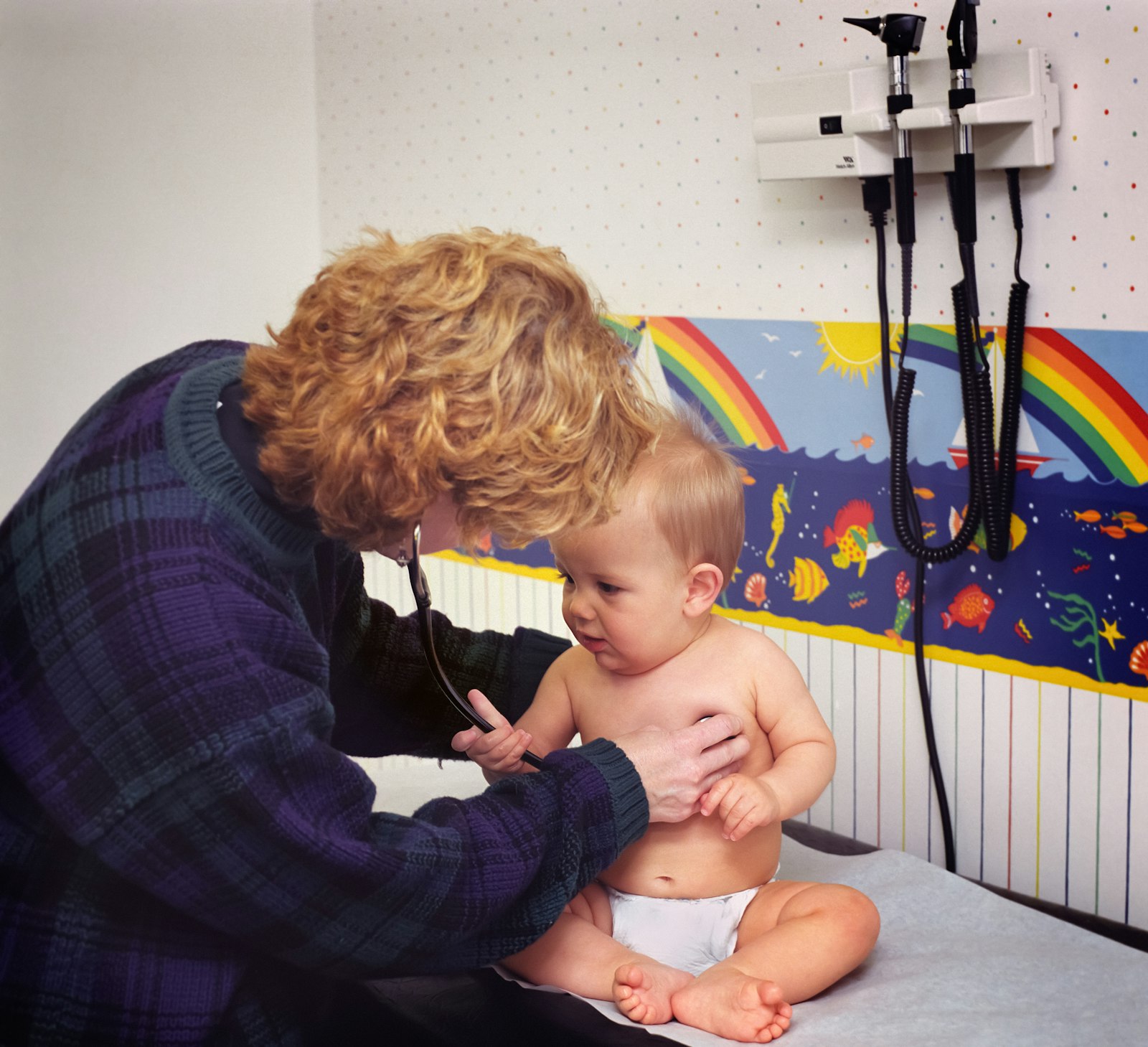
A high fever, significant diarrhea or vomiting, a rash, or a baby who seems unusually unwell is worth a call — these aren't typical teething symptoms and are worth ruling out something else rather than assuming it's just a tooth coming in.
Teething and drool rash: a common side effect
The extra drooling that comes with teething doesn't just soak through bibs, it can also irritate the skin around a baby's mouth, chin, and neck, leading to a red, chapped patch known as drool rash. It looks alarming but usually isn't serious. Gently patting the area dry throughout the day rather than wiping (which can worsen irritation), applying a thin layer of a fragrance-free barrier ointment such as plain petroleum jelly, and changing damp bibs frequently all help. If the rash looks infected, with yellow crusting, swelling, or pus, or if it doesn't improve after a week of basic care, it's worth a call to the pediatrician.
Teething toys and gum-soothing tools: what to look for
- Solid silicone rings without small removable parts or fillable liquid centers that could leak or burst.
- A size too large to fit entirely in a baby's mouth, to reduce choking risk.
- BPA-free, phthalate-free materials, clearly labeled for the age and stage of your baby.
- Textured surfaces for babies who can grip and direct toys themselves, smoother designs for younger babies who need a parent to hold the object for them.
- Easy-to-clean materials, since teething toys go straight from the floor to the mouth more often than any other object in the house.
Skip anything marketed as a teething necklace or bracelet worn by the baby, wooden teethers with unsealed or splintering surfaces, and liquid-filled rings that can crack. For a broader look at what pediatric groups consider safe for babies to chew on and wear, the American Academy of Pediatrics' parent site covers general infant product safety in more depth.
Feeding a teething baby who's already on solids
Sore gums can make a baby who was previously an enthusiastic eater suddenly turn away from food, and it's rarely about the food itself. Cool, soft textures tend to go over better during a rough patch: chilled yogurt, cold applesauce, or a frozen banana in a mesh feeder can be soothing rather than aggravating. Very cold water in a sippy cup between meals can also help numb sore gums a little. It's fine to let feeding volumes dip for a few days during a hard teething stretch, since appetite usually rebounds once the tooth breaks through. If a baby refuses to eat or drink much of anything for more than a day, or shows signs of dehydration such as noticeably fewer wet diapers, that's worth a call rather than assuming it will pass on its own.
Twins, siblings, and different teething timelines
It's common for parents of twins or close-in-age siblings to compare notes and worry when one baby cuts a tooth weeks or months before the other. Teething timing varies widely even within the same family and even between twins with nearly identical genetics, so a gap of a few months is not a sign that anything is wrong. What matters more than the calendar date is whether a baby is otherwise growing, feeding, and developing on track. If there's real concern about a significant delay, raising it at a well-child visit is more useful than comparing timelines with other parents online.
Common mistakes parents make with teething
- Reaching for benzocaine numbing gels out of habit, even though pediatric guidance advises against them due to a rare but serious risk in infants.
- Freezing a teething ring solid rather than just chilling it, which can make it too hard on developing gums and increase injury risk.
- Blaming every fever or bout of diarrhea on teething and delaying a call that could catch an actual illness earlier.
- Skipping tooth brushing once the first tooth arrives, assuming it's too small to matter yet.
- Letting a baby fall asleep with a bottle of milk or juice for comfort during a teething stretch, which raises the risk of early tooth decay.
When the first tooth means it's time for a toothbrush
As soon as that first tooth appears, it's time to start brushing, even though it feels early. A soft, infant-sized toothbrush with a rice-grain-sized smear of fluoride toothpaste, used twice a day, helps protect the new tooth from decay right from the start. Before any teeth arrive, wiping gums with a clean, damp washcloth after feedings is a reasonable habit to build, both for oral hygiene and to get a baby comfortable with having something in their mouth ahead of actual brushing.
A realistic week during a rough teething stretch
Picture a nine-month-old who's normally a solid sleeper suddenly waking twice a night, refusing a portion of meals, and chewing on everything within reach. A quick gum check shows a swollen ridge where a molar is working its way up. For a few days, the family leans on chilled teething rings before meals, a cold washcloth during the worst evening fussiness, and an approved dose of pain reliever before the roughest part of the night, cleared in advance with the pediatrician. By day four, a small white edge of tooth breaks through, and within another day or two, sleep and appetite are mostly back to normal. This kind of short, intense stretch followed by a return to baseline is the typical pattern, even when it feels endless in the moment.
When to schedule that first dental visit
Pediatric dental guidance generally recommends a first dental visit by age one, or within six months of the first tooth coming in, whichever comes first. This early visit is less about treating problems and more about catching habits early, checking for decay risk, and giving parents a chance to ask questions about brushing, fluoride, and thumb-sucking before those become bigger issues. If teething seems unusually delayed, with no teeth at all by 18 months, or if a tooth comes in looking discolored or oddly shaped, it's worth mentioning at a regular pediatric visit rather than waiting for the dental appointment.
Frequently asked questions
At what age does teething usually start?
Most babies start teething somewhere between 4 and 7 months, though the range is wide and some babies get their first tooth earlier or later without it indicating a problem.
Does teething cause fever and diarrhea?
Research does not strongly support this — while a slight temperature increase can sometimes accompany teething, a true high fever, diarrhea, or vomiting is more likely caused by something else and worth mentioning to your pediatrician.
Are teething necklaces safe?
Pediatric guidance generally advises against teething necklaces due to choking and strangulation risk — a chilled teething ring or a clean, cold washcloth is a commonly recommended safer alternative.