Photo: Unsplash
Sibling rivalry is one of the most universal parts of raising more than one child — and one of the most exhausting to referee day after day. Understanding why it happens makes it easier to respond calmly instead of reactively.
Why sibling rivalry happens
Competition for parental attention, differing developmental stages, and simply learning how to share space and resources all contribute. A certain amount of friction is a normal part of siblings learning to negotiate and coexist — not a sign that something's wrong. It shows up in almost every family with more than one child, regardless of how calm or well-organized the household is, and it tends to ebb and flow with stress, schedule changes, and each child's own developmental stage rather than staying constant.
Common triggers by age
- Toddlers: sharing toys, attention, and physical space.
- Preschoolers: perceived fairness ("that's not fair!") and turn-taking.
- School-age: comparisons, achievements, and personal space or belongings.
- All ages: transitions like a new sibling arriving, or a schedule change.
A closer look at each age
Sibling conflict doesn't look the same at every stage, and knowing what's typical for a given age makes it easier to respond without overreacting or underreacting.
Toddlers and young preschoolers (2 to 4)
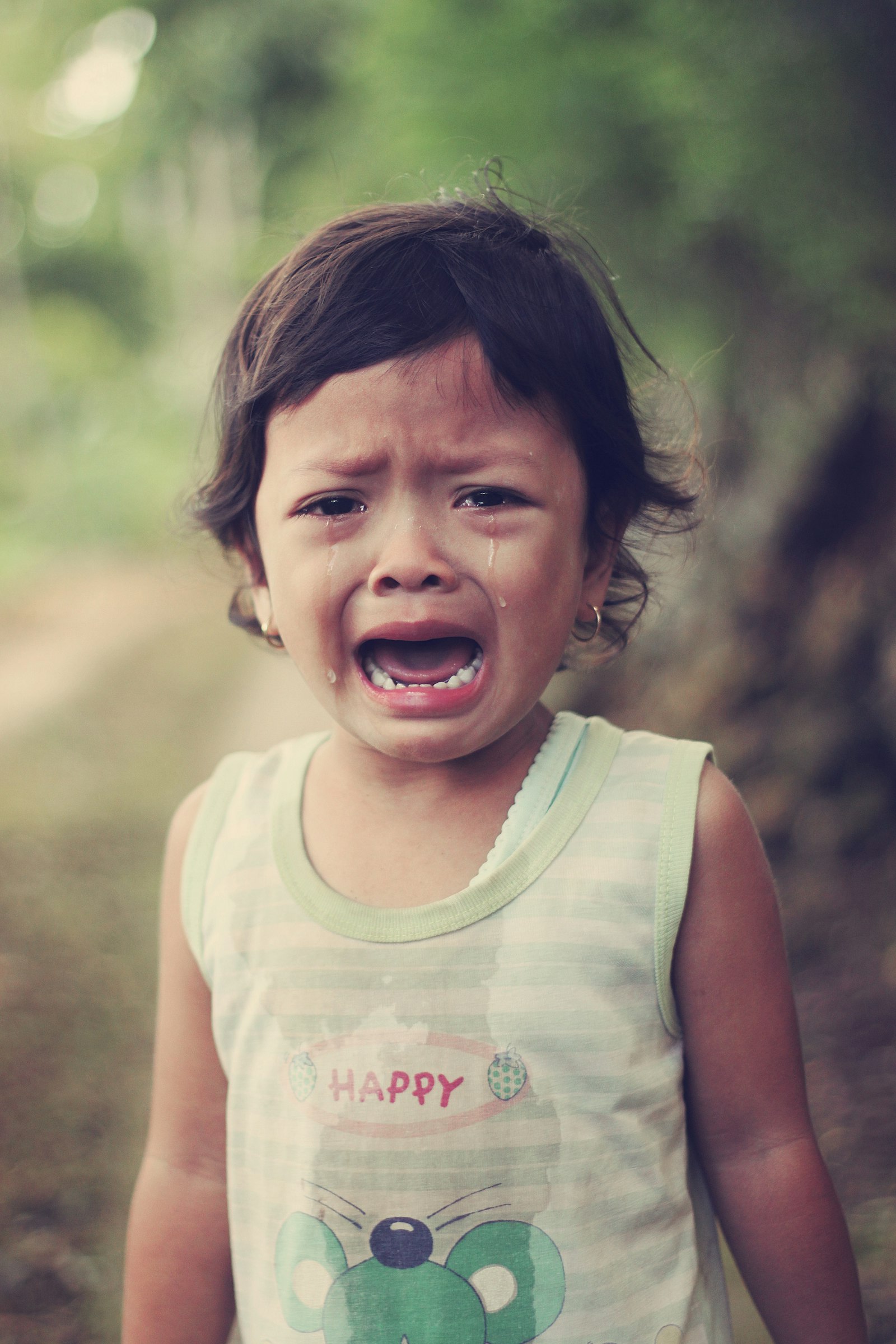
At this age, most conflict is genuinely about the object in front of them, not a deeper relationship issue. A toddler doesn't yet have the language or impulse control to ask for a turn, wait, or negotiate, so grabbing, pushing, or crying over a toy is developmentally expected rather than a sign of a bad temperament or poor parenting. Short, concrete redirection ("that's her turn, here's one for you") tends to work better than a lengthy explanation a toddler can't fully process yet.
Preschoolers and early school-age (4 to 7)
Kids this age have a strong, sometimes rigid sense of fairness, and a lot of sibling friction comes down to a perceived imbalance, real or not, in attention, treats, or privileges. This is also the age where tattling ramps up, partly because a child is testing what the rules actually are and partly as a bid for attention. Naming the fairness concern directly ("you're worried I like your sister more, that's not true") often defuses more than debating the specifics of who got the bigger slice.
School-age kids (7 to 12)
Comparisons around grades, sports, friendships, and general competence become more common triggers as kids get older and more aware of how they measure up. Personal space and belongings also become bigger flashpoints, since older kids have more possessions and more of a sense of ownership over them. Conflict at this age can look more verbal and less physical than in younger years, though it's not unheard of for it to escalate physically, especially between siblings close in age.
Teens
Sibling relationships often loosen naturally as teens spend more time with friends and less with family, which can reduce daily friction simply through less contact. When conflict does happen between teen siblings, it's more likely to involve real disagreements over shared space, family responsibilities, or long-standing resentments than the moment-to-moment squabbles of younger childhood, and it sometimes benefits from a more direct, mediated conversation rather than a quick redirect.
Strategies that help
- Avoid comparisons between siblings, even well-meaning ones.
- Give each child some one-on-one time, even just a few minutes.
- Let kids work out minor disagreements before stepping in.
- Acknowledge each child's feelings without automatically assigning blame.
- Set clear, consistent household rules that apply to everyone.
- Notice and praise cooperative moments, not just intervene in conflicts.
A simple framework for the moment conflict happens
In the heat of a sibling argument, it helps to have a repeatable sequence rather than improvising each time. A short, consistent approach also teaches kids what to expect, which reduces the drama around the intervention itself.
- Pause before assigning blame. Separate the kids briefly if things are heated, without immediately deciding who started it.
- Name what you observe, not what you assume. "I see two kids both holding the same toy" rather than "why are you always fighting."
- Ask what each child needs, not what happened. Kids are often better at stating what they want ("I want a turn") than reconstructing the sequence of events accurately.
- Offer a concrete next step. A timer for turns, a trade, or a short break from each other, rather than an abstract instruction to "work it out."
- Follow up briefly once things are calm. A short, low-pressure check-in later reinforces that you noticed, without reopening the conflict.
When to step in vs. let it play out
Minor squabbles over toys or turns are often a useful opportunity for kids to practice negotiation. Step in for physical aggression, situations where one child is consistently overpowered, or when things are escalating rather than resolving on their own.
Building cooperation outside of conflict moments
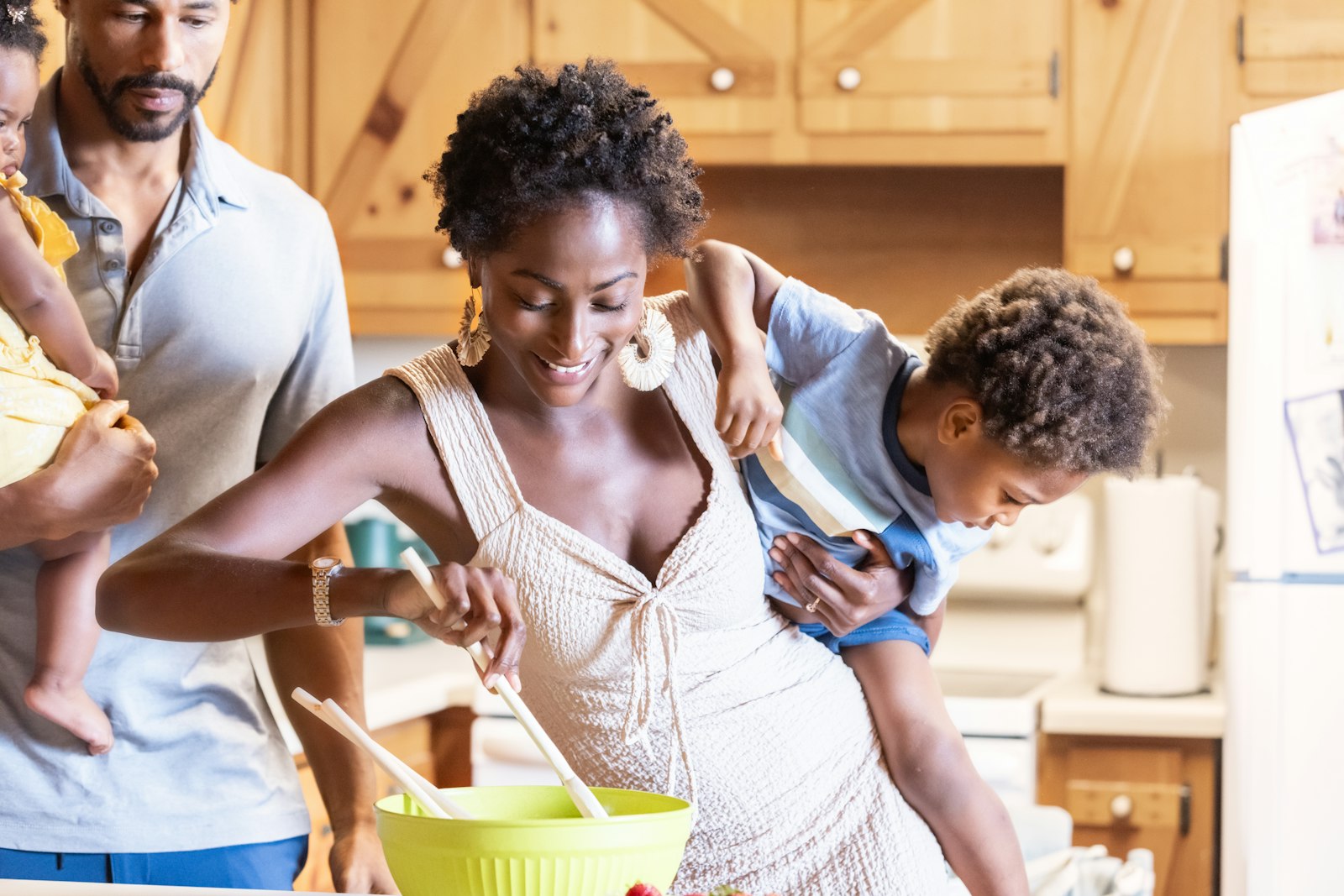
Rivalry often eases faster when siblings have positive shared experiences to draw on, not just rules for handling conflict. Simple, low-pressure activities that require working together rather than competing, like a joint art project, a scavenger hunt, or cooking something as a pair, build a sense of teamwork that carries over into everyday interactions. Praising the collaboration itself ("you two figured that out together") rather than only praising the individual outcome reinforces that working together is noticed and valued, not just winning or being first.
What to say instead of "be nice to your sister"
Generic instructions to "share," "be nice," or "stop fighting" rarely change behavior because they don't give a child anything concrete to do. More specific language tends to work better: naming the actual feeling ("you're frustrated because he took your block tower down"), stating the concrete expectation ("hands stay off, use your words"), and offering a specific alternative ("you can ask for a turn in two minutes"). It also helps to narrate what you see rather than assign blame immediately — "I see two kids who both want the same toy" opens up problem-solving, while "who started this?" tends to put both kids on the defensive and rarely gets you a useful answer anyway.
The role of birth order and personality
Not all sibling rivalry looks the same, and birth order and temperament both shape how it shows up. An older child often struggles most with a perceived loss of status or attention, especially in the months after a younger sibling starts walking and becoming a more active rival for toys and space. A middle child may act out to stand out amid two other strong personalities. A more sensitive or intense child in the mix — regardless of birth order — often needs a bit more one-on-one processing time after conflict than a sibling who moves on quickly. None of this means rivalry is fixed or inevitable based on position in the family, but recognizing these patterns can help you tailor your response instead of applying one blanket approach to every child.
Sibling rivalry with a big age gap
Siblings with several years between them tend to have less direct competition over the same toys or activities, but that doesn't mean rivalry disappears, it just shifts shape. A younger child may resent an older sibling's greater freedom and later bedtime, while an older child may feel burdened by being expected to watch or entertain a much younger sibling. Being explicit about why privileges differ by age, rather than letting a younger child assume it's favoritism, and making sure an older child isn't quietly drafted into a caregiving role beyond what's age-appropriate, both help keep a wide age gap from becoming its own source of resentment.
When rivalry might signal something more
Most sibling conflict is a normal, if tiring, part of family life — but a few patterns are worth paying closer attention to. Persistent, one-directional aggression where the same child is consistently the target, rather than conflict that shifts back and forth, is different from typical rivalry and may need more direct intervention. A sudden, sharp increase in conflict tied to a specific stressor — a move, a divorce, a new baby, a school change — is often less about the sibling relationship itself and more a sign a child needs extra support processing that change. If conflict is affecting a child's sleep, mood, or willingness to be at home, or if physical aggression is frequent and intense rather than occasional, it's reasonable to loop in a pediatrician or family therapist for guidance rather than assuming it will resolve on its own. The American Academy of Pediatrics' parent site, HealthyChildren.org, is a reasonable starting point for general guidance on sibling relationships and when a behavior pattern warrants a closer look.
Preparing an older child for a new sibling
Involving an older child in preparations, keeping some of their routines consistent after the baby arrives, and setting aside dedicated one-on-one time can ease the adjustment — jealousy after a new sibling arrives is common and usually temporary.
Real-life scenario: two kids, one toy
A common scene: two siblings both want the same toy at the same moment, and within seconds it's a shouting match. One practical approach is a visible turn-taking system, a simple timer or a "next" list posted somewhere in the house, that takes the parent out of the role of referee for every single dispute. When a child asks who gets it next, you can point to the system rather than making a judgment call each time, which reduces both the number of disputes brought to you and the sense that a parent is always picking sides. For a toy that's genuinely a frequent flashpoint, buying a low-cost duplicate is sometimes the most efficient fix, even though it can feel like giving in to conflict rather than teaching sharing.
Real-life scenario: constant comparison between two very different kids
When one sibling is naturally more academic, athletic, or easygoing than another, comparisons can creep in even when a parent is actively trying to avoid them, sometimes from relatives, teachers, or the kids themselves rather than from a parent directly. Naming each child's specific strengths separately, rather than ranking them against each other, helps ("you're really persistent with hard puzzles" instead of "you're the smart one"). It also helps to address a comparison head-on when a child brings it up rather than deflecting it, since a flat denial ("I don't compare you two") can feel dismissive if the child has clearly noticed a pattern.
What doesn't usually help
- Forcing an apology or a hug immediately. A forced "sorry" rarely reflects genuine remorse and can teach a child that the words matter more than the feeling behind them.
- Punishing both kids equally regardless of who did what. Blanket punishment can breed resentment, especially when one child was clearly defending themselves or their belongings.
- Bribing kids to "just get along." Rewards for temporary peace don't address the underlying trigger and tend to need escalating each time.
- Repeating "you're the older one, you should know better" too often. This can quietly teach an older sibling that they get blamed by default, which breeds its own resentment over time.
Frequently asked questions
Is sibling rivalry a sign of a parenting problem?
No — some degree of rivalry is a normal, expected part of siblings learning to share attention, space, and resources. It becomes more of a concern only if it's frequent physical aggression or one child is consistently overpowered.
Should I always intervene in sibling arguments?
Not necessarily — minor disagreements over toys or turns can be a useful opportunity for kids to practice negotiating. Step in for physical aggression or when a conflict is clearly escalating rather than resolving.
How can I help an older child adjust to a new baby?
Involving them in preparations, keeping some of their existing routines the same, and carving out dedicated one-on-one time after the baby arrives can ease the transition — some jealousy is common and usually fades with time.