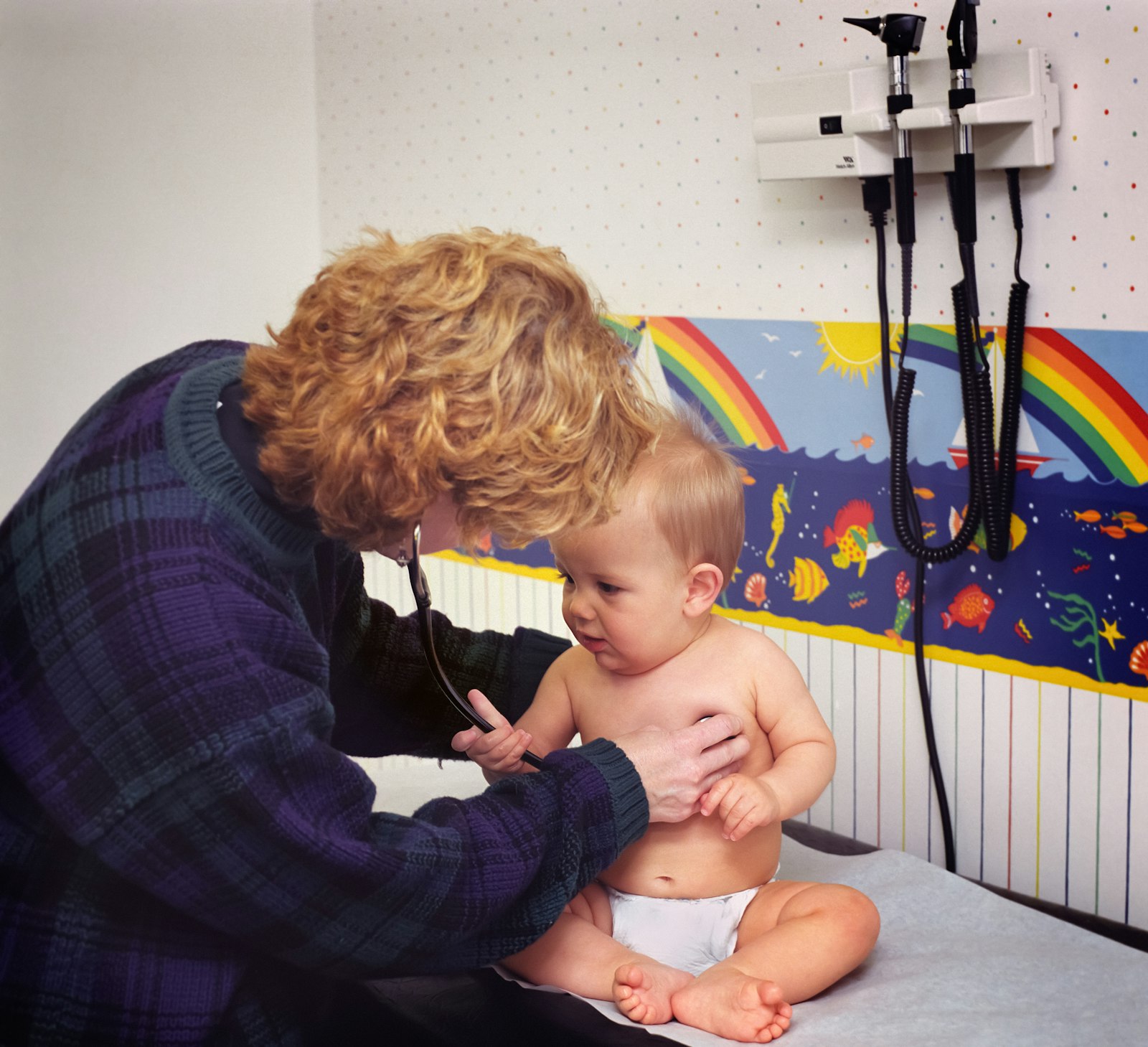
Photo: Unsplash
The first week home with a newborn is disorienting for almost everyone — here's a realistic, practical rundown of what actually needs attention, and what tends to sort itself out with a little time and patience.
Feeding basics
- Newborns typically feed 8–12 times in 24 hours, whether breast or bottle.
- Watch for wet and dirty diapers as a rough feeding-adequacy indicator (your pediatrician will give specific counts).
- It's normal for feeding to feel effortful at first — lactation consultants exist for exactly this reason if breastfeeding.
- Cluster feeding, where a baby wants to feed frequently over a few hours, especially in the evening, is common and not a sign of low supply.
Sleep (theirs and yours)
Newborns sleep a lot in total, often 14 to 17 hours across 24 hours, but in short, frequent stretches, not on any adult schedule yet. Sleeping when the baby sleeps, even briefly, and splitting nights with a partner where possible both help, even though "sleep when the baby sleeps" is easier said than done with a household full of other tasks competing for attention.
Umbilical cord and basic hygiene
The umbilical cord stump typically falls off on its own within one to two weeks; keeping it clean and dry — folding the diaper below it and avoiding submerging it in water — is usually all that's needed. Sponge baths are generally recommended until the stump falls off, after which a proper bath in a few inches of warm water is fine. Fingernails grow surprisingly fast and can scratch a newborn's face; a soft emery board or baby nail file used while they're sleeping is often easier than clippers at this age.
Keeping baby at a comfortable temperature
Newborns can't regulate their body temperature as well as adults, so a general rule many pediatricians suggest is one more layer than an adult would wear in the same environment — not so bundled that they overheat, since overheating is itself a risk factor worth avoiding. A room temperature of roughly 68–72°F (20–22°C) is comfortable for most newborns without excessive layering.
Tracking feedings and diapers
In the first week especially, a simple log — whether an app, notebook, or even a sticky note — tracking feeding times, which side or how much, and wet/dirty diaper counts gives you and your pediatrician useful data at that first follow-up visit, when memory alone is unreliable after days of sleep deprivation. Most pediatricians want to see at least six wet diapers a day by about day five or six as a rough sign feeding is going well.
Managing visitors and germ exposure
Newborns have immature immune systems, and many pediatricians recommend limiting outings to crowded places and asking visitors to wash their hands, avoid holding the baby if they're feeling unwell, and skip kissing the baby's face or hands in the first couple of months. It's entirely reasonable to set these boundaries directly with family and friends ahead of time rather than navigating it in the moment.
Dividing the night realistically
If there are two parents in the household, deciding ahead of time how overnight feedings and soothing will be split — alternating nights, splitting the night into shifts, or one parent handling nights while the other covers more during the day — tends to reduce resentment and burnout compared to figuring it out reactively at 3 a.m. Whatever the arrangement, it's worth revisiting and adjusting as you learn what's sustainable.
Appointments to expect
- A newborn checkup, often within the first 3–5 days.
- A follow-up around 2 weeks to check weight gain.
- Your own postpartum follow-up, timing varies by provider and delivery type.
What to watch for in the baby
Fever, poor feeding, unusual lethargy, or very few wet diapers are reasons to call the pediatrician — see our full guide on when to call the pediatrician for a fuller list of warning signs.
Taking care of yourself too
It's easy for a new parent's own needs to disappear entirely in the first week. Eating regularly, accepting help, and watching your own mood (see our guide on postpartum mood changes) all matter just as much as newborn care.
A day-by-day look at what changes
Every baby is different, but a rough pattern shows up often enough to be worth describing. On day one or two, many babies are sleepy from the birth itself and may need gentle waking to feed regularly. By day three or four, as your milk comes in (if breastfeeding) or feeding routines settle (if formula-feeding), babies often become noticeably more alert and start feeding more vigorously. Around day five to seven, weight loss typically bottoms out and starts trending back toward birth weight, which is exactly why the two-week follow-up exists as a checkpoint rather than the first newborn visit. Knowing this rough arc can make an unsettling early stretch, like a sleepy day-one baby or a fussy day-three baby, feel less alarming.
Breastfeeding, bottle-feeding, or both
Whichever feeding method you're using, the first week is often the hardest technically, even though it tends to get easier with practice. If breastfeeding, engorgement, a shallow latch, or sore nipples are common early hurdles, and a lactation consultant, either through your hospital or independently, can often resolve a painful latch in a single visit. If formula-feeding, finding the right pace and getting comfortable reading hunger and fullness cues takes a little time too. Combination feeding, using both breast and bottle, is also common and not a failure of either method; whatever gets your baby fed and keeps you functioning is the right approach for your family.
Common newborn sounds and reflexes that alarm new parents
Newborns make a surprising range of grunts, snuffles, hiccups, and startled movements that are entirely normal but can be unsettling if you've never been around a very young baby before. The Moro reflex, an automatic startle response where a baby throws their arms out and often cries when they feel like they're falling, even from a small movement, is a normal newborn reflex that typically fades by around 3 to 6 months. Frequent hiccups, noisy or irregular breathing patterns during sleep, and sneezing to clear tiny nasal passages are also common and not usually a sign of illness. If you're ever unsure whether something is normal newborn behavior or a warning sign, it's reasonable to call your pediatrician's advice line rather than guessing.
Setting up a workable newborn station at home
Small setup choices that save steps during exhausted 3 a.m. feedings:
- A changing station stocked with diapers, wipes, and a change of clothes on each floor you spend time on.
- A water bottle and snacks within reach of wherever you feed the baby most often.
- A dim nightlight in the nursery or bedroom so overnight changes and feedings don't require full lights.
- A simple system, even just a phone note, for logging feeding and diaper times in the first couple of weeks.
- A basket or bag by the door with essentials for quick pediatrician visits.
Recovering from birth while caring for a newborn
Whatever kind of delivery you had, your own body is recovering at the same time you're learning to care for a newborn, which is a genuinely demanding combination. Vaginal soreness, C-section incision care, and the general exhaustion of a body that just did enormous physical work all deserve real attention, not just the baby's needs. Accepting help with meals, laundry, and even brief childcare so you can nap is not indulgent; it's a practical necessity in a week where sleep deprivation and physical recovery are both happening simultaneously.
When something feels off, even if you can't explain why
New parents, especially first-time parents, sometimes worry that a concern isn't "serious enough" to call the pediatrician about. In practice, pediatric offices expect and welcome calls from new parents in the first weeks, and a nurse line can often triage a concern quickly over the phone. Trusting a gut feeling that something seems different or wrong with your baby, even without being able to fully articulate why, is a reasonable reason to call; parents are often right about subtle changes long before they can name the specific symptom.
Newborn jaundice: what's typical and what's not
Mild jaundice, a yellowish tinge to the skin and eyes caused by a normal buildup of bilirubin as a newborn's liver matures, affects a large share of babies in the first week and usually resolves on its own or with brief light therapy. It typically appears around day two or three and is most noticeable on the face, chest, and whites of the eyes. Your hospital will usually check bilirubin levels before discharge and may schedule a follow-up specifically to recheck it a day or two later. Jaundice that appears within the first 24 hours of life, spreads to the arms and legs, or is accompanied by poor feeding and extreme lethargy needs prompt medical attention rather than routine monitoring, since it can occasionally indicate a more significant underlying issue.
Getting outside help lined up before you need it
It's worth identifying, before the baby arrives if possible, who you'd call for various kinds of help: a postpartum doula or night nurse if that's within reach financially, a pediatrician's after-hours line, a lactation consultant, and a trusted friend or family member who's been through it before and can offer perspective at 2 a.m. when everything feels harder than it probably is. Having these contacts already saved rather than searching for them while exhausted and overwhelmed removes a meaningful barrier to actually reaching out when you need to.
Managing your own expectations
Many new parents go in expecting the first week to feel more like the peaceful newborn photos they've seen online, and are caught off guard by how physically and emotionally demanding it actually is. Crying, cluster feeding in the evenings, and a baby who only sleeps while being held are all common and don't reflect anything you're doing wrong. It's worth lowering the bar for what counts as a successful day in this window: everyone fed, everyone safe, and some amount of rest for the adults in the house is a genuinely good outcome for the first week, even if the house is a mess and dinner came from a delivery app.
Frequently asked questions
Is it normal for the baby to lose weight in the first few days?
Yes — some initial weight loss (typically up to about 10% of birth weight) is normal and expected, with most babies regaining it by around 2 weeks. Your pediatrician tracks this closely at the follow-up visit and will flag it if loss exceeds the typical range.
How many visitors should we allow in the first week?
Entirely a personal choice — many families limit visitors in the first week or two to protect rest and reduce infection exposure, but there's no universal rule. Set boundaries that work for your household.
Why does my newborn make so much noise while sleeping?
Grunting, snuffling, and irregular breathing sounds are common in newborns because their nasal passages are tiny and their nervous systems are still maturing. It's usually normal, but persistent labored breathing, flaring nostrils, or a bluish tint to the skin warrants a call to your pediatrician right away.
Is it okay to ask a lactation consultant for help even if breastfeeding seems to be going fine?
Yes, a proactive check-in with a lactation consultant in the first week can catch small latch or positioning issues before they turn into pain or supply problems, even if things seem to be going reasonably well already.
What should our first newborn checkup actually cover?
Expect a weight check, a general physical exam, a jaundice screening if relevant, and a review of feeding, sleep, and diaper patterns. It's a good opportunity to bring a written list of your own questions, since it's easy to forget them once you're in the room.