Photo: Unsplash
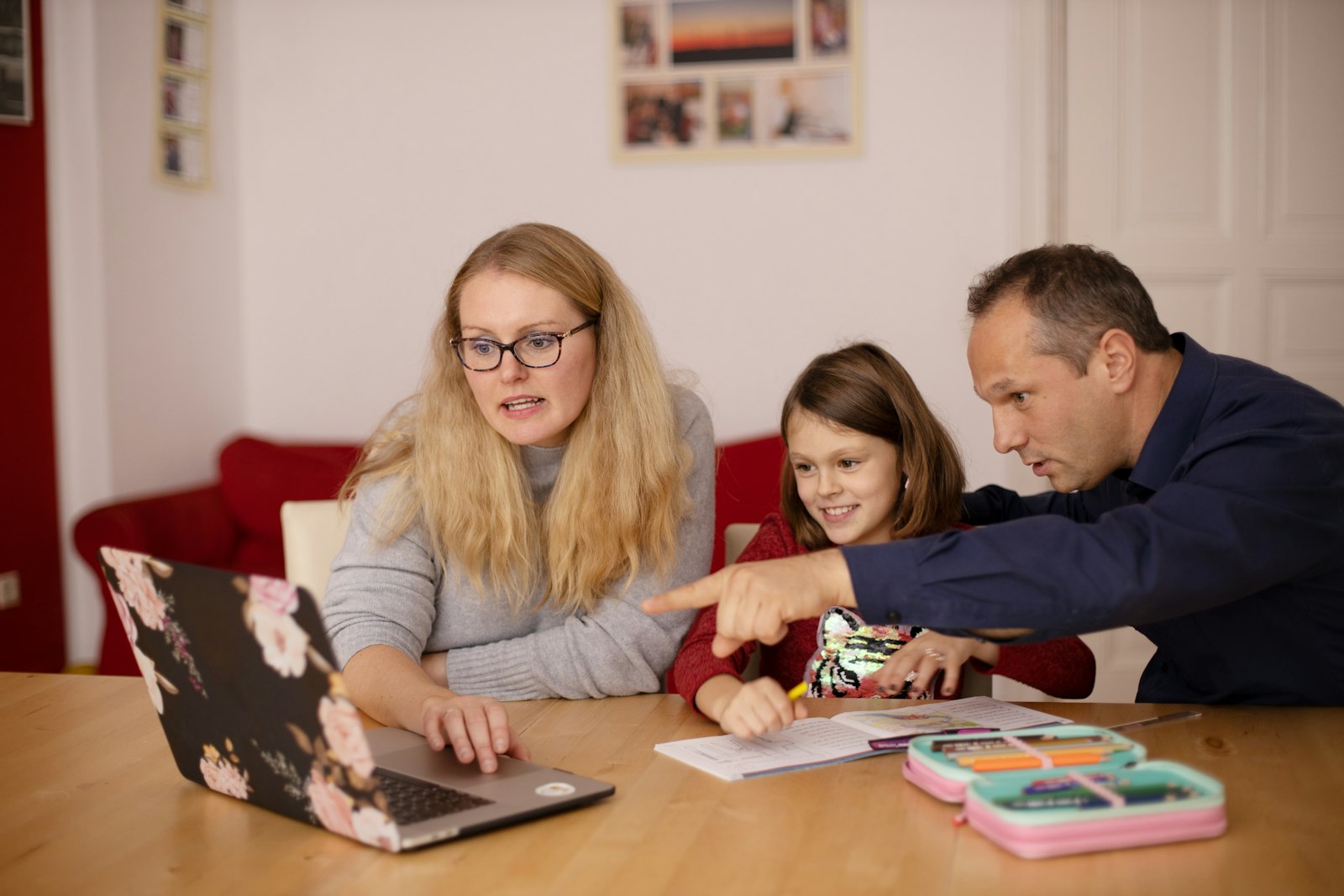
A strong support network is one of the biggest predictors of how smoothly an adoption transition goes — and it's worth building before placement, not scrambling for afterward, when time and energy are at their most stretched.
Why support matters more than people expect
Adoption brings real joy alongside real stress — legal steps, adjustment periods, and sometimes unexpected challenges around attachment, grief, or a child's history that friends without adoption experience may not immediately understand. Families with people to lean on tend to navigate the hard stretches with more resilience, largely because they don't have to solve every problem alone or explain adoption basics from scratch while also managing a major life transition.
Finding other adoptive and foster families
- Ask your agency about local or online support groups — most maintain lists and can make a direct introduction.
- Look for adoption-focused community organizations in your area, some of which run regular meetups or family events.
- Online communities can help, especially for specific adoption types (international, foster-to-adopt, transracial adoption) with more niche needs that a general parenting group won't cover well.
- National and state-level adoption organizations often host conferences or regional events that double as a way to meet other families in a similar situation.
Professional support worth having lined up
- A pediatrician comfortable with adoption-specific health history questions, including gaps in early medical records for internationally or foster-adopted children.
- A trauma-informed therapist, even if you don't think you'll need one right away — having a name and number ready removes a barrier if a need comes up unexpectedly.
- Your caseworker's or agency's post-placement contact information, kept somewhere easy to find, along with a clear sense of what kind of issues they can help with after finalization.
- A pediatric or family attorney familiar with adoption-related legal questions, useful for anything from name changes to more complex custody questions down the line.
Building support before placement, not after
Many families focus entirely on paperwork and logistics in the lead-up to placement and treat relationship-building as something to figure out later, but reaching out to potential support contacts — other adoptive parents, a therapist, extended family who could help with practical tasks — before a child arrives tends to make the actual transition smoother. It's much easier to have an honest conversation about needs and boundaries before the adjustment period starts than to try to build new relationships while also managing a major life change in real time.
What good support actually looks like day to day
In practice, useful support is often less about big gestures and more about small, consistent presence — a friend who checks in regularly without needing updates every time, a fellow adoptive parent who can normalize a hard week without judgment, or a family member willing to handle a specific recurring task (school pickup, a weekly meal) without being asked each time. Support that requires you to do the emotional labor of managing someone else's feelings about your situation tends to add stress rather than relieve it, which is worth noticing and adjusting for as your network takes shape.
Leaning on existing family and friends well
Being specific about what kind of help you actually want (meals, childcare for other kids, just company) tends to work better than a vague "let me know if you need anything" from your circle — most people want to help but don't know how, and a concrete request removes the guesswork on both sides.
Support needs change over time
The kind of support that matters most in the first weeks after placement — practical help, meals, a listening ear during an intense adjustment — often looks different from what's useful a year or two in, when questions might shift toward navigating school systems, talking to your child about their story as they get older, or handling curious or intrusive questions from strangers. Staying connected to your adoption community over the long haul, not just during the initial transition, means that support is already in place when these later-stage questions come up rather than needing to build new connections from scratch each time.
Online versus in-person support
Online adoption communities offer round-the-clock access and can connect you with families facing very specific, niche situations that might be hard to find locally, but they also vary widely in quality and moderation — some are genuinely supportive, while others can amplify anxiety or offer questionable advice. In-person support groups tend to build deeper, more sustained relationships over time and give kids a chance to meet other adopted or fostered children too, which can matter as they get older and start noticing they're different from peers in a specific way. Most families find a combination of both works better than relying on just one.
Building support as a single parent by choice
Single adoptive parents face a particular version of the support question, since there's no second adult in the home to share overnight duty, split appointments, or simply trade off when everyone is exhausted. Building a small, reliable rotation of people who can help with specific practical tasks (a weekday pickup, an occasional overnight, a standing dinner date) tends to matter more here than for two-parent households, and it's worth setting that rotation up before placement rather than trying to recruit help during an already stretched first few weeks. Some single parents also find it worthwhile to connect specifically with other single adoptive parents, since the day-to-day logistics of solo parenting after adoption differ in real ways from the two-parent experience.
Support for transracial and transcultural families
When a child's race, ethnicity, or cultural background differs from their adoptive parents', support needs expand beyond the general adoption community to include people and resources connected to the child's own background. This might mean seeking out a hairstylist, pediatrician, or family friend who shares the child's racial or ethnic identity, joining culture-specific playgroups or heritage camps, or building relationships with adult adoptees who share a similar background and can speak to that experience directly. Families who wait until a child is older to start building this kind of support often find it harder to establish naturally, so starting early, even before a child can fully participate, tends to pay off later when identity questions become more central.
Starting a support group if one doesn't exist locally
In smaller or more rural areas, a dedicated adoption support group may simply not exist yet, and starting one doesn't require a formal organization behind it. A simple monthly meetup, hosted at a library, community center, or rotating homes, and advertised through your agency, local pediatricians, or a community bulletin board, is often enough to get a handful of families connected. Many long-running local groups started this way, with two or three families deciding to keep meeting after connecting through a home study class or an agency orientation session.
Warning signs your support network isn't actually helping
- You come away from conversations feeling like you have to defend or justify your decision to adopt, rather than feeling supported in it.
- A specific person or group consistently minimizes real challenges you're facing, or insists everything should feel "just like" biological parenting.
- You find yourself managing someone else's discomfort with your family's story instead of receiving actual help or comfort.
- Advice you receive regularly contradicts your caseworker's or therapist's guidance in ways that create confusion rather than clarity.
None of this means cutting people off entirely, but it's worth being honest with yourself about which relationships are actually adding support and which ones are quietly adding weight.
Self-care that isn't an afterthought
Adoptive parents, especially those who waited a long time or went through a difficult process to get to placement, sometimes feel guilty prioritizing their own rest or mental health once a child finally arrives. But running on empty tends to show up in parenting in ways that don't serve anyone, and building in small, non-negotiable pieces of personal time (a weekly walk, a standing therapy appointment, an hour reading with the phone off) is part of what makes it possible to show up well for a child during a demanding adjustment period. This is worth discussing openly with your support network too, since people who know you well can often spot burnout before you notice it yourself.
Getting support for talking about your child's story
As children get older, they'll naturally have more questions about their adoption, their birth family, or why their story looks different from their friends'. Having other adoptive families, a trauma-informed therapist, or age-appropriate books already lined up before these conversations come up organically tends to make them go more smoothly than scrambling for the right words in the moment. Many support communities specifically share language and approaches that have worked for other families navigating similar conversations, which can take some of the pressure off having to figure it out entirely on your own.
Support during a disrupted or delayed placement
Not every adoption journey goes as planned. A match can fall through, an expectant parent may choose to parent after all, or an international program can pause or close partway through the process. These experiences carry real grief, and they're often less visible to the outside world than a completed adoption, which can leave families feeling like they have to grieve quietly. Having a therapist or support group already in place before this kind of setback happens makes a real difference, since reaching out for support for the first time in the middle of acute grief is much harder than turning to a relationship that already exists. Fellow adoptive parents who've experienced a similar disruption are often uniquely able to sit with this kind of loss in a way that friends without adoption experience may struggle to fully grasp.
Involving grandparents and extended family in a helpful way
Grandparents and other extended family members often want to help but aren't sure what's useful or appropriate, especially if adoption is new to their own experience. Sharing basic, age-appropriate language about adoption, being clear about which questions are fine to ask your child directly and which aren't, and giving specific suggestions for how they can support the family (a regular visit, help with a specific errand, simply showing consistent interest in the child's life) tends to work better than leaving them to guess. Extended family members who feel informed and included generally become steadier long-term supports than those left on the sidelines.
Frequently asked questions
Is it normal to feel isolated even with a good support network?
Yes — adoption can feel isolating even with support in place, partly because friends and family without adoption experience may not fully understand certain challenges. Adoption-specific communities can fill that gap.
What if my extended family doesn't fully understand or support my adoption decision?
This is a genuinely common situation, and it's worth investing extra energy in adoption-specific communities and professional support to fill the gap, rather than spending significant effort trying to convince reluctant family members. Many families find that attitudes shift naturally once the child arrives, though it's reasonable to set that expectation aside and build support elsewhere in the meantime.
When should I start building this network?
As early as possible — ideally during the home study or waiting period, not after a child is already placed, so the support is already in place when you need it most.
How do I find other adoptive families near me?
Start with your agency, which usually maintains a list of local support groups or can connect you directly with other families. Community organizations, adoption-focused conferences, and even a self-started meetup can also work well, especially in areas without an established group.
Is it okay to ask for professional help even if things seem to be going fine?
Yes. Lining up a trauma-informed therapist or pediatrician familiar with adoption before you need one isn't a sign that something is wrong; it simply removes a barrier if a need comes up later, which is worth doing regardless of how smoothly things are currently going.