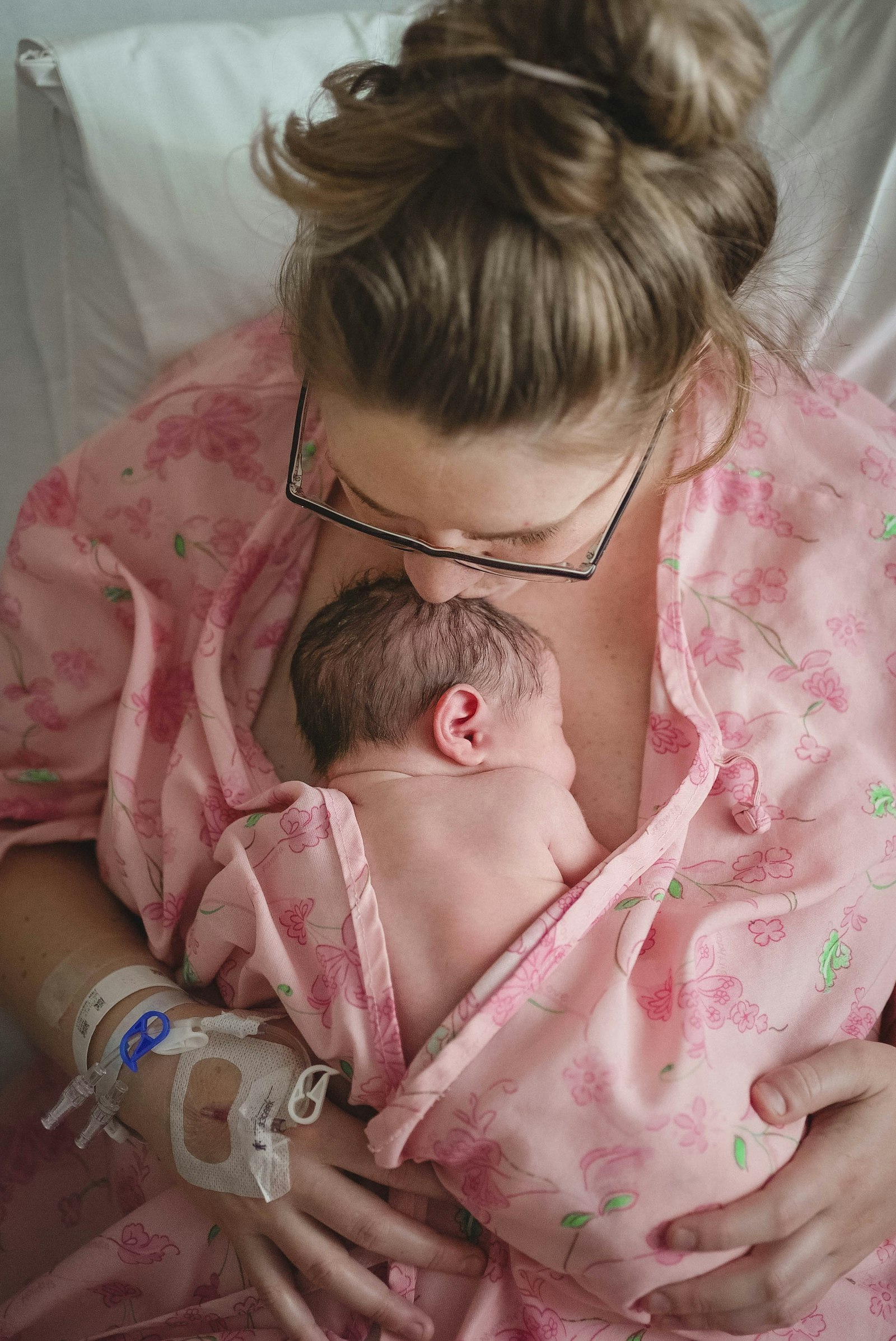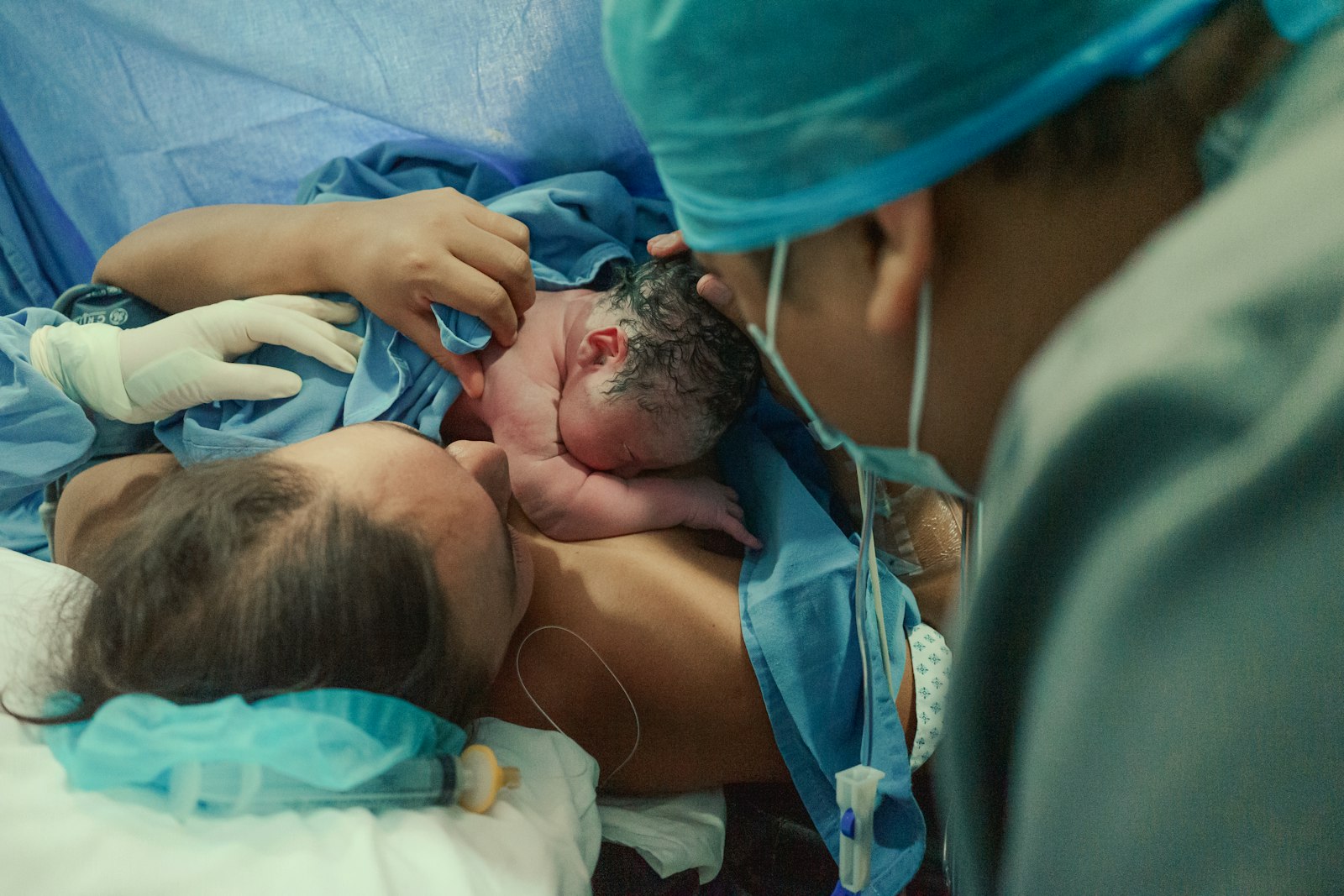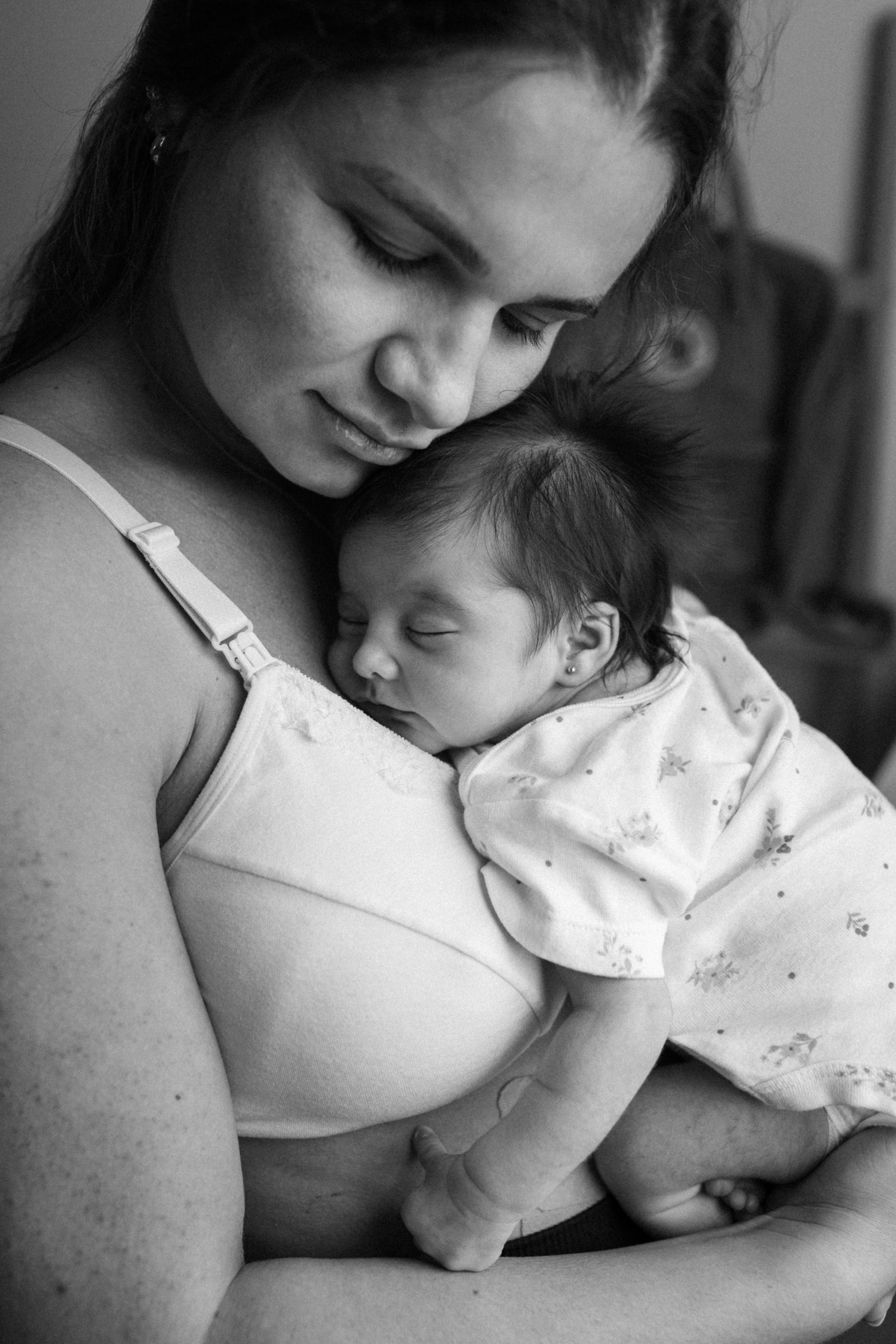
Photo: Unsplash
Postpartum recovery gets far less attention than pregnancy or birth itself, but the body's healing process typically takes weeks to months — longer than popular culture often suggests, and knowing the realistic timeline ahead of time makes the whole stretch easier to navigate.
The first week
- Vaginal bleeding (lochia) that gradually lightens over several weeks.
- Uterine cramping as the uterus contracts back toward its pre-pregnancy size.
- Significant fatigue, compounded by newborn care and disrupted sleep.
- Breast engorgement as milk comes in, around day 2–5.
Warning signs that need prompt medical attention
- Soaking through a pad in an hour or passing clots larger than a golf ball.
- Fever, chills, or a foul-smelling discharge, which can signal infection.
- Severe headache, vision changes, or sudden swelling — postpartum preeclampsia can develop even after a normal pregnancy.
- Calf pain, swelling, or redness in one leg, or shortness of breath, which can indicate a blood clot.
- Red, warm, or painful areas on the breast with fever, which can signal mastitis.
Postpartum complications are sometimes dismissed as "normal" exhaustion or soreness by new parents who don't want to bother their care team — but these particular symptoms warrant a same-day call rather than waiting for a scheduled visit.
C-section recovery specifics
Recovering from a C-section adds its own timeline on top of the general postpartum process: most people are up and walking within a day of surgery to reduce clotting risk, but lifting restrictions (often nothing heavier than the baby for a few weeks), incision care, and avoiding driving until cleared typically last longer than for a vaginal birth. Numbness or pulling sensations around the scar can persist for months and, for some people, longer than that — this is common and usually improves gradually as nerves regenerate.
Hormonal shifts and hair loss
A sharp drop in estrogen and progesterone after delivery can bring on night sweats, mood swings, and — a few months later — noticeable hair shedding, sometimes alarming in volume. This postpartum hair loss is temporary and related to hair that would have shed gradually during pregnancy all coming out at once; it typically resolves within six to twelve months as growth cycles normalize.
Sex, contraception, and your body afterward
Most providers recommend waiting until after the postpartum checkup to resume penetrative sex, both to allow healing and to discuss contraception, since ovulation can return before your period does — meaning pregnancy is possible even while breastfeeding or before your first postpartum period. Vaginal dryness, especially while breastfeeding, and lingering tenderness are common and often improve with time, lubricant, and open communication with a partner; there's no fixed timeline for when sex should feel "normal" again.
Weeks two through six
Bleeding continues to taper, energy gradually improves (though still commonly limited), and for C-section recovery, incision healing continues alongside activity restrictions. A postpartum checkup, often around 6 weeks, typically clears you for activities like exercise and driving if not already resumed. This visit is also a good opportunity to raise any lingering physical or emotional concerns rather than waiting for them to resolve on their own.
Beyond six weeks
"Six weeks" is a common medical milestone, not a finish line — many aspects of physical recovery (core strength, pelvic floor function, hormonal regulation) continue well beyond that point, sometimes for months, and occasionally for closer to a year.
What tends to help recovery
- Accepting practical help (meals, errands, childcare for other kids) rather than trying to do everything.
- Following your specific activity restrictions rather than a generic timeline.
- Staying hydrated and eating enough, especially if breastfeeding.
- Pelvic floor exercises, when and as recommended by your provider.
Mental and emotional recovery, on its own timeline
Physical healing is only part of the postpartum picture. Mood swings and tearfulness in the first two weeks, often called the baby blues, are extremely common and typically resolve on their own. Symptoms that persist beyond that window, or interfere significantly with daily functioning, may point to postpartum depression or anxiety, which are common, treatable medical conditions rather than a personal failing. See our full guide on postpartum mood changes for a detailed look at the difference and how to get support.
Nutrition during postpartum healing
Your body is doing significant repair work in the weeks after birth, whether you had a vaginal delivery or a C-section, and nutrition plays a real role in that process. Protein supports tissue repair, iron helps rebuild blood volume lost during delivery, and adequate calories matter more than restriction, especially if you're breastfeeding, which itself increases caloric needs meaningfully. Continuing a prenatal vitamin, or switching to a postnatal formula, through at least the first several months postpartum is commonly recommended by providers, on top of a generally varied diet rather than as a replacement for one.
Returning to exercise safely
Once cleared at your postpartum checkup, easing back into activity with walking and gentle core and pelvic floor work before progressing to more structured exercise is the generally recommended approach, with higher-impact activities like running introduced later and gradually. Pain, leaking urine, or a bulging sensation in the abdomen during exercise are signs to scale back and check in with a provider or pelvic floor physical therapist rather than pushing through discomfort. Many people benefit from at least one pelvic floor evaluation, even without obvious symptoms, since some weakness isn't apparent until higher-impact activity reveals it months later.
Breastfeeding and physical recovery, together
If you're breastfeeding, your body is managing lactation on top of general postpartum healing, which affects hydration and calorie needs, sleep patterns, and even hormone-driven symptoms like night sweats or vaginal dryness. Engorgement in the early days, followed by gradual regulation of milk supply, is typical, and mastitis, an infection that can cause a red, warm, painful area on the breast along with fever, needs prompt treatment rather than home monitoring. Weaning, whenever it happens, brings its own hormonal adjustment period as well, separate from the initial postpartum hormone shift.
A realistic look at what "back to normal" actually means
Many new parents quietly hope for a return to their exact pre-pregnancy body and routine, and feel discouraged when that doesn't happen by six weeks, or even six months. In practice, "normal" after having a baby is often a new baseline rather than a return to an old one: some physical changes are permanent, energy and time are genuinely different with a newborn or growing child in the house, and comparing your own recovery to an edited photo online or another parent's very different experience rarely serves you well. Giving yourself the same patience and grace you'd extend to a friend going through the same thing tends to make this stretch easier to get through.
Diastasis recti and core recovery
Many people develop diastasis recti, a separation of the abdominal muscles along the midline, during pregnancy, and it's worth checking for before returning to ab-focused exercise. A simple self-check involves lying on your back with knees bent, gently pressing fingers along the midline of your belly while lifting your head slightly; a gap of two finger-widths or more is common and often narrows with targeted core and pelvic floor rehab rather than traditional crunches, which can actually worsen the separation. A pelvic floor physical therapist can assess this more precisely and build a rehab plan specific to your body.
Skin, scars, and other lasting changes
Stretch marks, changes in skin tone like linea nigra or melasma, and, for some, a permanently different scar from a C-section or significant tearing are all common outcomes of pregnancy and birth. Most of these fade or lighten considerably over the year following delivery, though complete disappearance isn't guaranteed and isn't a sign that healing has gone wrong. Similarly, a C-section scar can remain numb or oddly sensitive for a year or more, since nerve endings were cut during surgery, and this tends to improve gradually rather than reverse suddenly.
How postpartum recovery differs after multiple births
Recovery after a second or later pregnancy can differ noticeably from a first, sometimes for the better (a more experienced body, sometimes less anxiety about what's normal) and sometimes for the worse (a slower-feeling recovery given less rest time, especially with an older child also needing care). There's no universal pattern, and comparing recovery across your own pregnancies isn't always useful, since factors like the specific birth, spacing between pregnancies, and general health all vary each time.
Getting practical support during this window
Ways to build real support into the weeks after birth:
- Set up a meal train or accept offers of food from friends and family rather than declining out of politeness.
- Ask a specific person to handle a specific task, like laundry or grocery runs, rather than a vague "let me know if you need anything."
- Consider a postpartum doula if it's financially accessible, for hands-on help in the first weeks.
- Line up childcare help for older siblings so you can rest or attend to a newborn's needs without competing demands.
- Give yourself explicit permission to lower household standards for a few months.
When "normal" symptoms actually need a second look
It's common for new parents to downplay their own symptoms while focused entirely on the baby, but persistent pain that isn't improving, ongoing difficulty with bladder or bowel control, or a sense that something "isn't right" with your healing are all worth raising at a follow-up visit rather than assuming they'll simply resolve. Providers generally welcome these conversations, and many postpartum complications are far easier to treat when caught early rather than after months of being quietly endured.
Sleep deprivation's role in recovery
Chronic sleep deprivation genuinely slows physical healing, since much of the body's repair work happens during deep sleep, which creates a frustrating loop for new parents: the thing that would help you heal faster is often the hardest thing to get more of. Taking whatever short rest is available, splitting overnight care with a partner where possible, and accepting help specifically so you can sleep aren't luxuries in this context; they function as a real part of physical recovery rather than something separate from it.
Planning ahead for your next pregnancy, if there is one
If you're considering more children, it's worth discussing your specific recovery, especially after a C-section or a complicated birth, with your provider before conceiving again rather than waiting until your first appointment of the next pregnancy. Spacing between pregnancies matters for tissue healing, and providers often recommend waiting at least 18 months between a C-section and a subsequent delivery, though individual circumstances vary considerably.
Frequently asked questions
How long does postpartum bleeding usually last?
Commonly 4–6 weeks, gradually lightening over that time from bright red to pink or brown and finally to a lighter color. Sudden heavy bleeding or large clots after it had lightened is worth calling your provider about.
Is it normal to still feel exhausted well past six weeks?
Yes — newborn sleep disruption alone can keep exhaustion high for months, separate from physical healing. That's a normal, if difficult, part of early parenthood.
When can I start exercising again after having a baby?
Most providers clear light activity like walking soon after birth, with more structured exercise introduced after the postpartum checkup, typically around 6 weeks. Higher-impact activity is usually phased in gradually, based on how your body responds.
Does breastfeeding delay other aspects of postpartum recovery?
Not typically, though it does add its own demands, like higher calorie and hydration needs, and can extend hormone-related symptoms like vaginal dryness for as long as you're nursing. It doesn't generally slow healing from birth itself.
Is it normal to still have diastasis recti months after delivery?
Yes, some abdominal separation can persist for months and sometimes longer without targeted rehab. A pelvic floor physical therapist can assess the gap and guide safe, effective exercises to help close it over time.