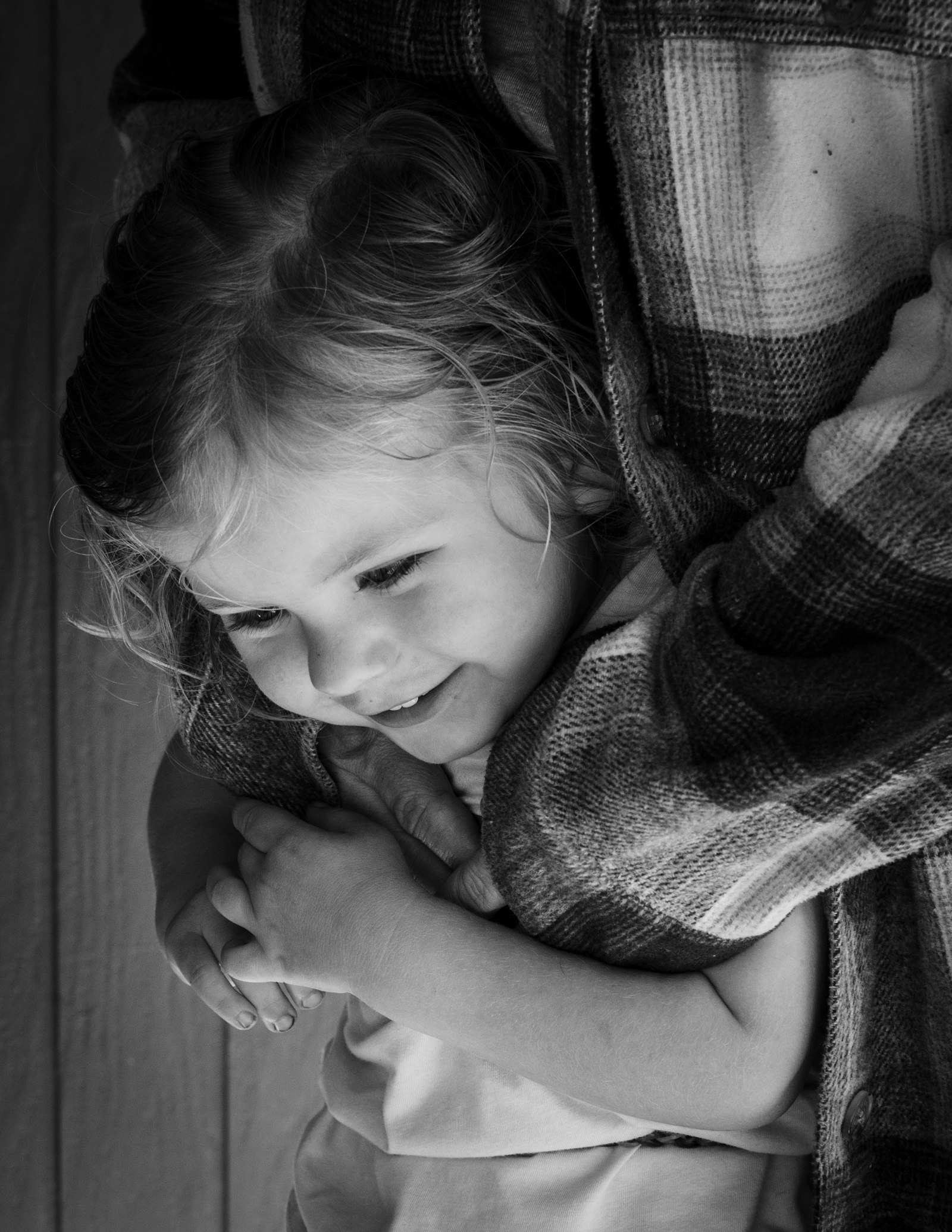
Photo: Unsplash
Most public conversation about adoption centers on infants, but older children — from preschool age through teens — make up a large share of children waiting to be adopted, particularly through foster care, and adopting one is a genuinely different experience worth understanding on its own terms.
Why older-child adoption is often overlooked
Many prospective parents default to picturing a baby, partly because infant adoption is more visible culturally and partly because the idea of "starting from the beginning" feels more familiar. Older children often wait longer for a permanent family as a result, even though many thrive with the right match, and children who age out of foster care without ever being adopted face measurably worse long-term outcomes than those who find a permanent family, regardless of the age at which that happens.
Attachment considerations at different ages
Older children arrive with more life experience — including, often, prior loss, multiple placements, or instability — which can shape how attachment develops. It's frequently a slower, more gradual process than with infants, and that's a normal part of the adjustment, not a sign of failure or a signal that the match is wrong. Attachment-based parenting approaches, which prioritize consistency, predictability, and patience over quick emotional closeness, tend to work better than expecting a fast bond to develop the way it might be imagined for a younger child.
The process, step by step
The path to adopting an older child, most often through foster care, usually follows a fairly consistent sequence, though timelines vary a lot by state and by the specific child's legal situation.
- Attend an orientation session with your state's child welfare agency or a licensed private agency working in foster-to-adopt placements, to understand the general process and requirements.
- Complete a home study, involving background checks, interviews, home safety inspections, and often several weeks of required training (frequently covering trauma-informed parenting).
- Get matched with a specific child or sibling group, sometimes through a photolisting or a caseworker's direct recommendation based on your approved profile.
- Go through a period of visits and gradual transition, which can range from a few weeks to several months depending on the child's needs and readiness.
- Move to placement, where the child lives with you while the legal adoption process continues, sometimes for six months to a year.
- Finalize the adoption in court, at which point the child is legally and permanently part of your family.
Practical adjustments
- School: coordinating with counselors and teachers who understand the transition, and being prepared for a possible mid-year school change if placement timing requires it.
- Routines: older children often benefit from having input into new household routines rather than having everything decided for them, since they arrive with their own sense of how things "should" work.
- Therapy access: having a trauma-informed therapist available proactively, not just if problems arise, since many older adopted children benefit from ongoing support even when the transition looks smooth on the surface.
- Sibling groups: many older children in foster care have siblings, and keeping sibling groups together, when possible, is generally considered better for long-term wellbeing even though it adds logistical complexity.
- Identity and history: older children have memories and often relationships that predate the adoption, and respecting those (rather than treating them as something to move past quickly) supports a healthier sense of identity.
Attachment by age group
Attachment needs and behaviors look different across age ranges, and it helps to have rough expectations going in rather than a single generic picture of "older child adoption."
- Preschool and early elementary (roughly ages 3-7): children at this age are often still forming a sense of trust and may test boundaries repeatedly to see if care is reliable; consistent routines matter enormously here.
- Middle childhood (roughly ages 8-11): kids in this range often have a clearer memory of their history and prior placements, and may need direct, honest conversations about what's happening rather than simplified explanations.
- Teens (12 and up): attachment at this age often looks less like closeness and more like reliability over time; many teens are cautious about emotional investment until a family has proven, through repeated action, that they aren't going anywhere.
None of these categories are rigid, and a child's individual history matters more than their age alone in predicting how attachment will unfold, so treat the ranges above as a starting point for conversation with a caseworker or therapist rather than a strict rulebook.
What families who've done it say helps
Patience with a slower attachment timeline, connecting with other families who've adopted older children, and letting go of an expected "instant bond" narrative all come up repeatedly from experienced adoptive parents. Many also mention the importance of matching expectations to the specific child rather than a generic idea of what family life "should" look like — flexibility around routines, communication styles, and even affection (some children need more physical space before physical affection feels safe) tends to matter more than any specific parenting technique.
School enrollment and mid-year transitions
School is often one of the more logistically complicated pieces of an older-child adoption, especially when placement happens partway through a school year. Records transfer between districts can take time, and a new school may need documentation from a caseworker before enrollment is finalized. Meeting with a school counselor or a designated foster/adoptive-family liaison, where the district has one, before the first day can help flag any special education needs, prior individualized education plans, or social concerns worth knowing about in advance. Many older children have experienced multiple school changes already, and some caseworkers try to keep a child at their current school even after a placement change, using transportation arrangements to avoid yet another disruption, since maintaining familiar peers and teachers can meaningfully ease the broader transition, even when it adds a longer commute for a while.
A realistic first-year timeline
While every family's experience differs, a rough shape often looks something like this: the first few weeks tend to focus on basic safety and routine-building, often with more testing behavior than either the child or the parents expected. The next few months typically bring some real progress alongside occasional setbacks, especially around anniversaries, holidays, or reminders of the child's earlier life. By six months to a year, many families report a noticeably more settled dynamic, though full comfort and trust can continue building well beyond the first year, sometimes for several years, particularly for children who experienced significant instability before the adoption. Treating the first year as a foundation-building period, rather than expecting things to feel "normal" quickly, tends to reduce frustration on both sides and helps everyone measure progress against a realistic baseline instead of a rushed one.
Preparing existing children in the home
Bringing an older child into a home with other kids already there requires its own preparation — honest, age-appropriate conversations about what to expect, realistic framing that new siblings don't automatically become best friends overnight, and protecting some individual time with existing children during the adjustment period. Sibling dynamics after an older-child adoption often take longer to settle than parents expect, and that's a normal part of the process rather than a sign the placement isn't working.
Common myths about older-child adoption
- "An older child won't bond the way a baby would." Bonding often happens differently and on a longer timeline, but strong, lasting relationships form regularly between older adopted children and their families.
- "If a child has behavioral issues, the adoption was a mistake." Behavioral challenges are common and expected during adjustment, and they respond to consistent, patient parenting and appropriate professional support over time — they aren't evidence of a bad match.
- "Older children should be grateful to be adopted." Framing adoption around gratitude can actually make attachment harder, since it puts pressure on the child rather than allowing the relationship to develop naturally.
- "You need special training or expertise to adopt an older child successfully." While trauma-informed training genuinely helps, most successful older-child adoptions are led by ordinary families who commit to learning as they go, not specialists.
Common mistakes prospective parents make
- Expecting gratitude or an instant bond. Both put pressure on the child and can actually slow attachment rather than speed it up.
- Underestimating the role of the child's existing relationships. Siblings, former foster parents, teachers, and sometimes birth family members may remain meaningfully important, and dismissing those ties rarely helps.
- Skipping or minimizing trauma-informed training. Even parents with prior parenting experience often find that typical parenting instincts don't map directly onto a child who has experienced instability or loss.
- Not lining up support before it's needed. Waiting until a crisis to find a therapist or a support group means starting from zero during an already hard moment.
- Assuming a slow start means the match is wrong. A rocky first few months is common and doesn't reliably predict how the relationship will look a year or two later.
Building a support network before placement
Lining up support ahead of time tends to matter more with older-child adoption than with infant adoption, since the adjustment period is often longer and involves more moving pieces: school coordination, therapy, sometimes visits with biological siblings, and managing your own stress alongside the child's. Useful pieces of a support network include a trauma-informed therapist for the child (and sometimes for the family as a whole), a support group specifically for adoptive or foster parents, a caseworker or post-adoption specialist you can call with questions, and, where possible, another family who has adopted an older child and can offer perspective grounded in real experience rather than theory. Organizations like Child Welfare Information Gateway maintain directories and resources that can help identify local support options specific to your state.
Financial and legal support specific to older-child adoption
Older children adopted from foster care, especially those with identified special needs, often qualify for adoption assistance subsidies that can include a monthly stipend, continued Medicaid coverage, and sometimes help with therapy or other services — support that's frequently more robust than what's available through private domestic infant adoption. It's worth asking your caseworker directly what subsidies a specific child qualifies for before finalizing, since eligibility and benefits vary by state and aren't always proactively explained in full.
Frequently asked questions
Do older adopted children usually have behavioral challenges?
Some do, often connected to past instability or trauma, but this varies enormously by child. A trauma-informed approach and appropriate support resources make a real difference regardless of what a child brings with them.
Is it too late to adopt a teenager?
No — teens can and do get adopted, and many benefit enormously from having a permanent family, even later than early childhood. It's a different kind of relationship-building, not an impossible one.
How long does it typically take for an older child to feel settled?
There's no fixed timeline — some children adjust visibly within months, while others take a year or more to feel fully secure, and progress often isn't linear, with setbacks around anniversaries, transitions, or unexpected triggers even after things have seemed stable for a while.
Should we tell an older child's new school about the adoption right away?
Most caseworkers recommend informing the school and relevant staff, like counselors, in general terms so they can offer appropriate support, while leaving it to the child and family to decide how much detail gets shared with classmates or other parents. A child's privacy and comfort with disclosure should generally take priority over full transparency with every adult in the building.
Is it normal for progress to feel like it stalls or reverses?
Yes. Setbacks around anniversaries of major life events, holidays, or new transitions like starting a school year are common even in placements that are otherwise going well, and they don't necessarily mean something has gone wrong with the adoption.